
Initial Development and Design
In 1924, the U.S. Army Aviation Service embarked on its first serious endeavor to acquire a reliable transport aircraft. This led to an order for nine large single-engine C-1 airplanes from the Douglas company. The inaugural flight of the first C-1 took place on May 2, 1925. Each aircraft was powered by a V-1650-1 Liberty engine, notable for its water-cooled system.
The C-1 was designed with practicality in mind, featuring a spacious, enclosed cargo cabin equipped with three windows along each side. This was positioned behind an open crew cockpit, which comfortably accommodated the commander and co-pilot or flight engineer side-by-side. The cabin’s versatility allowed for the installation of seats for six to eight passengers, which could be easily removed to create up to 4.53 m³ of cargo volume.
Access for passengers was facilitated by a door on the right side of the fuselage. For larger items, a dedicated hatch in the floor enabled efficient loading and unloading of oversized cargo, highlighting its robust utility as a transport aircraft.
Operational Service and Noteworthy Achievements
C-1 aircraft were strategically deployed across U.S. Army airfields and supply depots, where they played a crucial role in the extensive transport of both goods and personnel. The planes operated successfully throughout their service life, demonstrating commendable reliability.
Despite their operational success, the C-1 largely remained obscure to the general public, with one significant exception. In 1929, a particular C-1 was famously repurposed as a flying tanker. It supported the three-engine Fokker C-2A “Question Mark” transport aircraft in groundbreaking in-flight refueling experiments, an event that garnered widespread press coverage and advanced aviation technology.
Production and Variants
Following the initial order, additional contracts were issued, bringing the total production count to 26 aircraft. Many of these robust planes faithfully served the U.S. Army until their eventual retirement and decommissioning in 1936, marking a significant chapter in early military aviation transport.
Beyond the primary C-1 model, two other notable variants emerged. The C-1A designation applied to a C-1 used for experimental testing of various power plants and ski landing gear configurations; it was later reverted to the standard C-1 specification. Although no C-1B aircraft were ever produced, the C-1C variant saw two production batches totaling 17 machines.
The second batch of C-1C aircraft was delivered to the U.S. Army in late 1927. These enhanced models featured increased takeoff weight and dimensions, improved rudders equipped with balances, and a redesigned landing gear structure. A significant upgrade was the replacement of the wooden cargo cabin floor with a more durable metal one, further enhancing their operational capabilities.
Technical Specifications
| Modification | C-10A |
| Wingspan, m | 17.25 |
| Aircraft length, m | 10.77 |
| Aircraft height, m | 4.27 |
| Wing area, m2 | 74.78 |
| Empty weight | 1740 |
| Maximum takeoff weight | 2922 |
| Engine type | 1 Piston engine V-1650-1 Liberty |
| Power, hp | 1 x 435 |
| Maximum speed, km/h | 187 |
| Cruising speed, km/h | 137 |
| Practical range, km | 620 |
| Practical ceiling, m | 4525 |
| Crew, crew members | 2 |
| Payload | up to eight passengers or 1134 kg of cargo |
Image and diagram gallery of the Douglas C-1
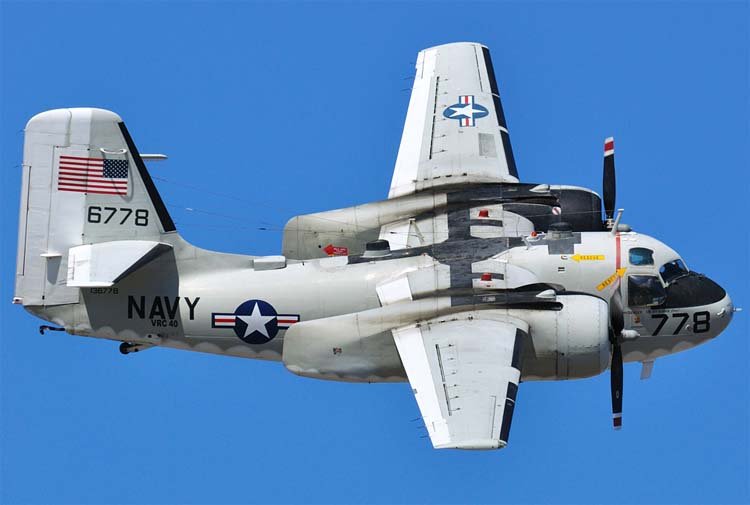 C-1 |
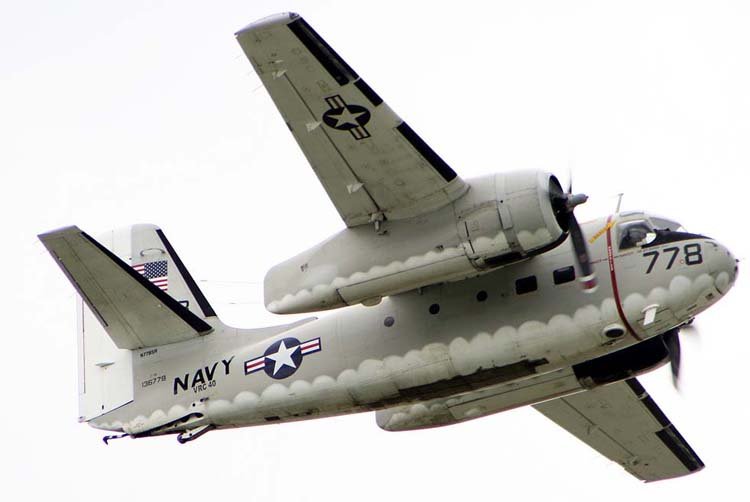 C-1 |
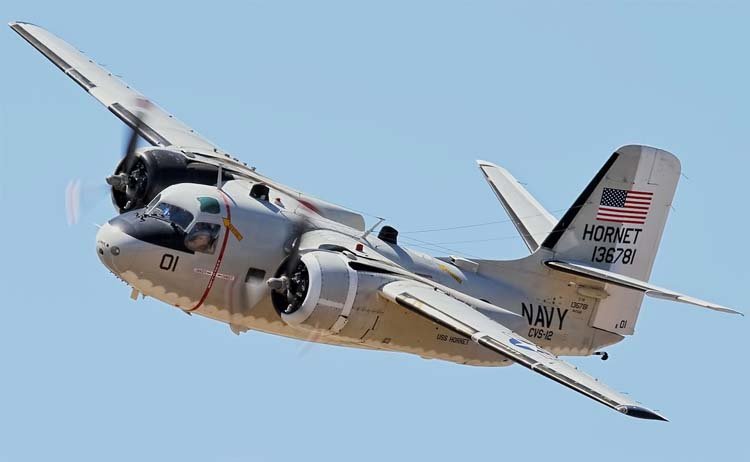 C-1 |
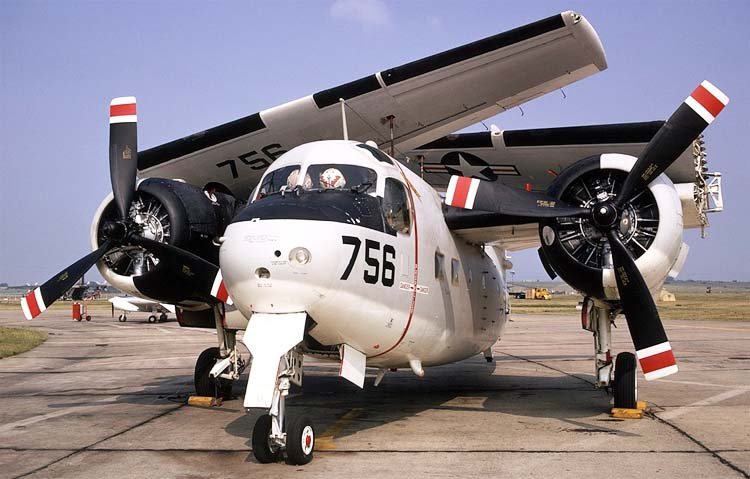 C-1 |
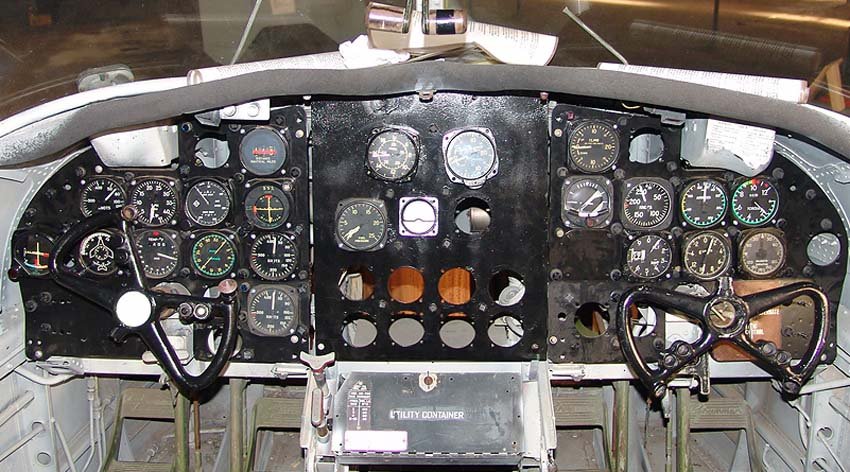 C-1 |
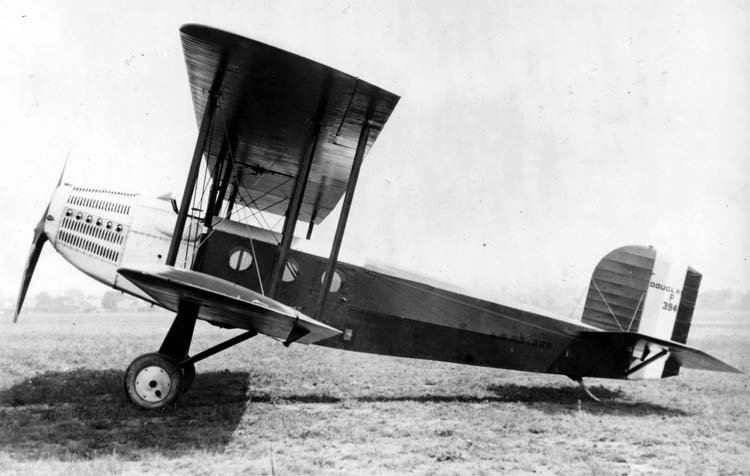 C-1 |
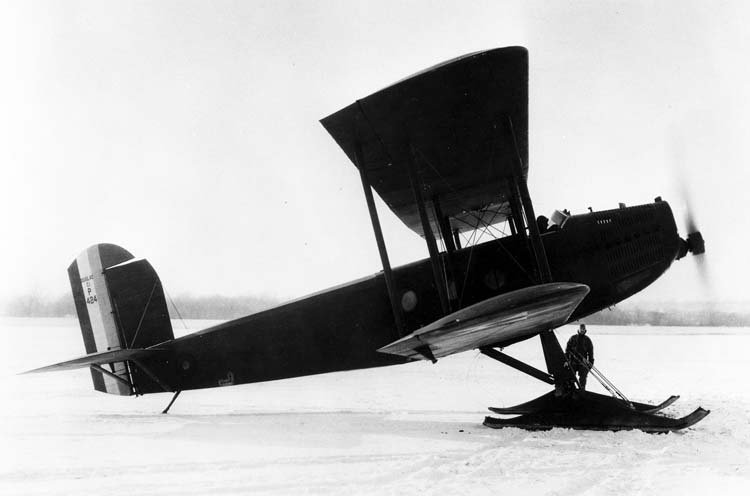 C-1 |
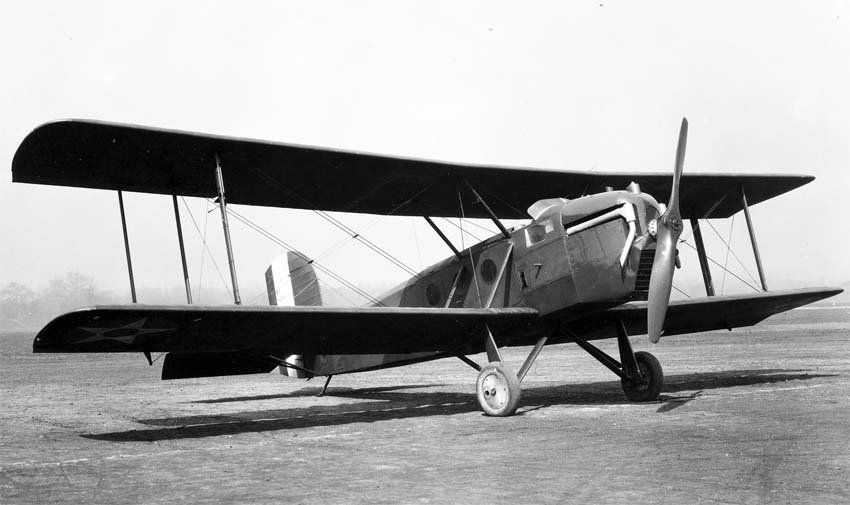 C-1 |
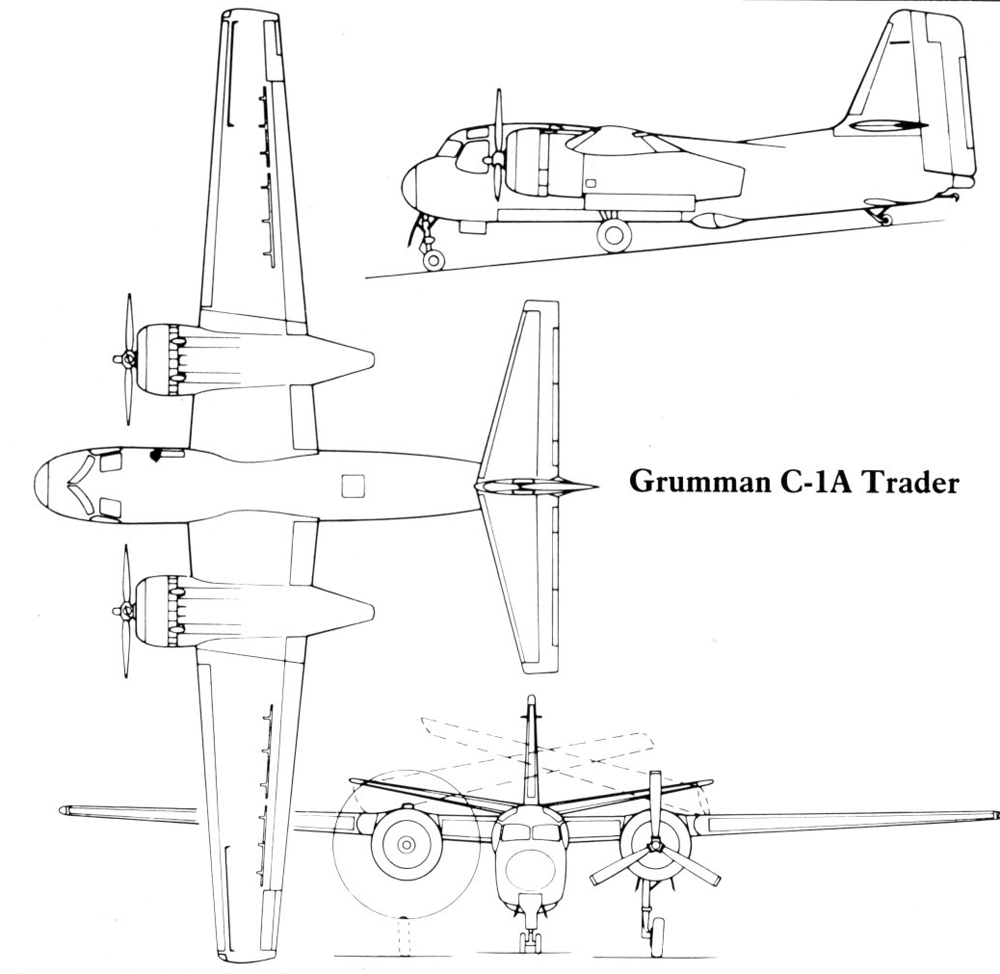 C-1 |