
Origins of Cantieri Aeronautici Bergamaschi
The Italian aircraft manufacturing company Cantieri Aeronautici Bergamaschi (CAB) was established in 1927 in Ponte San Pietro, Bergamo province, Italy. The firm’s first project was a trainer aircraft for the Italian Air Force (Regia Aeronautica). Engineer Carlo Maria Calligaris was responsible for the aircraft’s development.
The C-1 and C-2 Models
The first variant of the aircraft, designated CAB C-1, was completed that same year. It was a single-seat, single-strut biplane with V-shaped struts, powered by a French six-cylinder Hispano-Suiza 6Pa engine producing 150 hp. Almost immediately, a similar aircraft, the CAB C-2, was released, differing only in having a cockpit for two pilots.
The flight characteristics of both aircraft were similar; the C-1 achieved a maximum speed of 192 km/h, while the C-2 reached 188 km/h.
Military Trials and Legacy
In the same year, the two aircraft, C-1 (registration number I-AZCA) and C-2 (I-AZCD), underwent military trials but were not approved for series production. The exact number of aircraft built is unknown, but all of them were used in the flight school owned by the CAB company.
In 1931, CAB became a subsidiary of Caproni and changed its name to Caproni-Bergamaschi.
Technical Specifications
| Modification | C-2 |
| Wingspan, m | 9.60 |
| Length, m | 6.92 |
| Height, m | 2.78 |
| Wing area, m2 | 21.20 |
| Empty weight | 727 |
| Normal takeoff weight | 947 |
| Maximum takeoff weight | 985 |
| Engine type | 1 Piston engine Hispano-Suiza 6Pa |
| Power, hp | 1 x 150 |
| Maximum speed, km/h | 188 |
| Cruising speed, km/h | 165 |
| Flight endurance, h.min | 1.30 |
| Crew, crew members | 2 |
Image and diagram gallery of the CAB C-1 and C-2 Trainer Aircraft
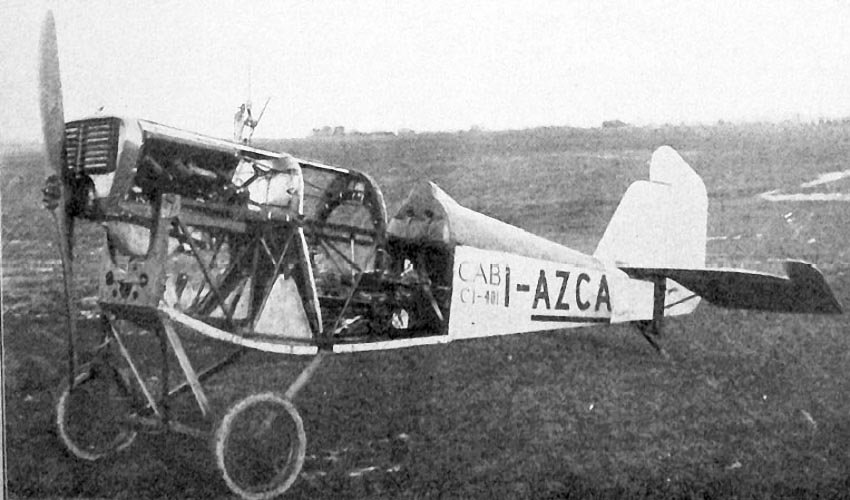 CAB C-1 (C-2) biplane trainer |
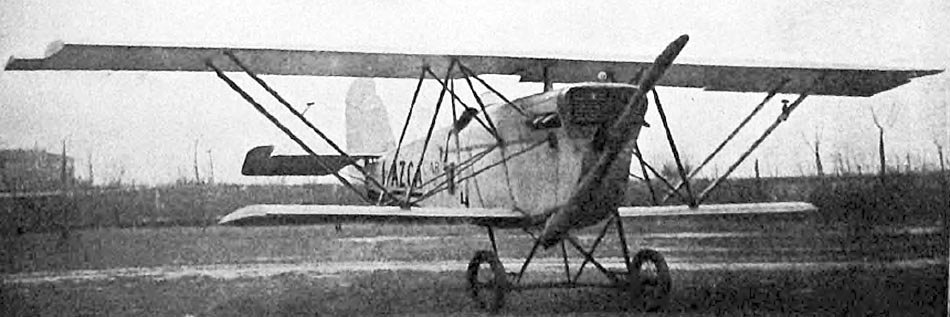 CAB C-1 (C-2) biplane trainer |
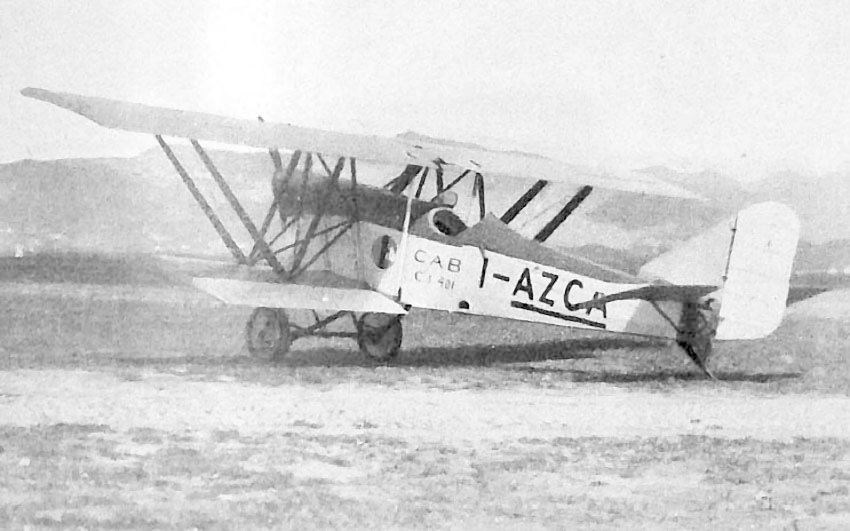 CAB C-1 (C-2) biplane trainer |
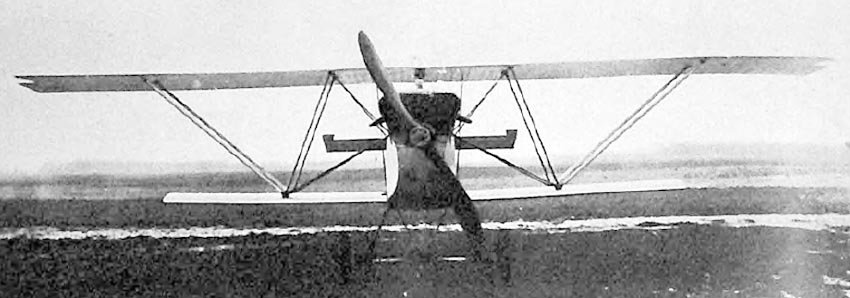 CAB C-1 (C-2) biplane trainer |
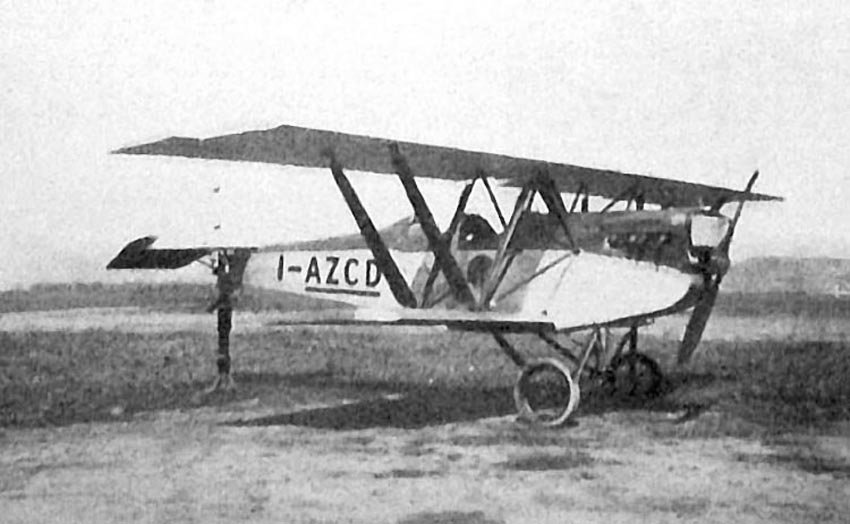 CAB C-1 (C-2) biplane trainer |
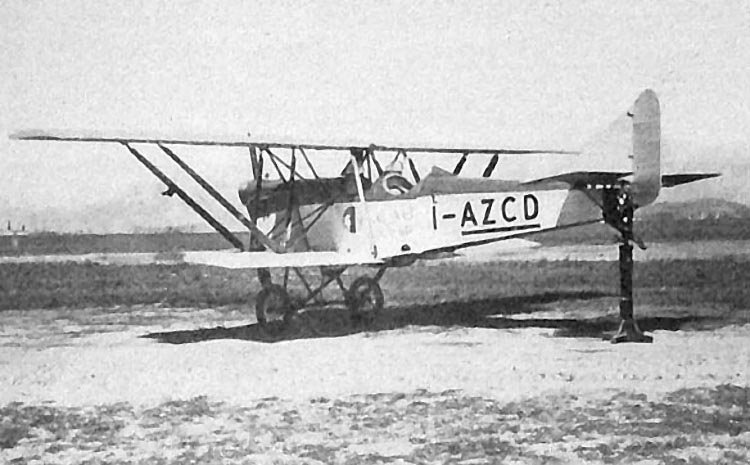 CAB C-1 (C-2) biplane trainer |
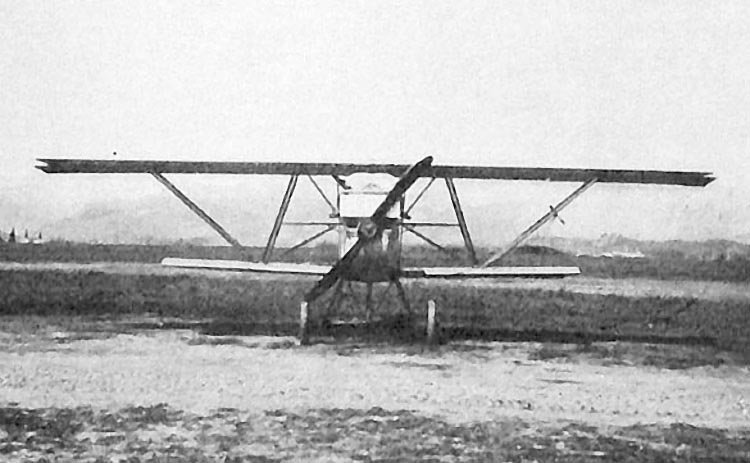 CAB C-1 (C-2) biplane trainer |
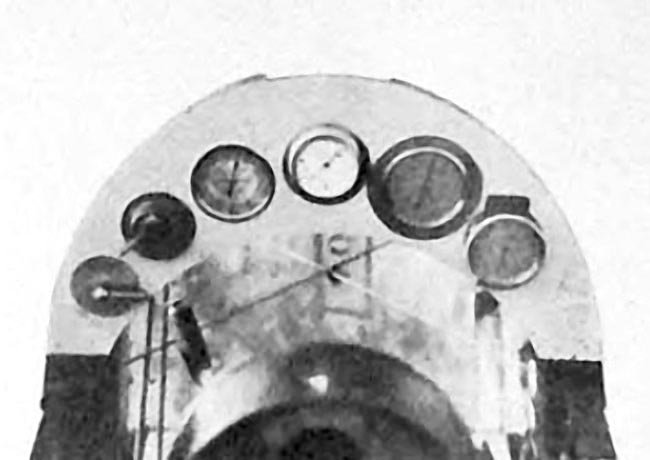 CAB C-1 (C-2) biplane trainer |