
The CAMS 120 patrol flying boat marked the final aircraft produced by Chantiers Aeromaritimes de la Seine (CAMS). Constructed in 1935, this high-wing monoplane featured an innovative all-metal airframe, though its wings were fabric-covered. It was powered by a 720 hp Hispano-Suiza 9Vbrs engine.
Design and Specifications
As the ultimate creation of CAMS, the 120 incorporated advanced features for its time. Its design as a flying boat emphasized maritime patrol capabilities, powered by a robust Hispano-Suiza engine that provided significant thrust. The combination of metal fuselage and fabric wings was a common construction approach for the era, balancing durability with weight.
Testing and Fate
Following its trials at the Sant-Raphael center, the CAMS 120 unfortunately mirrored the fate of its predecessor, the CAMS 110. Military authorities expressed no enthusiasm for the aircraft, and its parent company, Potez, had no operational need for it. Consequently, all CAMS personnel were redirected to the collaborative Potez-CAMS 141 project, sealing the 120’s short-lived existence.
Technical Specifications
| Modification | CAMS 120 |
| Wingspan, m | 17.30 |
| Length, m | 11.60 |
| Height, m | 3.73 |
| Wing area, m2 | 36.00 |
| Empty weight | 1820 |
| Maximum takeoff weight | 3300 |
| Engine type | 1 Piston engine Hispano-Suiza 9Vbrs |
| Power, hp | 1 x 720 |
| Maximum speed, km/h | 220 |
| Cruising speed, km/h | 195 |
| Practical range, km | 2700 |
| Practical ceiling, m | 6800 |
| Crew | 3 crew |
Image and diagram gallery of the CAMS 120
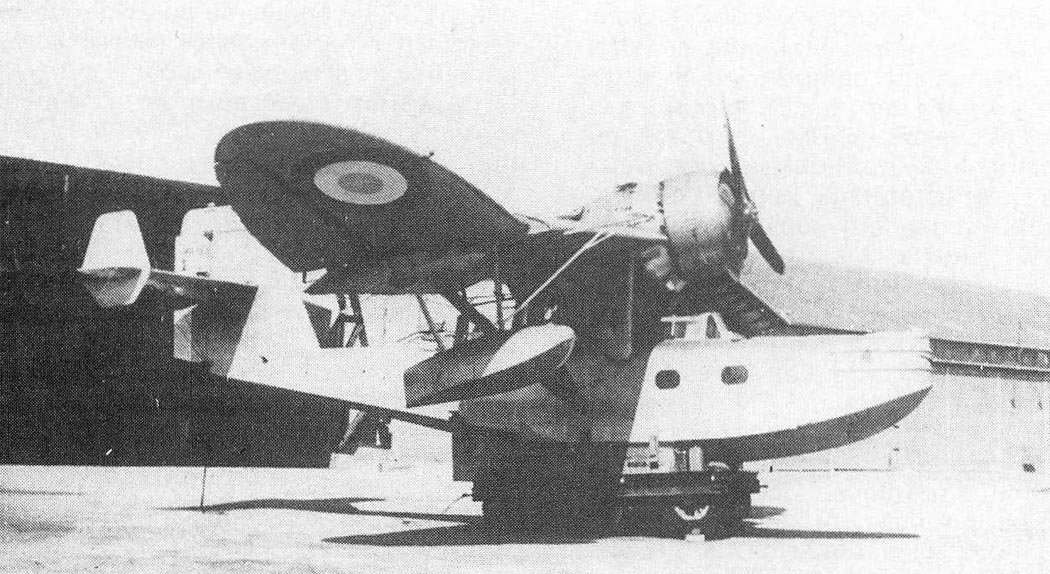 CAMS 120 |