
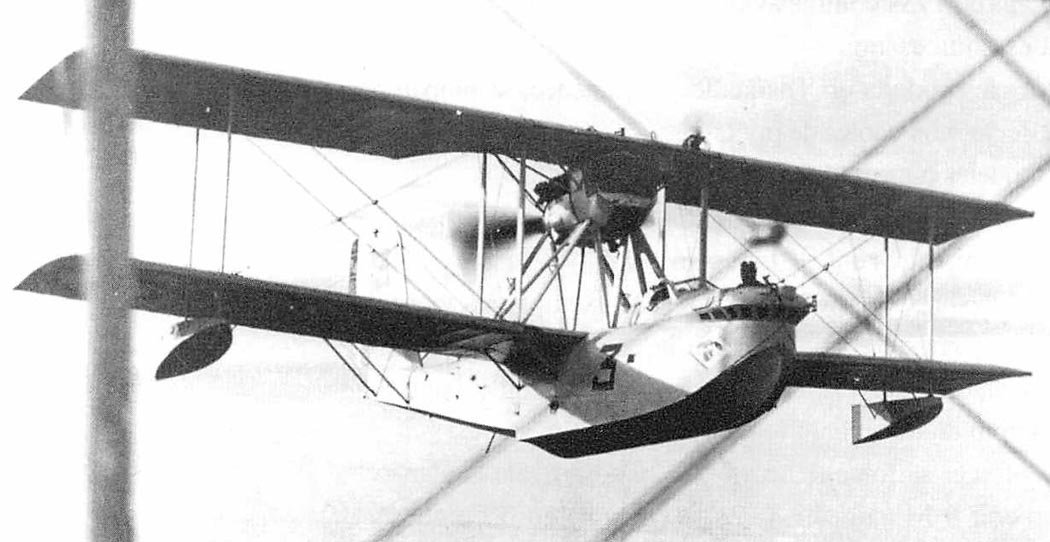
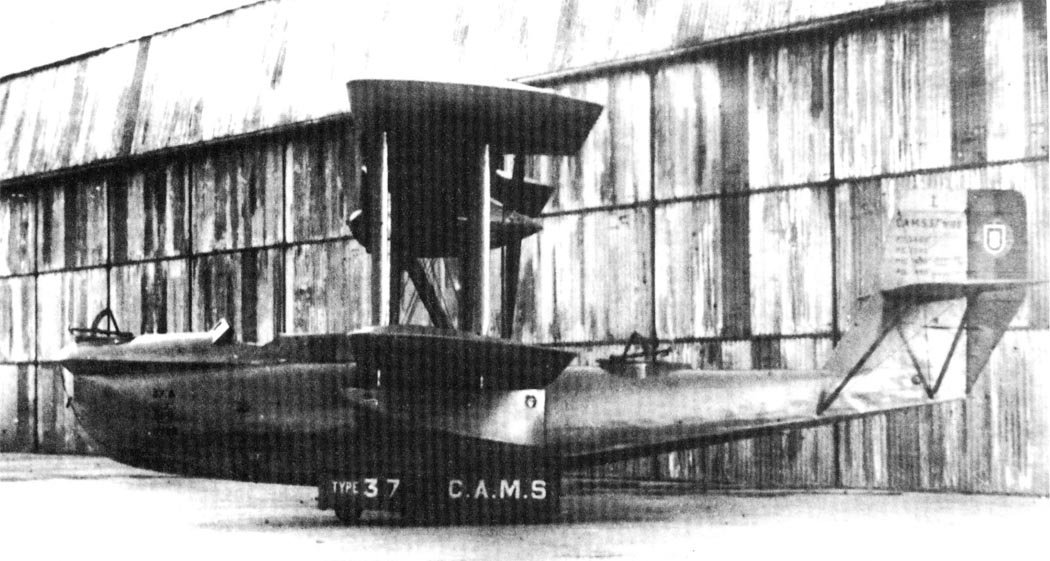
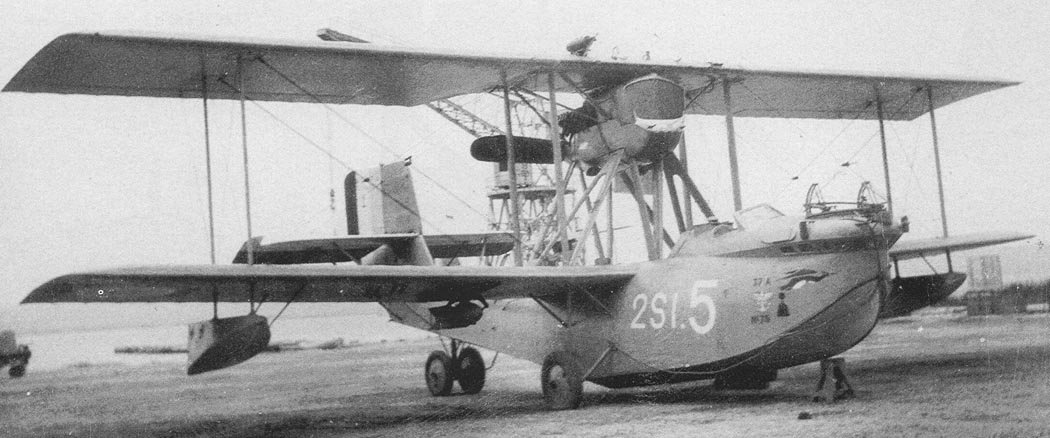
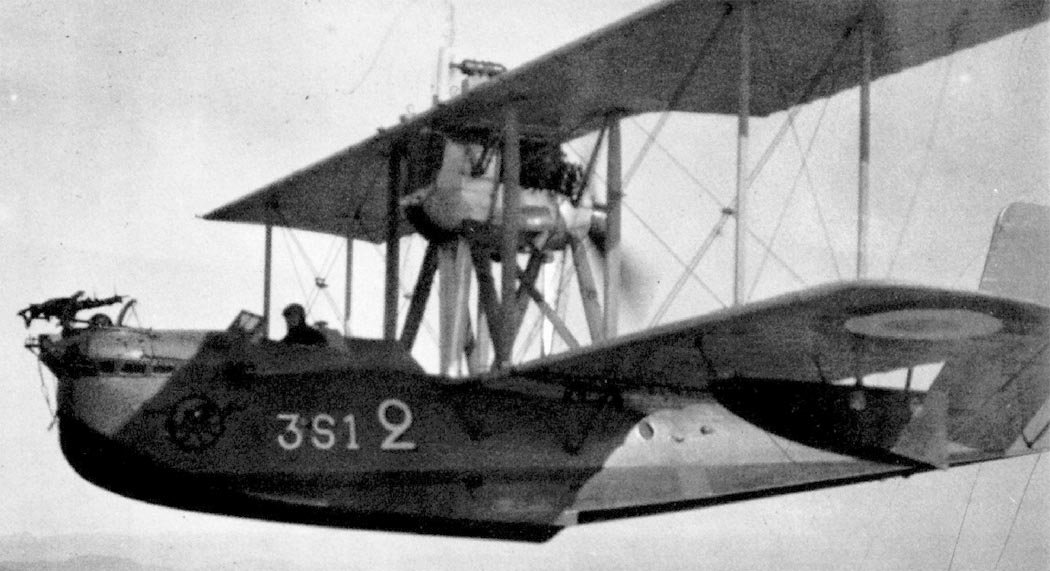
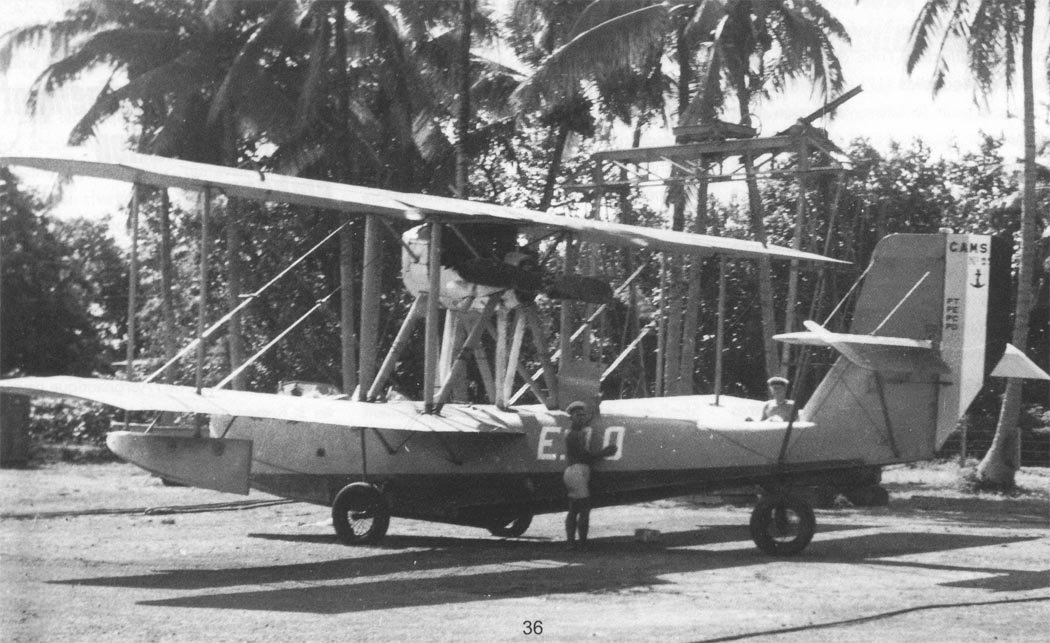
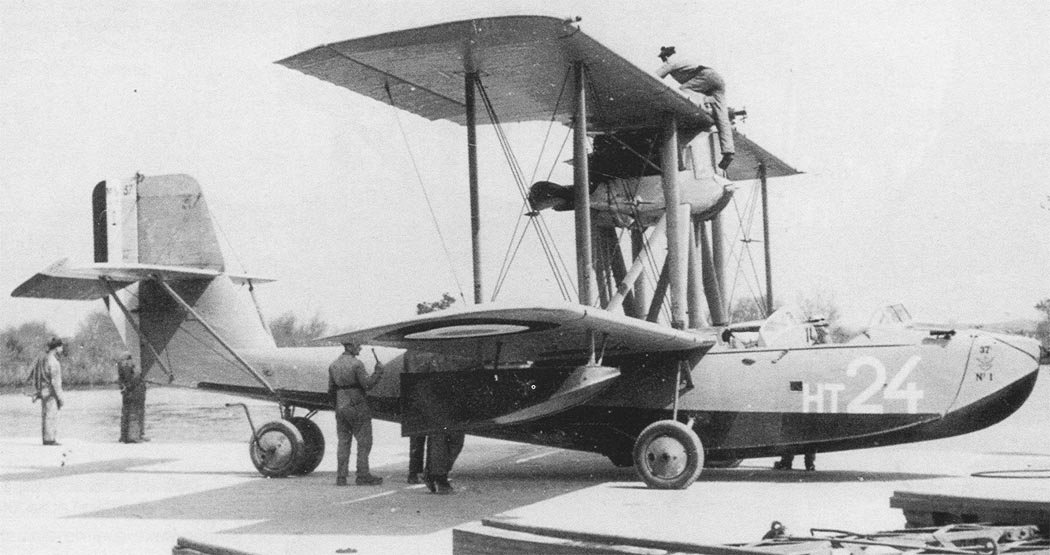
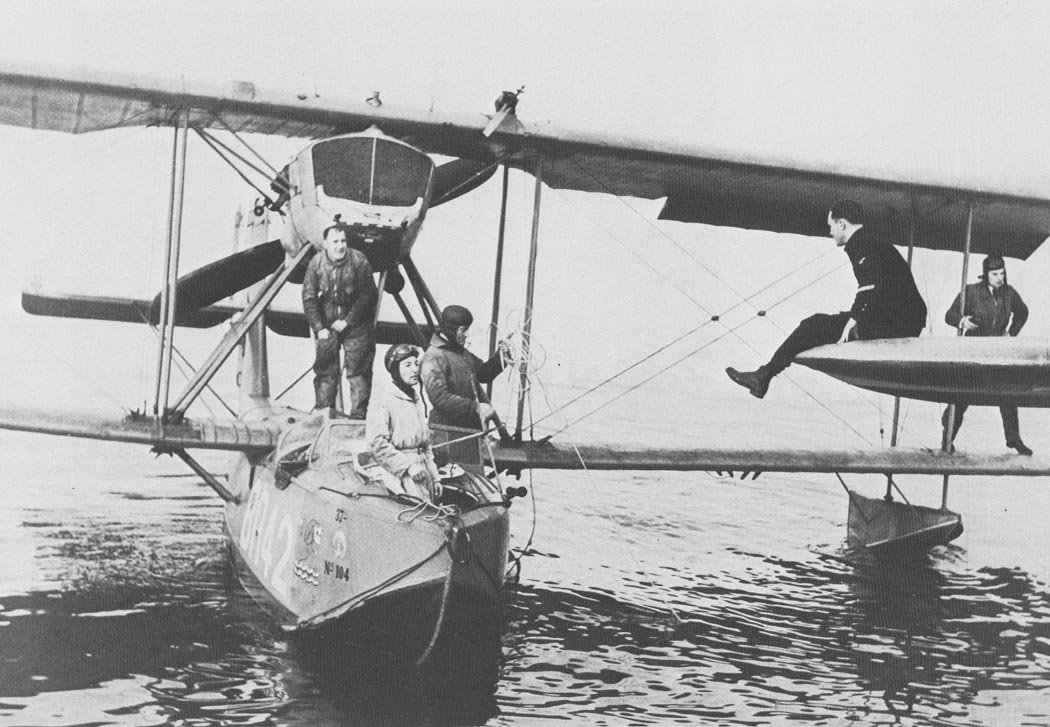
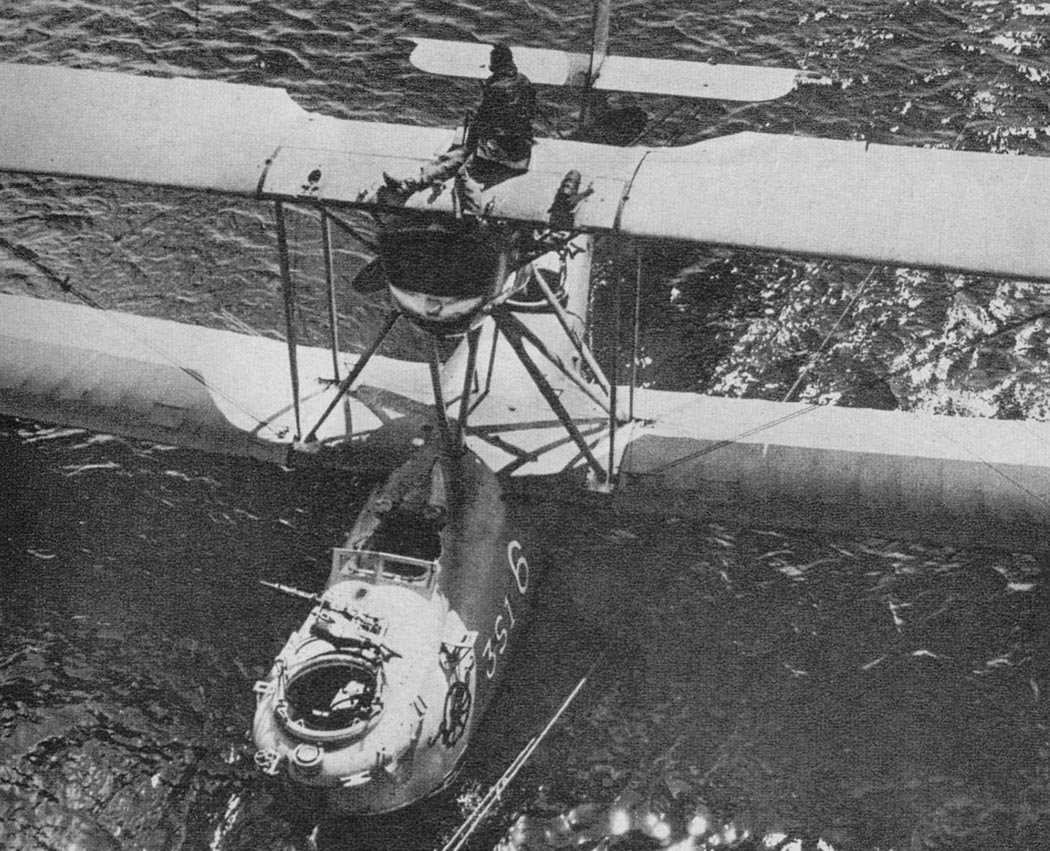
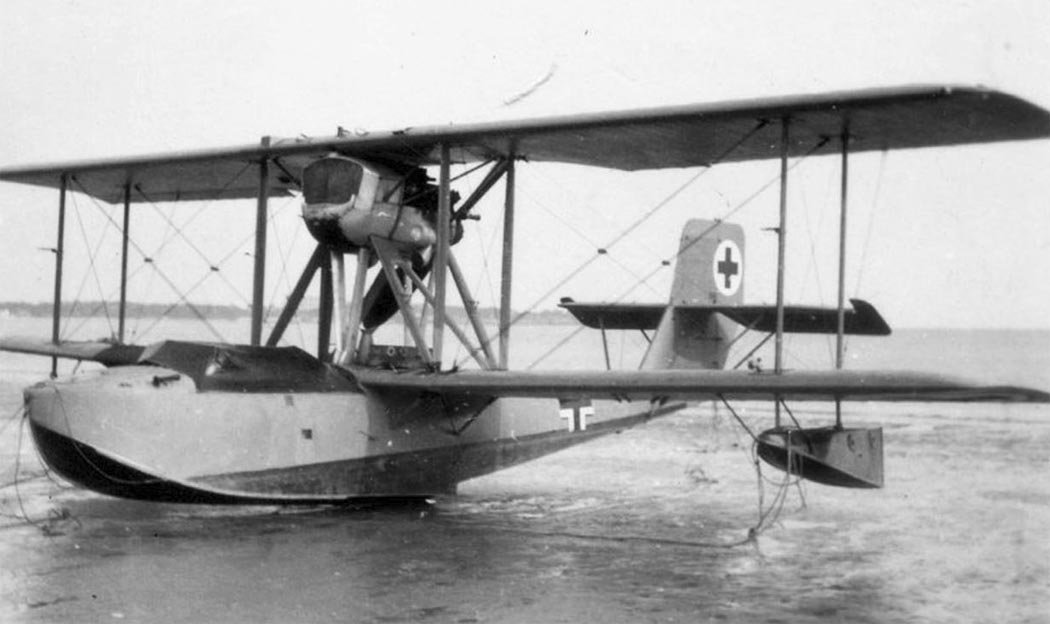
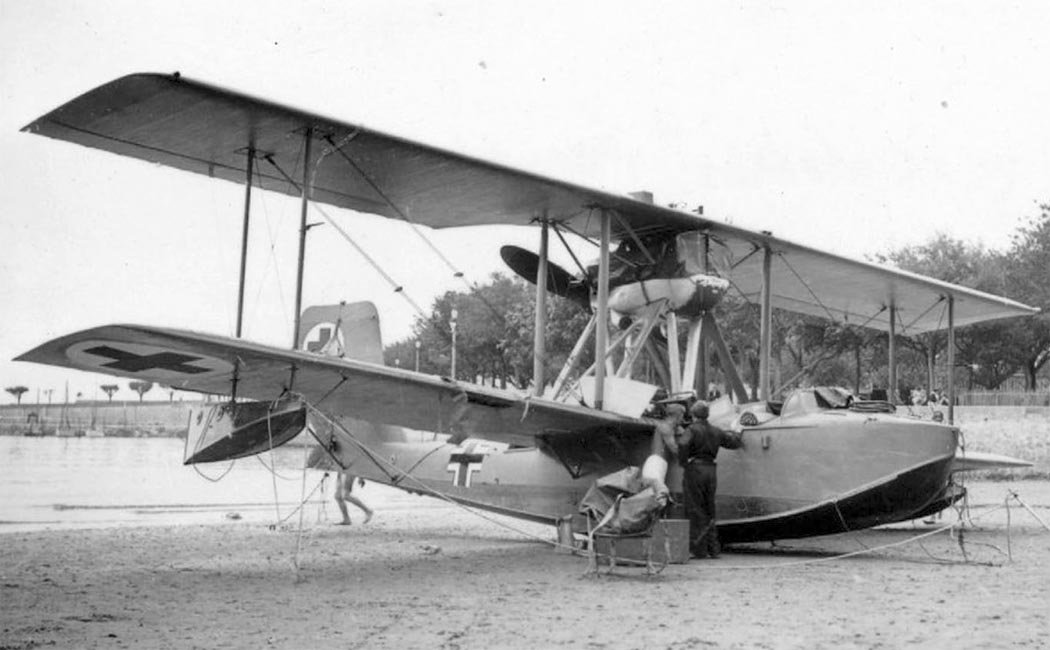
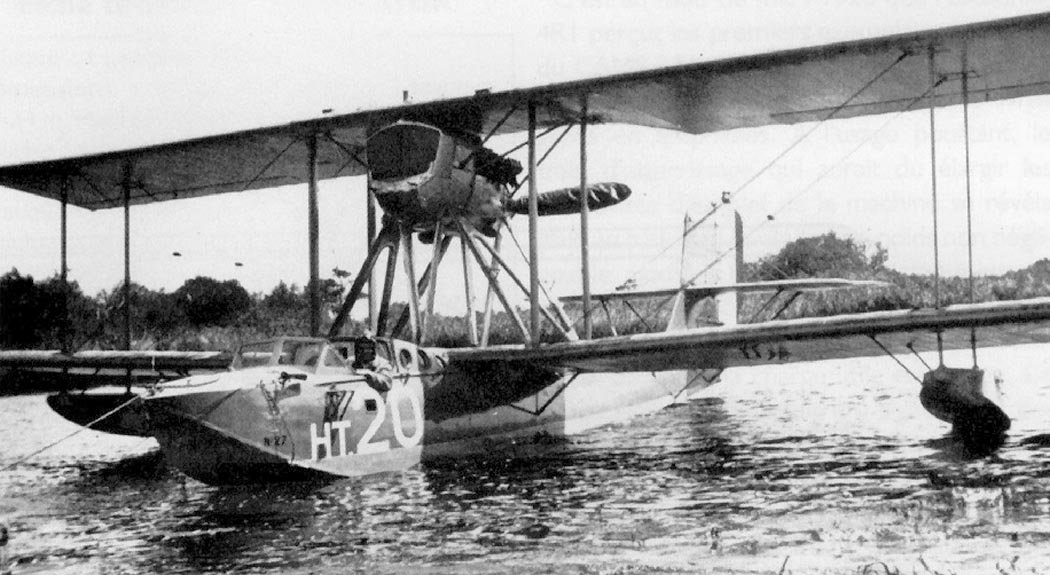
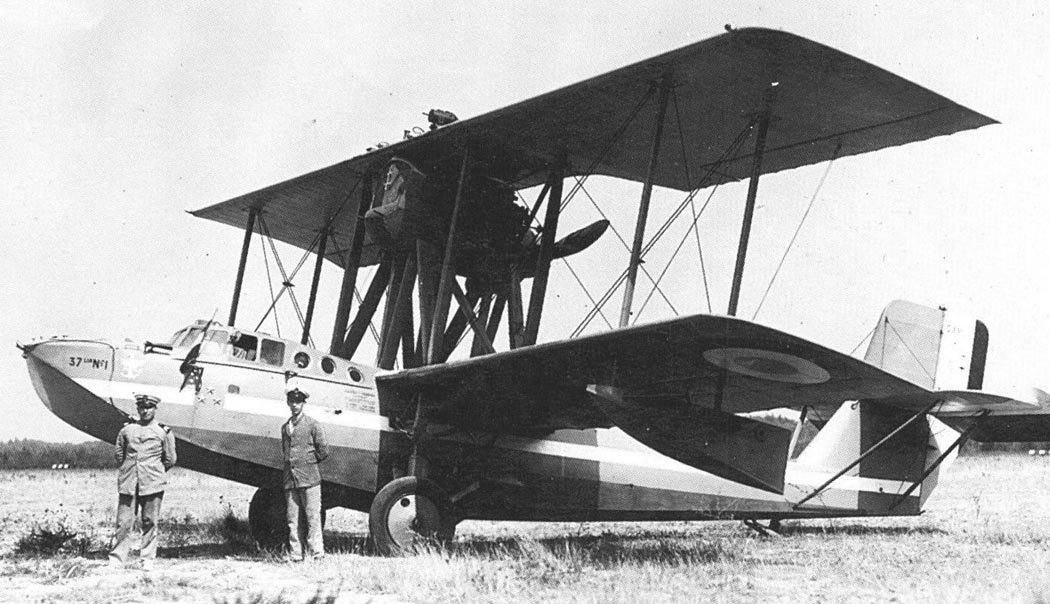
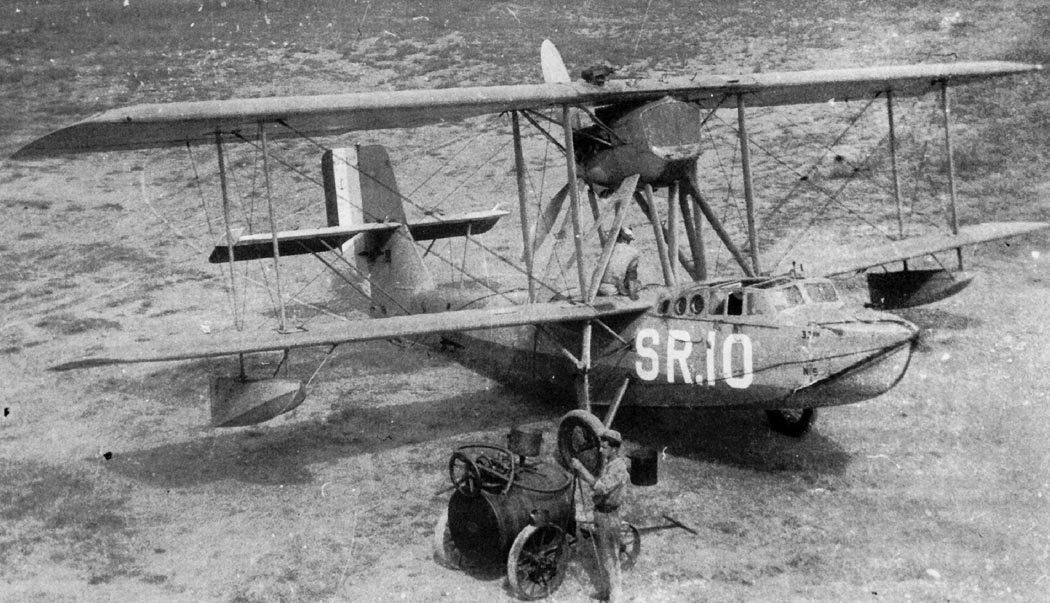
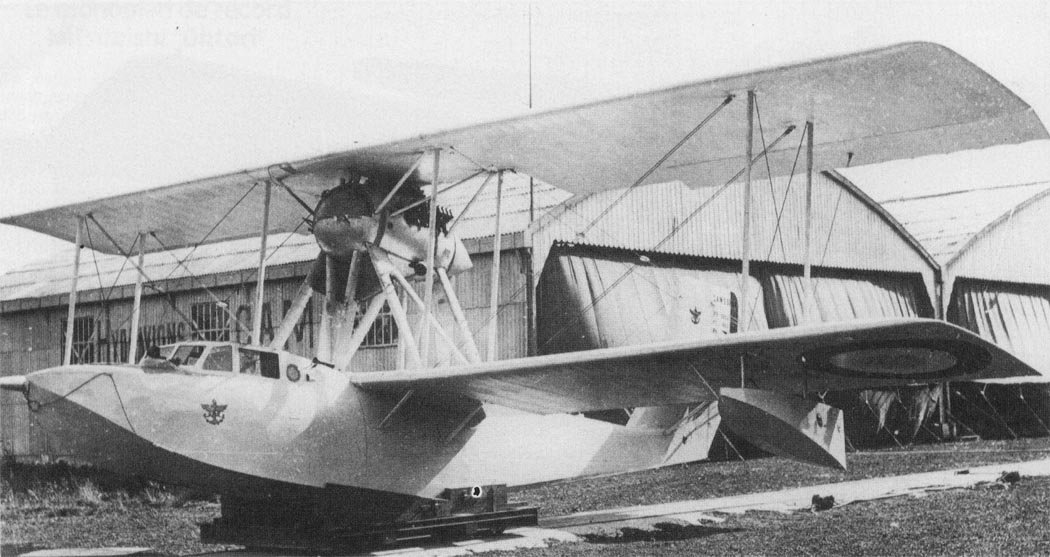
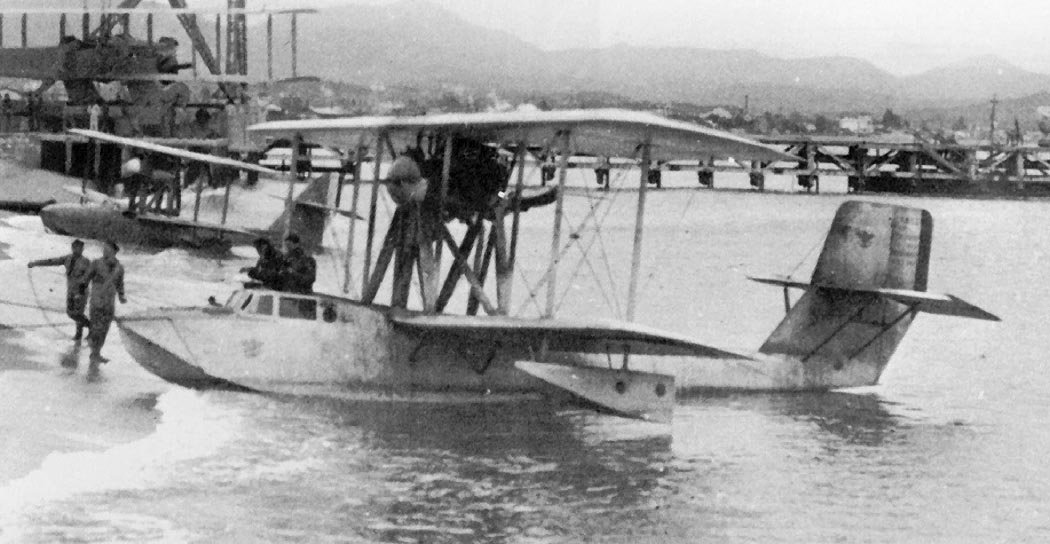
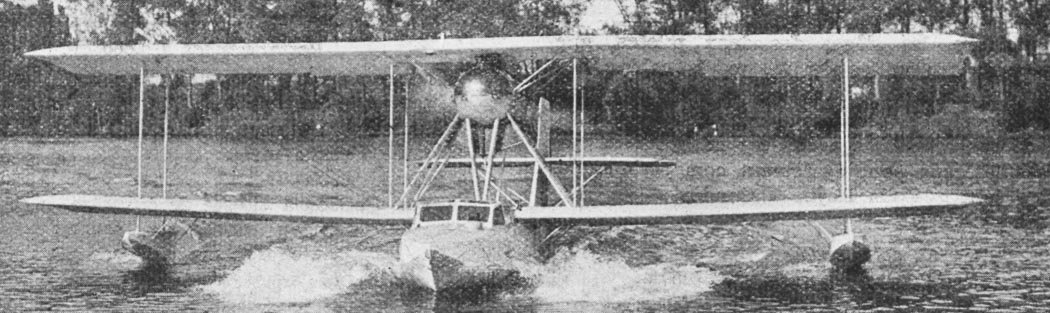
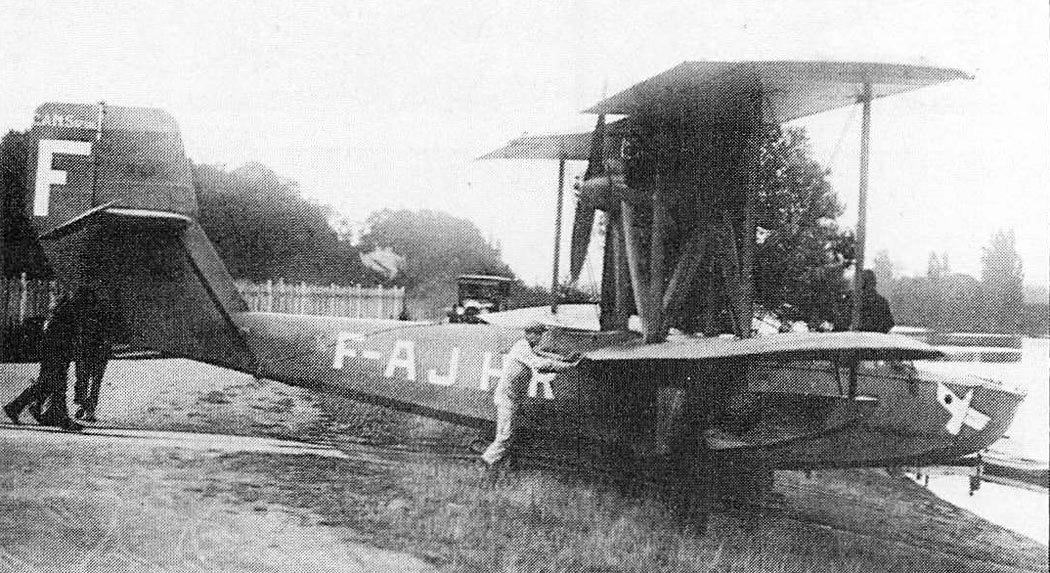
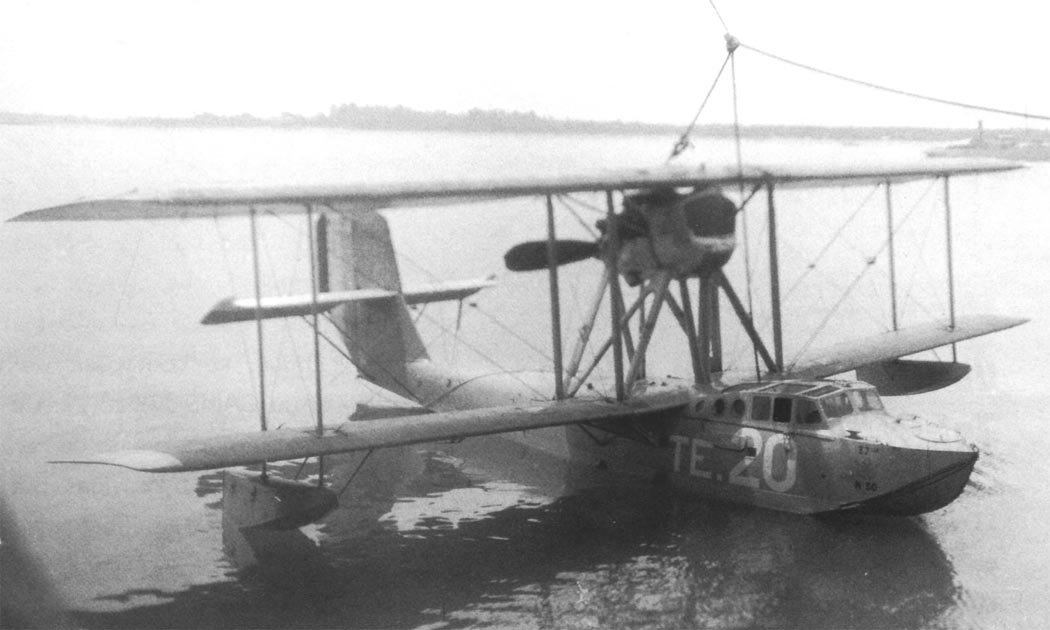
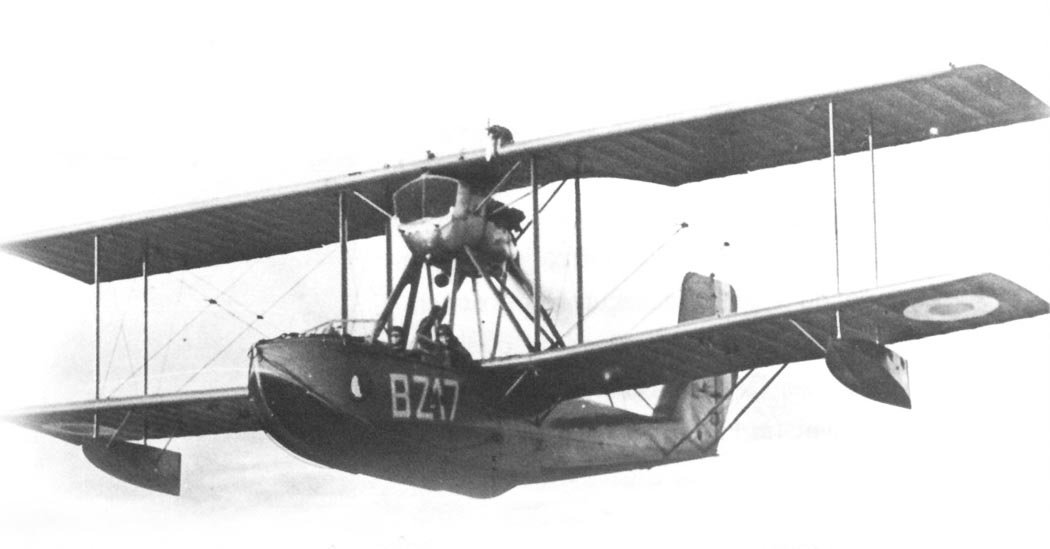
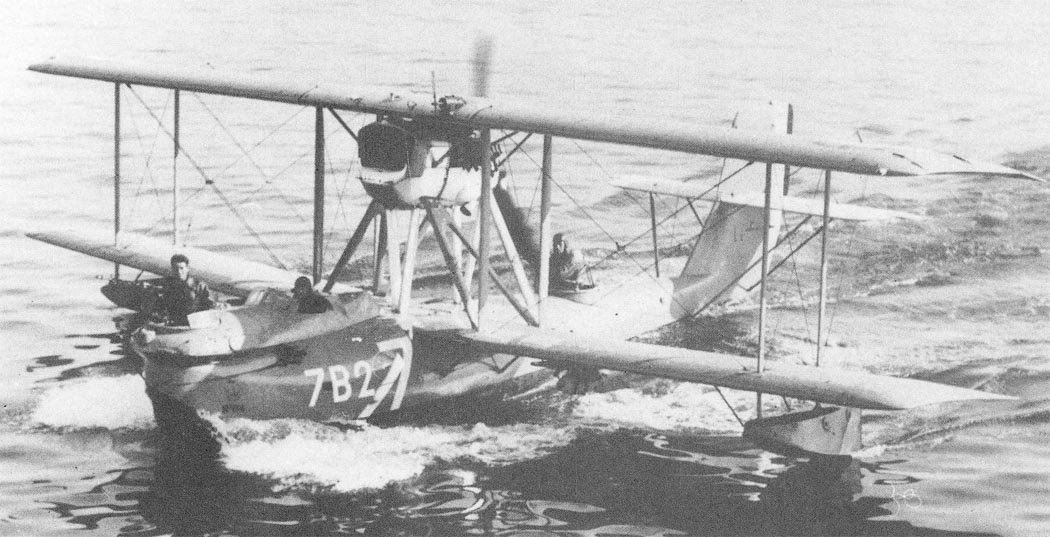
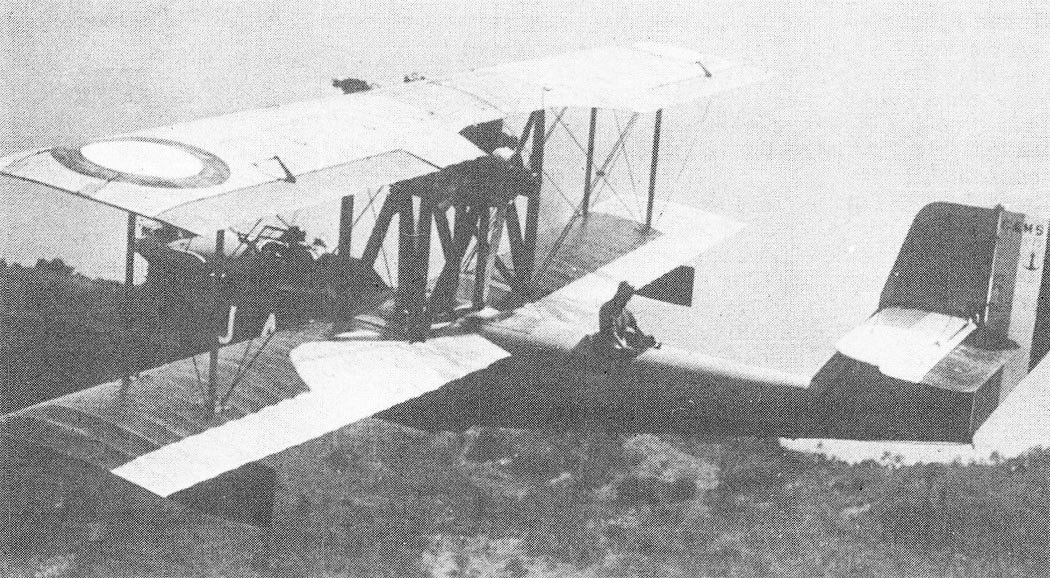
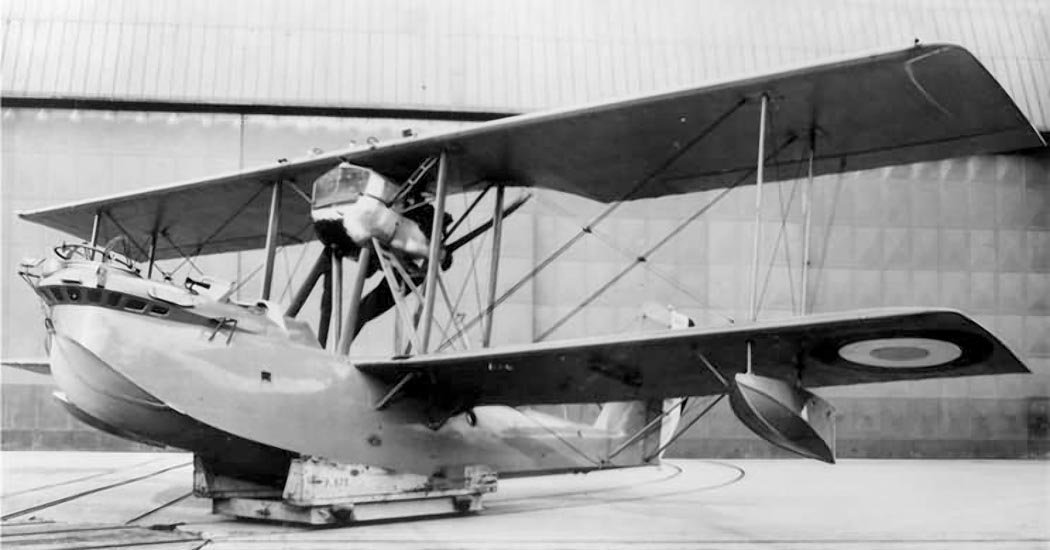
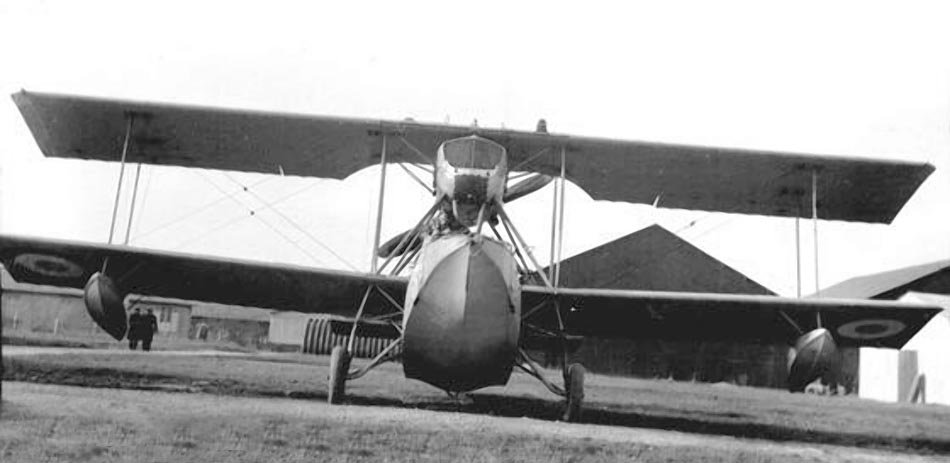
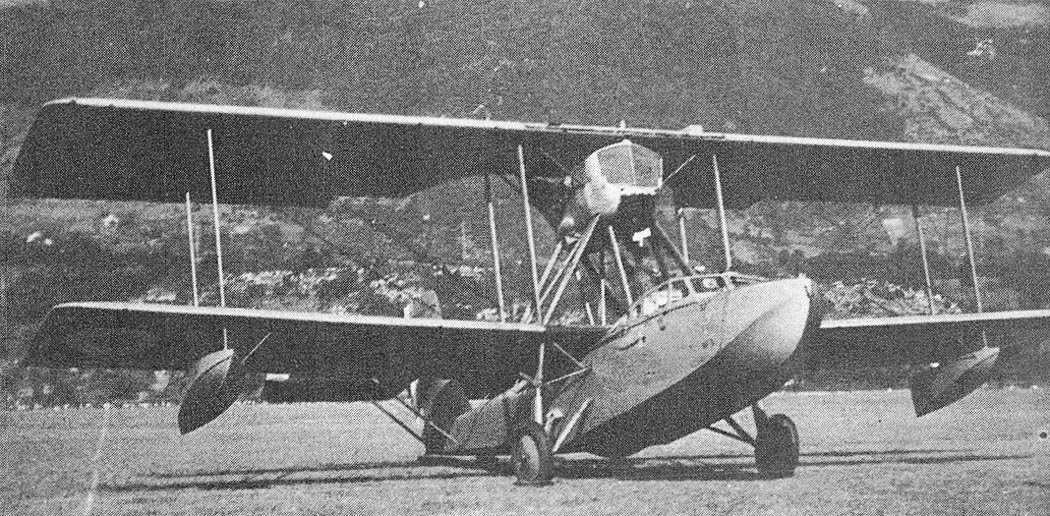
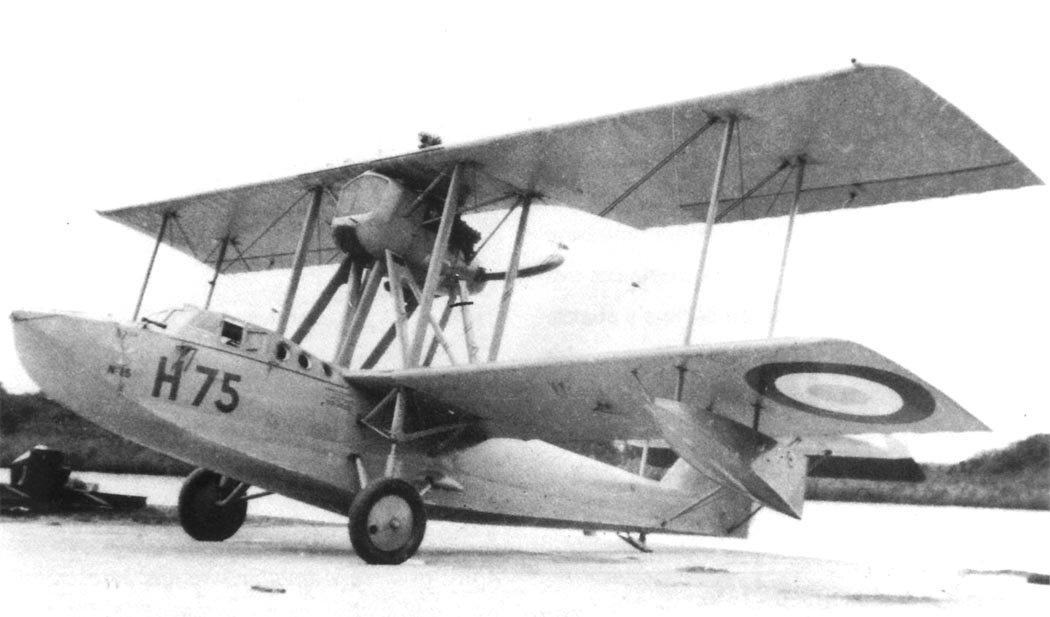
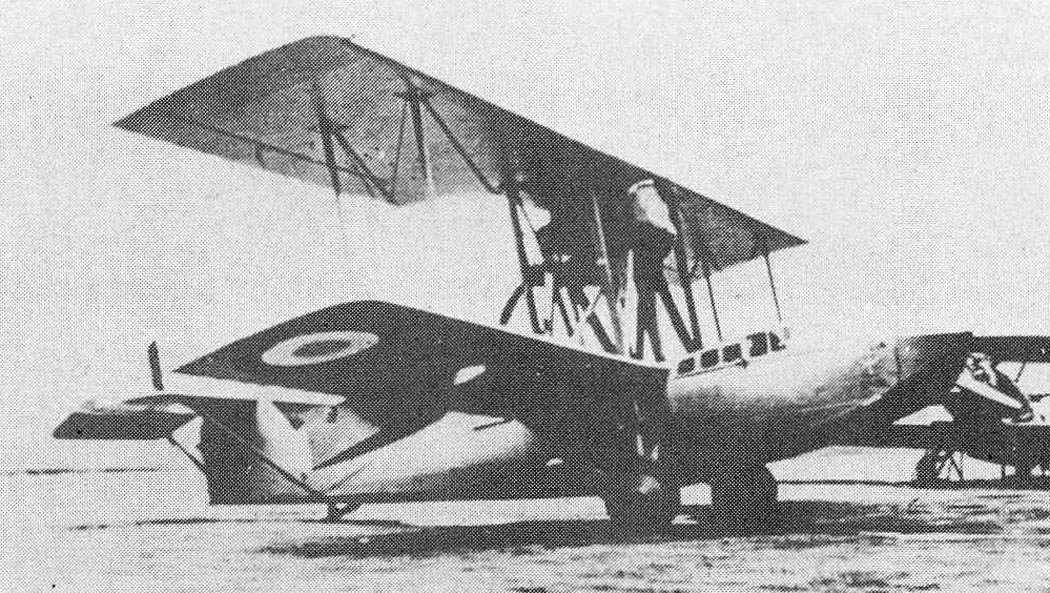
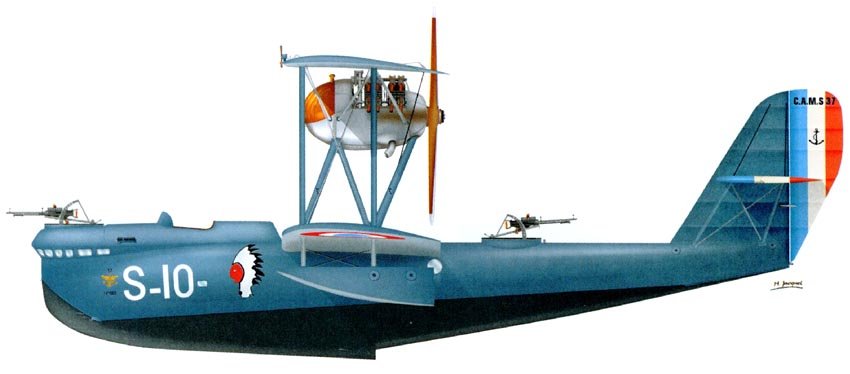
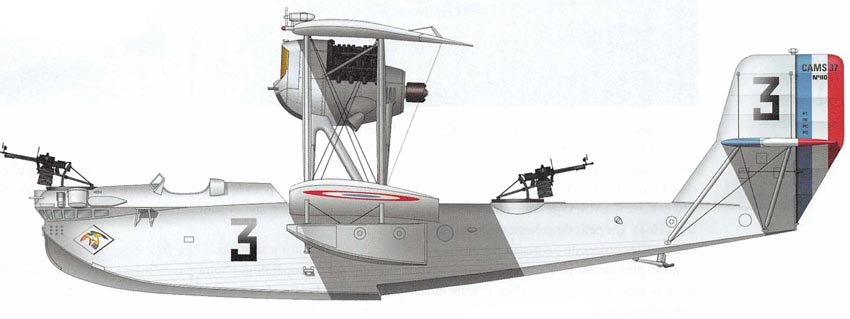
Among the many types of obsolete seaplanes that continued service in French naval aviation at the beginning of World War II, the CAMS.37 was the oldest, designed in 1925 by Maurice Hurel of “Chantiers Aéro-Maritimes de la Seine” (CAMS). Intended for operation from coastal bases and ships, the CAMS.37 was a biplane flying boat of entirely wooden construction. Its 400 hp Lorraine 12 Db 12-cylinder V-liquid-cooled engine was equipped with a pusher propeller and secured by a system of struts and wires in the middle of the biplane box.
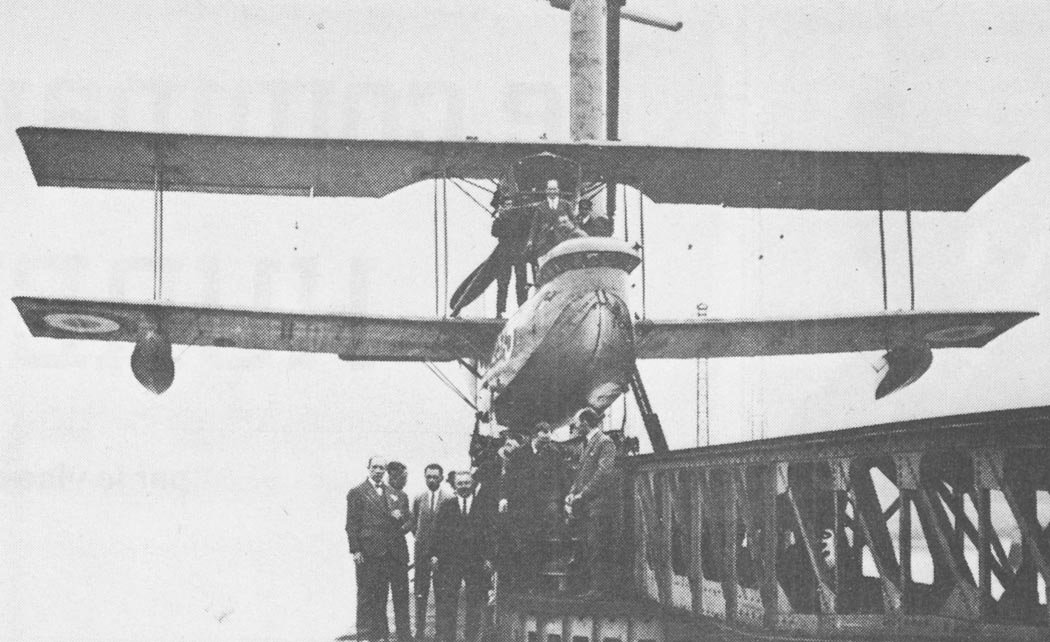
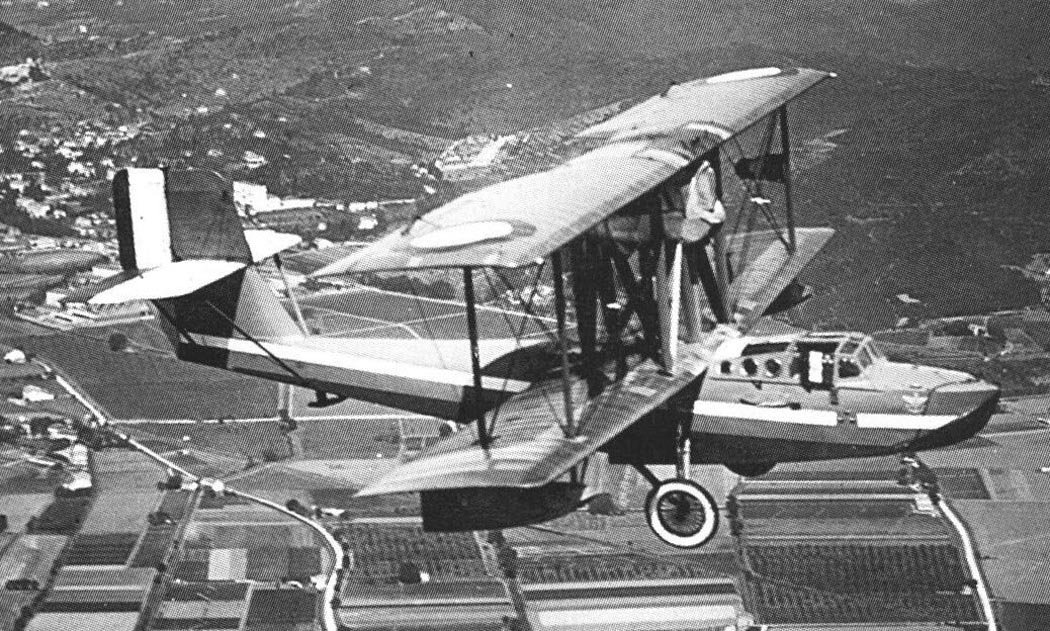
The prototype aircraft first flew in Sartrouville in 1926 and was designated CAMS.37 R3b, meaning “three-seat ship reconnaissance.” The second example featured a four-bladed propeller instead of the original two-bladed one, a 450 hp Lorraine 12Eb 12-cylinder W-engine, a redesigned vertical tail, and amphibious landing gear. This variant, named CAMS.37A, was launched into serial production for the French Navy by late 1926, with a contract for 15 amphibious CAMS.37A units. Soon after, the Portuguese government ordered seven similar machines, but with 450 hp Hispano-Suiza 50 (12Gb) engines.
Variants and Operational Evolution
Several modifications of the basic design quickly emerged, for which the company also received orders. The first was the CAMS.37C, featuring a Lorraine 12Eb engine and an enclosed four-person cabin. One of these aircraft was converted into the CAMS.37GR (“Grand Raid”), which completed a 22,620 km flight around Africa with a crew of French naval aviators between October 12, 1926, and March 9, 1927. The CAMS.37GR later served as a liaison aircraft at the naval air base in Saint-Raphaël.
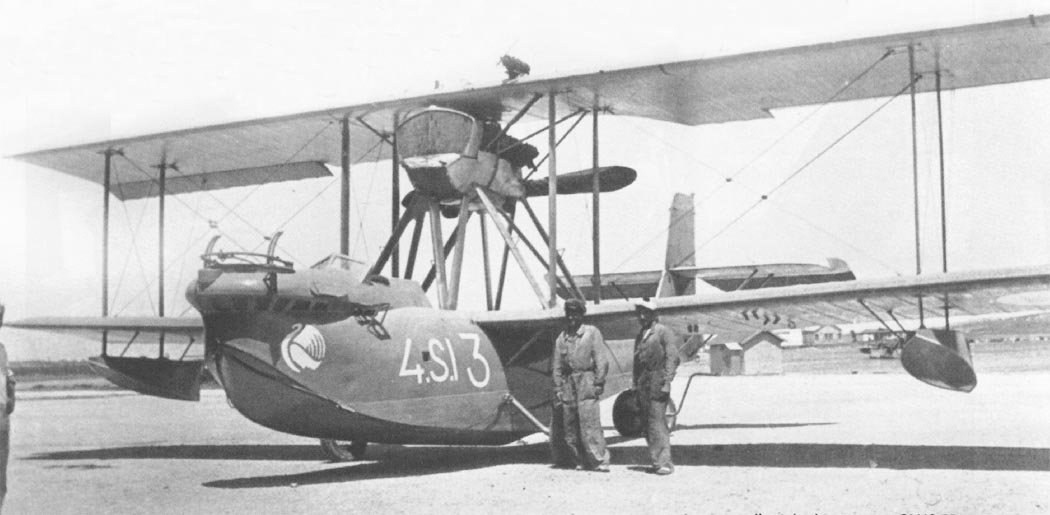
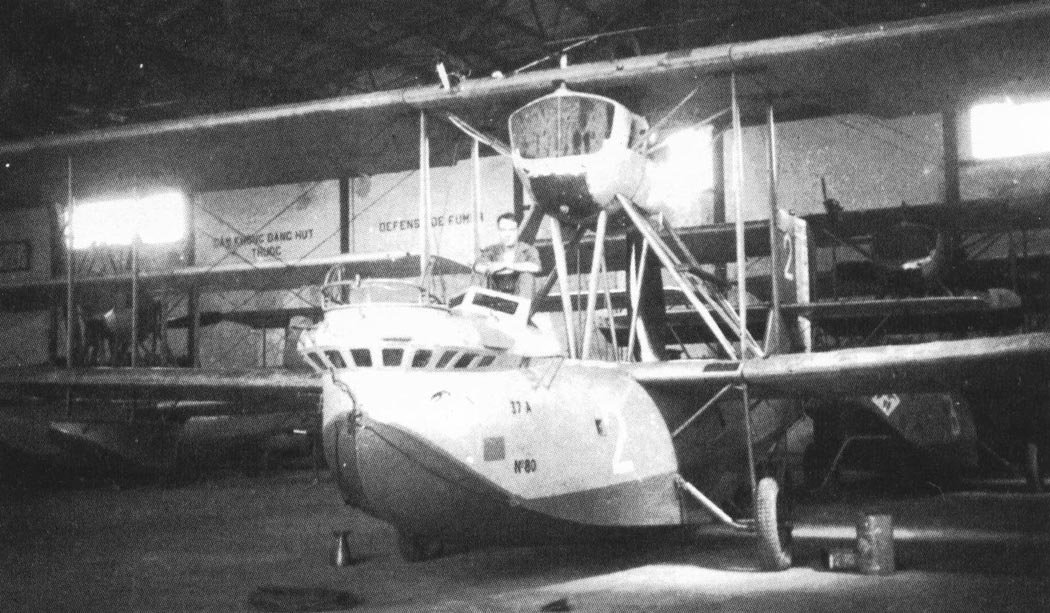
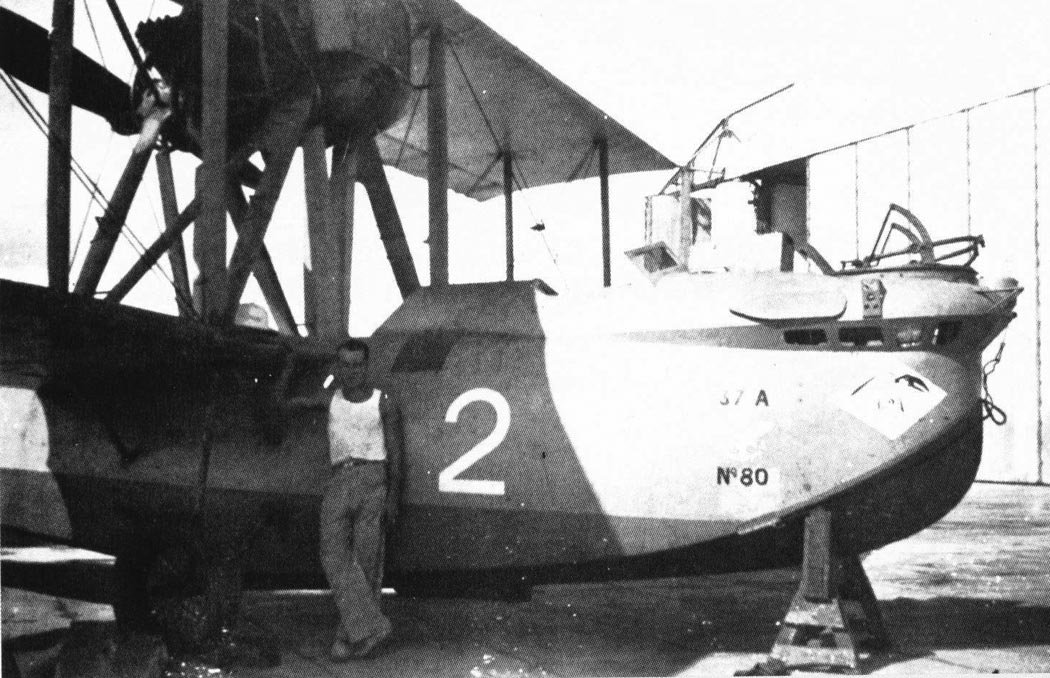
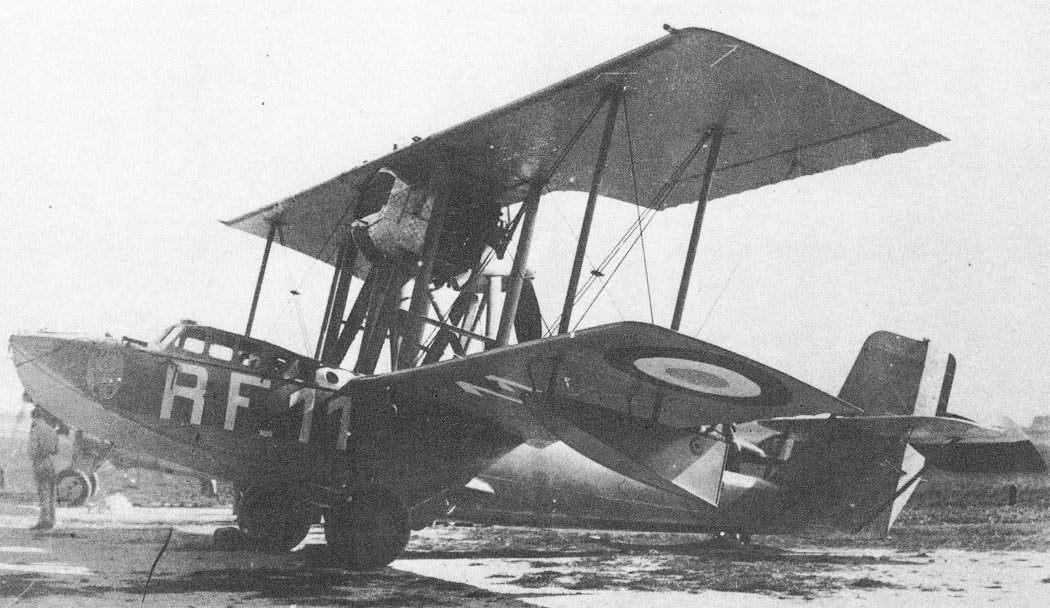
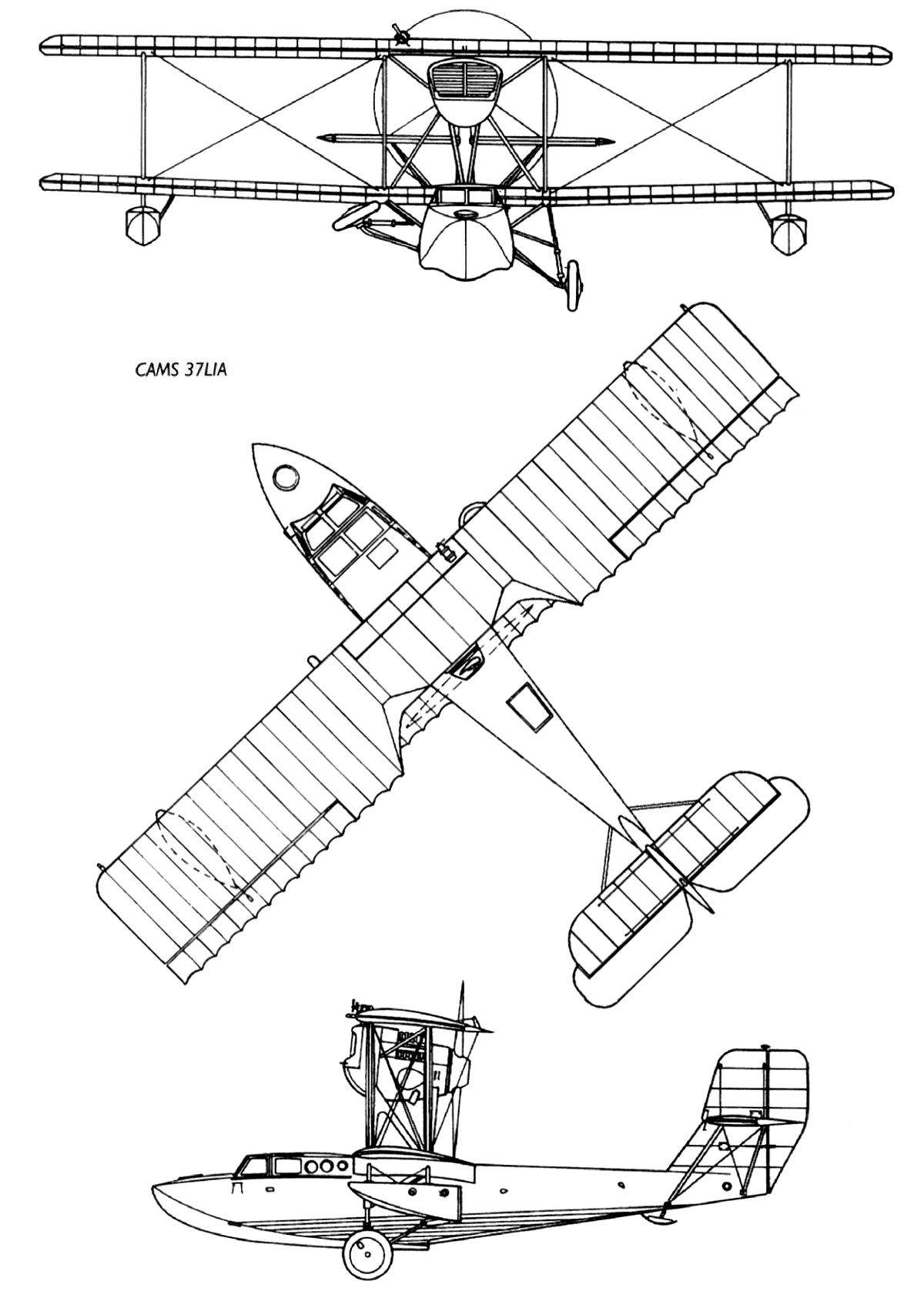
The experimental CAMS.37A was transferred in October 1928 to squadron 4S1 in Karouba as a training aircraft and target tug. The first French Navy air units to operate the CAMS.37A were squadrons 2S1, 3S1, and 4S1. These aircraft were based on the cruiser “Tourville” and the battleship “Edgar Quinet” from 1929 and 1930, respectively, though the latter ship transferred its flying boat to the aircraft carrier “Béarn” on August 2, 1930. On November 1, an Indochinese squadron was formed in Cat-Lai, including one CAMS.37Lia (a military liaison variant of the civil CAMS.37C, later renamed CAMS.37.6) and several CAMS.37.2. The latter modification was a flying boat identical to the CAMS.37A except for the wheeled landing gear. This unit was later transferred to the Air Force as Indochinese Squadron No. 5.
Service During World War II
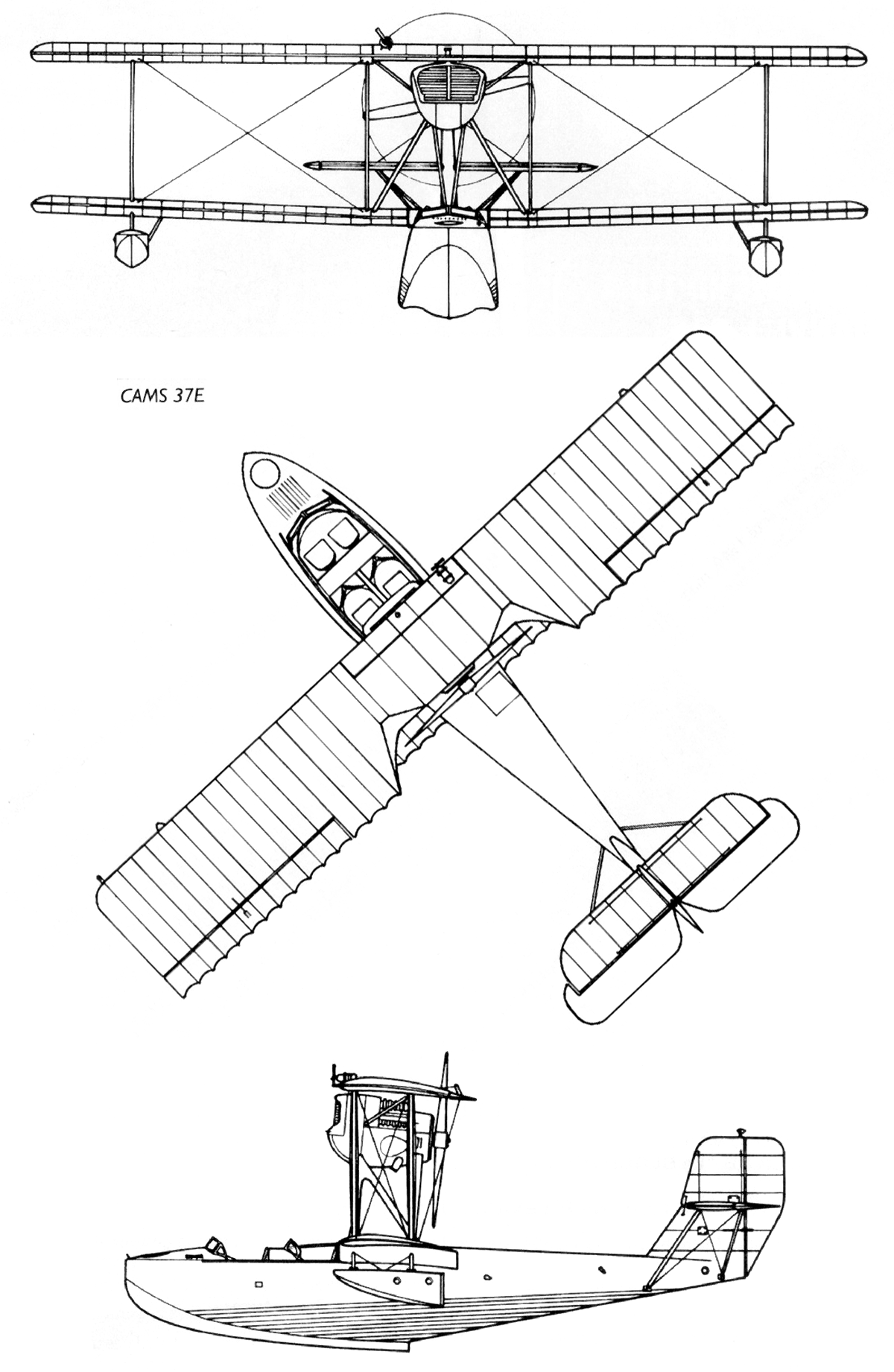
By May 1934, squadron 4S1 had transitioned to larger CAMS.55.2 flying boats, but CAMS.37 production continued in Saint-Denis. New modifications included the CAMS.37.2 (three-seat reconnaissance flying boat), CAMS.37.6 (four-seat liaison amphibian), CAMS.37.9 (four-seat transport amphibian, four built), and CAMS.37.11 (sometimes called 37E) (a trainer without wheeled landing gear). All variants shared the same engine and construction, except for the CAMS.37.9, which had an all-metal hull with two steps instead of one. Unproduced experimental variants included the CAMS.37.3 (reinforced hull reconnaissance amphibian), CAMS.37.7 (hydraulically retractable wheel liaison amphibian), CAMS.37.12 (civil aviation amphibian), and CAMS.37.13 (medical aircraft with a metal fuselage).
By 1935, in addition to squadrons 2S1 and 3S1, auxiliary and training units were equipped with CAMS.37 flying boats and amphibians. One CAMS.37.6 was based on the aircraft carrier “Béarn,” and two CAMS.37A on the training cruiser “Jeanne d’Arc.” The Hourtin flight school had 15 CAMS.37.11 trainers. However, by the summer of 1936, squadron 2S1 transitioned to CAMS.55.10; squadron 3S1 was re-equipped with Gourdou-Leseurre GL.812 floatplanes in 1938; and Indochinese Squadron No. 5 replaced its aircraft with new Lioré et Olivier LeO H.130s in 1939. By the start of World War II, the CAMS.37 had been fully reallocated to training and auxiliary tasks.
During mobilization, two new CAMS.37 squadrons were formed: 2S2 in Rochefort-sur-Mer and 2S4 in Lanvéoc, receiving four and three CAMS.37.11s respectively. Although these were training aircraft, they were used for coastal patrols. Squadron 2S4 was re-equipped with land-based aircraft in early 1940, while 2S2 continued to fly the old flying boats until its disbandment in August 1940. Squadron 8S5, based on Tahiti, had one CAMS.37.11 flying boat when it joined the Free French forces in July 1940, operating until January 15, 1941. Another aircraft of this type was reportedly used by French aviation in Indochina until 1942.
Technical Specifications
| Modification | CAMS 37.2 |
| Wingspan, m | 14.50 |
| Length, m | 11.43 |
| Height, m | 4.20 |
| Wing area, m2 | 59.90 |
| Empty weight | 2170 |
| Maximum takeoff weight | 3000 |
| Engine type | 1 Piston engine Lorraine 12Ed |
| Power, hp | 1 x 450 |
| Maximum speed, km/h | 185 |
| Cruising speed, km/h | 148 |
| Practical range, km | 1200 |
| Service ceiling, m | 3500 |
| Crew | 3 crew |
| Armament | two-four 7.7-mm turret machine guns and 300 kg of bombs |
Image and diagram gallery of the CAMS 37
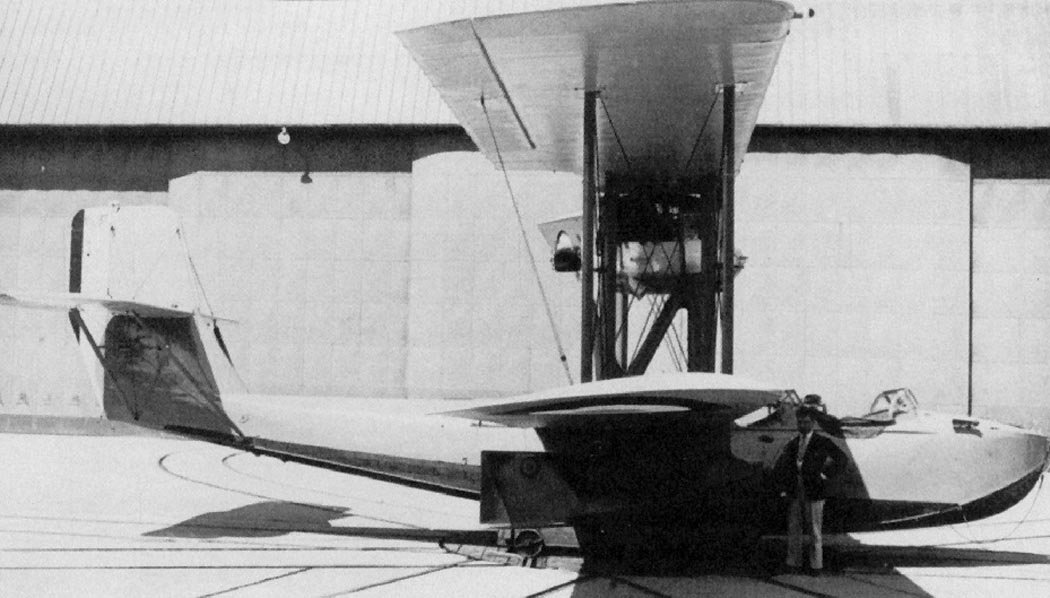 CAMS 37 |
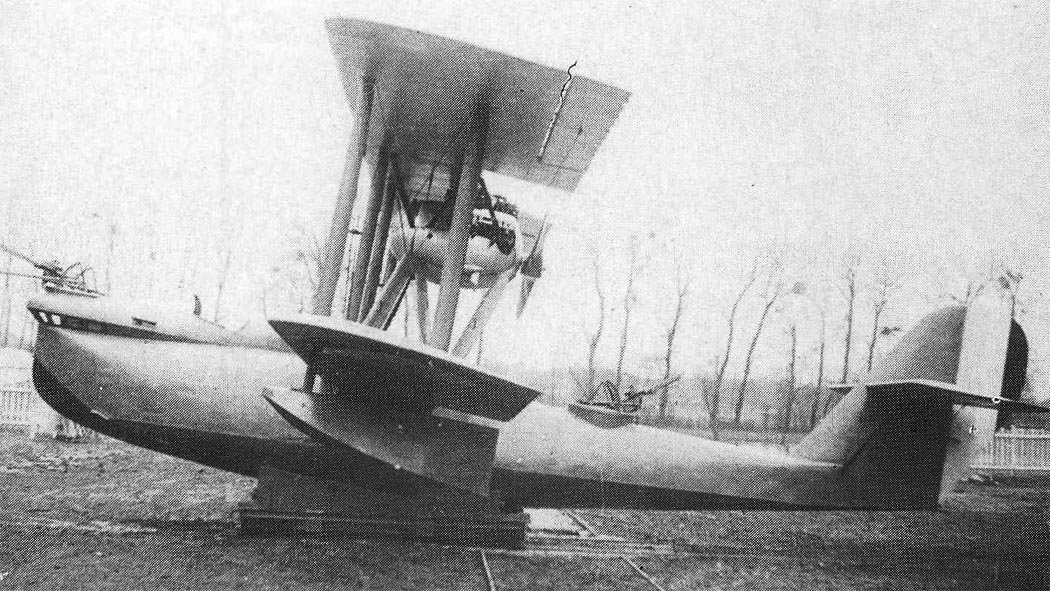 CAMS 37 |
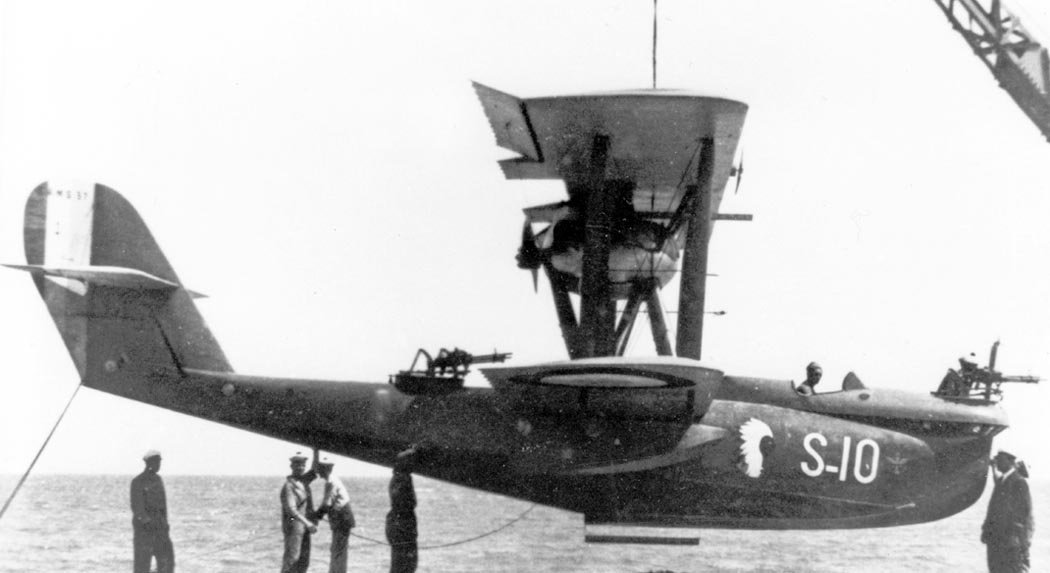 CAMS 37 |
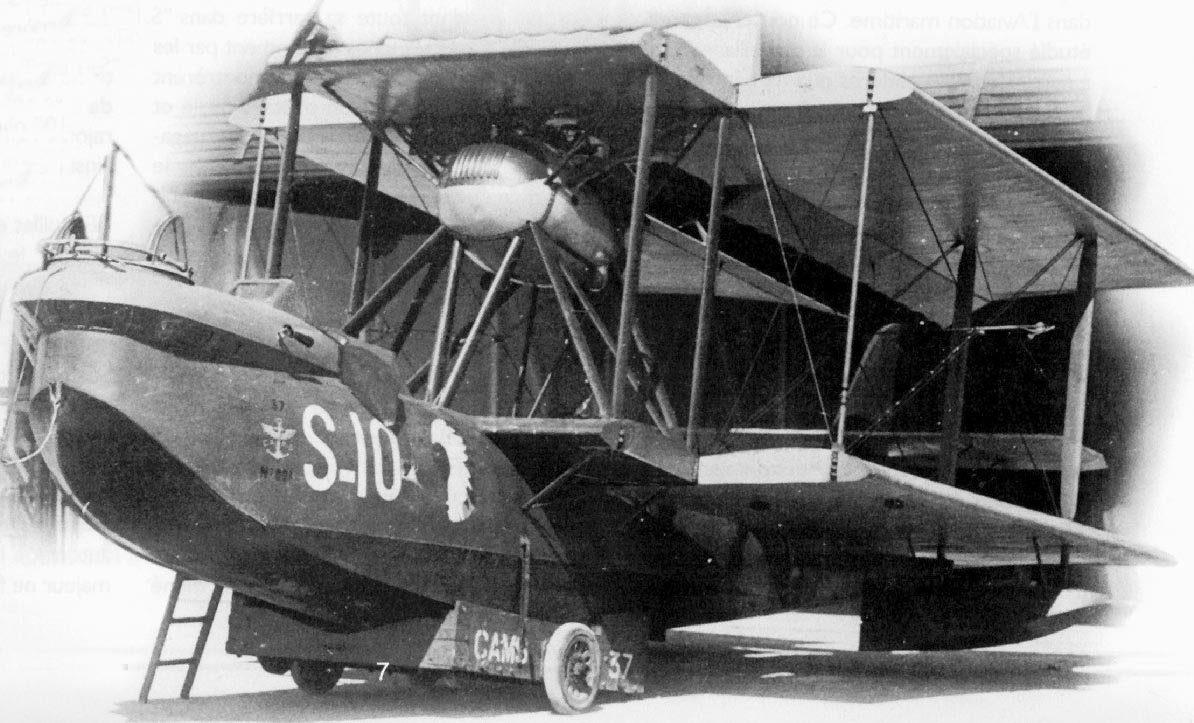 CAMS 37 |
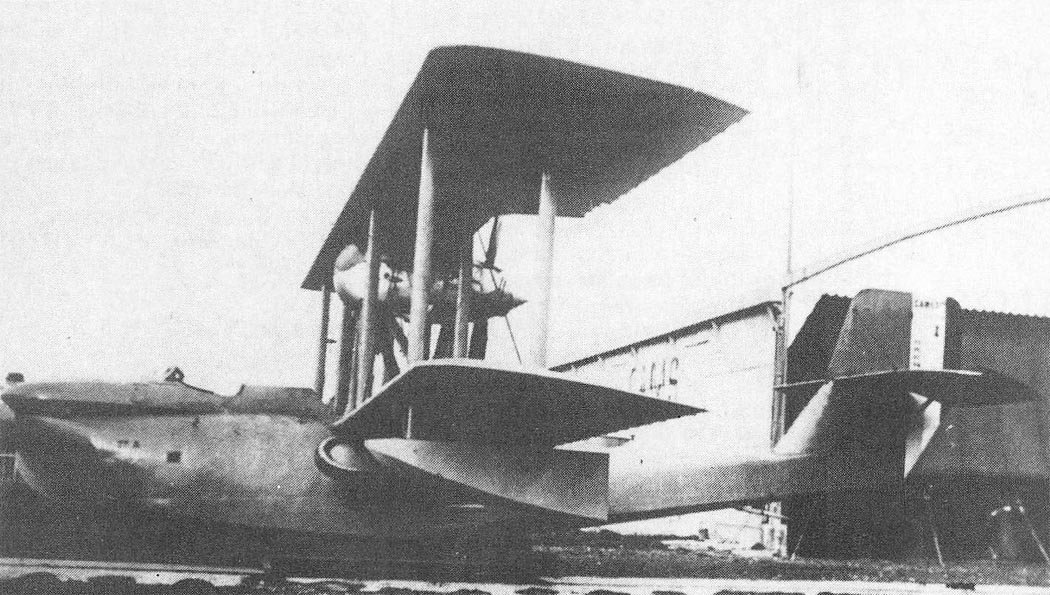 CAMS 37 |
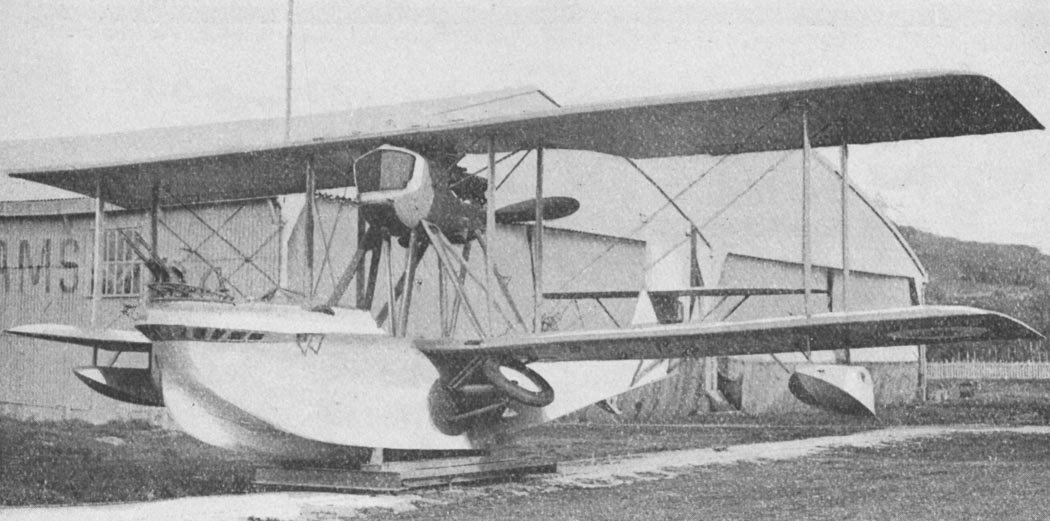 CAMS 37 |
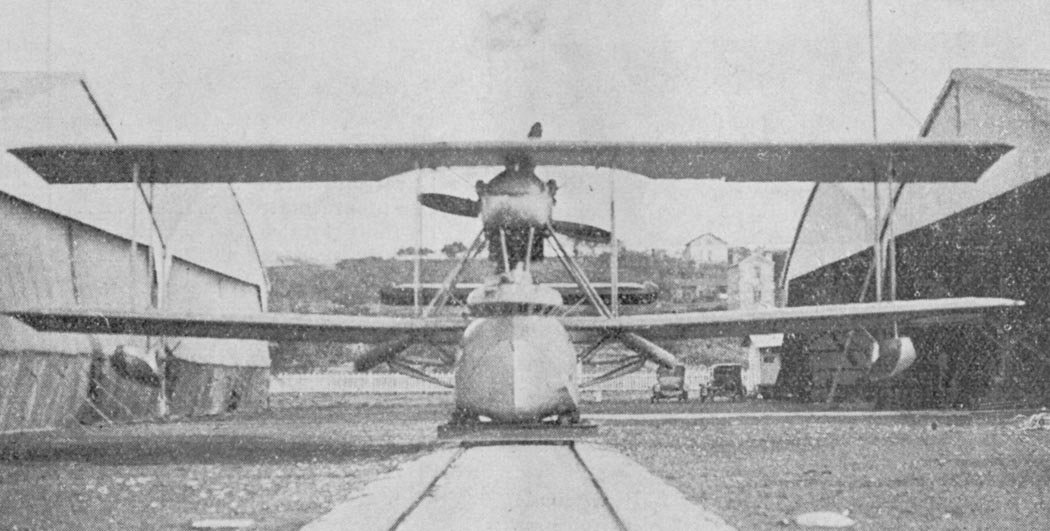 CAMS 37 |
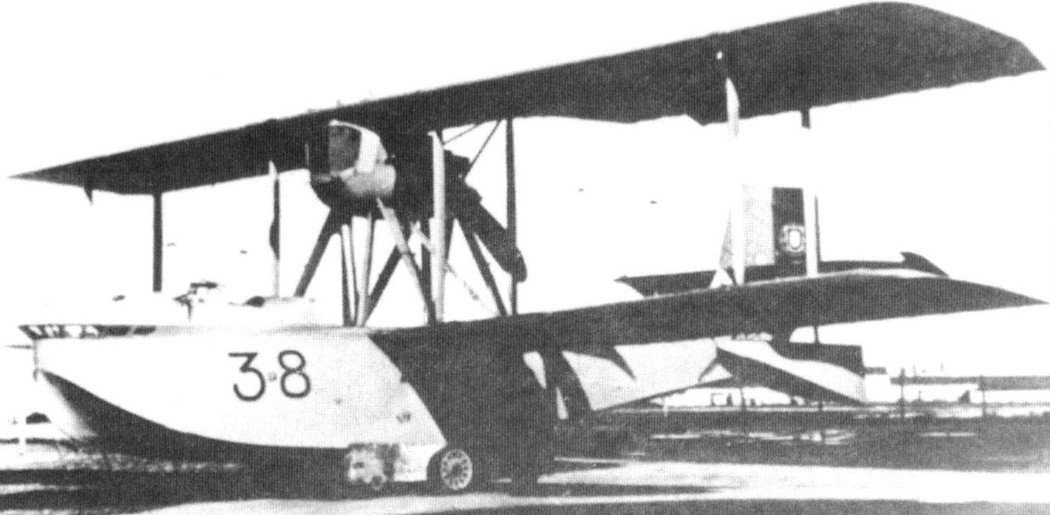 CAMS 37 |
 CAMS 37 |
 CAMS 37 |
 CAMS 37 |
 CAMS 37 |
 CAMS 37 |
 CAMS 37 |
 CAMS 37 |
 CAMS 37 |
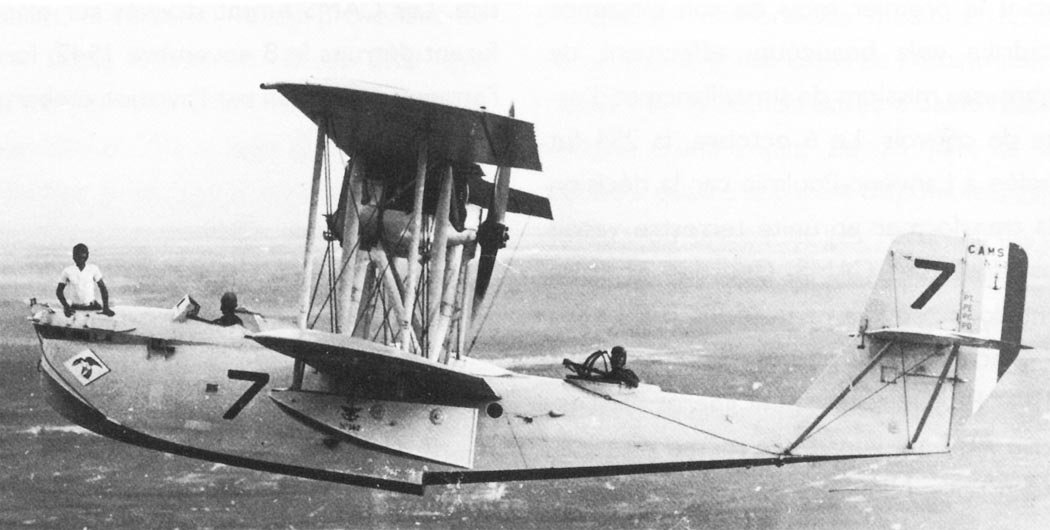 CAMS 37 |
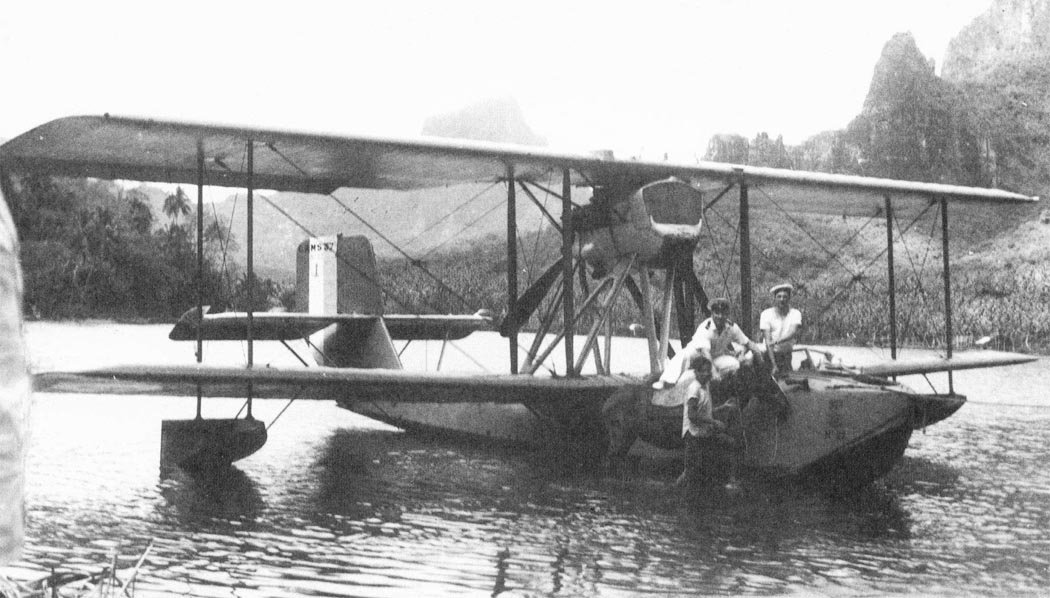 CAMS 37 |
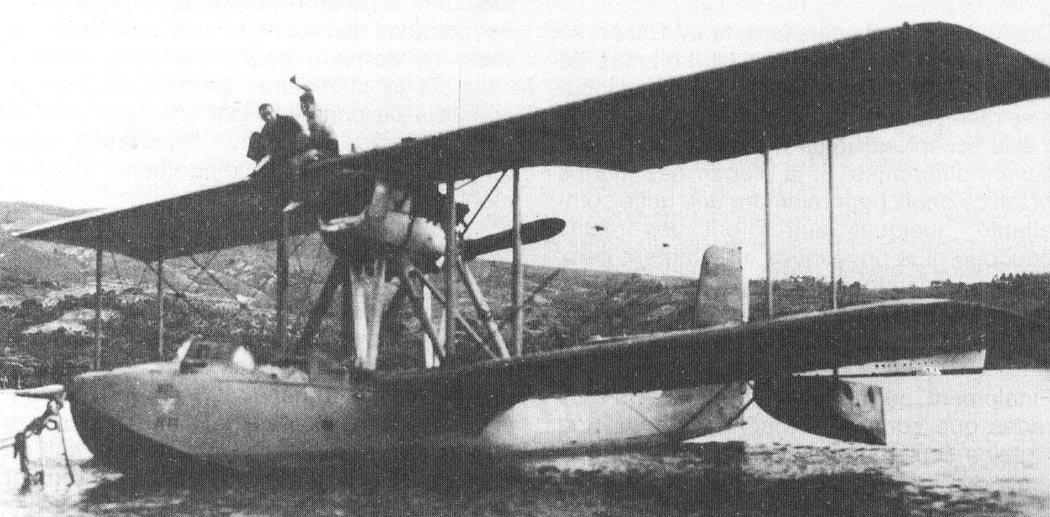 CAMS 37 |
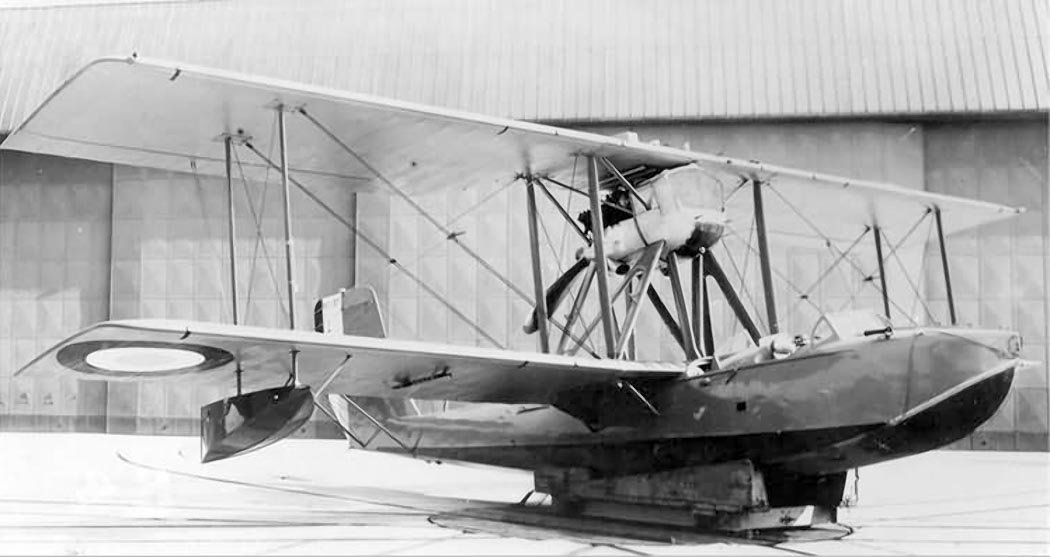 CAMS 37 |
 CAMS 37 |
 CAMS 37 |
 CAMS 37 |
 CAMS 37 |
 CAMS 37 |
 CAMS 37 |
 CAMS 37 |
 CAMS 37 |
 CAMS 37 |
 CAMS 37 |
 CAMS 37 |
 CAMS 37 |
 CAMS 37 |
 CAMS 37 |
 CAMS 37 |
 CAMS 37 |
 CAMS 37 |
 CAMS 37 |
 CAMS 37 |
 CAMS 37 |
 CAMS 37 |
 CAMS 37 |
 CAMS 37 |
 CAMS 37 |
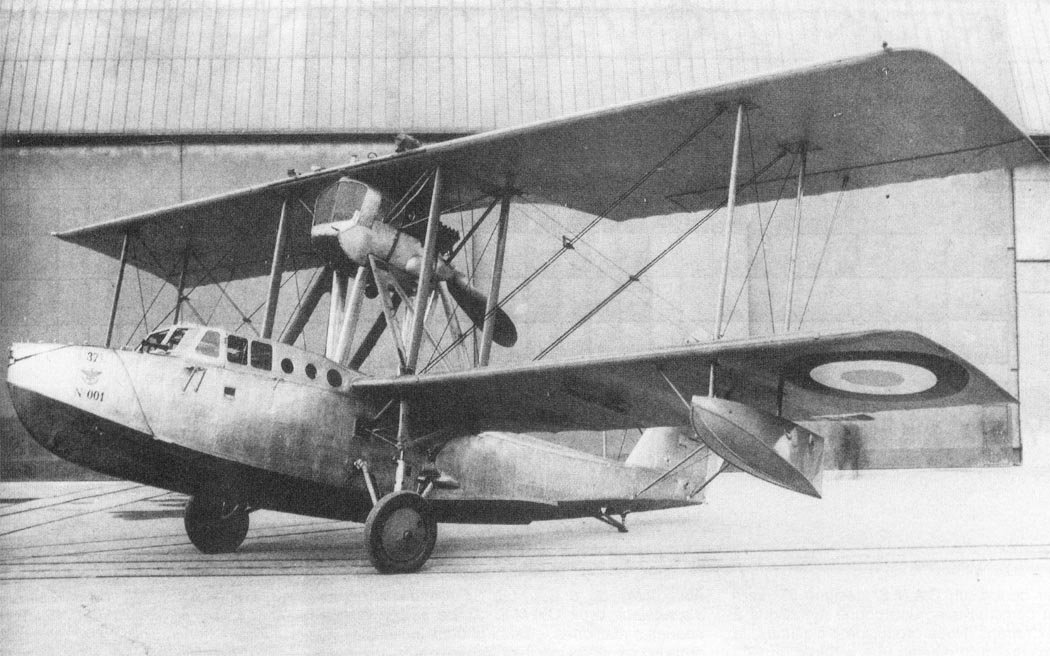 CAMS 37 |
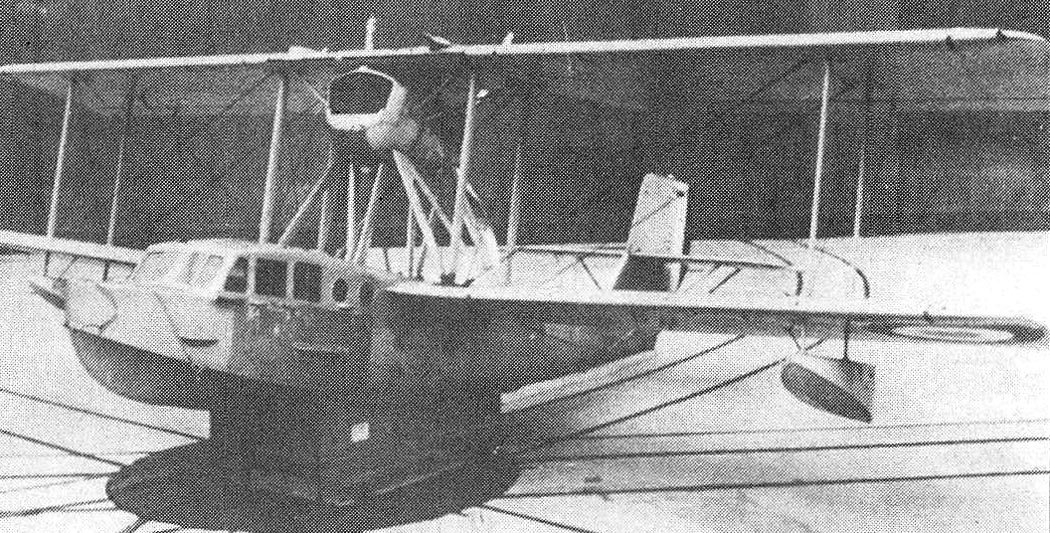 CAMS 37 |
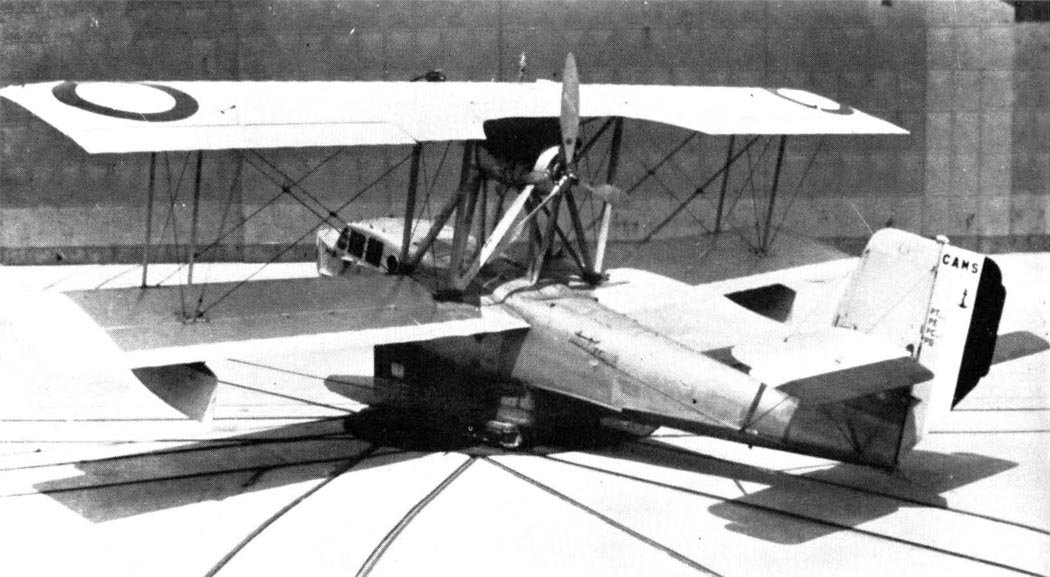 CAMS 37 |
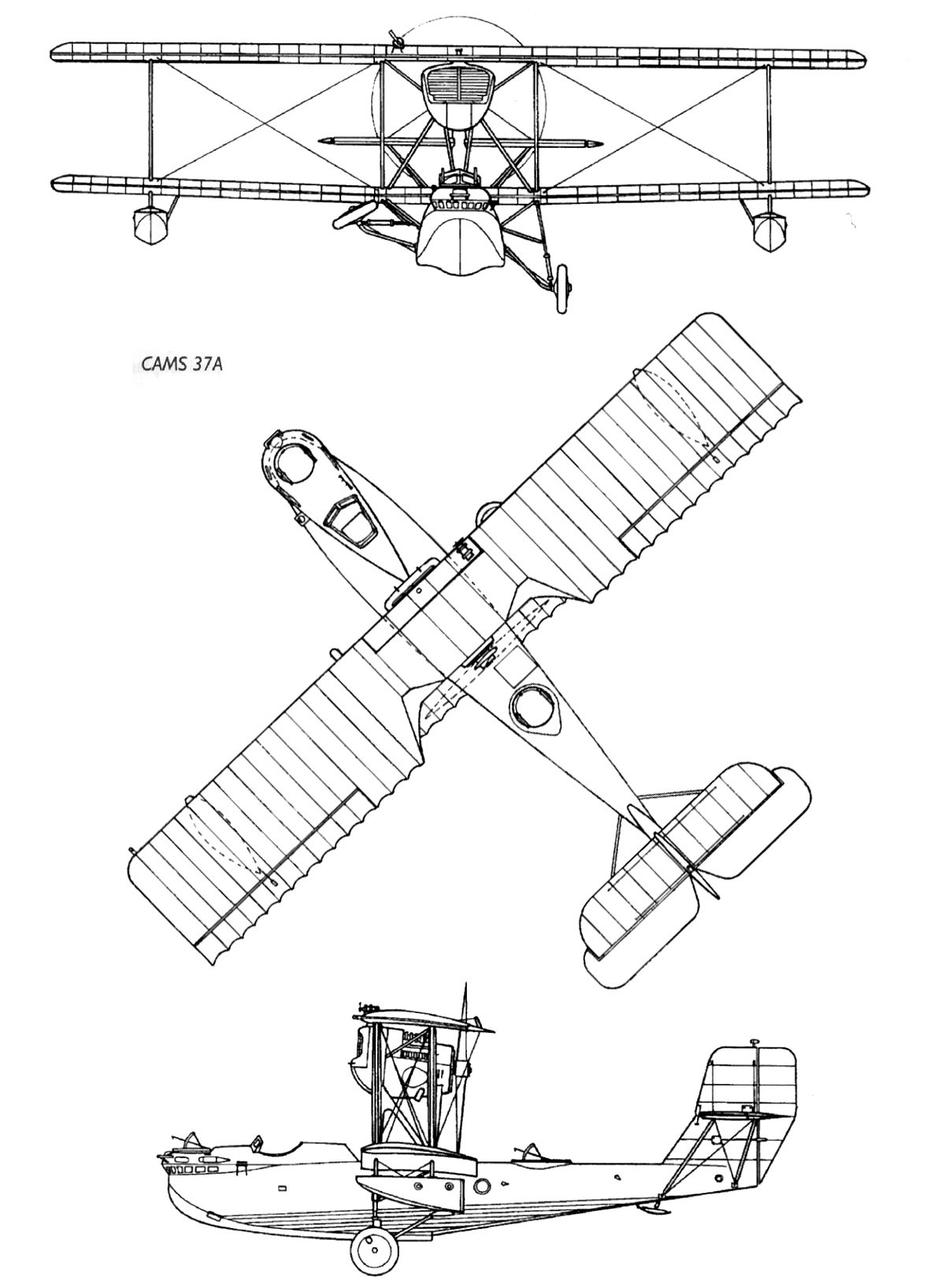 CAMS 37 |
 CAMS 37 |
 CAMS 37 |
 CAMS 37 |
 CAMS 37 |
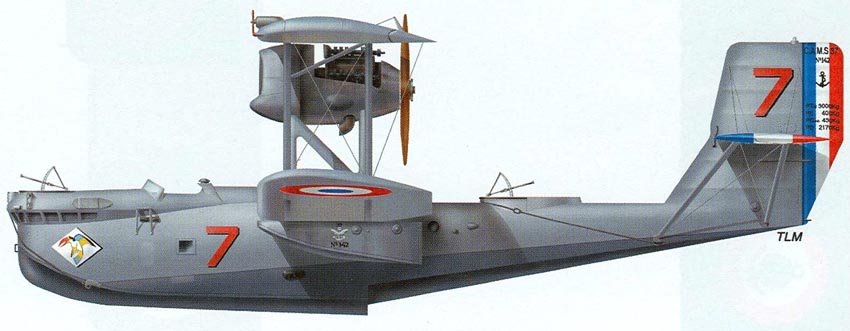 CAMS 37 |
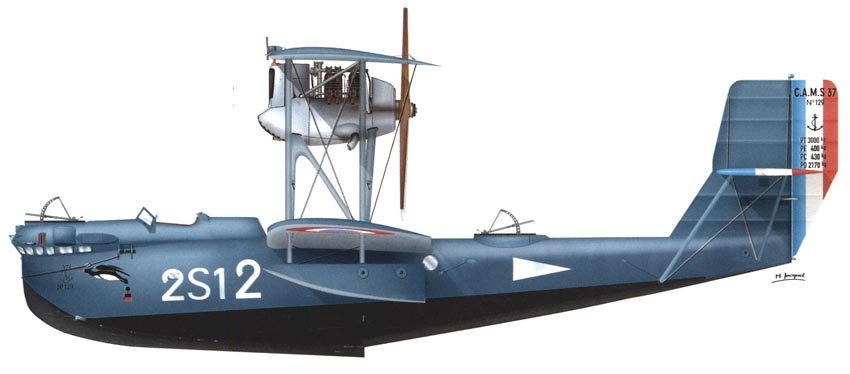 CAMS 37 |
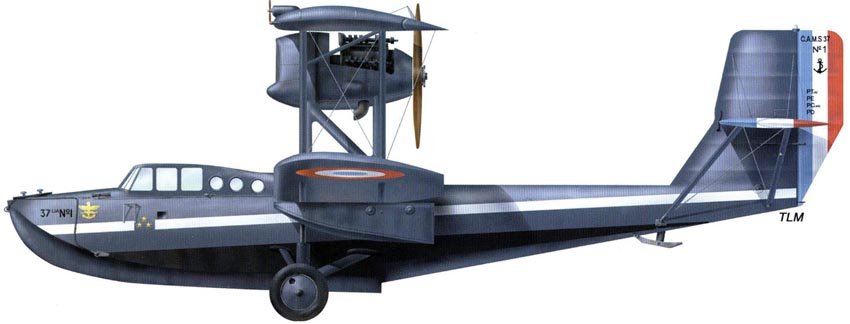 CAMS 37 |
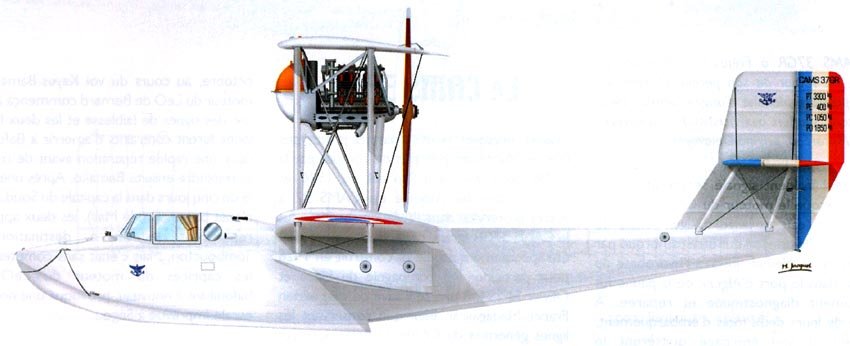 CAMS 37 |
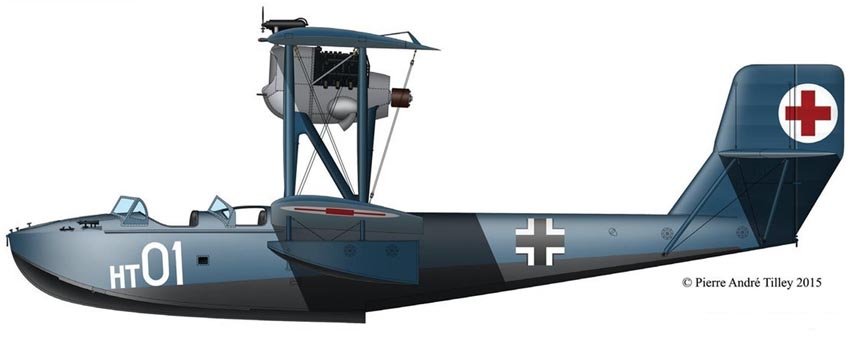 CAMS 37 |