
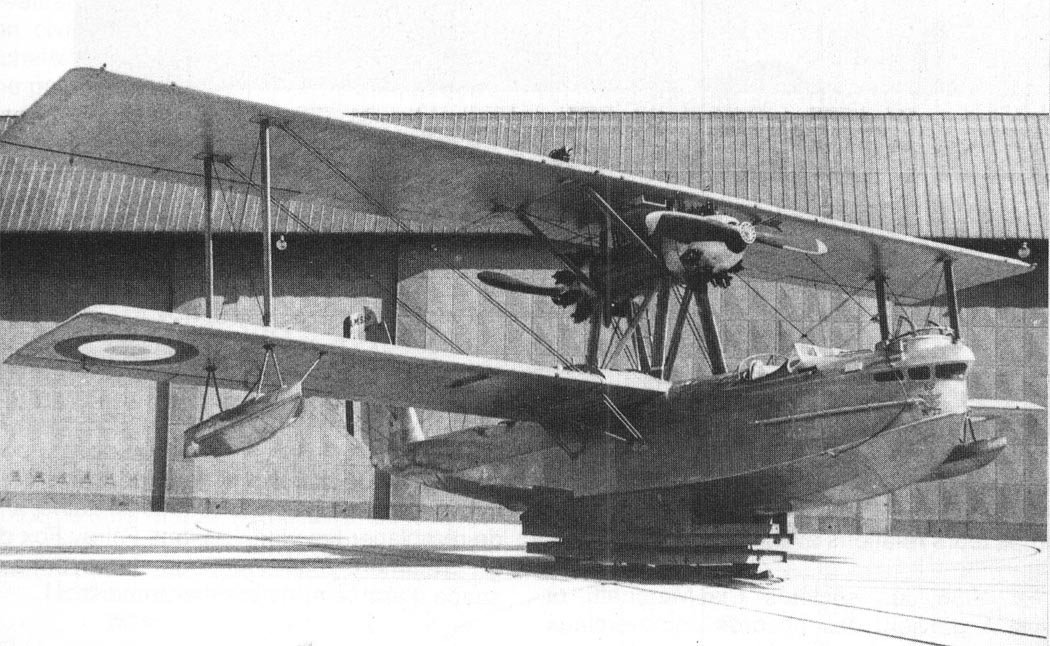
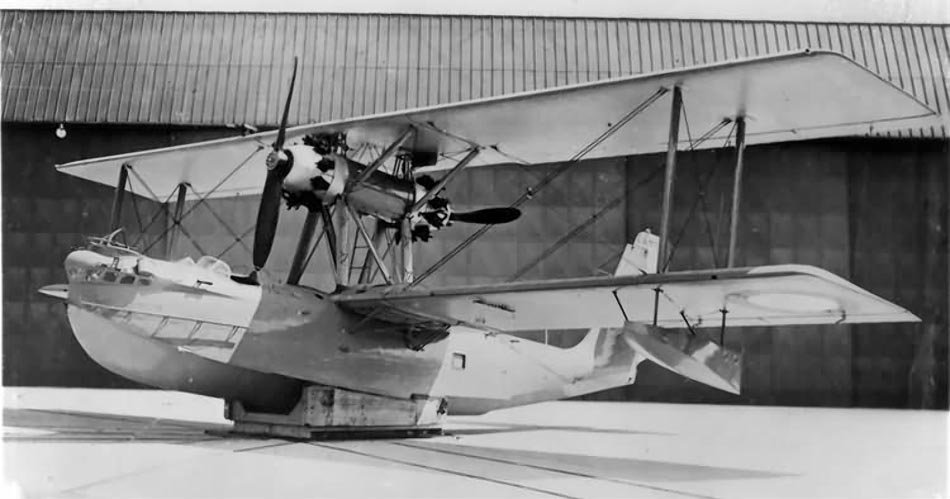
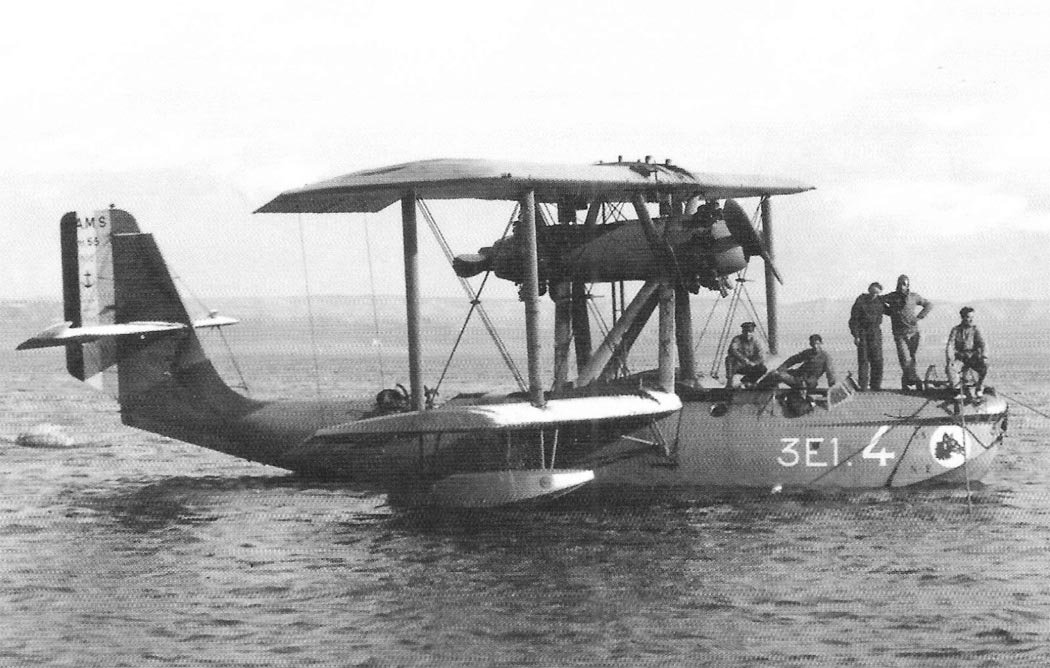
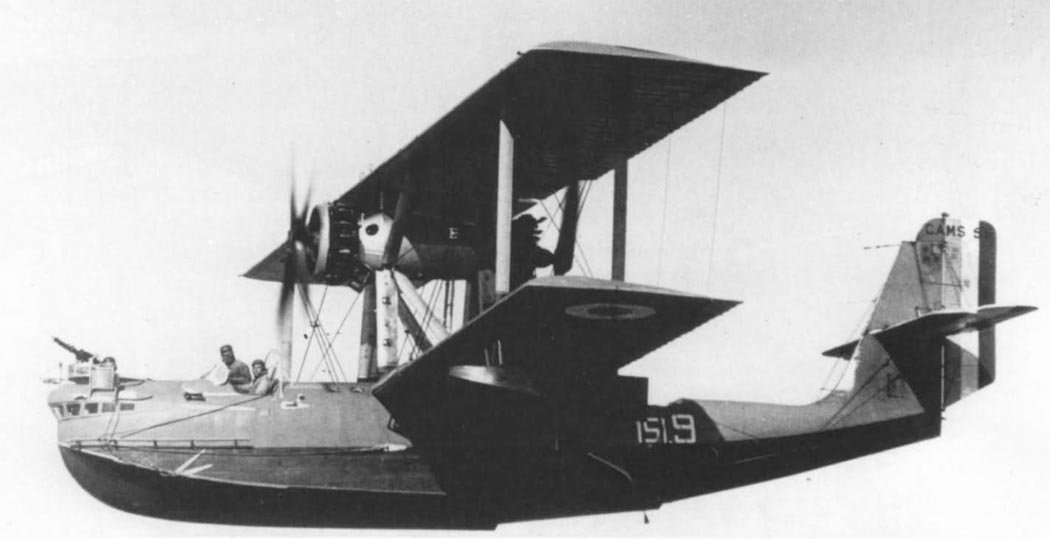
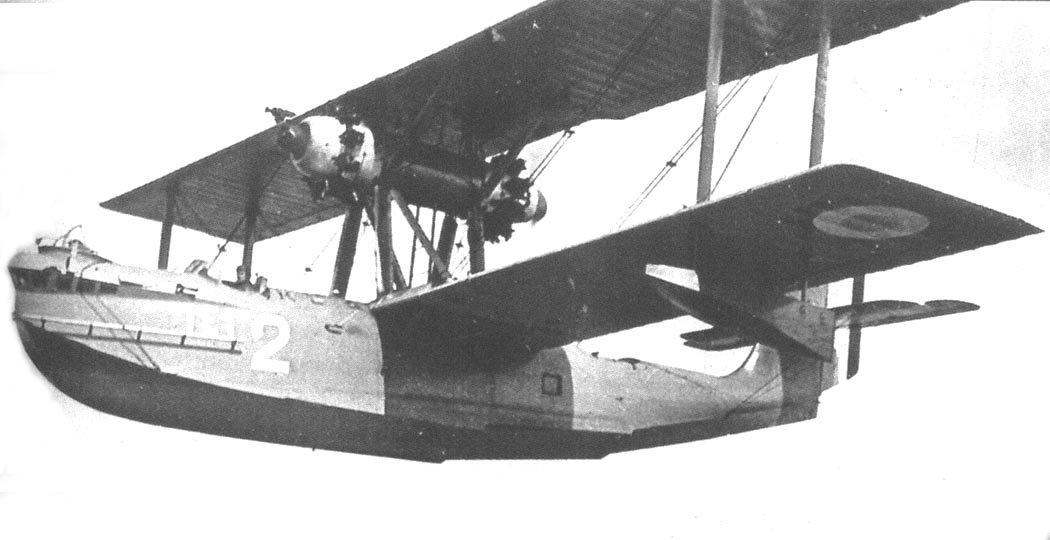
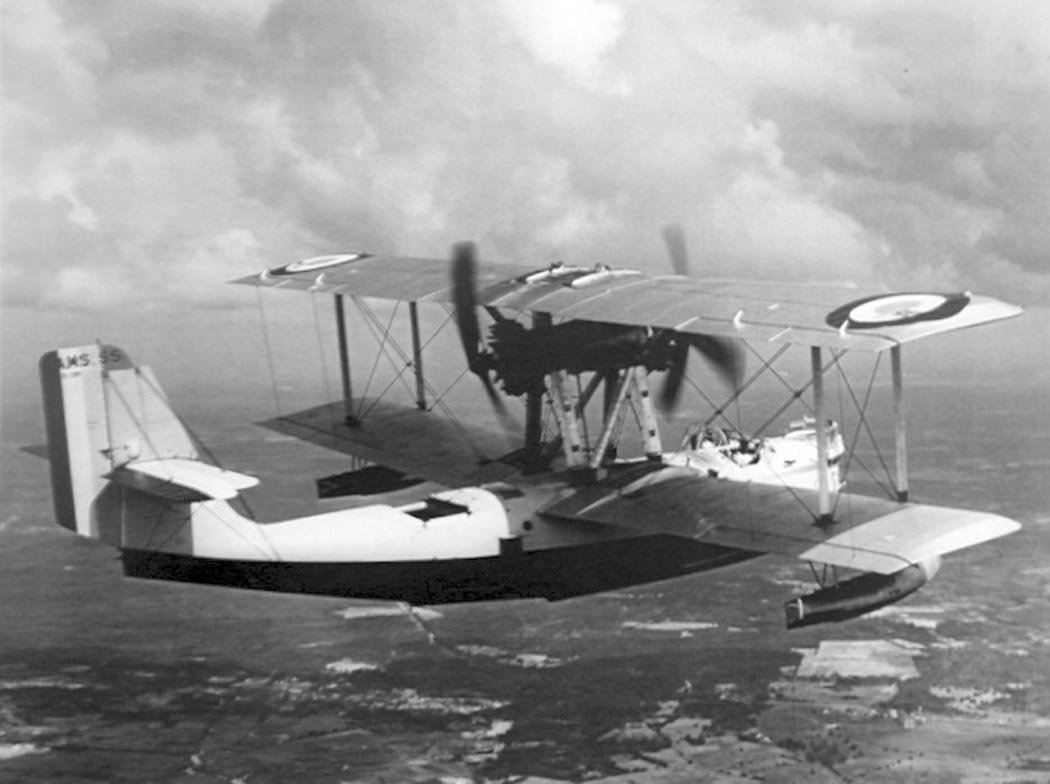
This five-person crew maritime reconnaissance-bomber flying boat was the military variant of the successful CAMS.53 passenger flying boat. The latter was built in 36 units for operation on Mediterranean air routes.
The French Navy began by ordering an initial series of four CAMS.55 flying boats. The first and second aircraft were equipped with two Gnome-Rhône 9Akx “Jupiter” engines of 480 hp each, while the third and fourth featured Hispano-Suiza 12Lbr engines of 600 hp. The fourth aircraft from this batch was manufactured in Saint-Denis, assembled in Sartrouville, and first flown in 1928.
Development and Early Variants
The following year, the navy ordered a series of ten flying boats with “Hispano” engines, designated CAMS.55.1. This contract was later expanded to include 14 more machines with “Jupiter” engines, named CAMS.55.2. The CAMS.55.1 and CAMS.55.2 models were virtually identical, except for their engines.
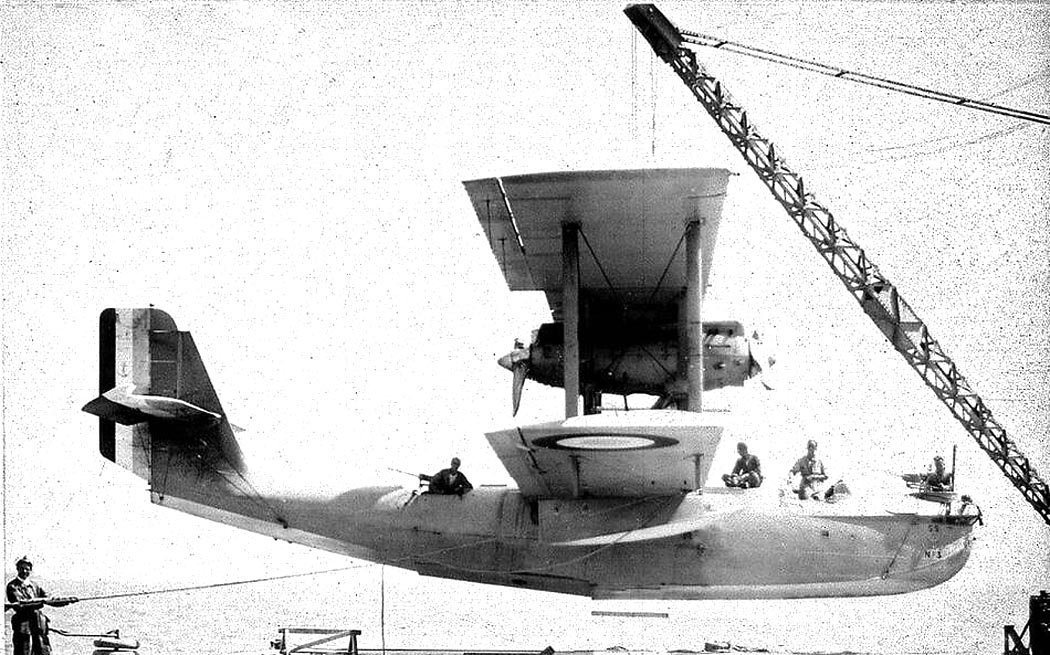
Construction was entirely wooden. Armament consisted of twin 7.69-mm Lewis machine guns in a bow turret and a pair of identical machine guns in an open rear mounting, which could be rolled from side to side to increase the field of fire.
Operational History and Modifications
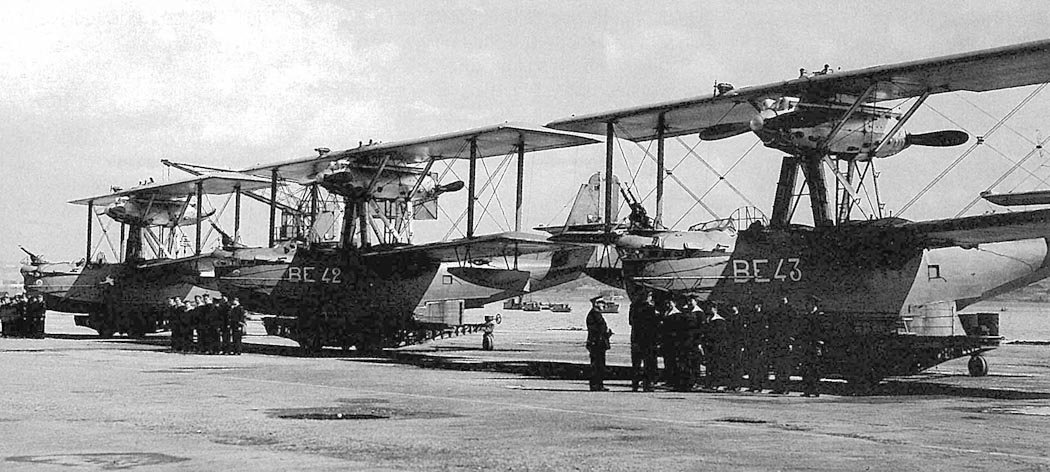
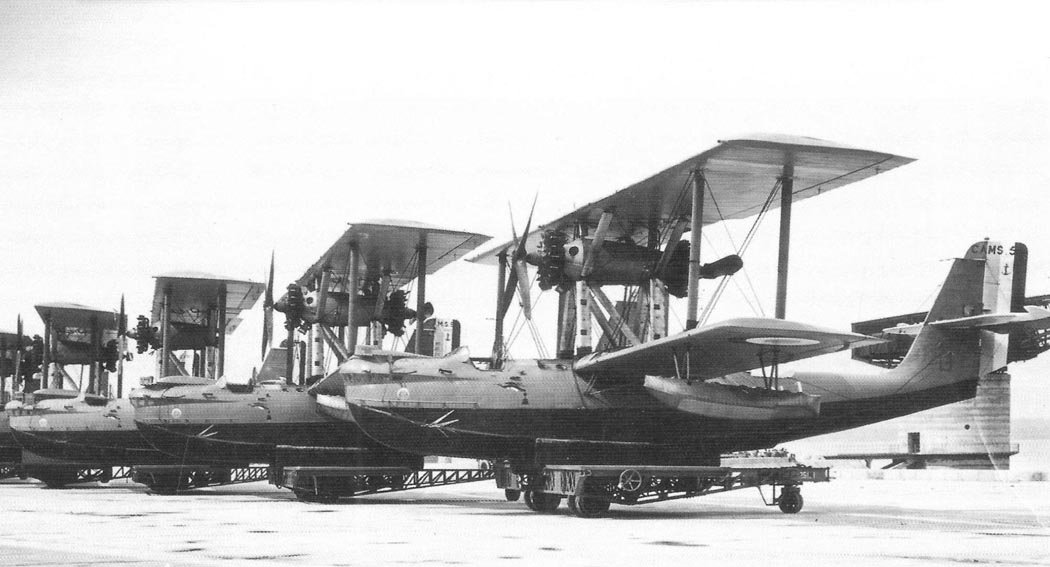
The first air units to receive the new flying boats were Escadrille 3E1 in Berre, which transitioned to the CAMS.55.2 in 1930, and Escadrille 4E1, formed in Caroube that same year, receiving CAMS.55.1 type aircraft. These were followed by another 33 CAMS.55.1 and 15 CAMS.55.2 aircraft.
The 77th aircraft was assembled with “Jupiter” engines but was 400 kg lighter than the standard CAMS.55.2. This weight reduction was achieved by introducing a hull and underwing floats made of light alloys, receiving the designation CAMS.55.6. The 78th aircraft was identical to the previous one but was equipped with supercharged Gnome-Rhône 9Kdrsl engines of 535 hp, named CAMS.55.14.
The 79th flying boat and subsequent ones were fitted with Gnome-Rhône 9Kbr engines without superchargers, producing 530 hp. For these, the construction of the fuselage and floats reverted to wood. These machines were accepted as the CAMS.55.10 modification. The next 16 aircraft were equipped with metal floats (while retaining a wooden hull).
The last four production aircraft, known as CAMS.55.10 “Colonial,” only differed by having more powerful SER-AVL 20 radios instead of the standard SIF-404. Production of this flying boat family concluded in mid-1935 with the delivery of the 110th aircraft. Modifications CAMS.55.4, 55.12, and 55.13 with different engine configurations were designed but not even built as prototypes.
Wartime Service
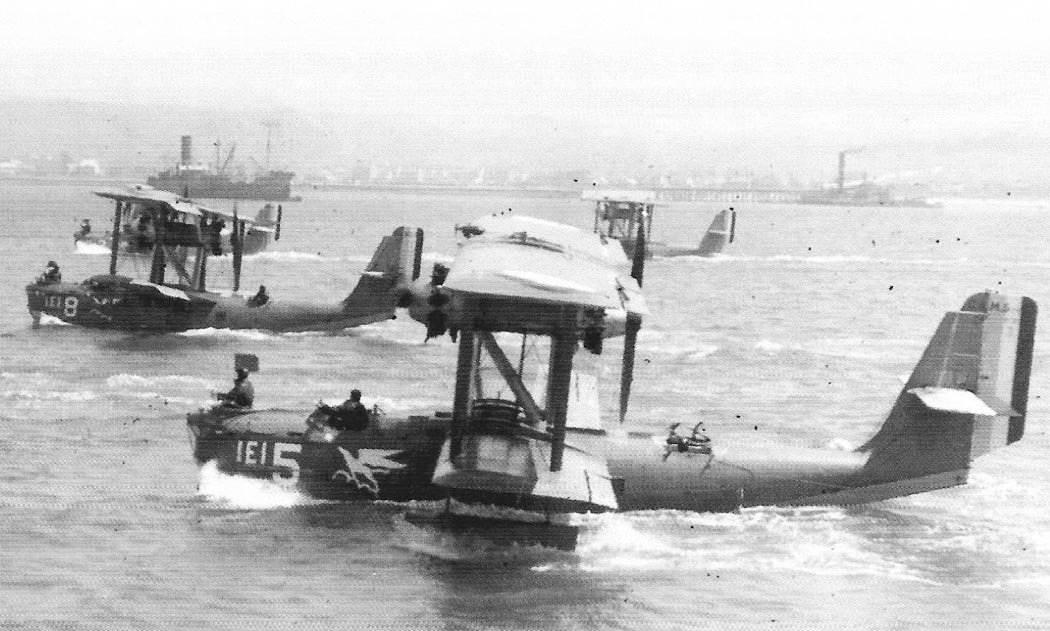
Escadrilles 1E1, 3E2, and 3E3 flew CAMS.55s in the early 1930s, but by August 1939, aircraft of this type were used only for auxiliary purposes. Mobilization added new reconnaissance squadrons to peacetime units.
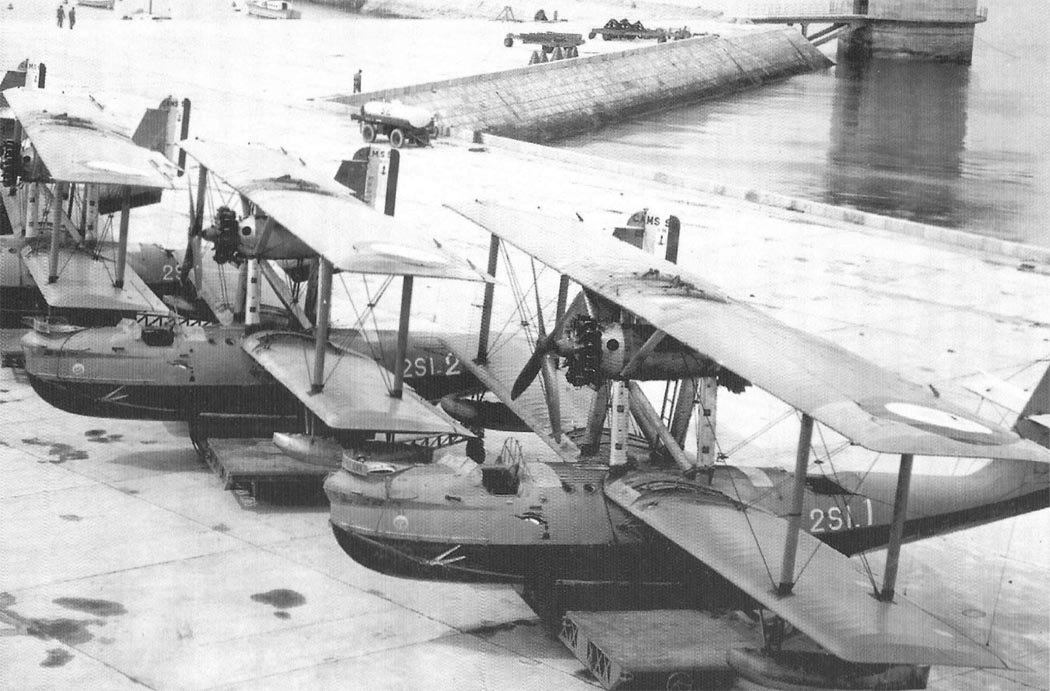
By September 20, 1939, Escadrille 1S1 in Cherbourg had five CAMS.55.10s, 2S1 in Lanvéoc had three, 3S4 in Berre had two 55.1s and one 55.10, and 8S5 in Papeete (Tahiti) had two CAMS.55.1s. By May 10, 1940, when the Germans launched their offensive, many of these obsolete flying boats remained in service.
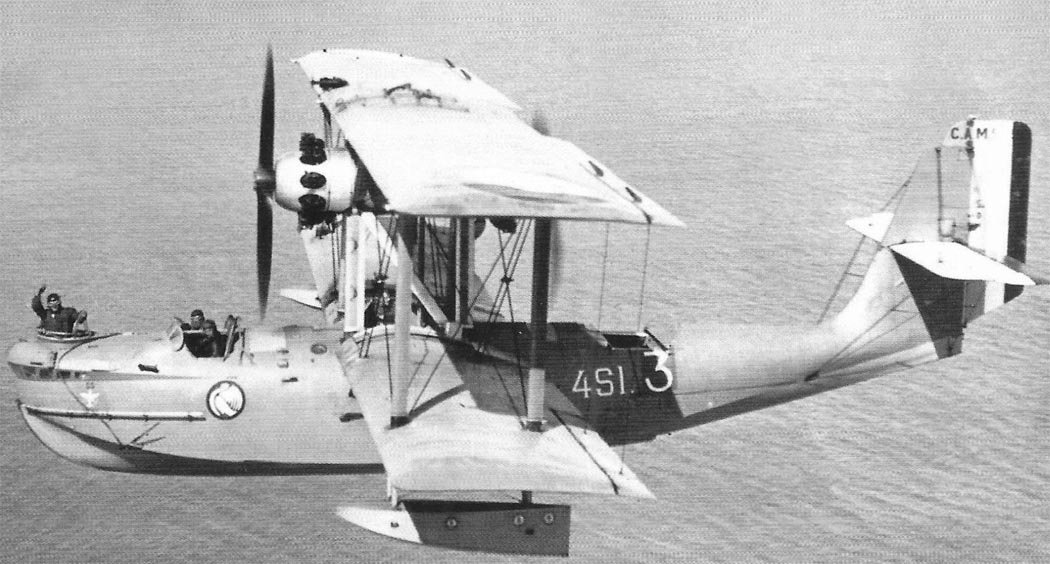
Escadrille 2S1 operated six CAMS.55.10s, 4S1 had nine identical machines, and 3S4 had three. Despite their obsolescence, the aircraft continued to be operated until these air units were disbanded on August 1, 1940. After the capitulation, all CAMS.55 type flying boats were scrapped, with the exception of two machines from Escadrille 20S (formerly 8S5), which flew with “Free France” emblems until January 15, 1941.
Technical Specifications
| Modification | CAMS 55.10 |
| Wingspan, m | 20.40 |
| Length, m | 15.03 |
| Height, m | 5.41 |
| Wing area, m2 | 113.45 |
| Empty weight | 4590 |
| Maximum takeoff weight | 6900 |
| Engine type | 2 Piston engines Gnome-Rhone 9Kbr |
| Power, hp | 2 x 500 |
| Maximum speed, km/h | 195 |
| Cruising speed, km/h | 150 |
| Practical range, km | 1280 |
| Practical ceiling, m | 3400 |
| Crew, crew members: | 4 |
| Armament: | four 7.7-mm turret machine guns and 125-300 kg of bombs |
Image and diagram gallery of the CAMS 55
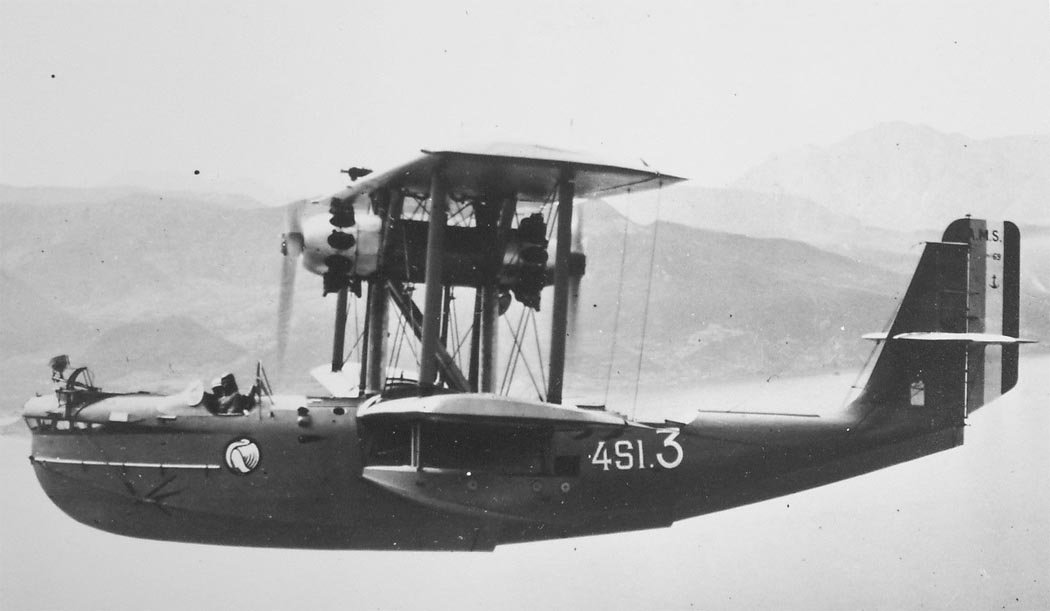 CAMS 55 |
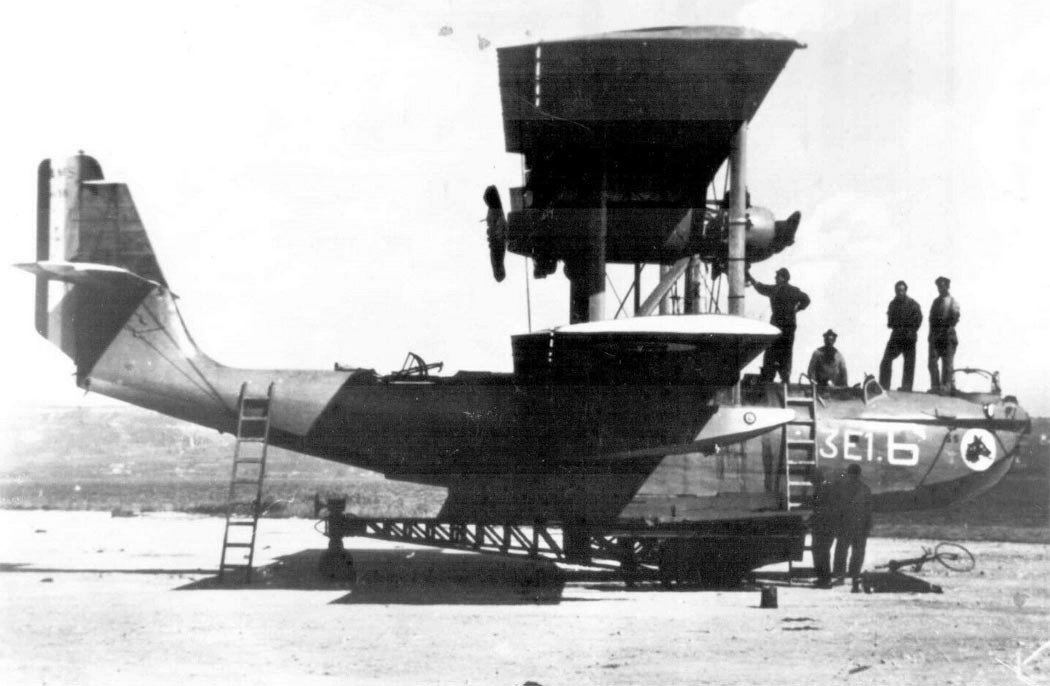 CAMS 55 |
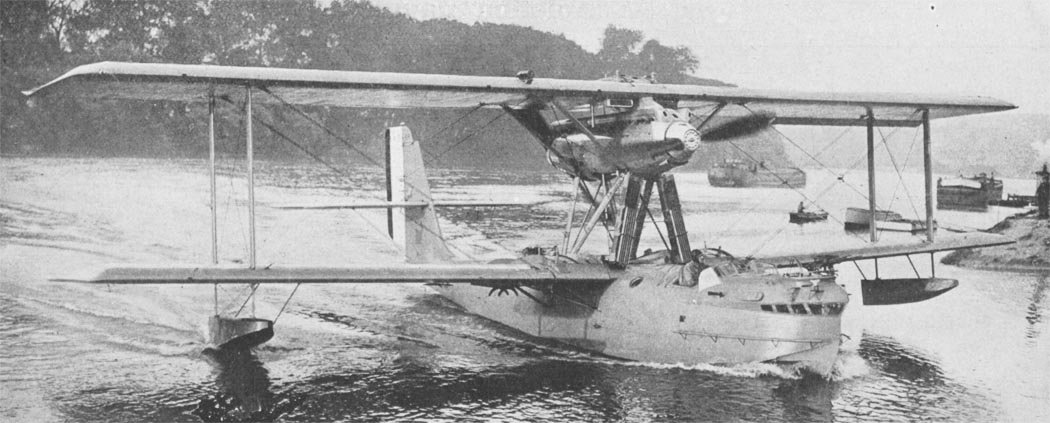 CAMS 55 |
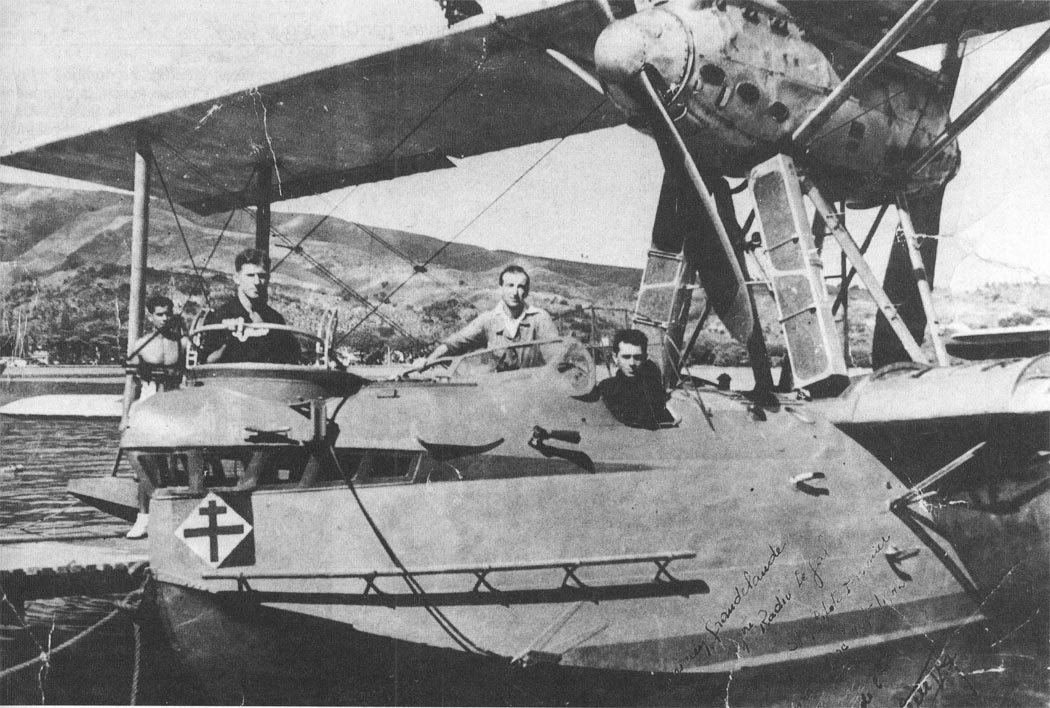 CAMS 55 |
 CAMS 55 |
 CAMS 55 |
 CAMS 55 |
 CAMS 55 |
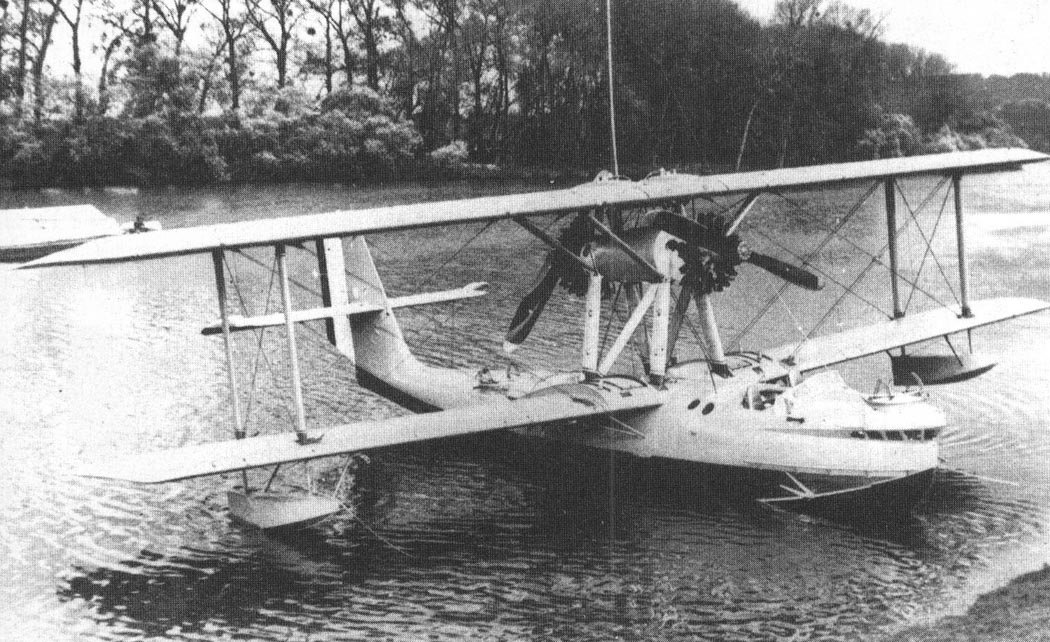 CAMS 55 |
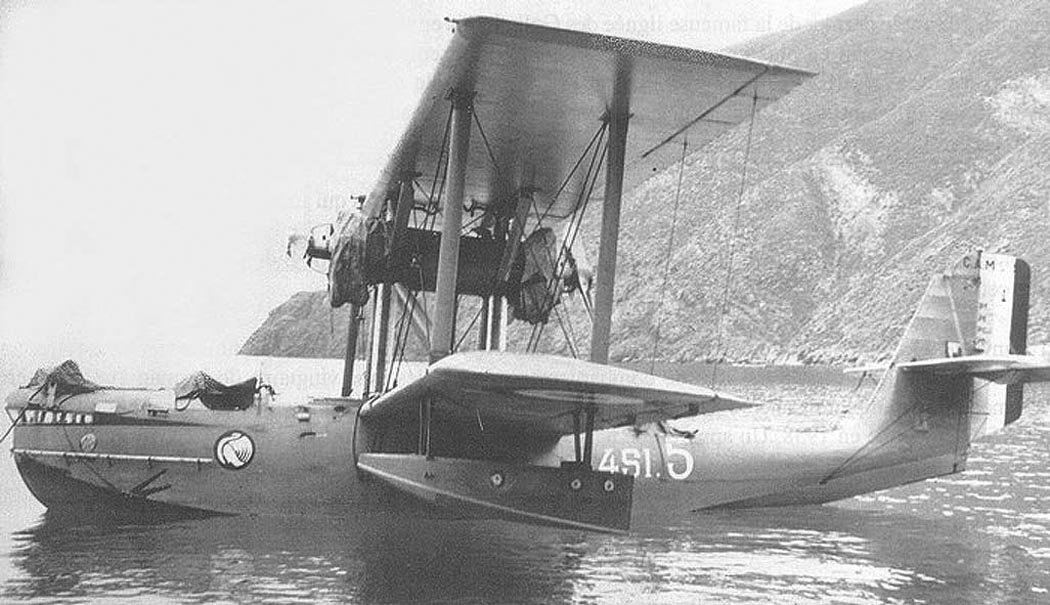 CAMS 55 |
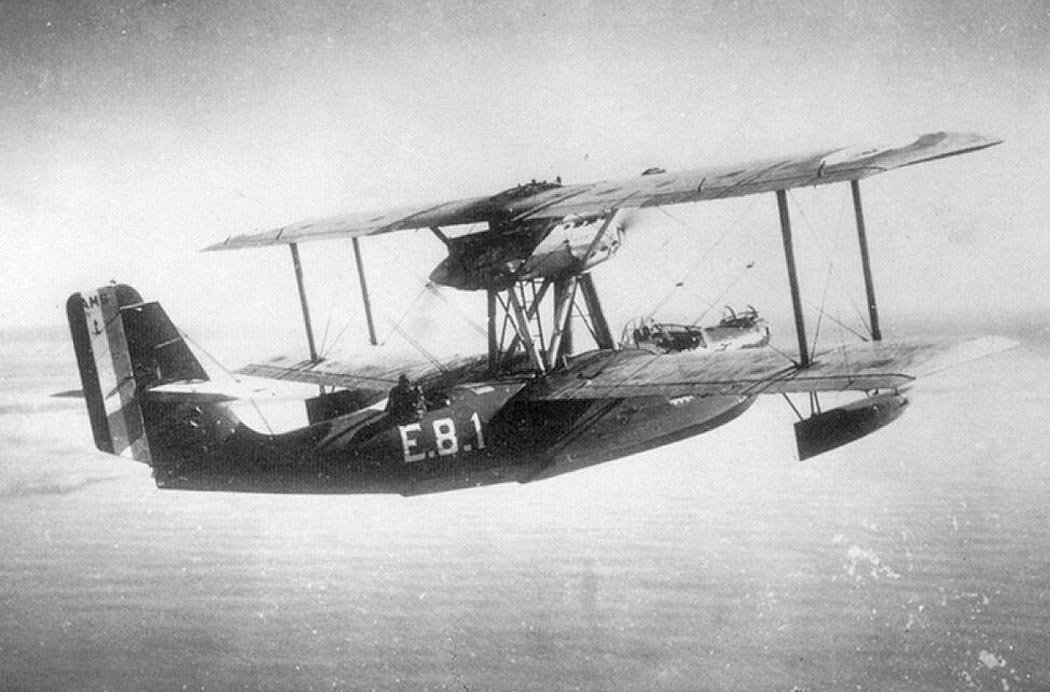 CAMS 55 |
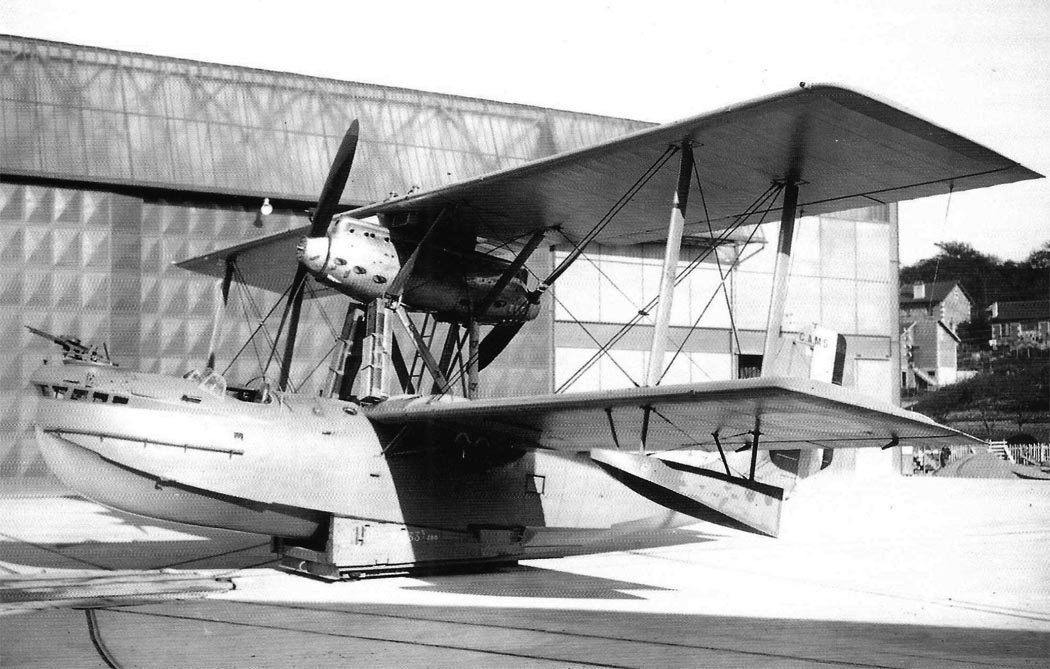 CAMS 55 |
 CAMS 55 |
 CAMS 55 |
 CAMS 55 |
 CAMS 55 |
 CAMS 55 |
 CAMS 55 |
 CAMS 55 |
 CAMS 55 |
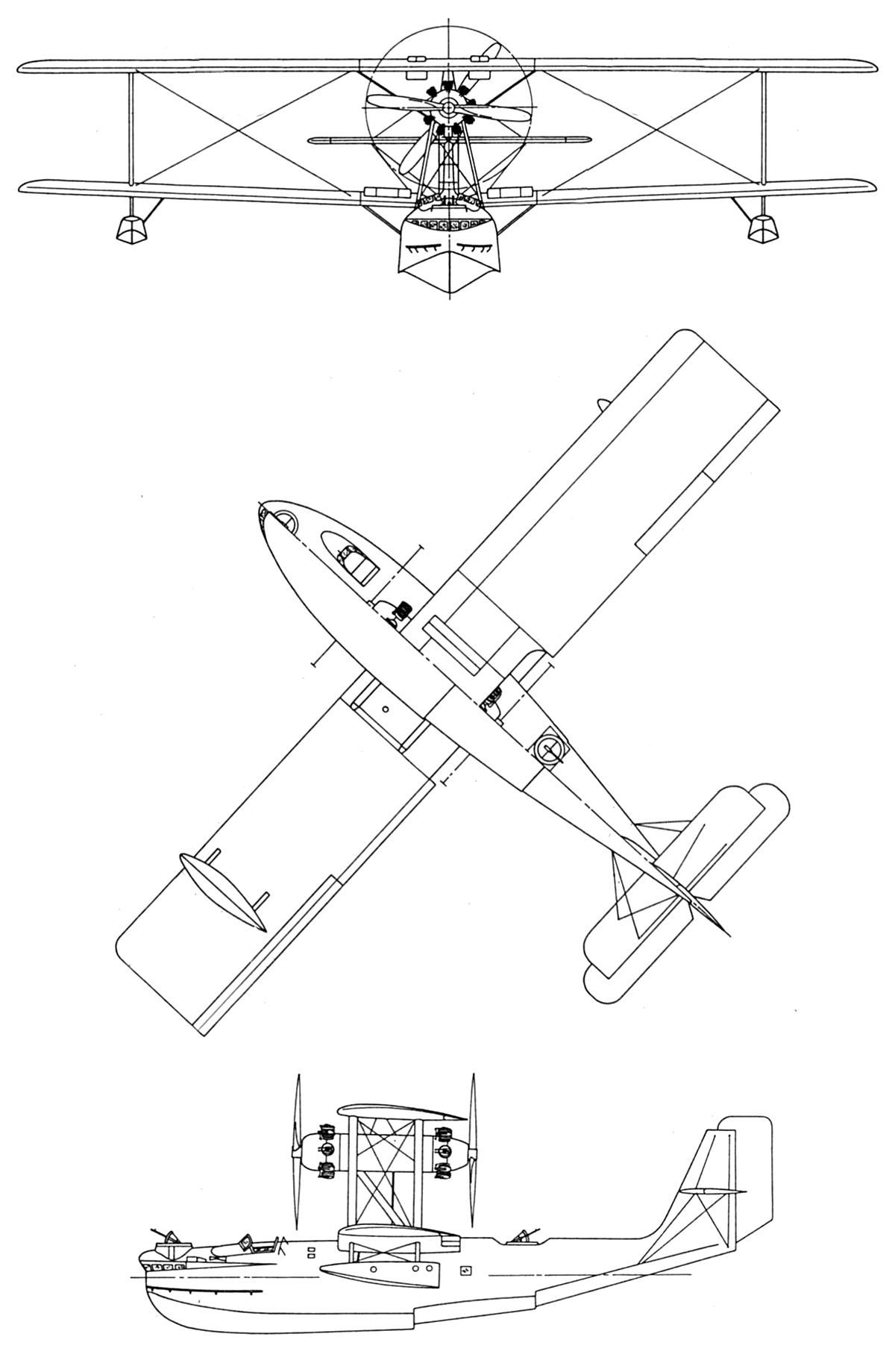 CAMS 55 |
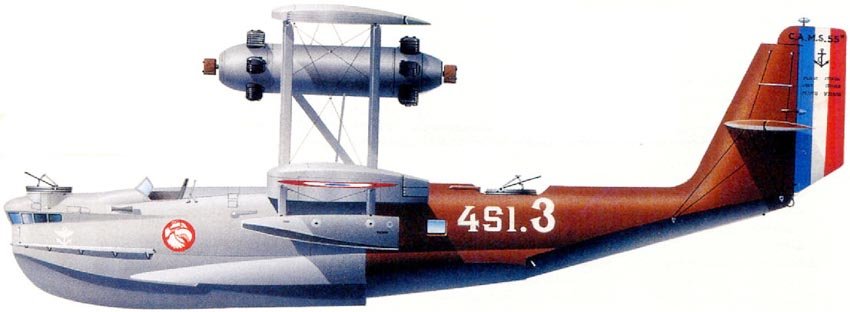 CAMS 55 |
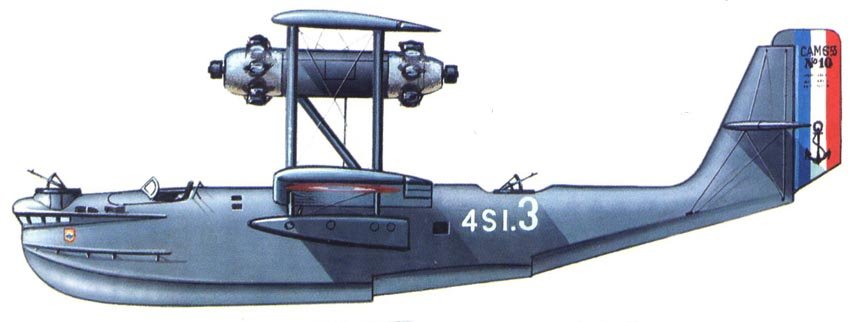 CAMS 55 |