
The Ca.72 bomber, introduced in 1924, was another attempt to enhance the flight characteristics of the Ca.66 night bomber. Similar to its predecessor, the Ca.67, the primary focus of modification was on the aircraft’s powerplant.
Engine Configuration
For this iteration, the Ca.72 featured a revised engine setup. It integrated two 400-horsepower Lorraine Dietrich 12DB engines, sourced from the Ca.67, with one 200-horsepower SPA 6A engine, derived from the Ca.66. This configuration aimed for improved performance.
However, the increased total engine power failed to offset the significant rise in structural mass. Even with a reduction in bomb load, the maximum speed of the Ca.72 improved by only a mere 5 km/h, indicating limited success.
Project Conclusion
Due to these underwhelming performance improvements, work on the Ca.72 was ultimately halted. Development efforts were instead shifted towards the more promising Ca.73, which offered better prospects for advancing military aviation technology.
Technical Specifications
| Modification | Ca.72 |
| Wingspan, m | 25.00 |
| Length, m | 12.50 |
| Height, m | 5.60 |
| Wing area, m2 | 143.00 |
| Empty weight | 3670 |
| Normal takeoff weight | 5670 |
| Engine type | 2 Piston engines Lorraine Dietrich 12DB + 1 SPA 6A |
| Power, hp | 2 x 400 + 1 x 200 |
| Maximum speed, km/h | 185 |
| Cruising speed, km/h | 160 |
| Flight endurance, h | 4 |
| Rate of climb, m/min | 200 |
| Service ceiling, m | 5500 |
| Crew | 4 crew |
| Armament | four 7.7-mm machine guns, bomb load up to 1000 kg |
Image and diagram gallery of the Caproni Ca.72 Bomber
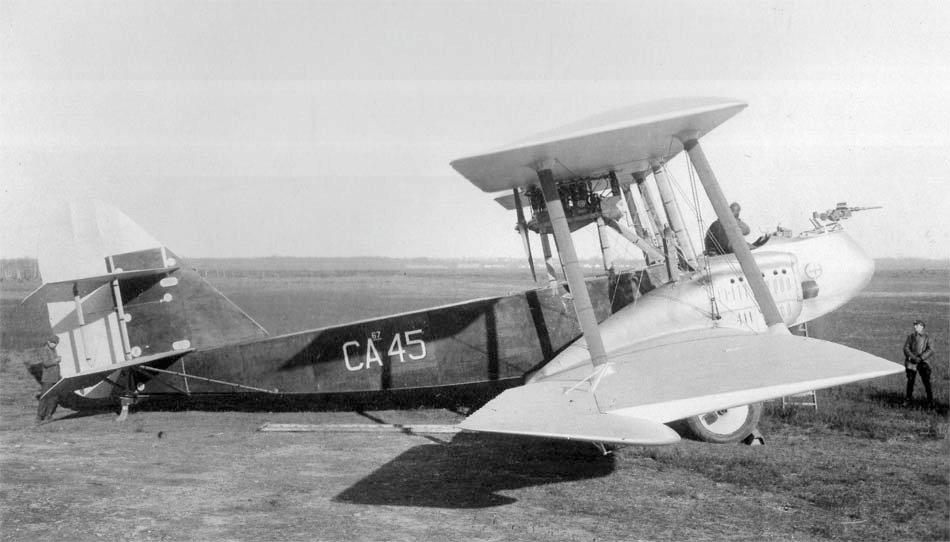 Caproni Ca.72 |
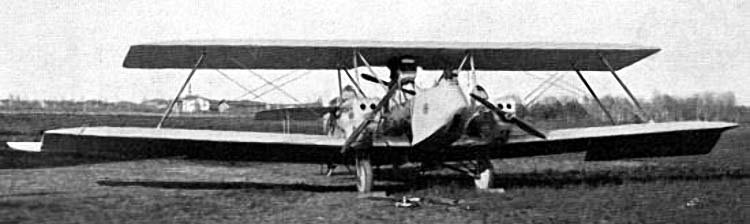 Caproni Ca.72 |