
In the late 1920s, Paul Deville, a designer at Société des Avions Caudron, developed the Caudron C.220 light multi-purpose aircraft project. This was a two-seater, single-strut biplane, powered by a nine-cylinder Salmson 9Ac radial engine producing 95 hp.
Built in 1929, the aircraft could be used for training or as a touring aircraft. In 1931, it was tested at the Villacoublay military center alongside the Hanriot LH.10 and Morane-Saulnier MS.311, demonstrating its versatility for various applications.
C.220 Variants and Development
In 1929, another variant, the Caudron C.221, was built based on the C.220. It differed from its predecessor by having a shorter fuselage and being equipped with a five-cylinder Lorraine 5Pb radial engine producing 105 hp, coupled with a Levasseur propeller.
The sole built example of the C.221 was used for sports and aerobatic performances. This modification aimed to enhance the aircraft’s performance capabilities, showcasing the adaptability of the original C.220 design for different aeronautical purposes.
Legacy of the Caudron C.220 Series
The Caudron C.220/C.221 series represents an early example of French aeronautical engineering, offering practical solutions for both civil aviation and the exploration of military and sporting uses. These models highlight Caudron’s innovation in creating versatile aircraft in the early 20th century.
Image and diagram gallery of the Caudron C.220
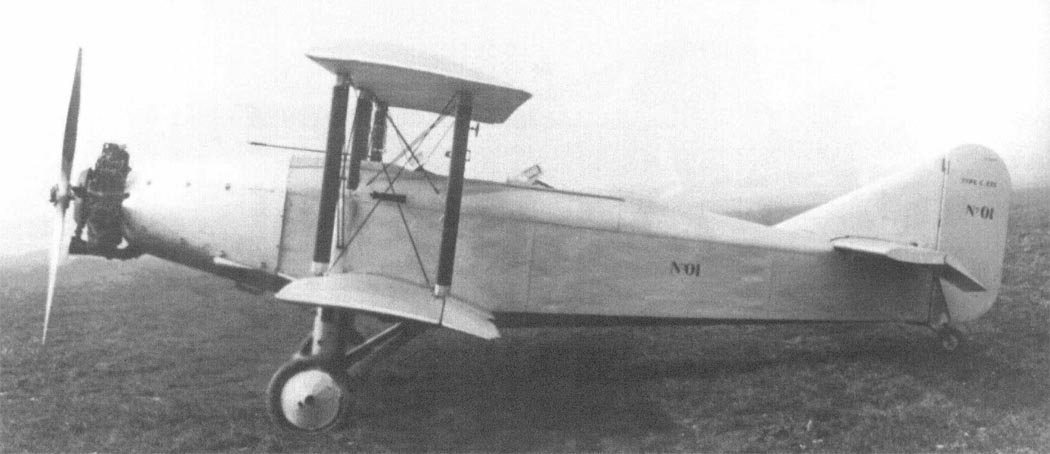 C.220 |
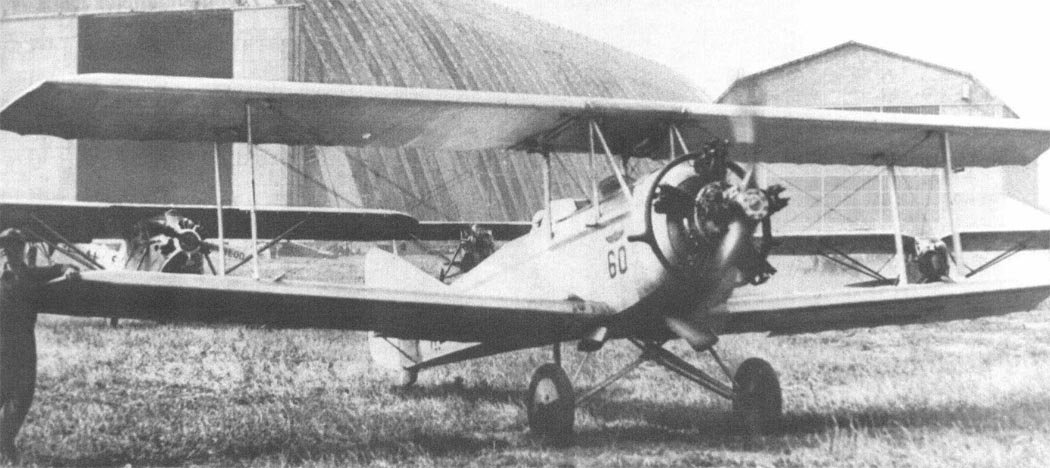 C.220 |
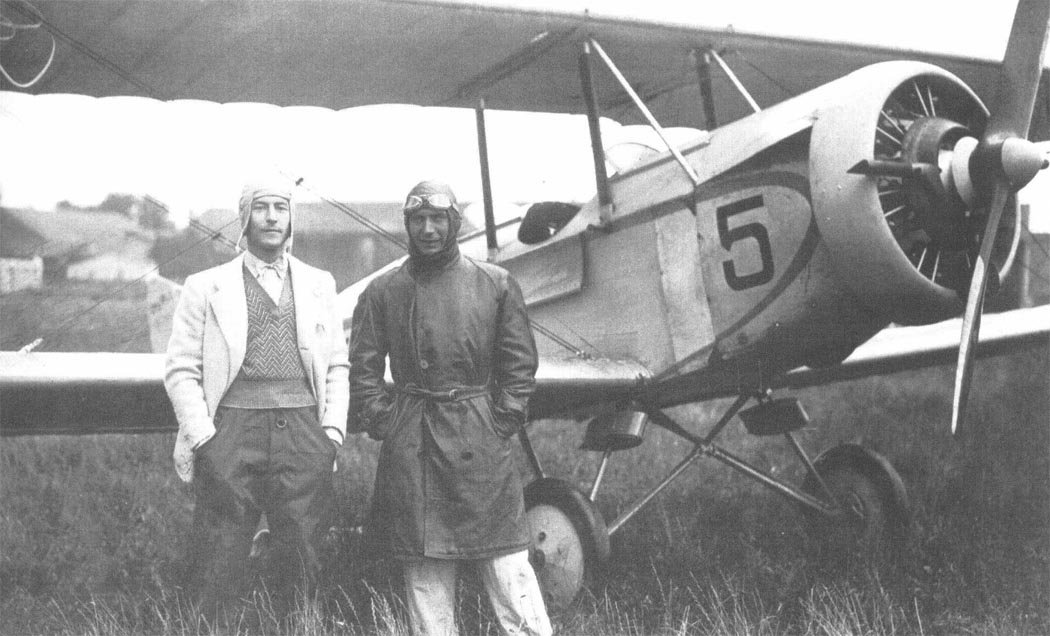 C.220 |