
After the end of the First World War, combat aircraft were not as in demand as civil ones, leading to many bombers being converted into passenger planes. Following this trend, brothers René and Gaston Caudron developed the large C.25 transport aircraft based on the heavy bomber C.23.
From Bomber to Passenger Aircraft
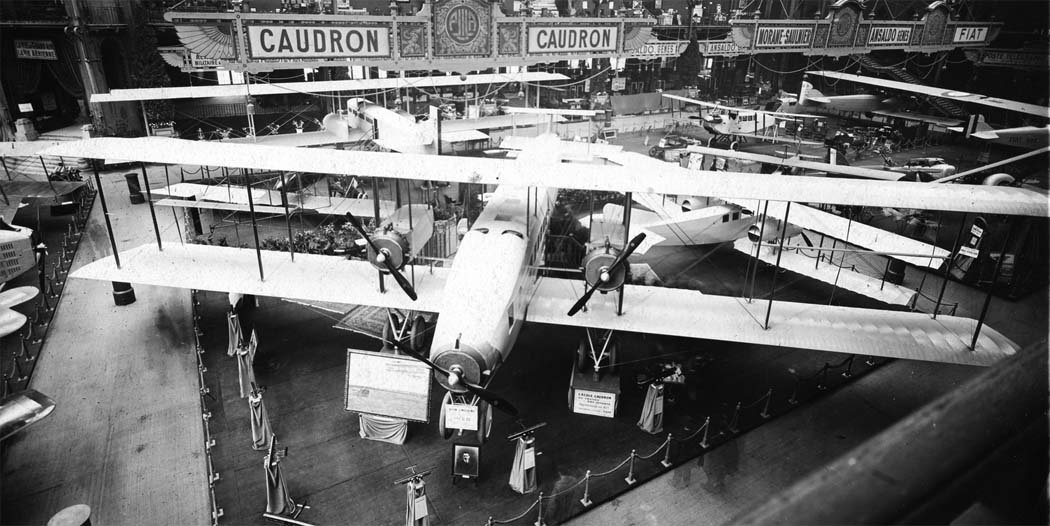
The Caudron C.25 was a triple-strut biplane, equipped with three Salmson 9Z engines, each producing 250 hp (190 kW). It was designed to carry up to 16 passengers and two crew members. The passenger cabin was outfitted with wicker chairs, electric lighting, and a toilet, offering notable comfort for its time.
Design and Comfort of the C.25
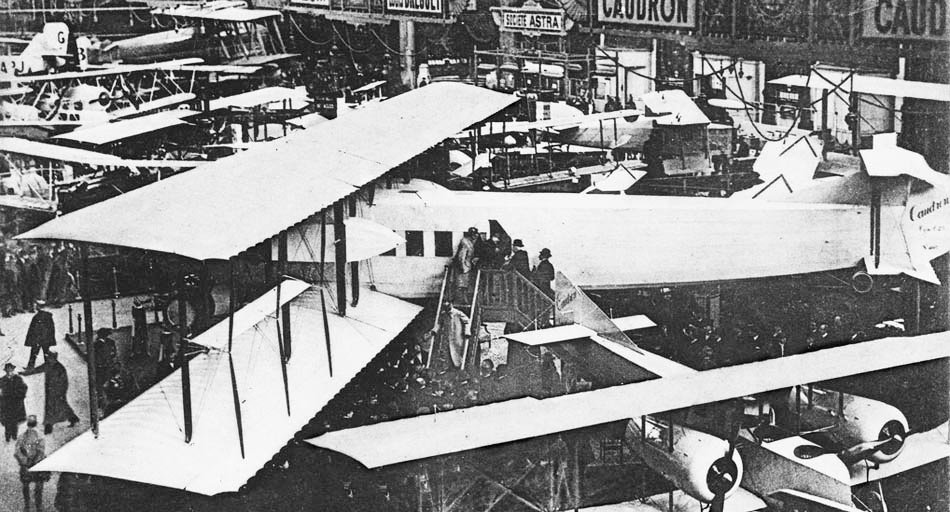
The only built example of this impressive aircraft was displayed in 1919 at the Paris Air Show, alongside another Caudron company aircraft, the C.33. Intriguingly, and for unknown reasons, the C.25 never once took to the air.
The Mystery of its Unflown Fate
Technical Specifications
| Modification | C. 25 |
| Wingspan, m | 25.00 |
| Aircraft length, m | 19.00 |
| Aircraft height, m | 5.45 |
| Wing area, m2 | 155.00 |
| Empty weight | 3400 |
| Maximum takeoff weight | 5580 |
| Engine type | 3 Piston engine Salmson 9Z |
| Power, hp | 3 x 250 |
| Maximum speed, km/h | 165 |
| Crew | 2 |
| Payload | up to 16 passengers |
Image and diagram gallery of the Caudron C.25
 C. |
 C. |
 C. |