
In the early 1950s, Cessna Aircraft leadership set the task of developing a modern administrative aircraft that would meet five main requirements: all-weather capability; a pressurized passenger cabin with air conditioning; a multi-engine design ensuring flight safety; a moderate price; and a passenger capacity of 8-10 people.
Development and First Flight
The project for an aircraft meeting all these requirements began in September 1953. Just three years later, the prototype was completed, receiving the civil registration number N620E.
The new aircraft, designated Cessna Model 620, took to the air on August 11, 1956. It was an all-metal low-wing monoplane, equipped with four Continental GSO-526-A engines, each producing 350 hp.
Market Shift and Project Cancellation
The aircraft successfully passed its tests, but the air transport market was undergoing a radical transformation at that time. More and more airlines were ordering jet aircraft, which led to a significant drop in the price of propeller-driven aircraft.
An economic study of potential Cessna 620 sales revealed that its price was far above the profitability threshold. This ultimately led to the project’s closure in October 1957.
Technical Specifications
| Modification | C 620 |
| Wingspan, m | 16. 76 |
| Aircraft length, m | 12.65 |
| Aircraft height, m | 5.03 |
| Wing area, m2 | 31.59 |
| Maximum takeoff weight | 6192 |
| Engine type | 4 Piston engines Continental GSO-526-A |
| Power, hp | 4 x 350 |
| Maximum speed, km/h | 433 |
| Cruising speed, km/h | 378 |
| Practical range, km | 2 735 |
| Practical ceiling, m | 8380 |
| Crew, crew members | 2 |
| Payload: | 8 passengers |
Image and diagram gallery of the Cessna Model 620
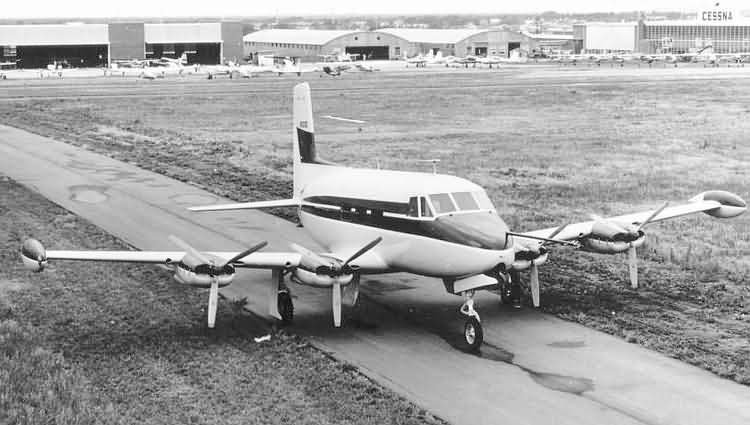 Cessna 620 |
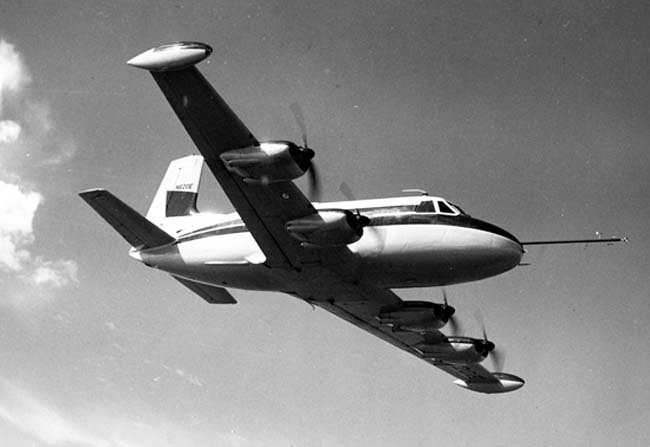 Cessna 620 |
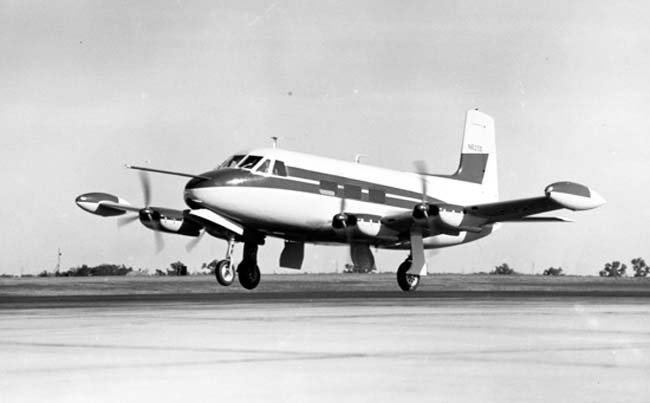 Cessna 620 |
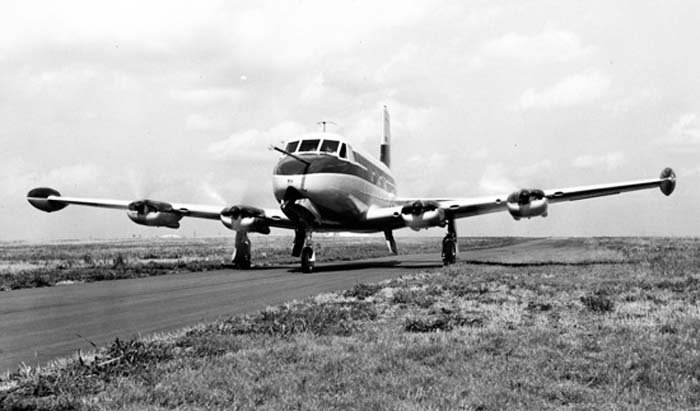 Cessna 620 |
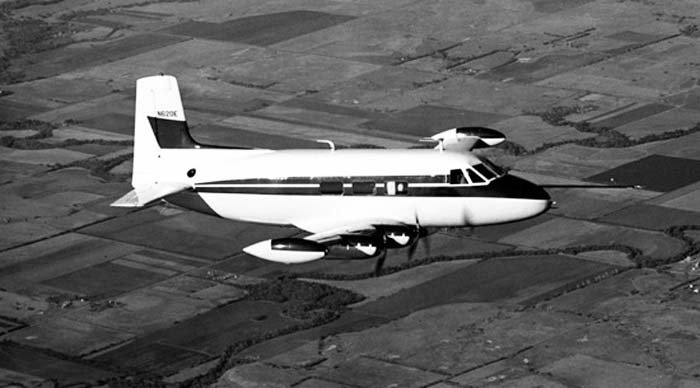 Cessna 620 |