
Innovation in Design and Control
The C.30 is a reconnaissance autogiro developed by the Spanish-born engineer Juan de la Cierva. In 1932, the C.30, Cierva’s most successful autogiro, emerged. It was the first to implement flight direction control by tilting the rotor. Previously, autogiros were controlled like airplanes, using elevators and rudders on the empennage, as well as ailerons on rudimentary wings.
However, these controls were largely ineffective at the low speeds characteristic of autogiro takeoff and landing. On the C.30, the rotor was mounted in a spherical joint, allowing its position to be changed by a stick attached to its base and extending down into the pilot’s cockpit. This gave the pilot effective control of the aircraft at low speeds, a crucial improvement previously tested experimentally on the C.19 Mk V autogiro.
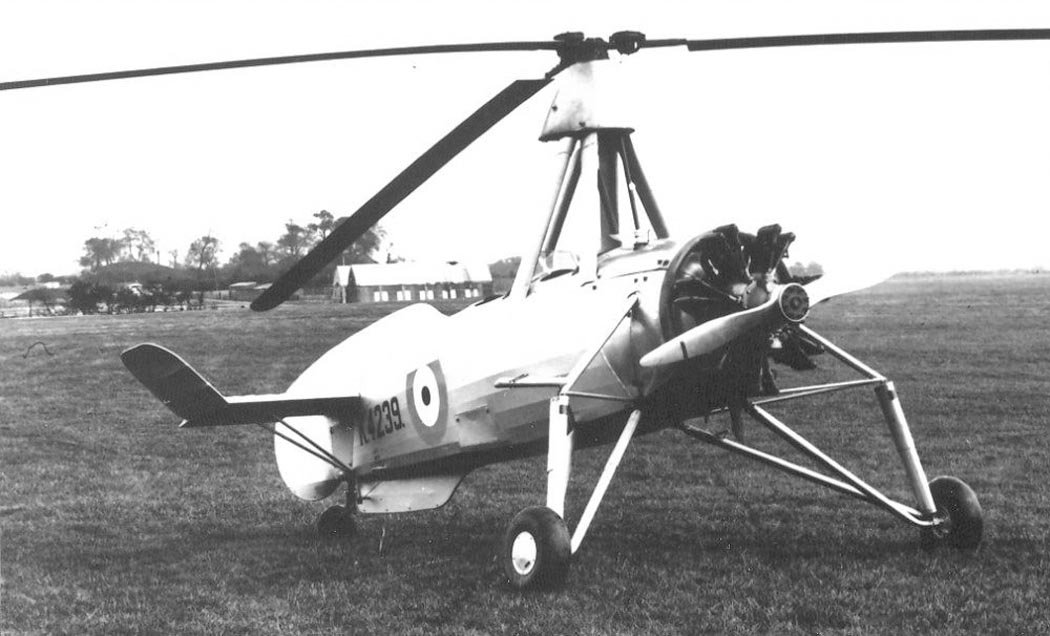
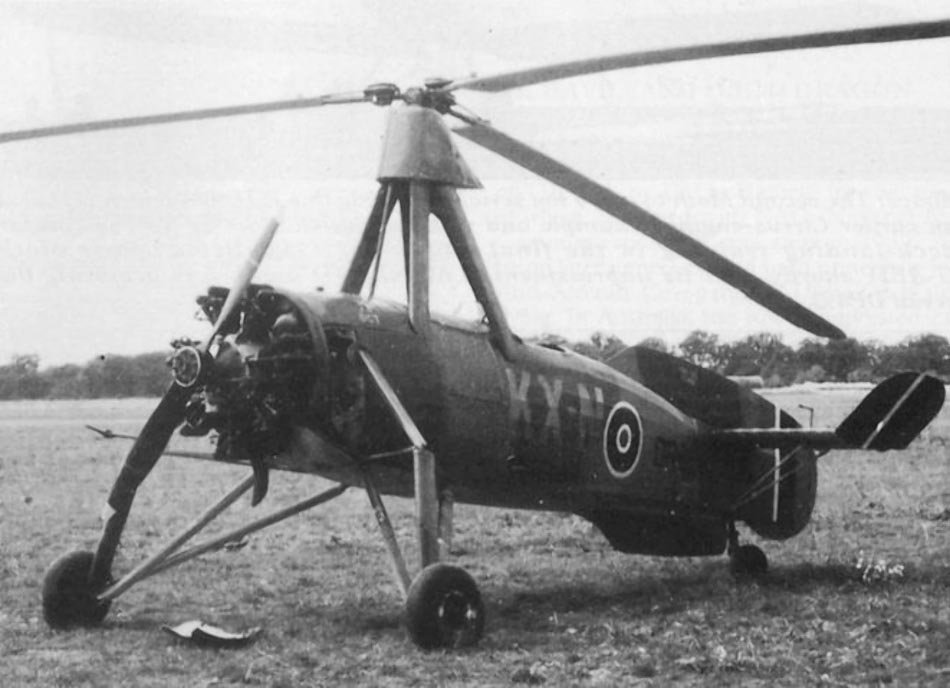
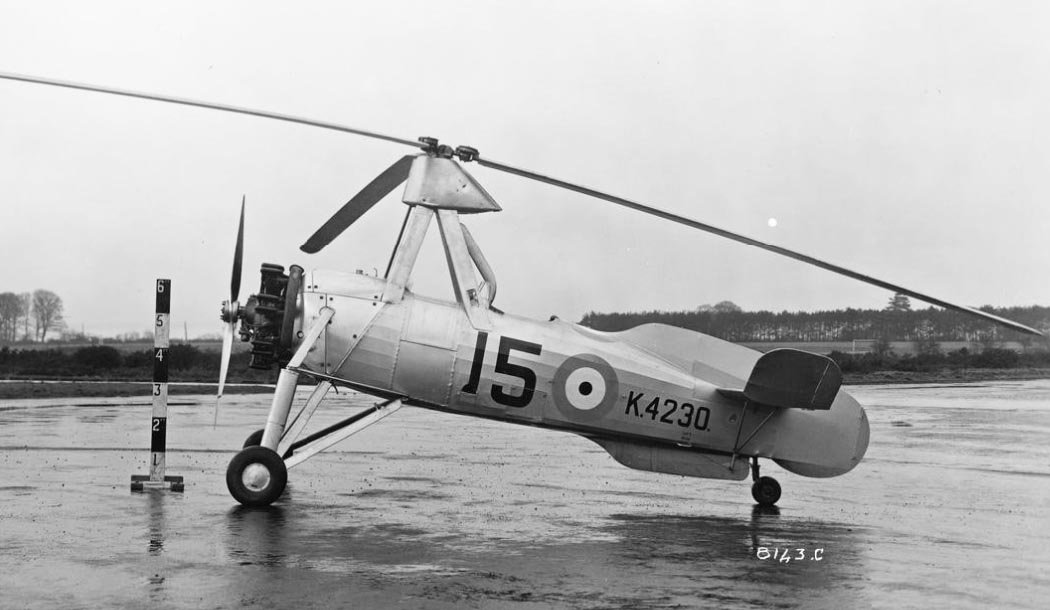
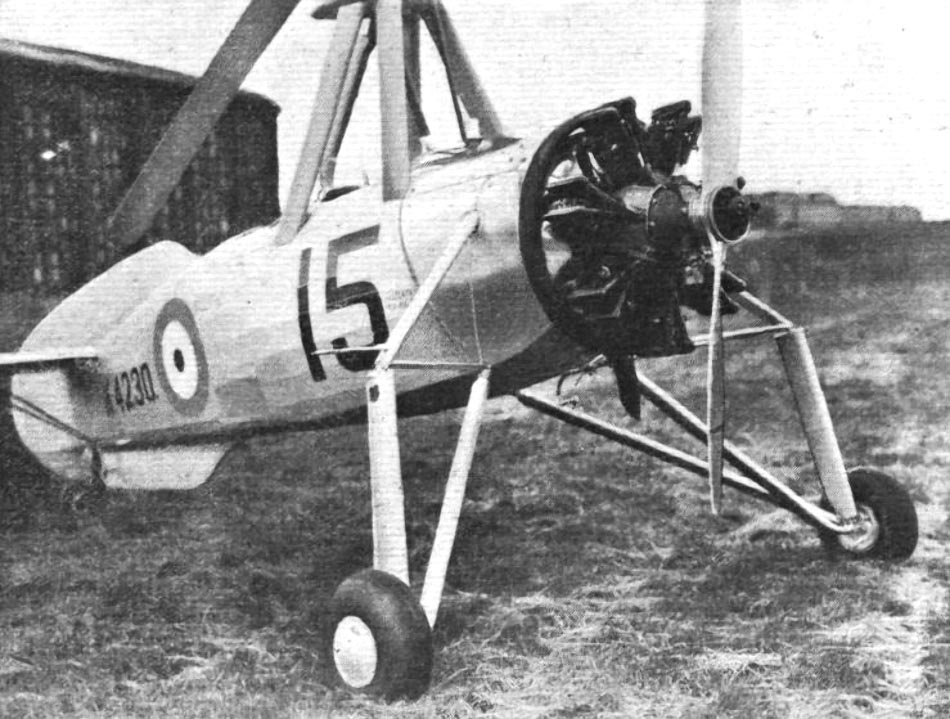
Only after these successful experiments did “National Flying Services” workshops receive an order to build a C.30 prototype. It was equipped with a 140 hp Genet Major IA radial engine. Externally, the C.30 differed from all its predecessors by having no wings, as they became unnecessary. Unlike the C.19, the engine was not cowled but stood openly.
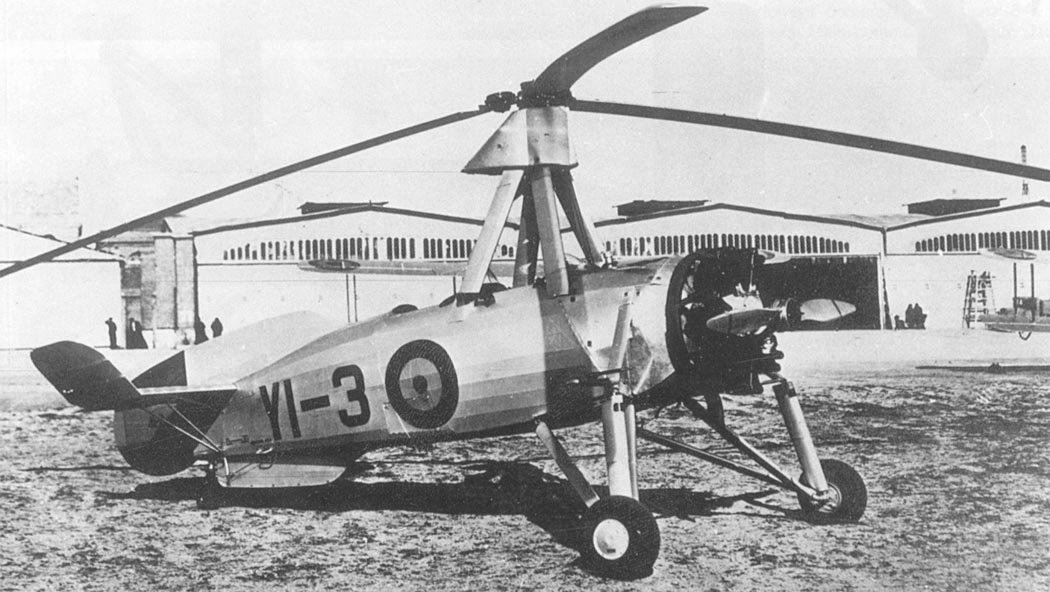
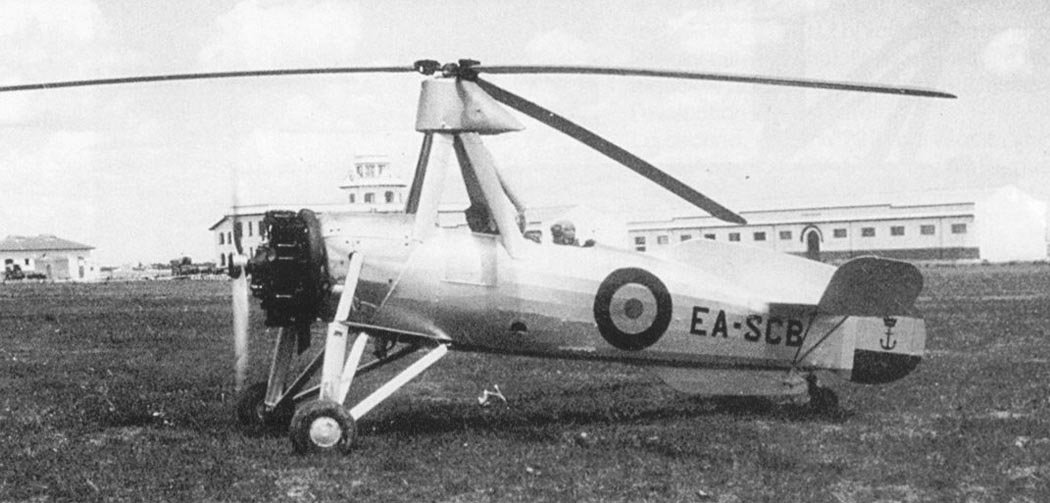
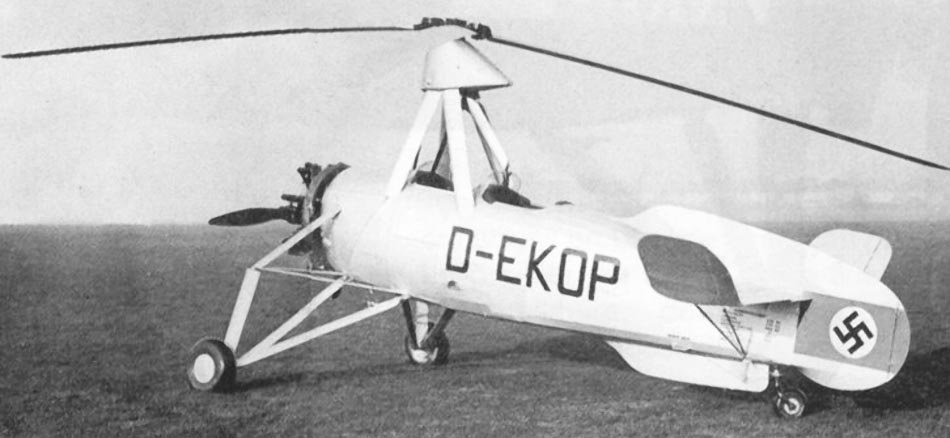
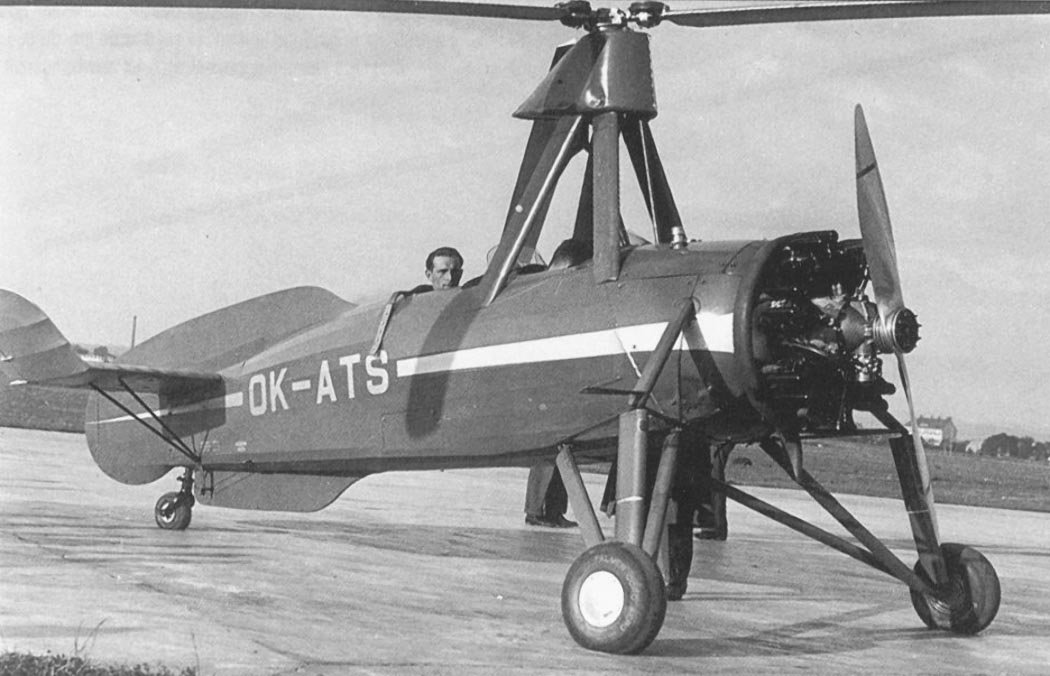
The tail section of the fuselage featured narrow, elongated vertical stabilizers at the top and bottom, with a rounded rudder continuing the contours of the fins. The horizontal empennage had a large transverse V from approximately mid-span. The rotor, similar in design to the C.19 rotor but differing in its mounting arrangement, was supported by a pyramid of three strut tubes covered by fairings, with an additional fairing at the apex of the pyramid.
The C.30 featured dual controls in both cockpits, with the rear considered the main one, although most instruments were duplicated. The lever controlling the rotor’s position was also split, with a second stick extending from it to the front cockpit. The landing gear struts, carrying small-diameter low-pressure wheels, were extended far forward, close to the engine. These struts had oleo-pneumatic shock absorbers.
At the rear, in a recess of the rudder, was a steerable tail wheel. The main wheels were equipped with brakes, but these could only operate synchronously. The C.30 trials concluded successfully. The prototype autogiro proved to be very maneuverable yet stable in flight, a machine that could not be forced into a spin.
Mass Production and Variants
The Avro company decided to release a series of such autogiros. The production modification was named C.30A and differed by having a four-strut, instead of three-strut, pylon. Additionally, the rotor blades folded to allow the aircraft to occupy less space in the hangar, and the landing gear track was significantly increased. The prototype C.30A should rather be considered the leading production model.
Starting in 1934, the Avro factory in Manchester built a total of 77 C.30As. Of these, 49 were supplied to customers in Great Britain, and 28 were exported. In addition, the C.30A was built under license abroad. In Germany, Focke-Wulf produced about 40 machines, distinguished by a Siemens engine. In France, the Lioré et Olivier factory manufactured 25 LeO.301s, equipped with a 175 hp Salmson 9Ne engine.
In August 1934, a production C.30A was exhibited at an aviation show in Copenhagen. The report of the Soviet delegation that visited it noted: “The exhibited C-30 machine – an autogiro without wings and control surfaces – is very interesting in its constructive design, promising a number of significant advantages in terms of ease of control and operation.” The Danes purchased a license for this machine, manufacturing only two C.30As for military aviation, which had the local designation IM.
In England, autogiros were purchased by aero clubs, flight schools, small firms, and private individuals. They were used for aerial photography, communication in hard-to-reach areas, traffic observation, and other purposes. Twelve autogiros were supplied to the British RAF. In 1933, the Air Ministry ordered 10 C.30As as Avro 671 or “Rota” I, intended as artillery spotters and communication aircraft.
Wartime Service
Five of these machines were delivered to the RAF in June 1934, and five in August. One was adapted for naval aviation requirements and loaded onto the aircraft carrier HMS Courageous in the summer of 1935 for testing its suitability for rescue operations and shore communication. This autogiro completed the entire summer cruise with the Courageous, but no further orders from the fleet followed.
Nine other “Rota” autogiros were transferred to the Army Cooperation Flight School at Old Sarum. A little later, two more machines were ordered. One, intended for various research, was manufactured in January 1935, and the second in May. The second autogiro was fitted with floats at the Short factory in Rochester and tested as a rescue aircraft at the naval base in Felixstowe. Two “Rota” autogiros were destroyed in accidents: one in January 1935, and another in November 1936. One was dismantled for spare parts, and one was used as a non-flying training aid.
Doubts began to arise about the value of autogiros for the RAF, and by the end of 1938, eight machines were placed in storage. When the question of their use arose again at the start of World War II, only three of them could be “reanimated.” However, a total of eight serviceable civilian C.30As were requisitioned. Of these, the military received two machines in 1939, five in 1940, and one in 1941. Additionally, five autogiros were assembled at Duxford in 1941-42 from components and assemblies of previously written-off aircraft and spare parts.
The autogiros were used for calibrating radars installed on the English coast. They were part of the 74th Wing (Regiment), which, in addition to rotary-wing aircraft, also had light aircraft of various types. In February 1942, the autogiros were allocated to a separate 1448th Flight, stationed at Halton. The aircraft usually operated individually from platforms located near radar stations.
In areas of German air activity, the autogiros were protected by fighters. Several instances of enemy aircraft attacks were recorded, but not a single autogiro suffered combat damage. In all cases, the escort successfully repelled the attacks. However, losses did occur due to breakdowns. On April 16, 1942, a C.30A crashed into the sea near Seaton. On October 24, 1943, a similar fate befell another machine, which was later salvaged from the seabed but deemed unfit for repair and scrapped.
In mid-1943, the flight was renamed the 529th Squadron. Throughout the war, this was the only unit in the Royal Air Force equipped with autogiros. From early 1945, American R-4 helicopters, called “Hoverfly” I in England, began to arrive. In October of the same year, after Japan’s surrender, the squadron was disbanded, and its equipment was put into storage. In May 1946, all autogiros were officially withdrawn from service and sold to private individuals, but practically none flew again.
Other countries had far fewer C.30A type autogiros than Great Britain. Individual units were tested or operated in Belgium, Yugoslavia, and Spain. The Swedish company “Helikopter-Flieg” acquired several machines, which operated quite successfully in hard-to-reach areas, including during winter. At the beginning of World War II, the autogiros were incorporated into naval aviation.
They patrolled the Baltic coast and the Skagerrak Strait, searched for floating mines and sometimes destroyed them, and delivered food and medicine to ice-bound ships in winter. Rotary-wing aircraft were frequently used in rescue operations. During the snowy winter of 1940-41, they made flights to small observation post garrisons cut off by impassable roads. During the war, pilot R. von Bar accumulated 7000 flying hours on autogiros and made two forced landings on water. After the war, the Swedes bought several more autogiros in England, including one military “Rota” type, which had its tail assembly modified.
The Polish Ministry of Communications acquired a C.30A autogiro in 1934. It was flown from London to Warsaw by military pilot Lieutenant Colonel Staszon. The autogiro was registered as civilian and sent for testing to the Institute of Aviation Engineering. The tests showed that the machine was suitable for military purposes as a scout and communication aircraft. The autogiro was displayed at an air parade in Warsaw on September 14, 1935.
The purchased C.30A was transferred to the Polish Air Force in 1936. An autogiro unit was formed in the 4th Air Regiment in Toruń, where pilots were to be trained in flying such machines and tactics for their application developed. It was assumed that they would replace balloons and partially artillery spotter aircraft. However, the lack of a radio station on the C.30A made it ineffective in this role.
After the completion of military trials, the autogiro was given to the Toruń aero club for propaganda purposes. It was last demonstrated at a festival in Gdynia in the summer of 1939. Then the war began, and the aircraft was destroyed by the Germans. The Soviet Union also acquired one C.30A for study. In early 1935, this machine arrived at OELID TsAGI, where it underwent thorough study and a series of flight tests.
After this, in September, the autogiro was transferred to the NII VVS (Air Force Research Institute), where the C.30A completed a full program of state trials. Pilot A.A. Ivanovsky flew it with various flight observers – Shaurov, Nikitin, and Shishkin. Data from the English autogiro were compared with the results of tests of the domestic winged aircraft A-7, which was specially created as a military aircraft and deemed superior. Later, the C.30A was used to study various aspects of the behavior of a wingless autogiro in the air in preparation for the creation of the domestic analogous A-12 aircraft.
The license for the C.30A was also sold to Japan, where the Kayaba company used it in the development of its own autogiro design, which was subsequently built in small series and used in World War II.
Technical Specifications
| Modification | C.30A |
| Main rotor diameter, m | 11.38 |
| Length, m | 6.01 |
| Height, m | 3.38 |
| Empty weight | 553 |
| Normal takeoff weight | 816 |
| Engine type | 1 Piston engine Armstrong Siddeley Genet Major IA |
| Power, hp | 1 x 142 |
| Maximum speed, km/h | 177 |
| Cruising speed, km/h | 153 |
| Practical range, km | 459 |
| Crew | 2 crew |
Image and diagram gallery of the Cierva C.30 Autogiro
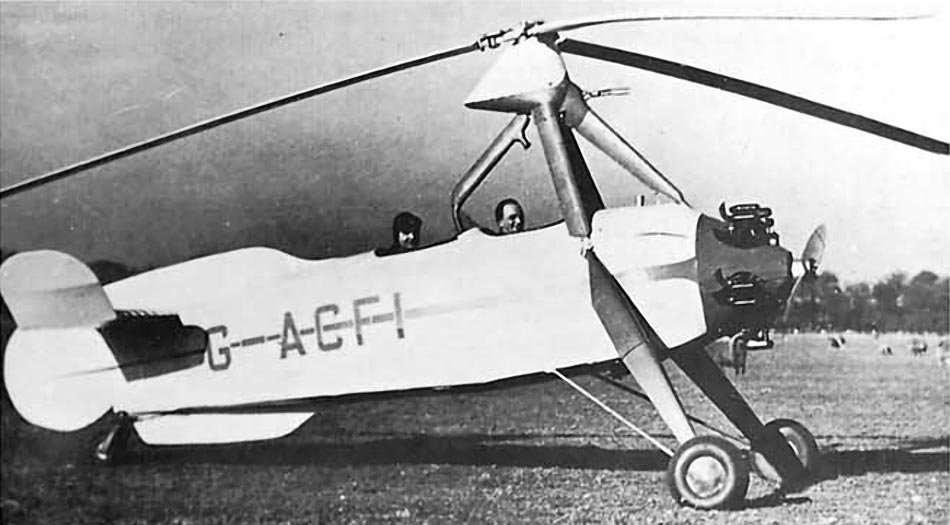 C.30 |
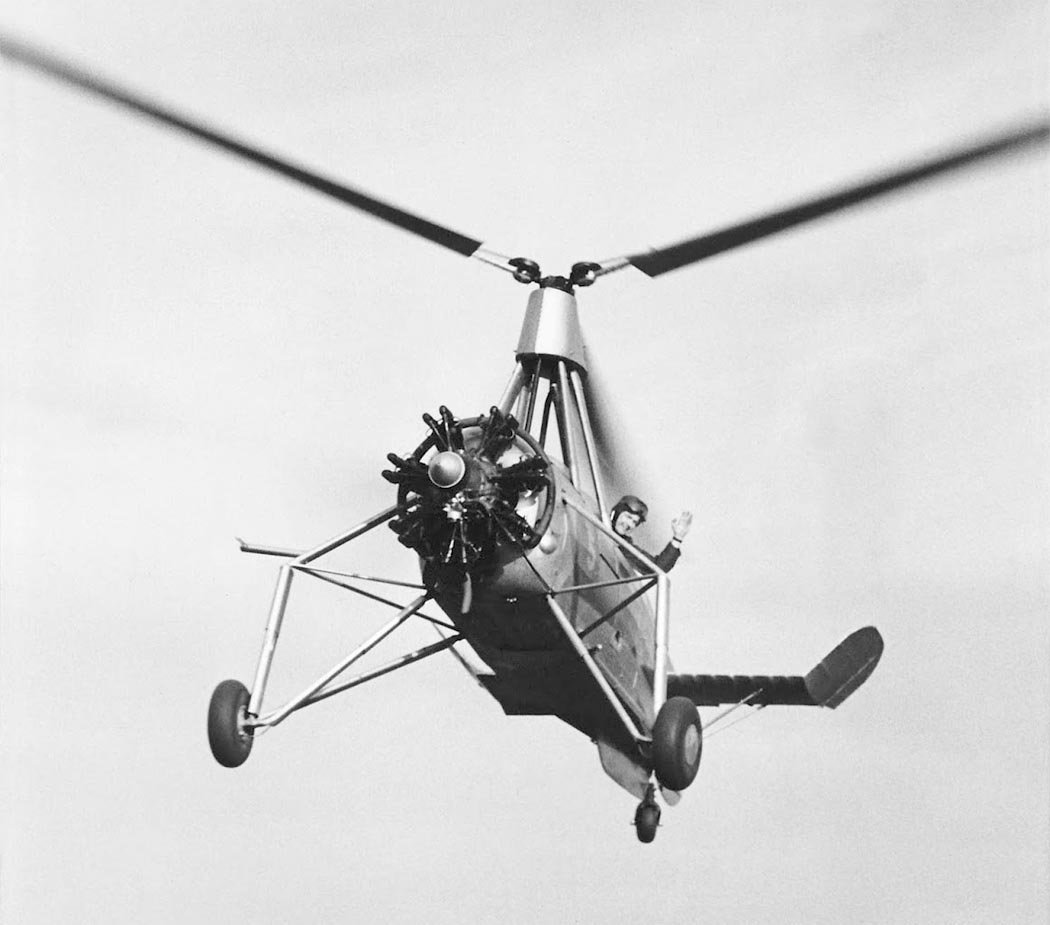 C.30 |
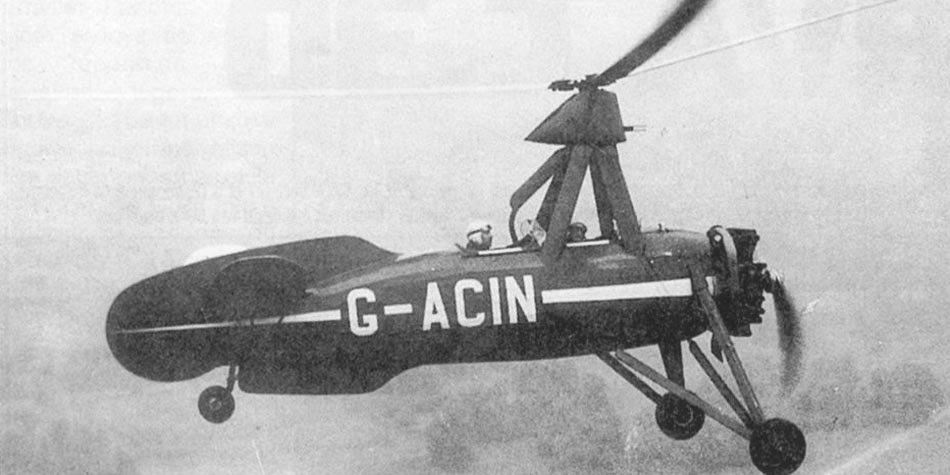 C.30 |
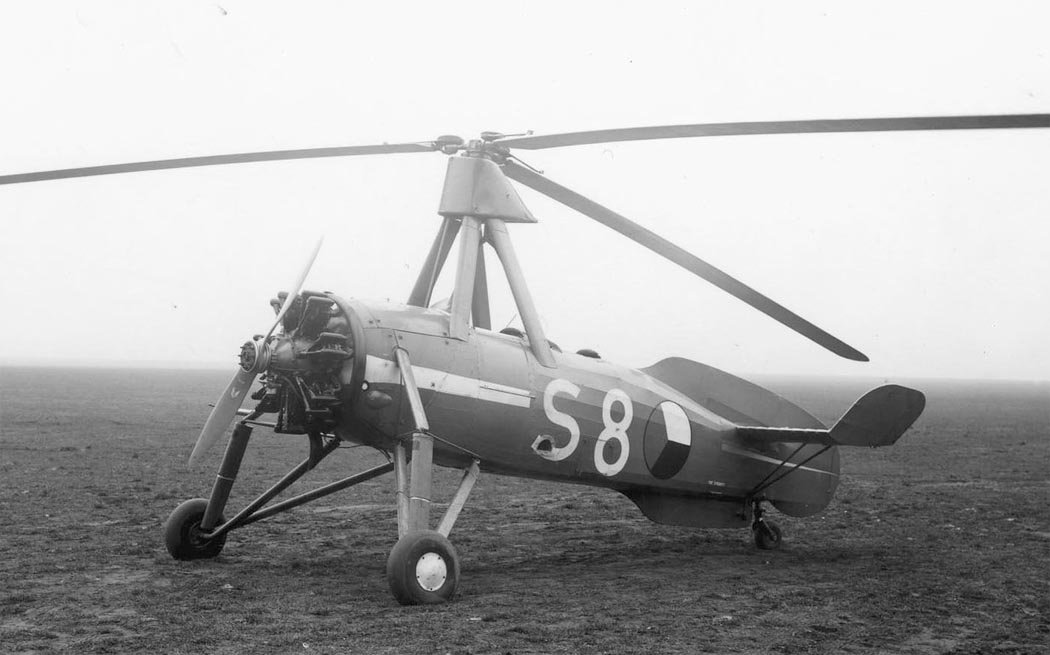 C.30 |
 C.30 |
 C.30 |
 C.30 |
 C.30 |
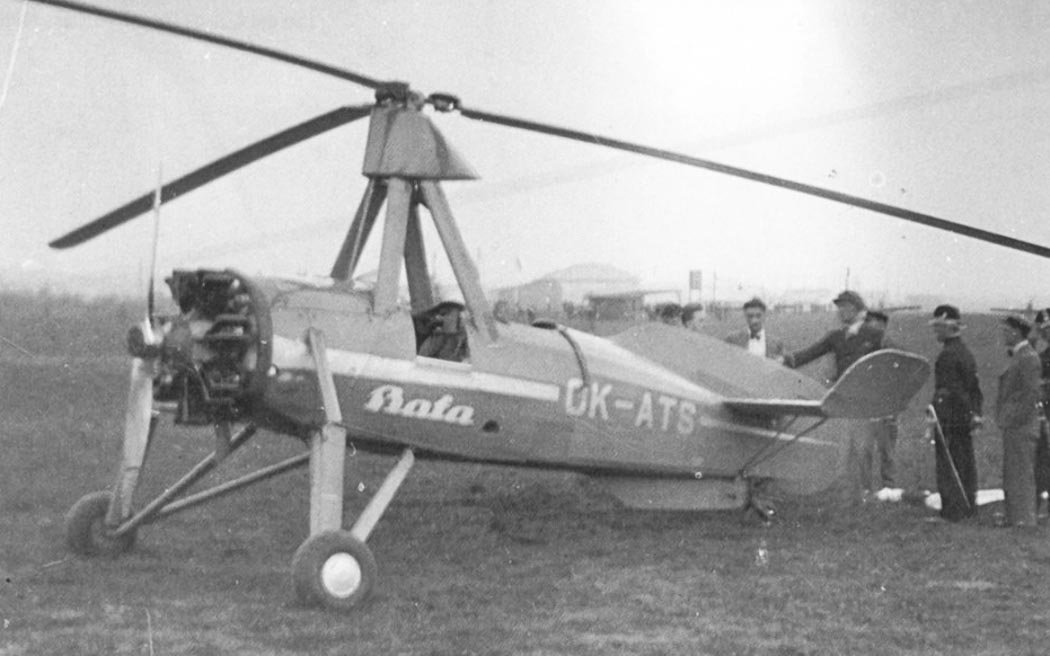 C.30 |
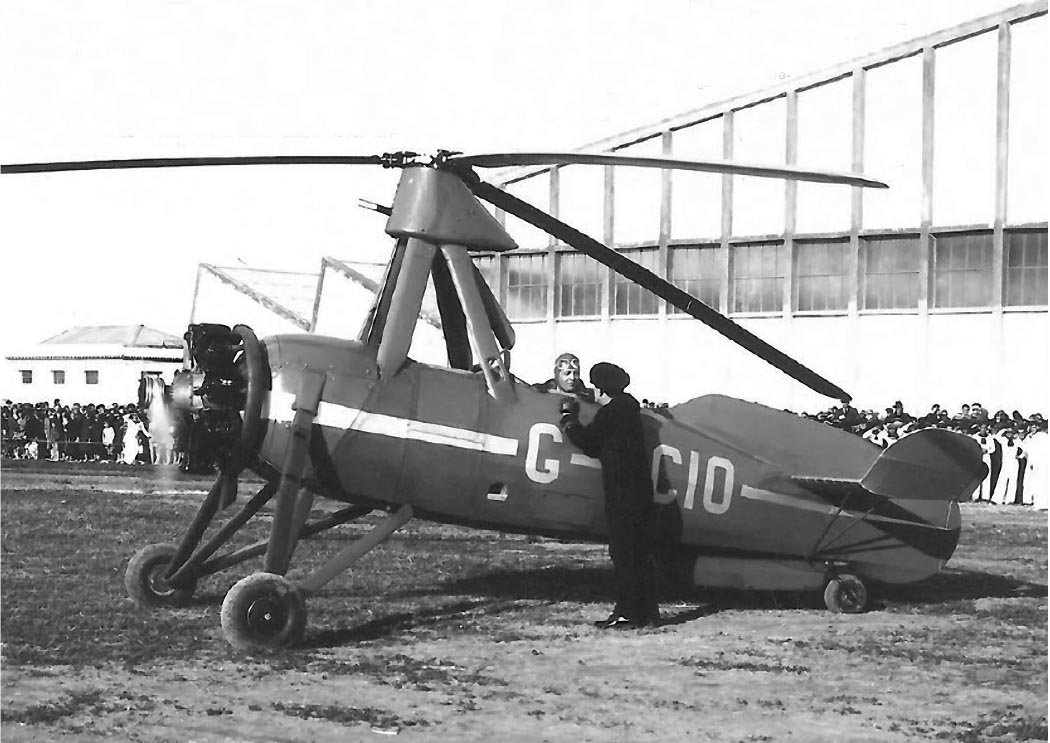 C.30 |
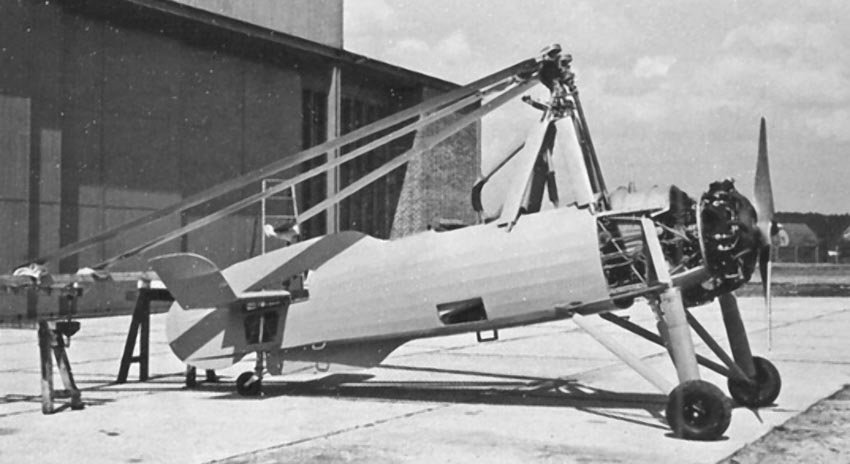 C.30 |
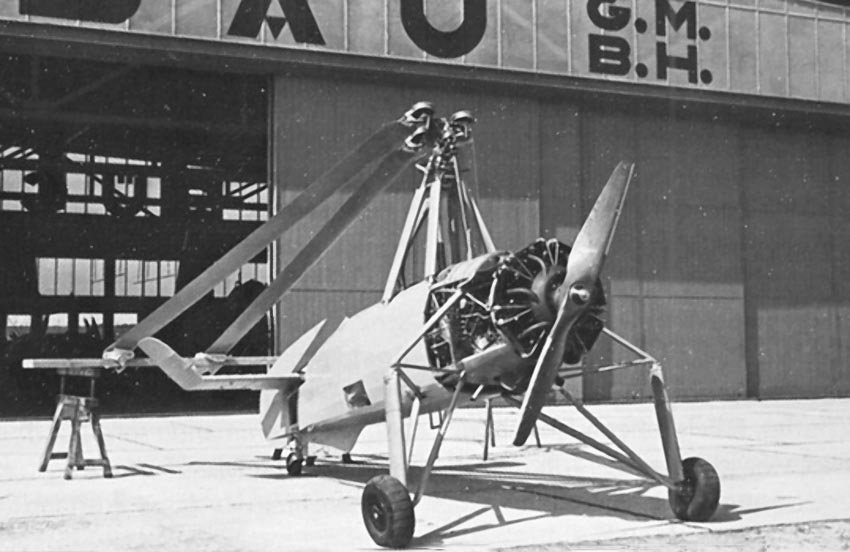 C.30 |
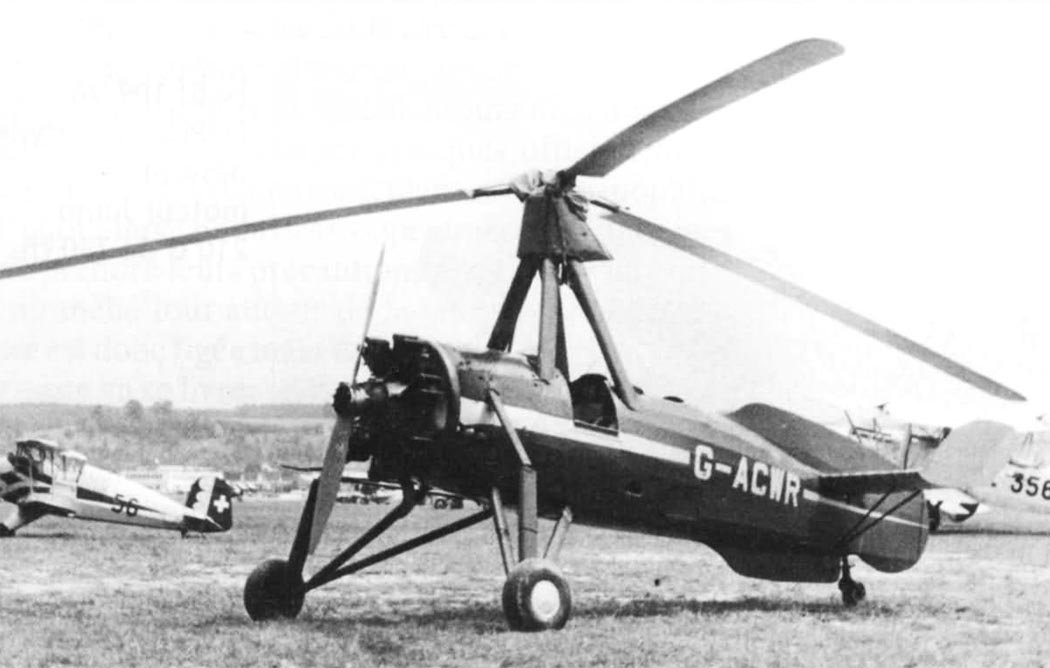 C.30 |
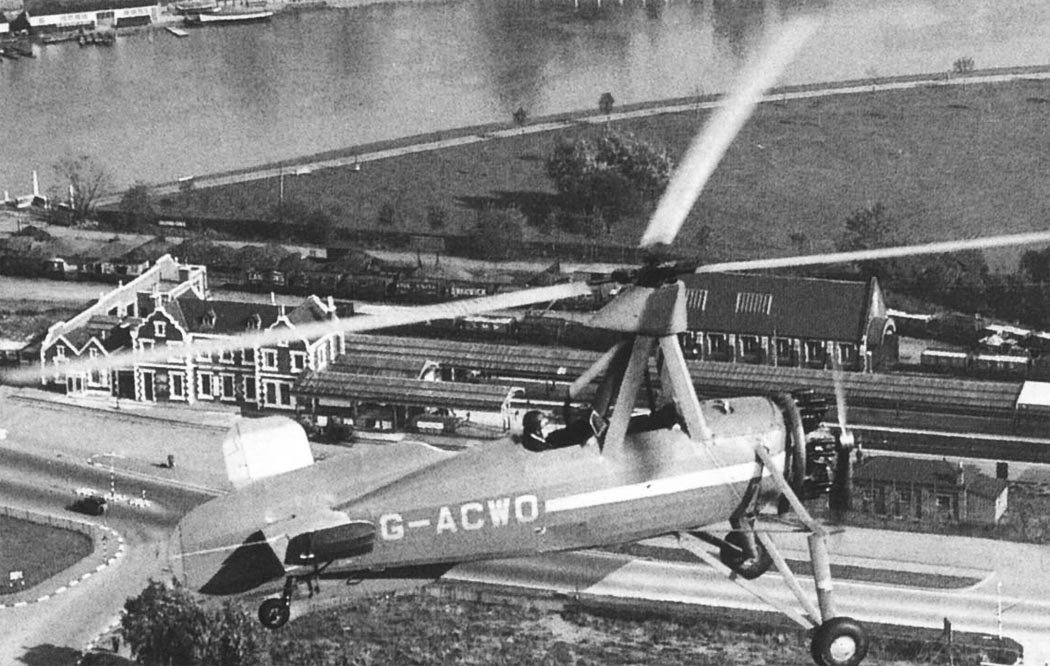 C.30 |
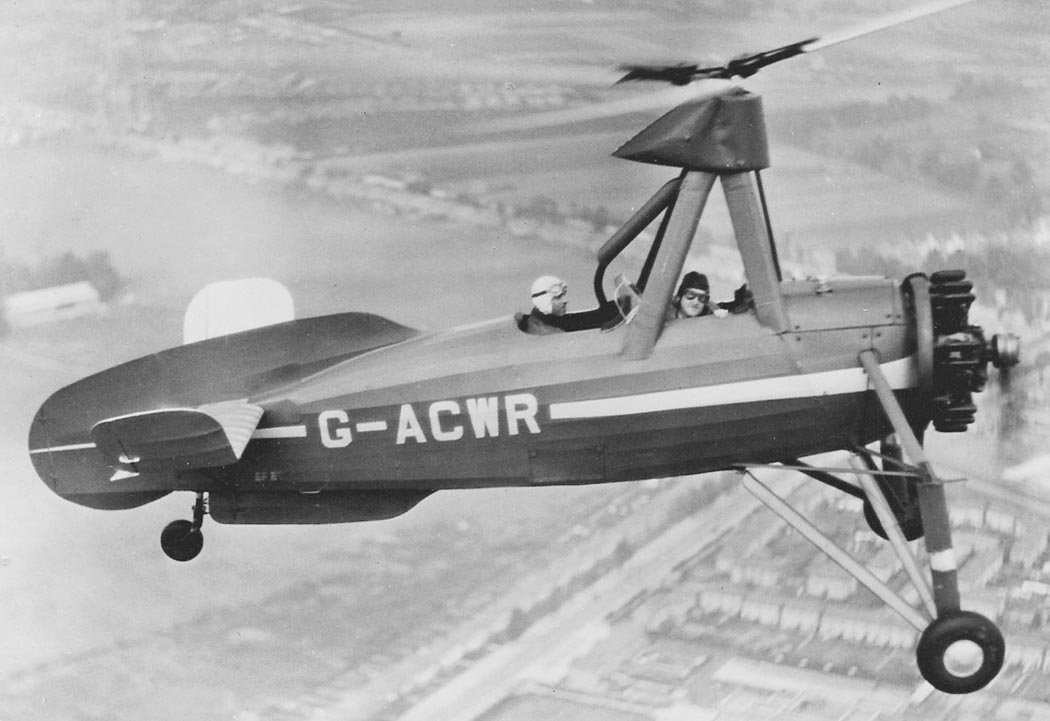 C.30 |
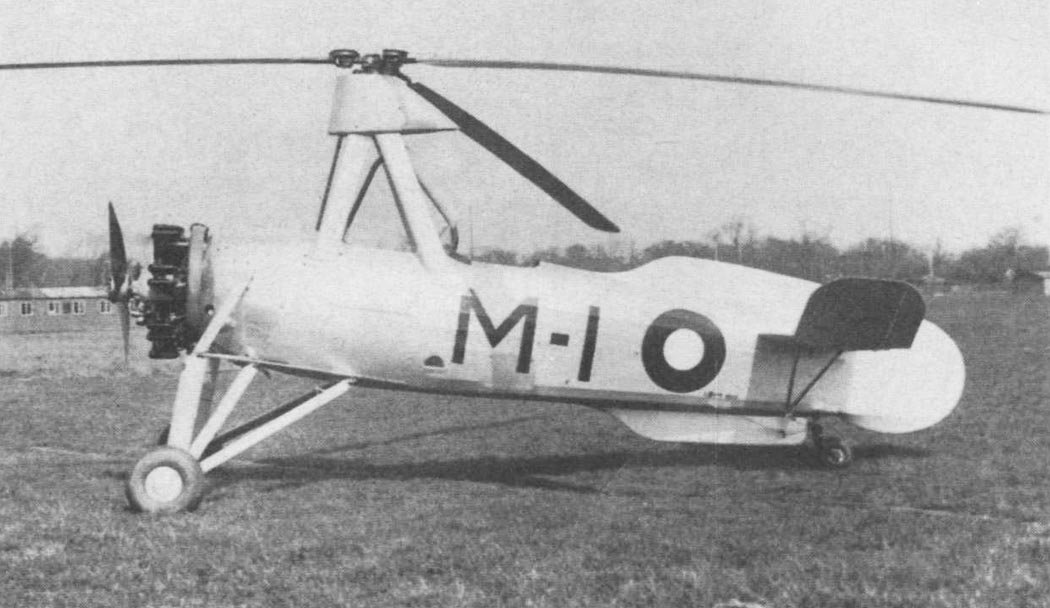 C.30 |
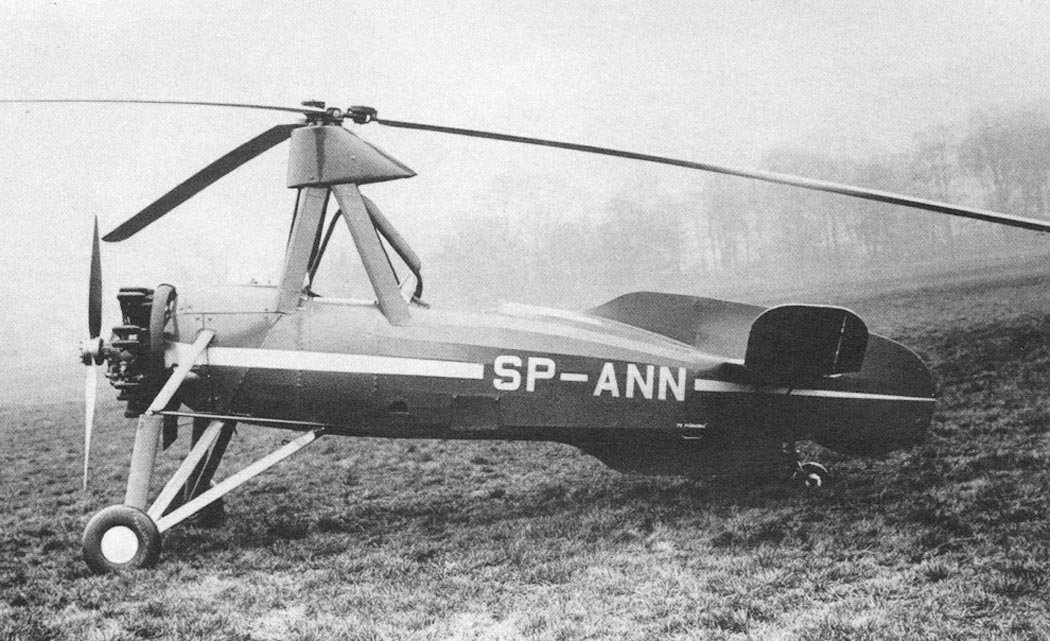 C.30 |
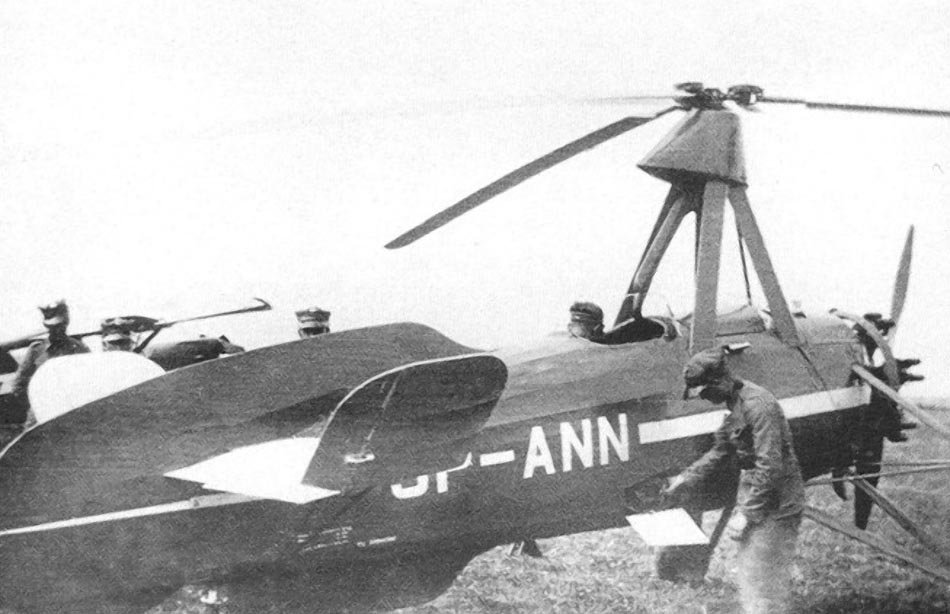 C.30 |
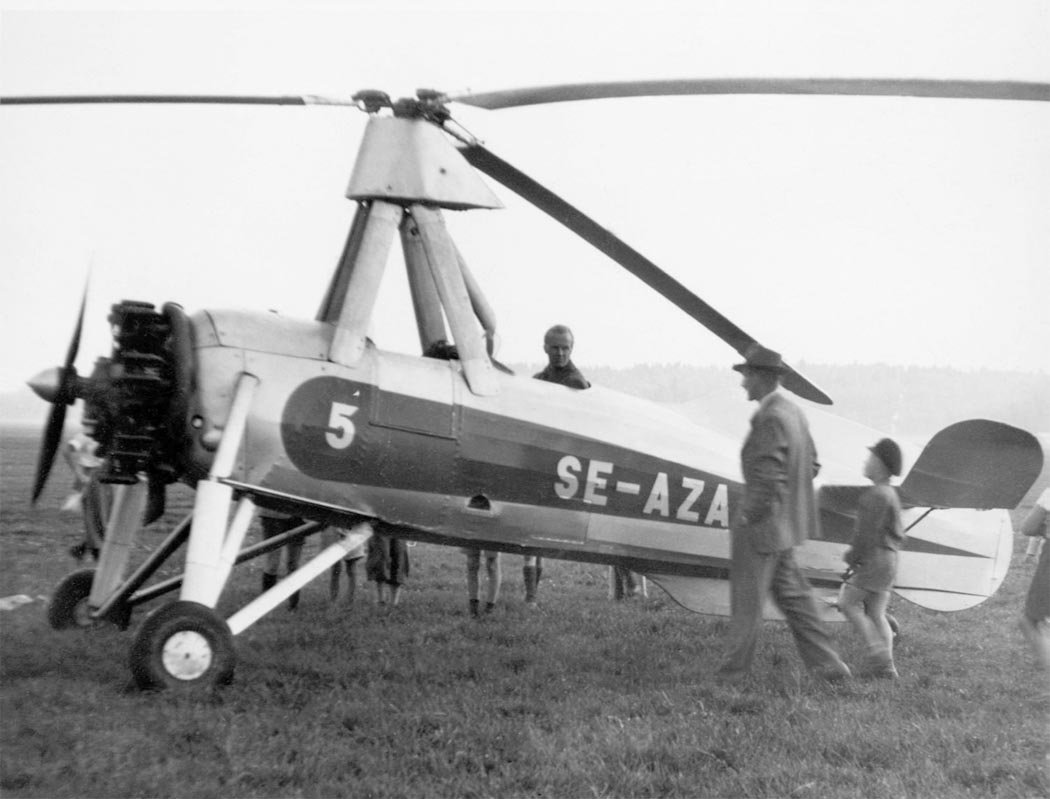 C.30 |
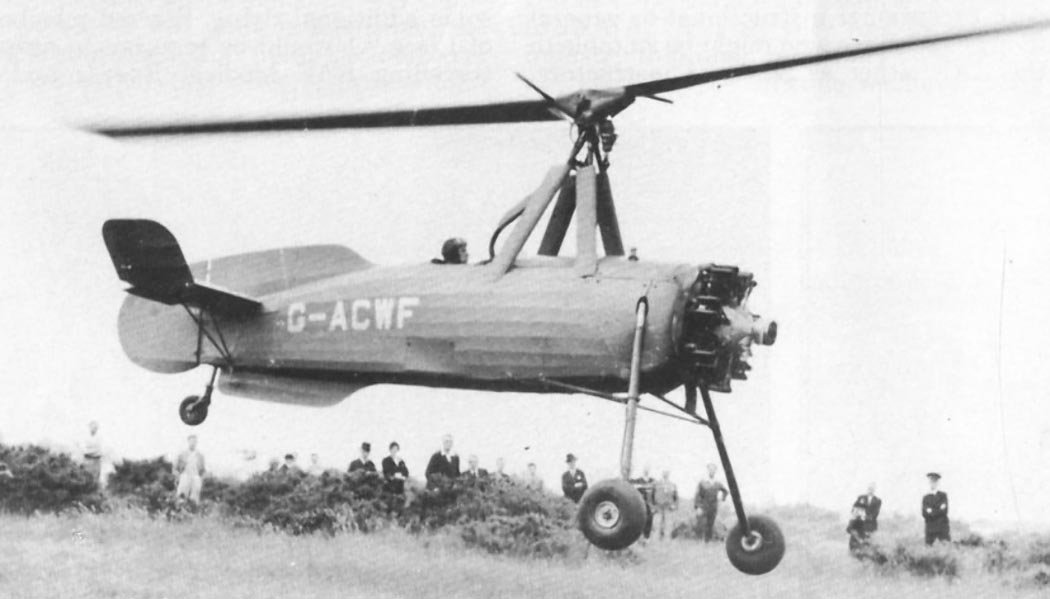 C.30 |
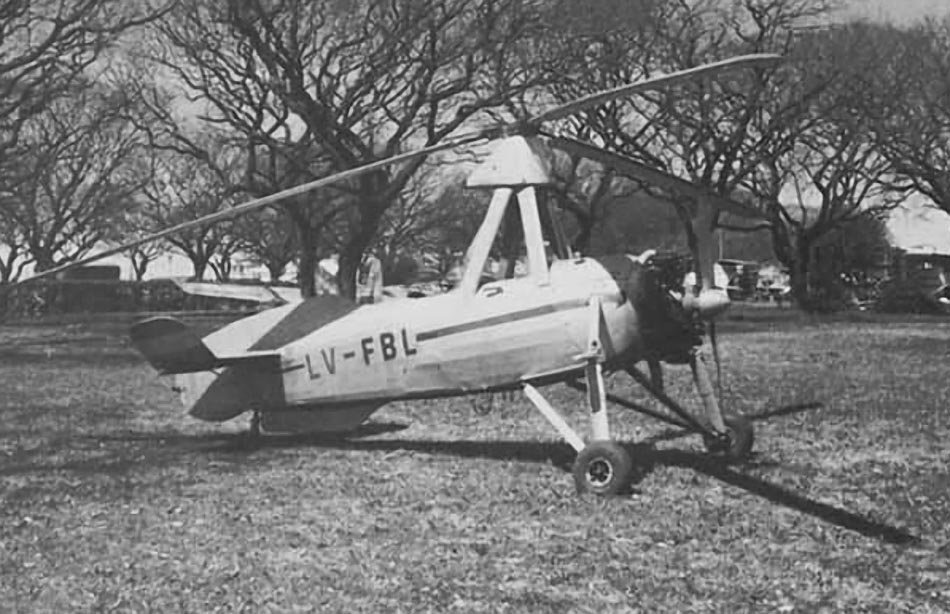 C.30 |
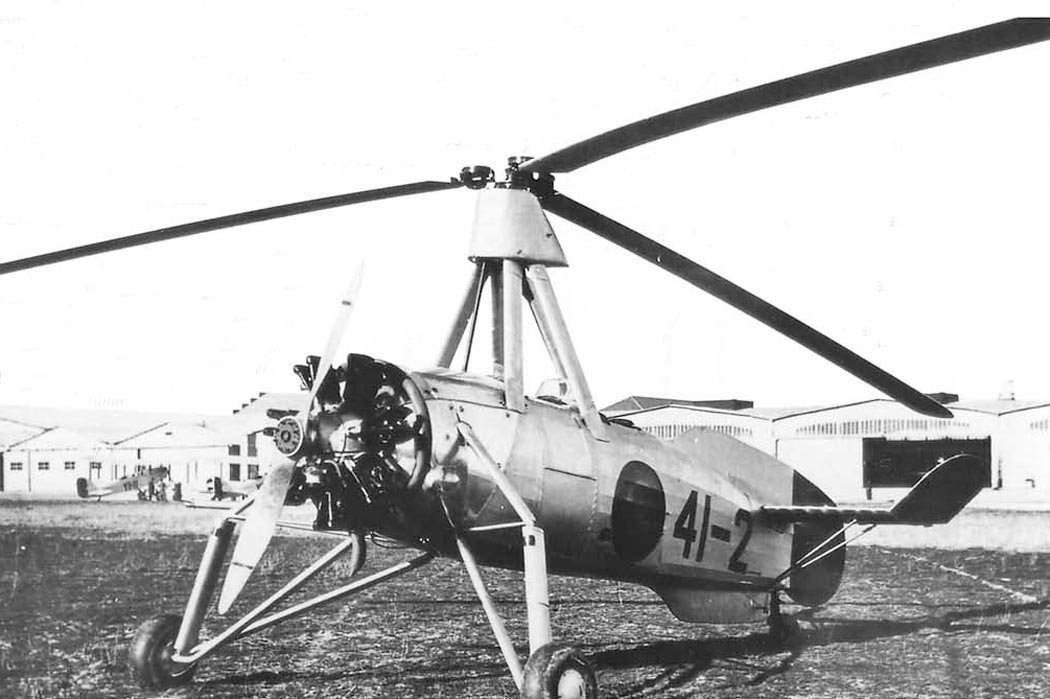 C.30 |
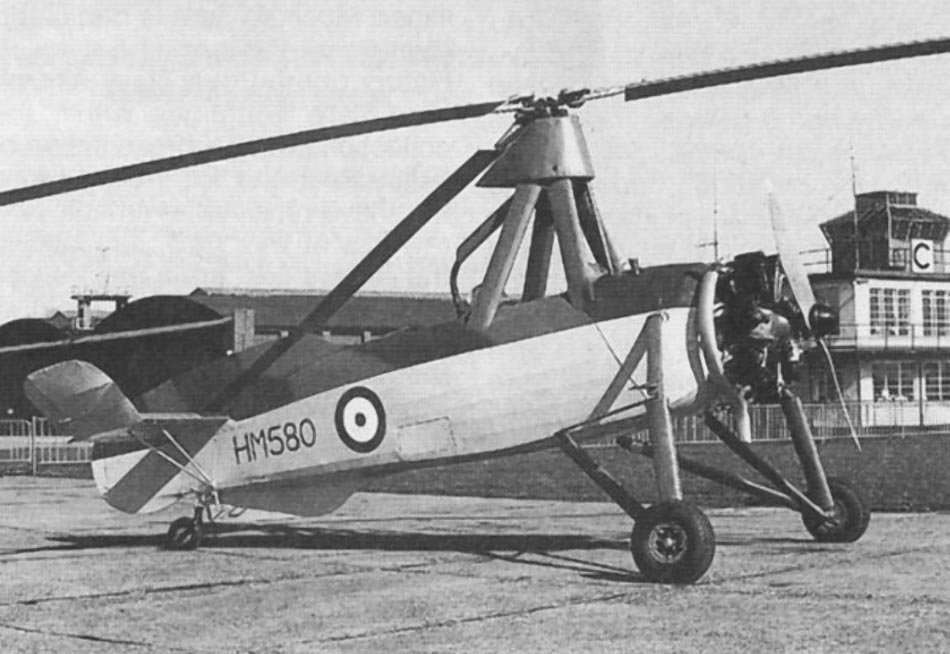 C.30 |
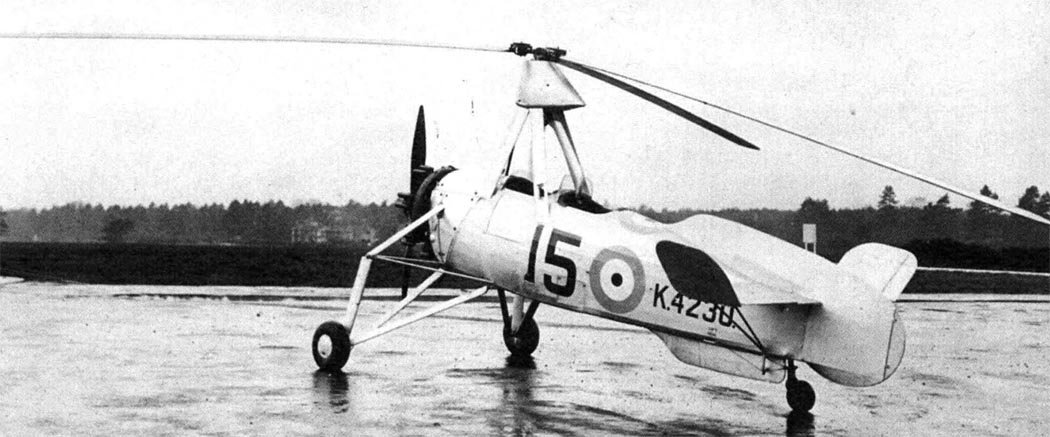 C.30 |
 C.30 |
 C.30 |
 C.30 |
 C.30 |
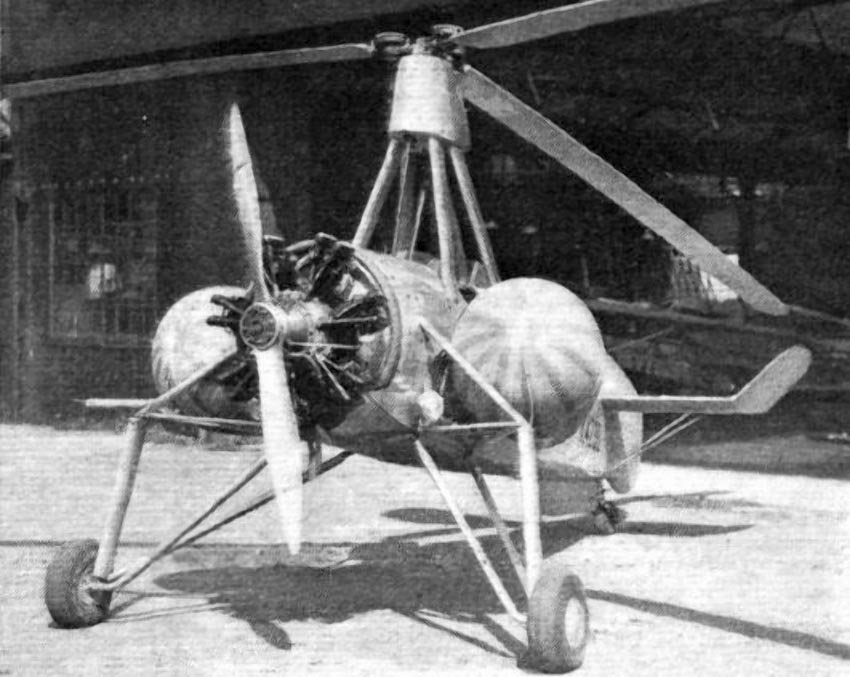 C.30 |
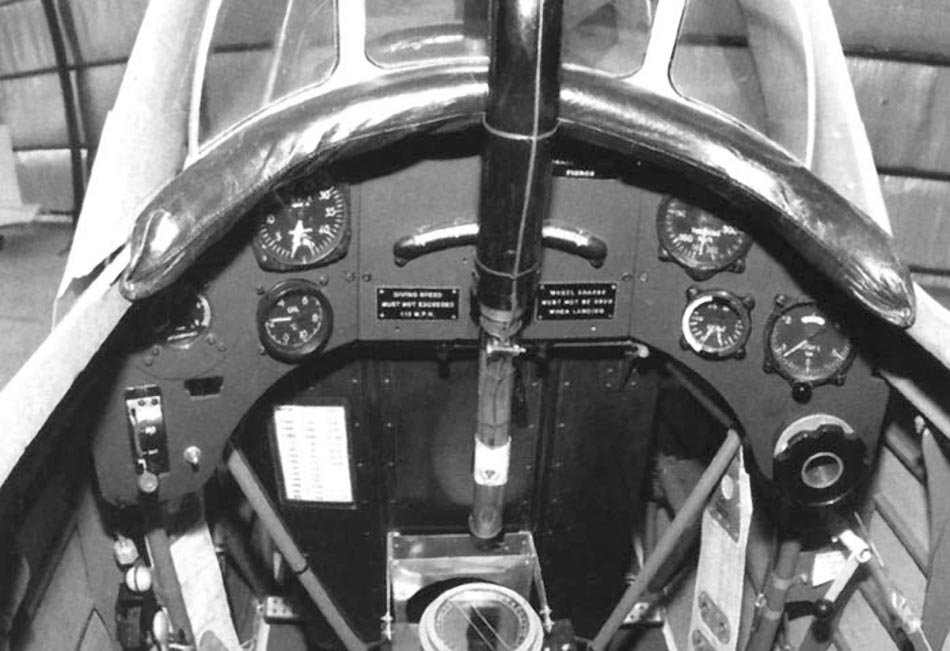 C.30 |
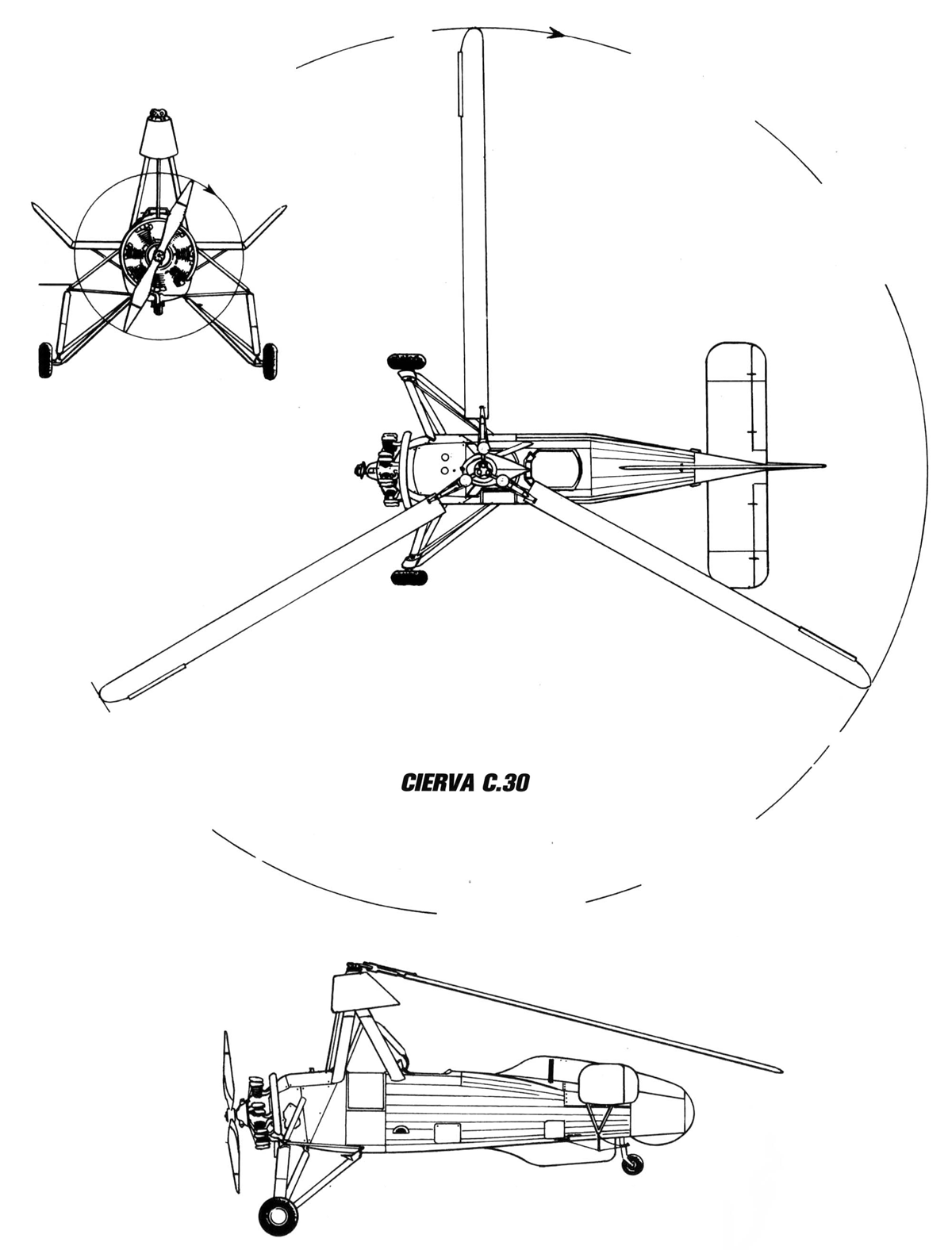 C.30 |
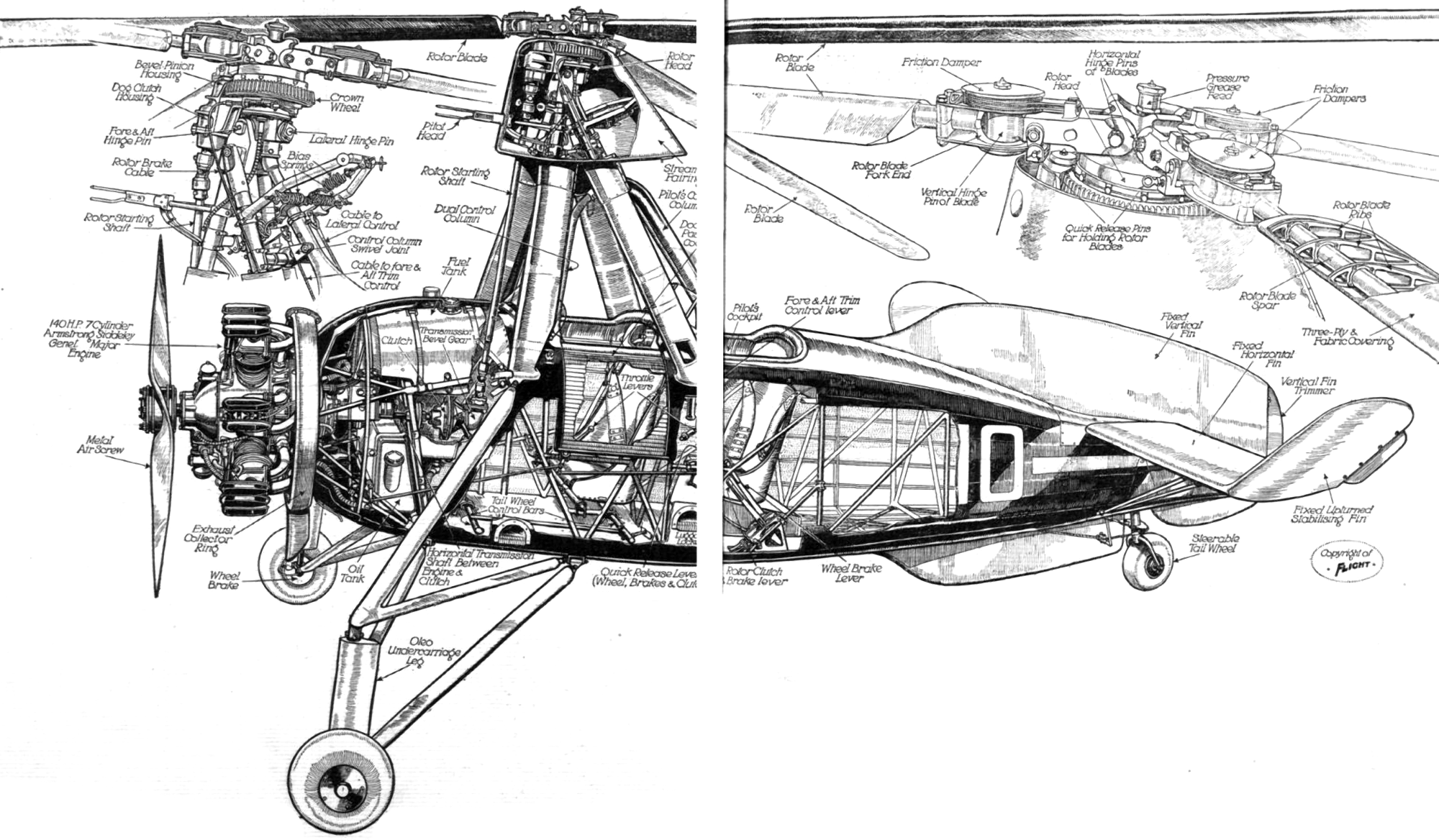 C.30 |
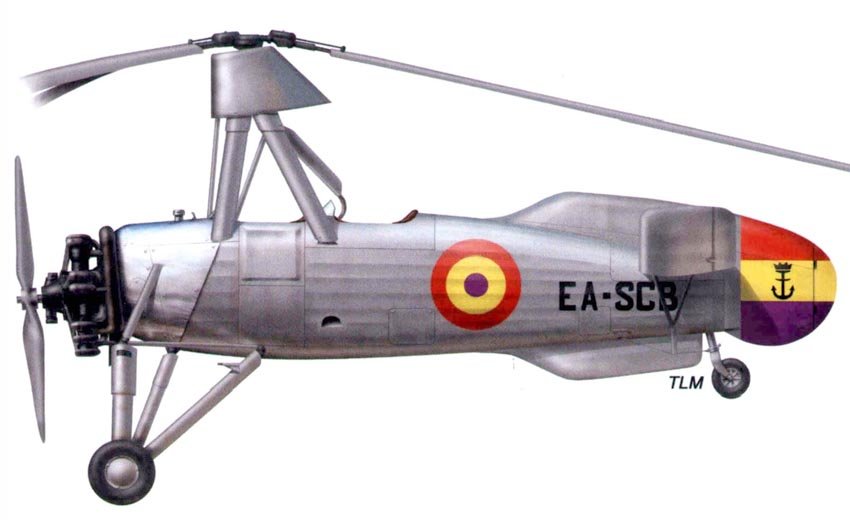 C.30. Photograph: TLM |
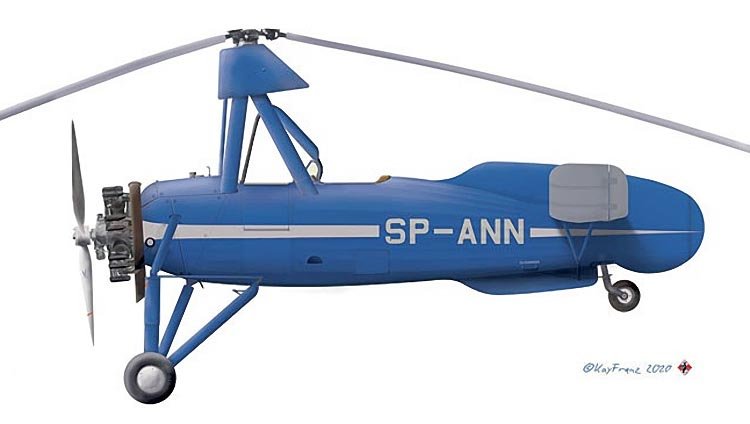 C.30 |
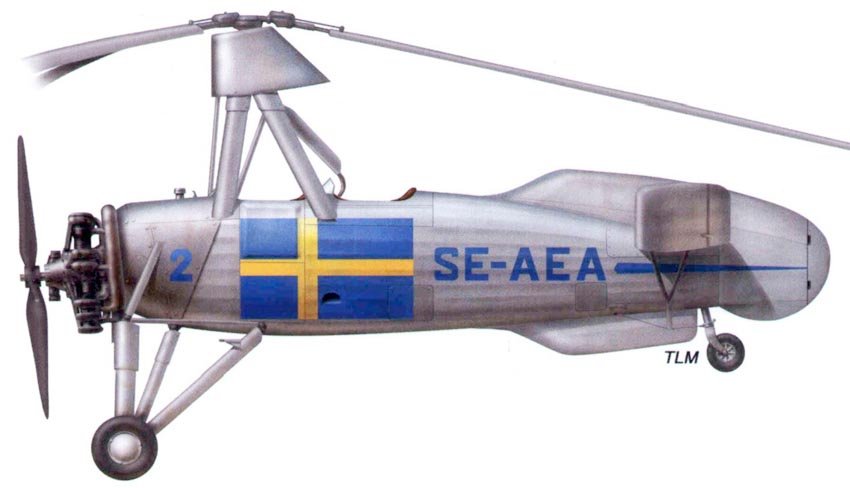 C.30. Photograph: TLM |
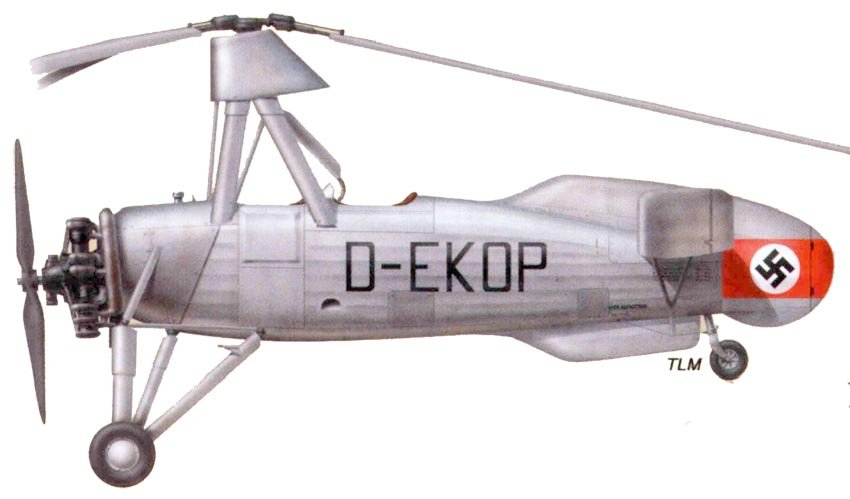 C.30. Photograph: TLM |
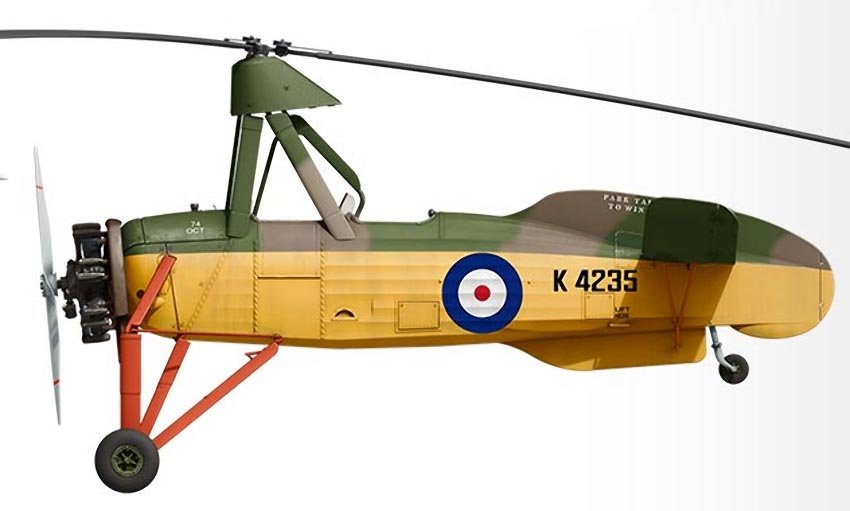 C.30 |
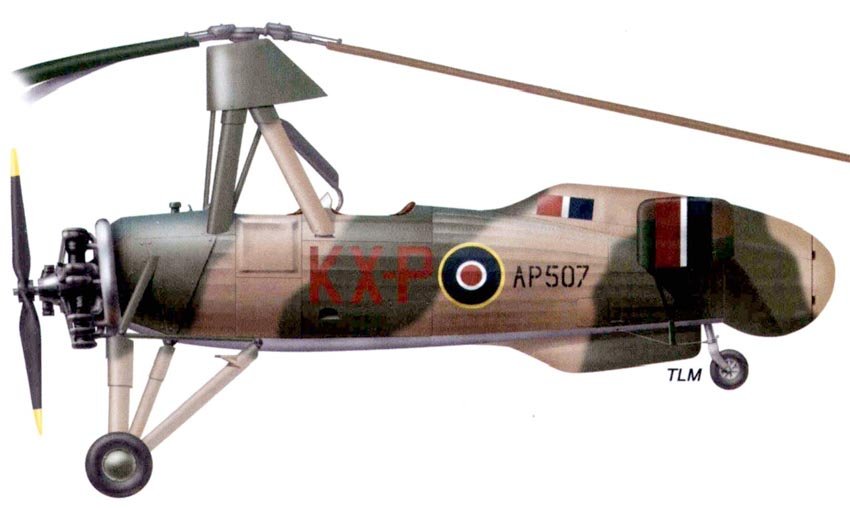 C.30. Photograph: TLM |
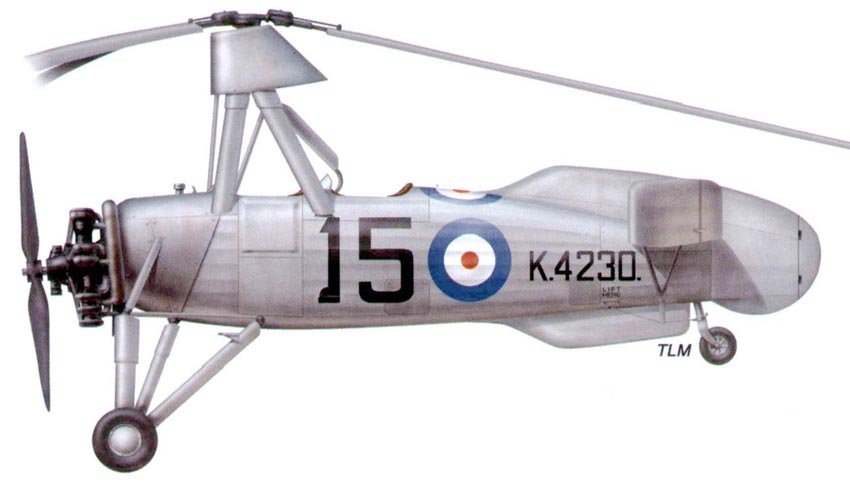 C.30. Photograph: TLM |
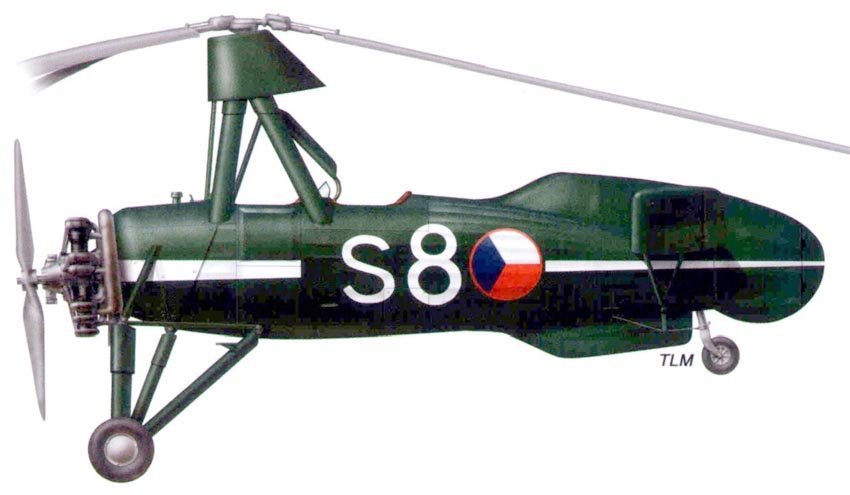 C.30. Photograph: TLM |
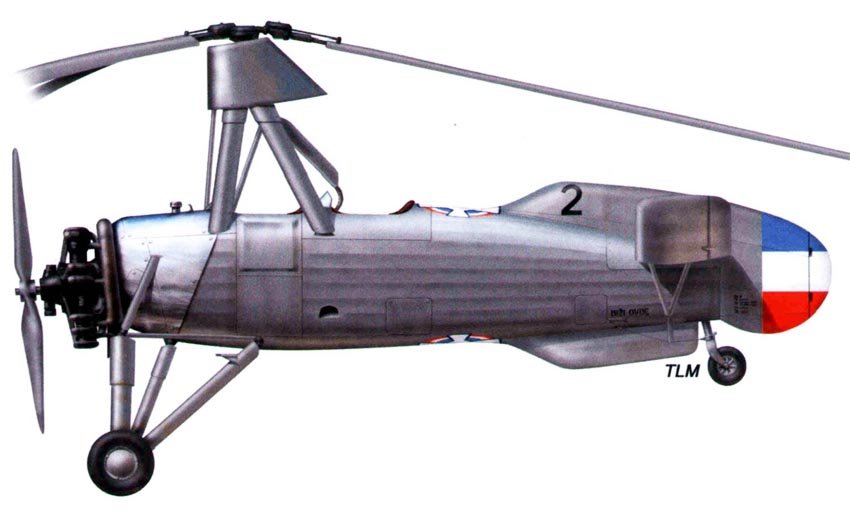 C.30. Photograph: TLM |
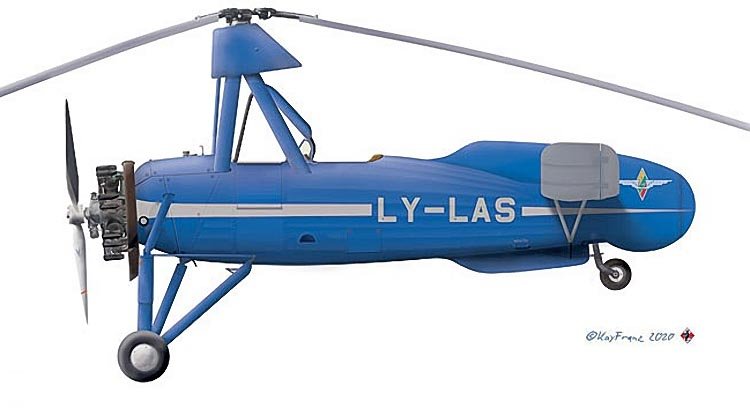 C.30 |