
After World War I, few foresaw the potential development of commercial air transport, and even fewer embarked on designing dedicated passenger aircraft. One of the first to do so was Alfred W. Lawson from Wisconsin, USA.
After the war, Lawson built the Lawson C-2, the first multi-seat, multi-engine aircraft designed exclusively for passenger transport. However, the American designer’s primacy could be disputed when recalling Igor Ivanovich Sikorsky’s “Rusky Vityaz” (Russian Knight), which flew as early as 1913 and was originally built as a passenger aircraft.
The construction of this biplane was financed by Vincent Burnelli, a Texas native who was only 24 years old at the time. He was a dedicated aviation enthusiast and believed firmly in the development of its civilian sector.
The Dawn of Commercial Air Travel
In April 1919, the Lawson aircraft manufacturing company began construction of its aircraft in Milwaukee. Concurrently, an airline of the same name was formed. The prototype, designated C-1, was completed in early August 1919. Lawson hired former WWI RAF ace Charlie Cox as the test pilot. However, shortly after takeoff, the aircraft crashed, as it turned out the pilot simply lacked experience controlling multi-engine aircraft.
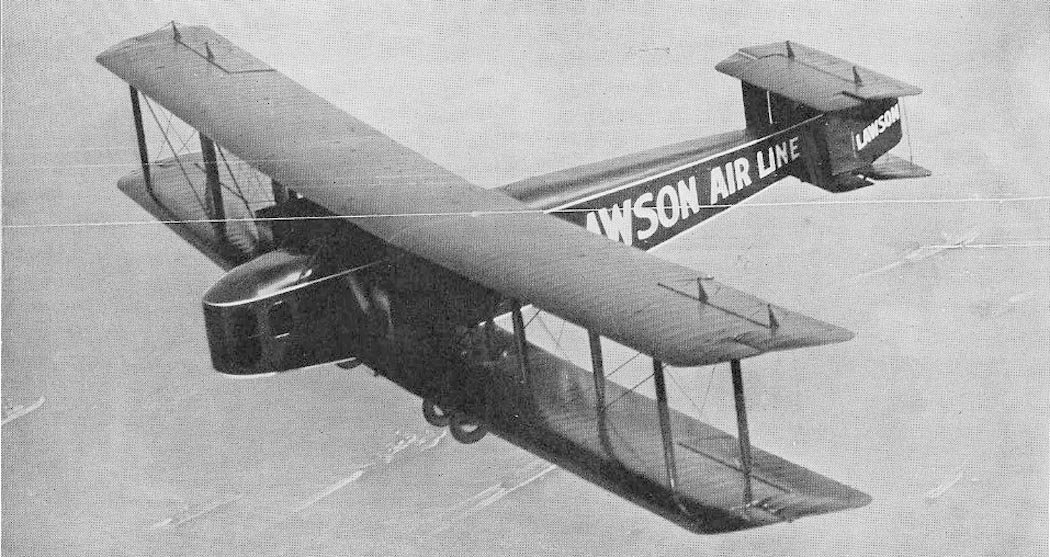
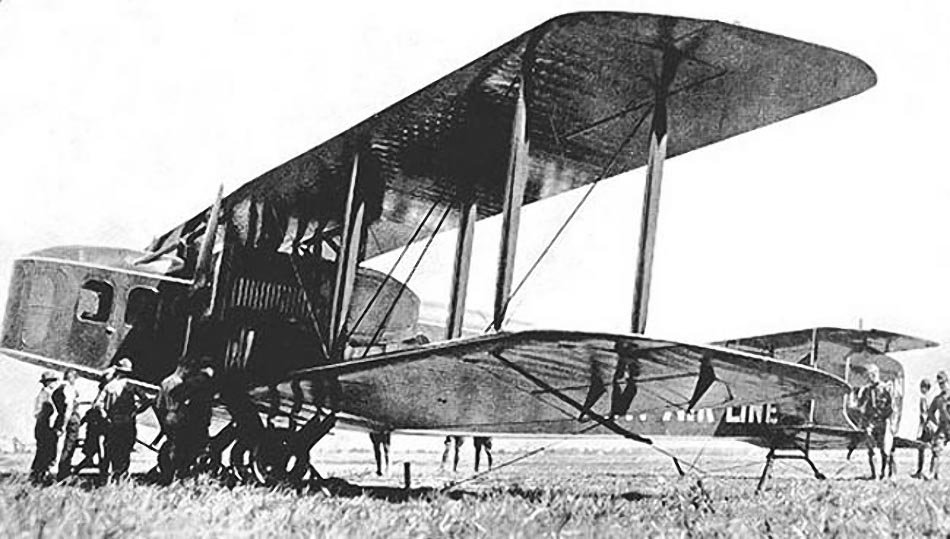
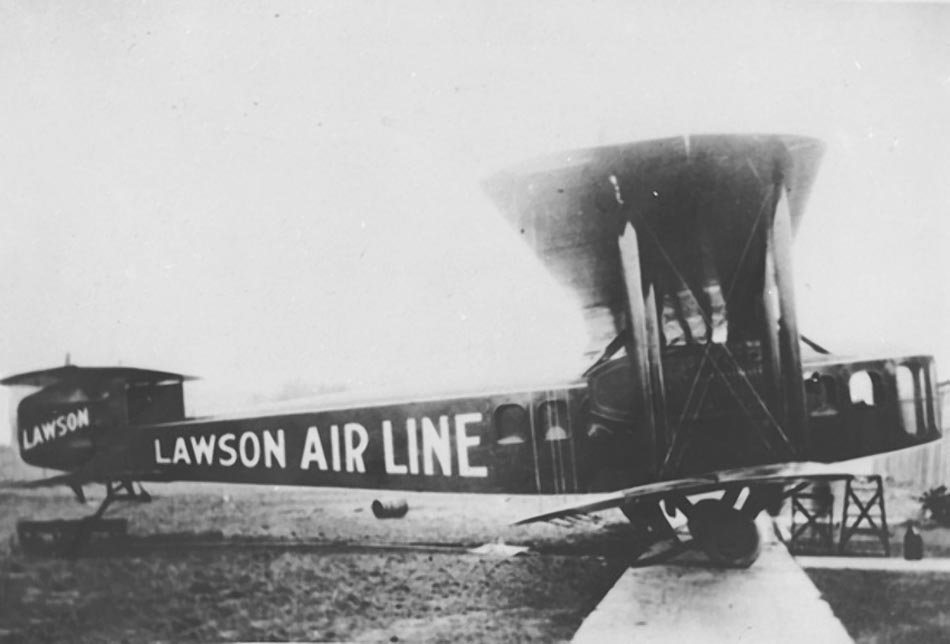
Despite this setback, Lawson did not abandon his plans. The designer widely advertised his project; for example, a major article about the Lawson C-1 appeared in Flight International No. 37 in 1919, leaving him with no easy way out. Soon, the enterprising American built a new aircraft, designated C-2. The main differences from the C-1 were a 4.5-meter increased wingspan and a revised engine arrangement, changing from pusher propellers to tractor propellers. It was in this configuration that the airliner flew with passengers. It is probable that the C-2 was rebuilt from the C-1, though direct evidence is lacking.
The Lawson C-2: A Giant of the Air
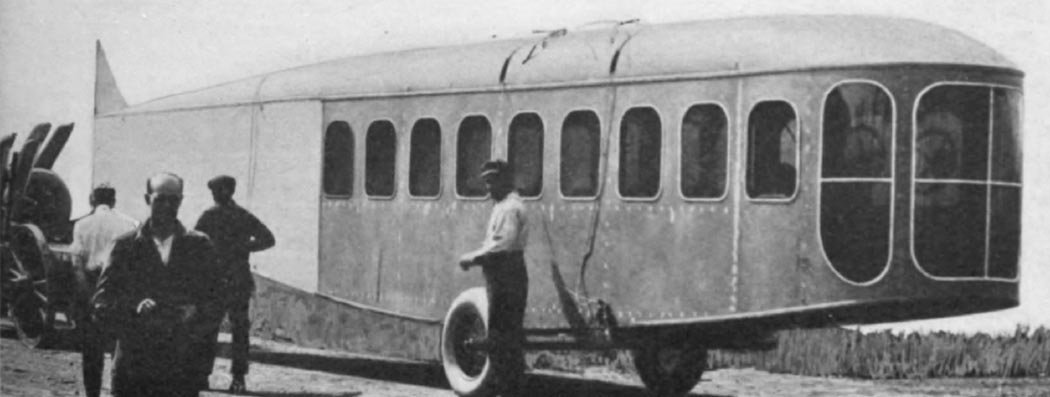
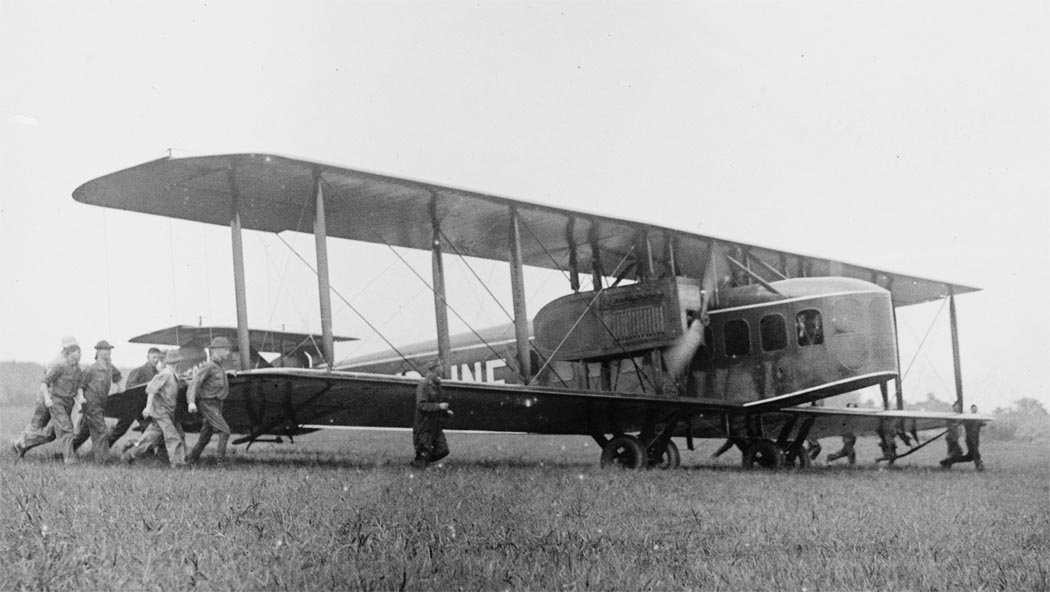
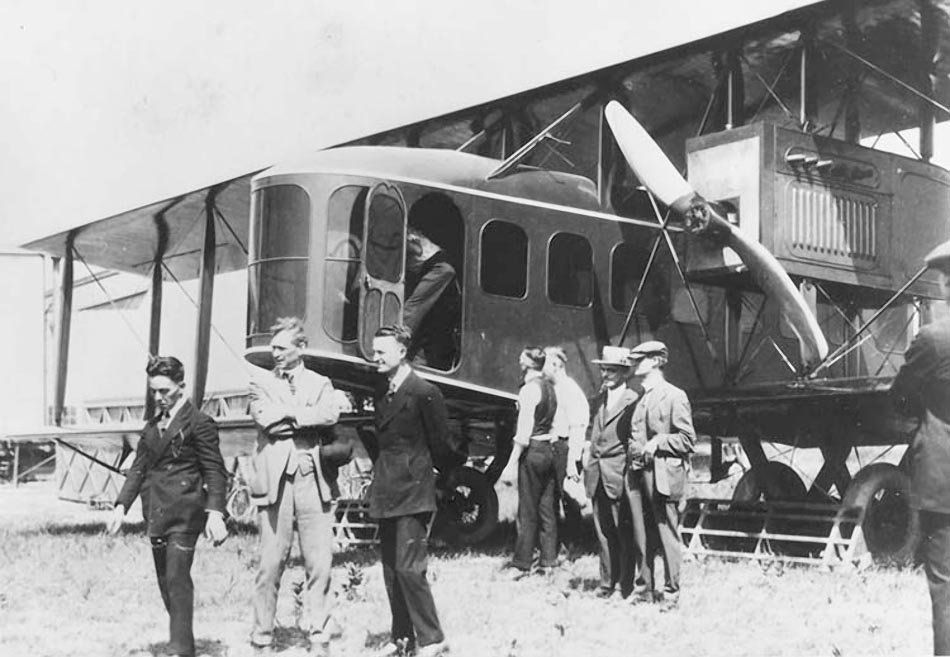
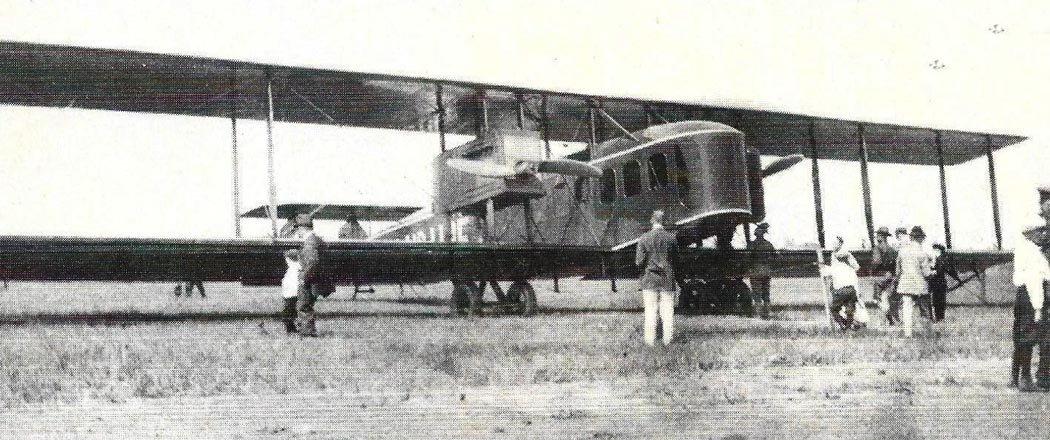
For its time, the 27-seat (including two crew members), orange and green Lawson C-2 was a considerably large aircraft. As Burnelli remarked years later, “the C-2 was a streetcar with wings.” Indeed, its cabin, with wicker chairs and tall windows, resembled a wagon of that type of urban transport.
Tests of this biplane were successful, with its first flight on August 19, 1919. By August 27, demonstration flights began at Curry Park near Milwaukee. Soon, the aircraft appeared over New York, San Francisco, and Washington, and it was not until August 15 that the C-2 returned to Wisconsin.
Wherever the “giant” landed, crowds gathered. Among the 17 senators who took rides on the airliner during its “tour” was Senator Warren Harding, who would soon become President of the USA. Not all flights went smoothly; serious malfunctions forced emergency landings twice, on September 4 and 25. The main reason was engine troubles, which was not surprising given how much time the aircraft spent in the air.
Lawson’s Vision and Legacy
Despite the extensive press coverage and support from prominent politicians, Lawson could not sell his aircraft to any of the airlines that were popping up like mushrooms after rain. There was a surplus of military aircraft, and they were cheaper than the C-2. Furthermore, most of the population was not yet ready for air travel.
It is unknown why Lawson himself did not use his airliner for regular transport. Most likely, the designer was busy building the more advanced Lawson L-4 “Midnight Air-Liner,” which became the main aircraft of his airline.
Technical Specifications
| Modification | C-2 |
| Wingspan, m | 29.17 |
| Aircraft length, m | 15.50 |
| Aircraft height, m | 4.65 |
| Engine type | 2 Piston engines Liberty 12 |
| Power, hp | 2 x 400 |
| Maximum speed, km/h | 185 |
| Cruising speed, km/h | 166 |
| Practical range, km | 1300 |
| Crew | 2 crew members |
| Payload | up to 25 passengers |
Image and diagram gallery of the Lawson C-2: The First Commercial Airliner
 C-2 |
 C-2 |
 C-2 |
 C-2 |
 C-2 |
 C-2 |
 C-2 |
 C-2 |
 C-2 |
 C-2 |
 C-2 |
 C-2 |
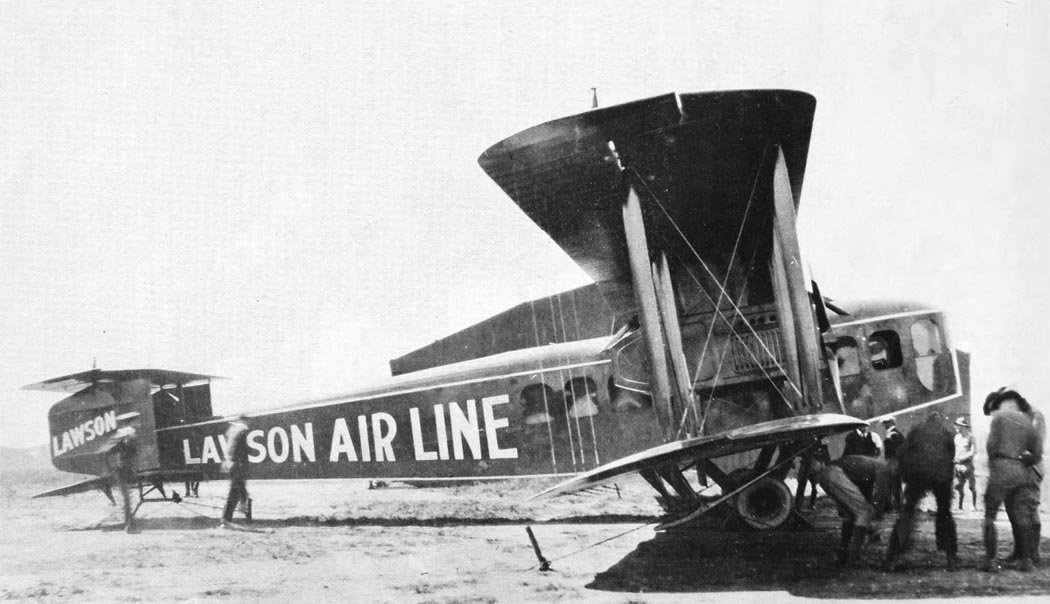 C-2 |
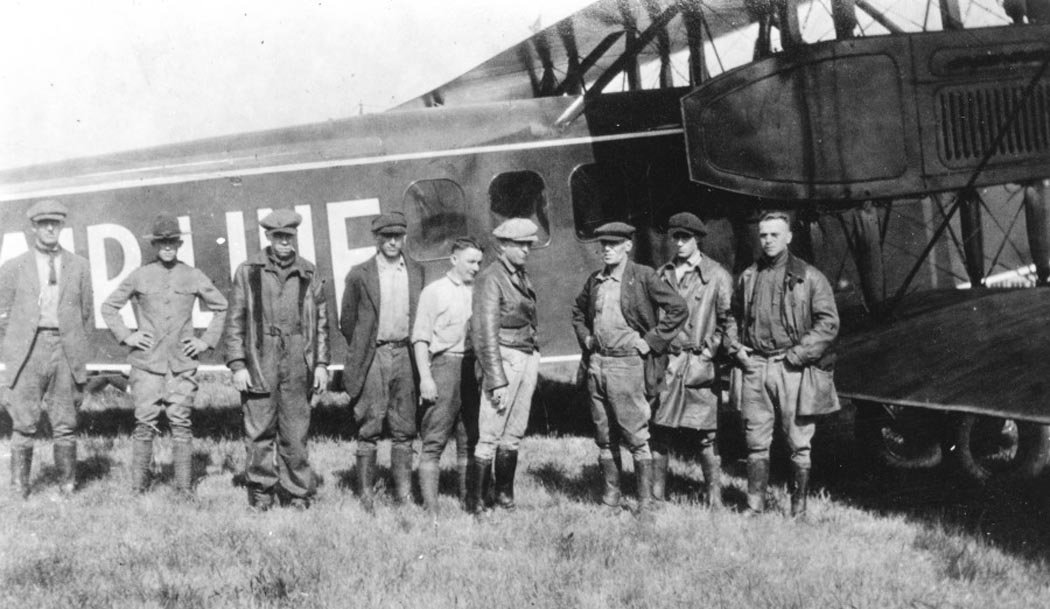 C-2 |
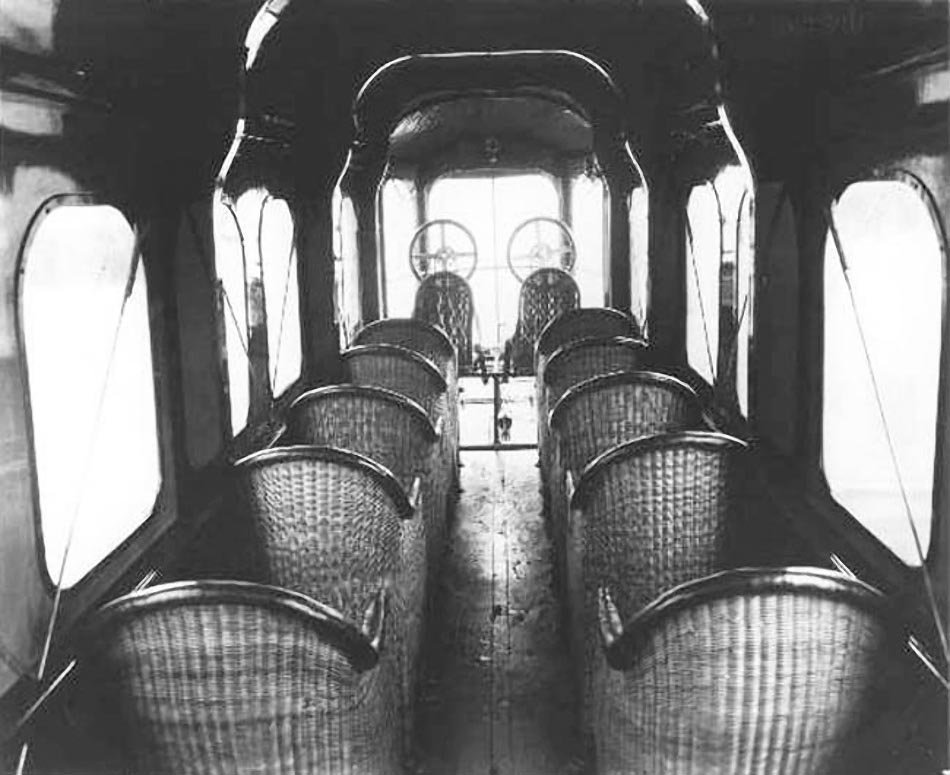 C-2 |
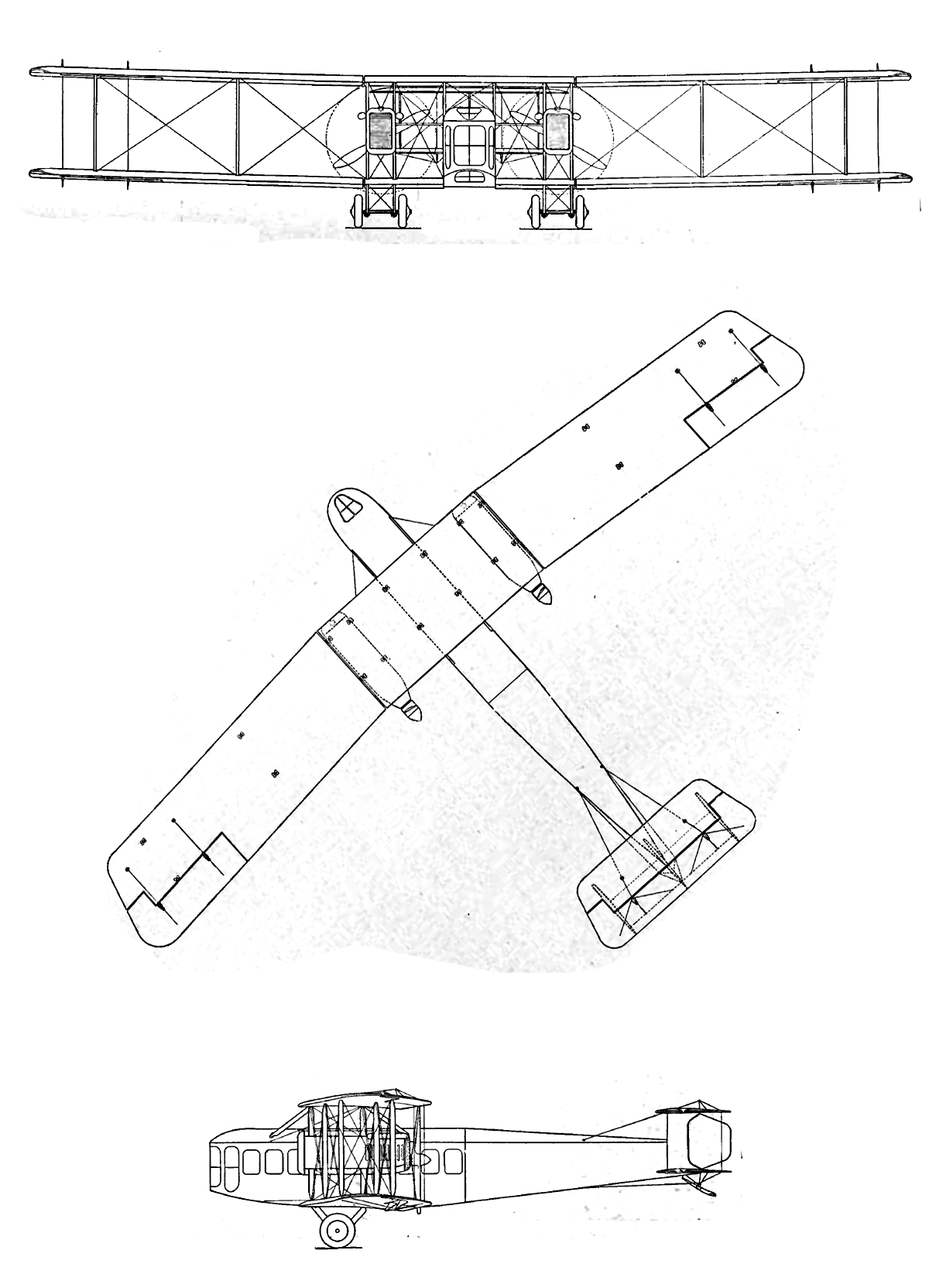 C-2 |