
US military interest in the “Lodestar” first emerged in 1940 when the US Navy ordered one XR5O-1 and two R5O-1s. These initial aircraft, along with similar units supplied to the US Coast Guard, were equipped with Wright R-1870 engines. Further Naval variants included one R5O-2, the sole US Navy aircraft with 850 hp Pratt & Whitney R-1690-25 Hornet engines, and three R5O-3s, acquired as “VIP” transports with 1200 hp Pratt & Whitney R-1830-34A engines.
Production for the Navy also included 12 R5O-4s, originally seven-seat passenger aircraft built for civilian buyers and later requisitioned, equipped with 1200 hp Wright R-1820-40 engines. Forty-one R5O-5s were built as 14-seat passenger aircraft, analogous to the C-60, and 35 R5O-6s were configured as 18-seat military transports for parachute assault teams, similar to the C-60A.
Army Air Corps Variants
In May 1941, the US Army Air Corps ordered a military variant of the civilian Model 18-50 with Wright R-1820-29 engines, designated C-56. This designation broadly covered 36 commercial Lodestar aircraft that were requisitioned for the US Air Force. Later, three Model 18-14 aircraft with Pratt & Whitney R-1830-53 engines were ordered, followed by additional orders for seven and three machines, resulting in a total of 13 aircraft designated C-57.
Requisitioned civilian aircraft were designated C-57A. Seven military transport aircraft were known as C-57B, while three of the latest C-60A models were converted with 1200 hp Pratt & Whitney R-1830-43 radial engines and redesignated C-57C. One of these three aircraft was later re-engined a second time and converted to a C-57D with R-1830-92 engines.
Lodestar’s Widespread Service
After December 1941, most Lodestar aircraft were withdrawn from US domestic lines and received new C-56 series designations: one C-56A, 13 C-56B, 12 C-56C, seven C-56D, and two C-56E. Ten Model 18-07 aircraft were designated C-59; this designation covered 10 requisitioned passenger Lodestars, seven of which were transferred to the Royal Air Force (RAF) under Lend-Lease as Lodestar Mk IA.
Later Developments
Fifteen Model 18-56 aircraft were designated C-60. An additional 21 C-60s and 325 C-60As were later supplied; these C-60As were newly built as 18-seat transports for airborne troops with 1200 hp Wright R-1820-87 engines. The C-60B, one of the last variants, was an experimental aircraft acquired by the US Air Force to evaluate a hot-air de-icing system. In 1942, a single Model 18-10 aircraft, configured with 1200 hp R-1830-53 engines and 11 passenger seats, was acquired as the C-66.
Another designation, C-60, also covered 36 requisitioned passenger Lodestar aircraft, with 16 transferred to the RAF as Lodestar Mk II. The text also mentions a proposed transport for 21 personnel that was never built, and a sole aircraft configured as a VIP transport for the President of Brazil, though its specific designation is not provided in this context.
Technical Specifications
| Modification | C-60 |
| Wingspan, m | 19.96 |
| Length, m | 15.19 |
| Height, m | 3.38 |
| Wing area, m2 | 51.10 |
| Empty weight | 5284 |
| Normal takeoff weight | 7938 |
| Engine type | 2 Piston engines Wright R-1820-71 |
| Power, hp | 2 x 1200 |
| Maximum speed, km/h | 407 |
| Cruising speed, km/h | 322 |
| Practical range, km | 2575 |
| Practical ceiling, m | 7100 |
| Crew | 3 |
| Payload | 13-17 passengers |
Image and diagram gallery of the Lockheed Lodestar
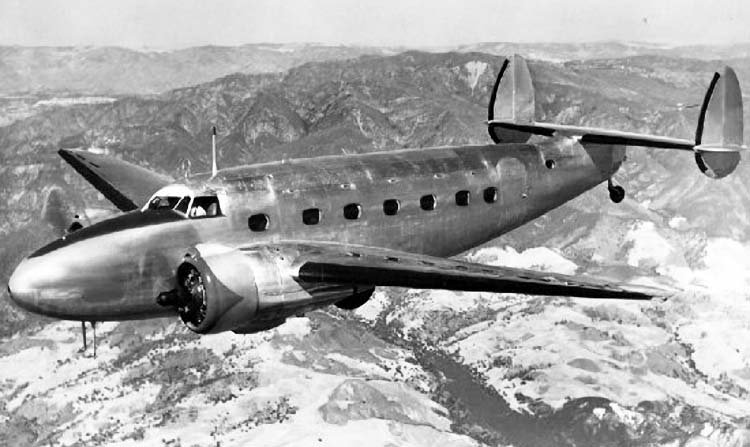 C-60 Lodestar |
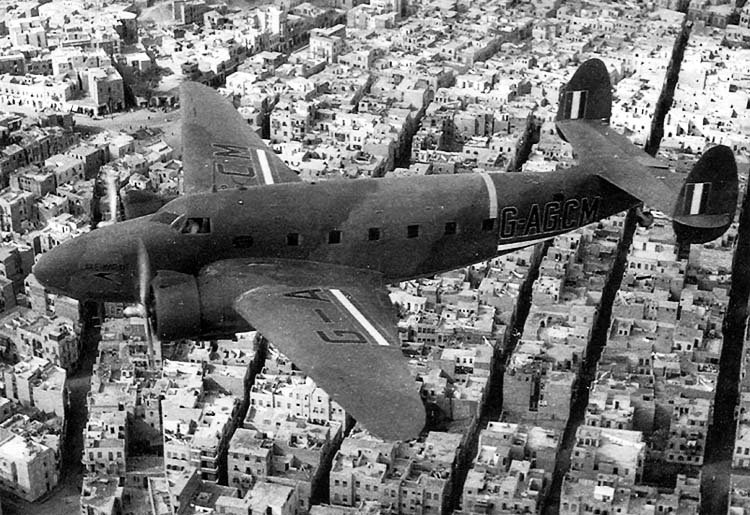 C-60 Lodestar |
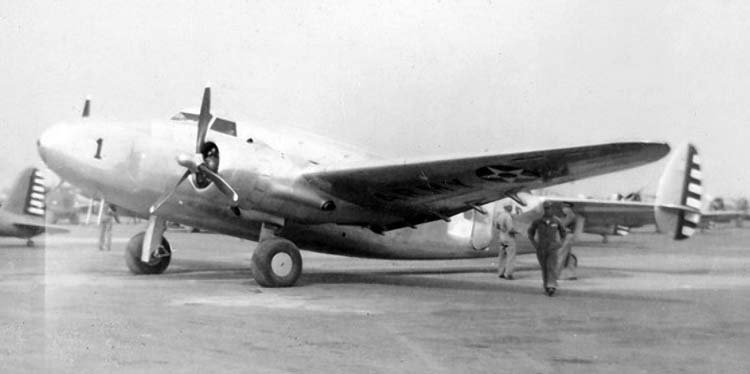 C-60 Lodestar |
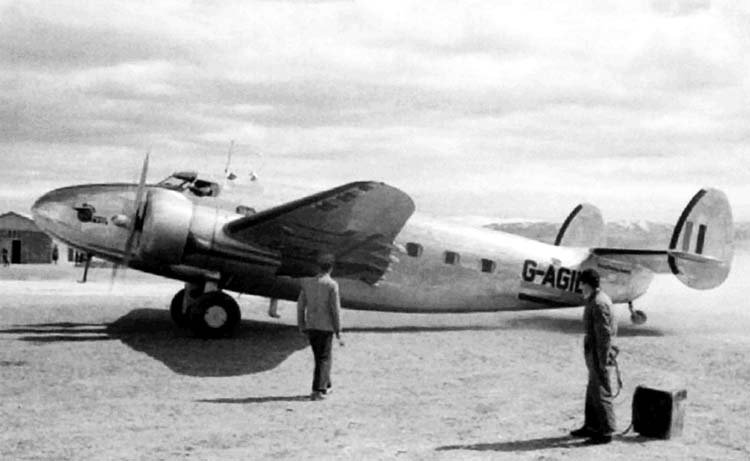 C-60 Lodestar |
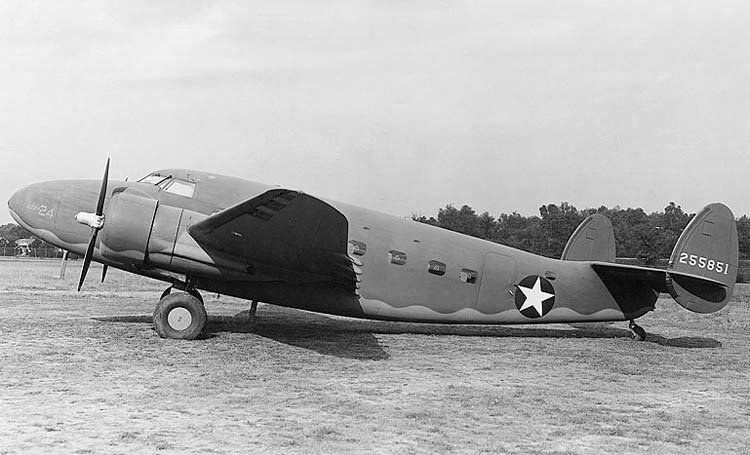 C-60 Lodestar |
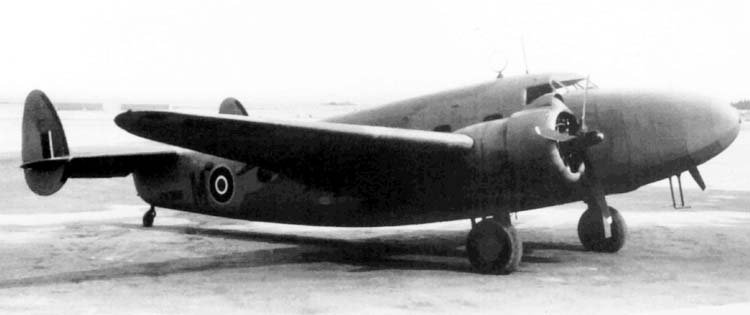 C-60 Lodestar |
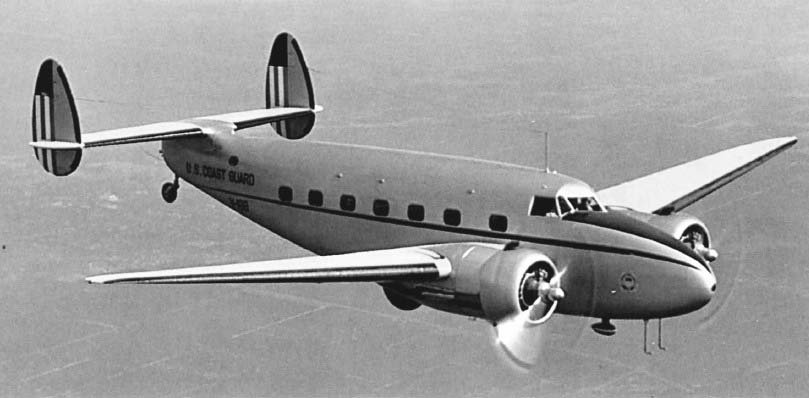 C-60 Lodestar |
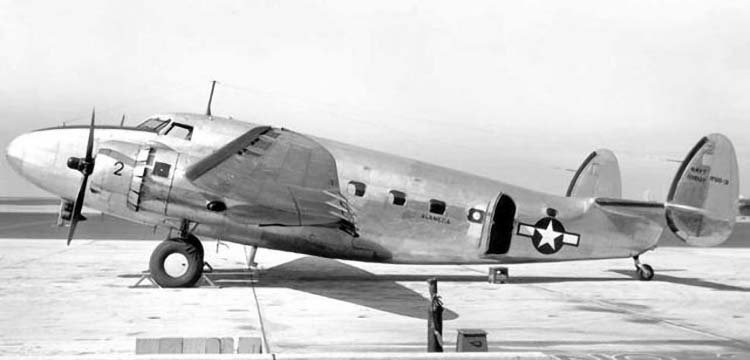 C-60 Lodestar |
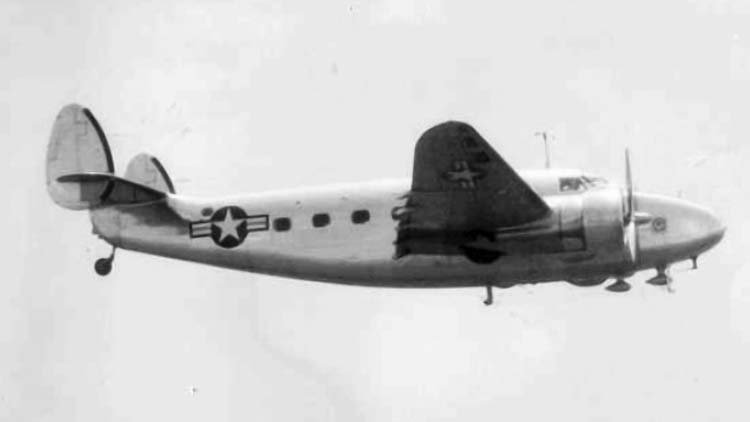 C-60 Lodestar |
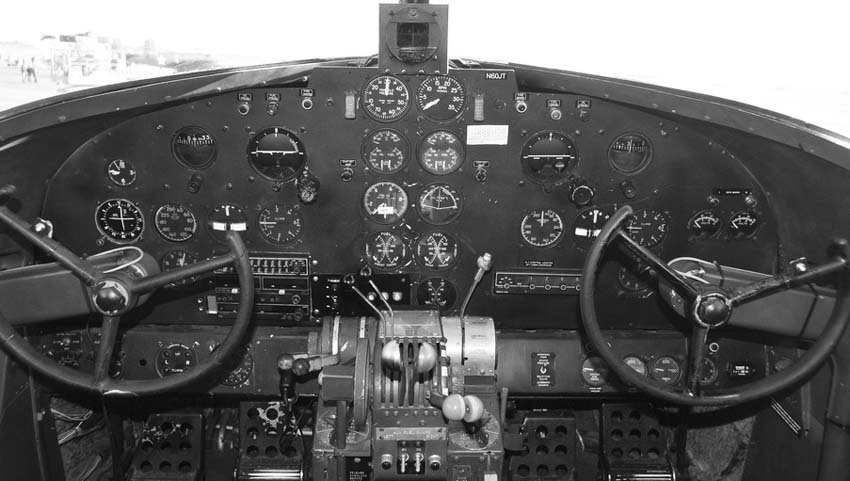 C-60 Lodestar |
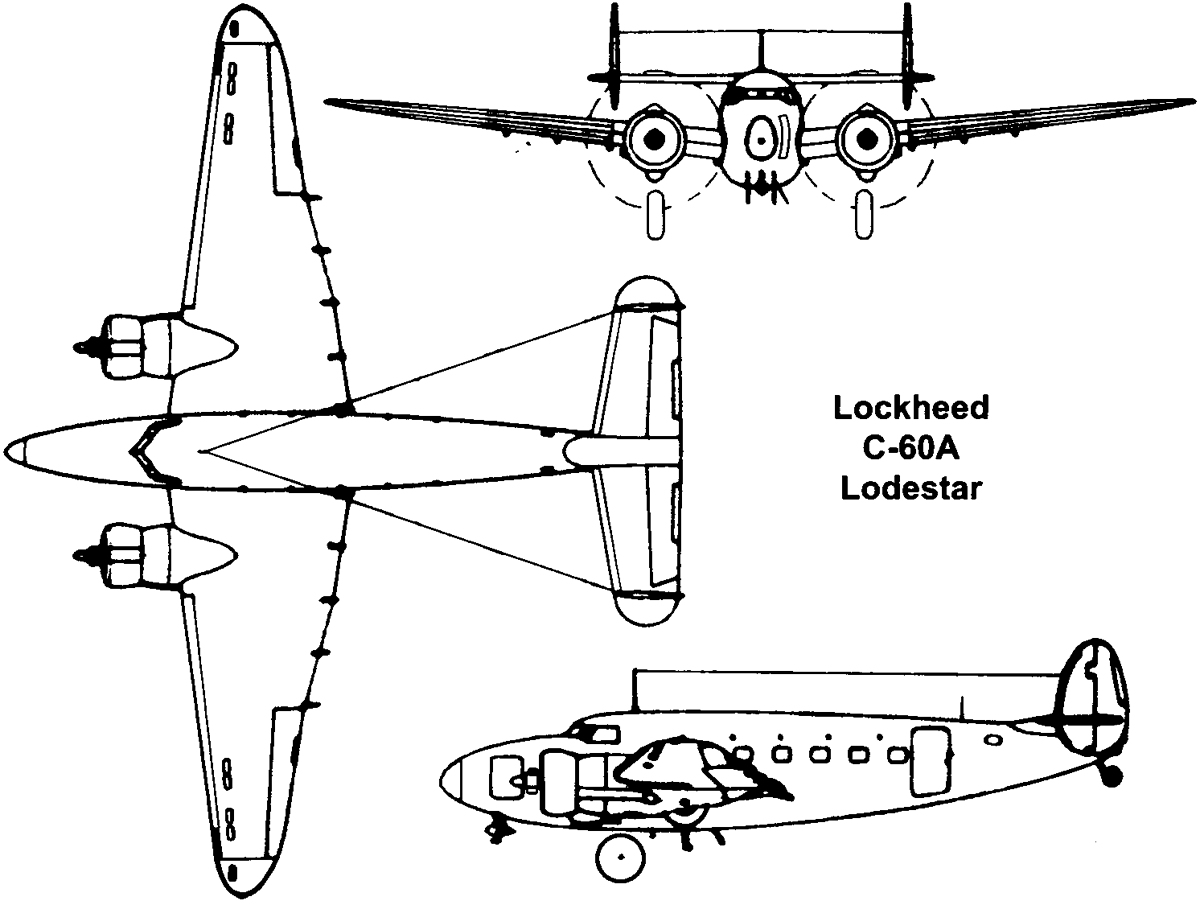 C-60 Lodestar |
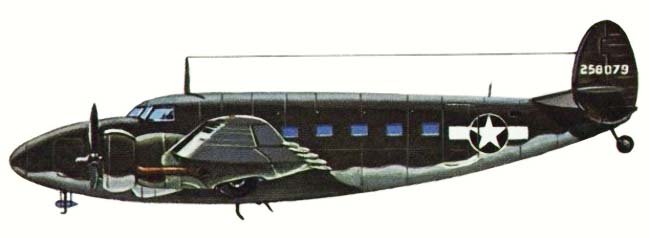 C-60 Lodestar |