
As early as the 1920s, the benefits of flying in the substratosphere (altitudes from 15,000 feet [4,572 m] to 40,000 feet [12,192 m]) were recognized. Bombers flying at higher altitudes and speeds could evade enemy fighters, while commercial aircraft could fly above turbulence and hazardous weather conditions.
Throughout the 1920s and 1930s, numerous experimental high-altitude flights were undertaken by the militaries of several countries. In the USA, the first high-altitude aircraft was the Engineering Division USD-9A, based on the British de Havilland D.H.9A. However, the existing technologies at the time were still quite primitive.
In those years, a pilot’s oxygen equipment consisted of a tube connected to a pressurized steel bottle, and damage to such equipment threatened pilots with oxygen starvation. Additionally, to withstand low temperatures and atmospheric rarefaction, pilots in open cockpits had to wear bulky high-altitude suits. Early pressurized cabins had their drawbacks; for instance, the first successful pressurized cabin, fitted to the experimental high-altitude Junkers Ju 49, was a small, sealed “capsule” with portholes inserted into the aircraft’s structure, providing the pilot with limited visibility.
The Dawn of High-Altitude Flight
In 1935, the U.S. Army Air Corps issued requirements for an aircraft equipped with a pressurized cabin. This aircraft was envisioned as an experimental flying laboratory for testing new equipment and technical methods used in high-altitude flights.
Experts at the Air Corps Engineering Division, located at Wright-Field, Dayton, Ohio, were responsible for designing the pressurized cabin: Major Carl Greene and research scientist John Younger.
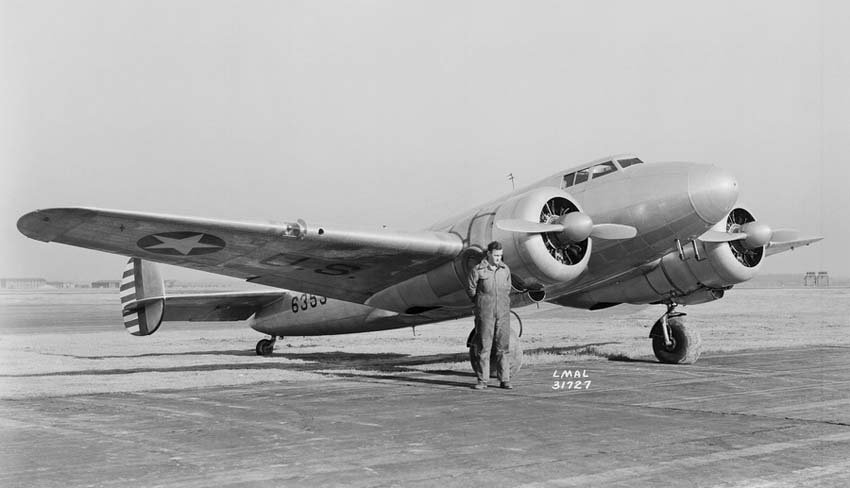
In June 1936, the War Department awarded a contract to Lockheed Aircraft Corporation for the delivery of an “XC-35 transport aircraft equipped with a pressurized cabin, as well as a mock-up and applicable data,” totaling $112,197. This aircraft, based on the passenger Lockheed Model 10 Electra, was required to have a flight duration of at least ten hours and perform at least a two-hour continuous flight at altitudes no less than 25,000 feet (7,620 m).
Pioneering Pressurized Cabin Design
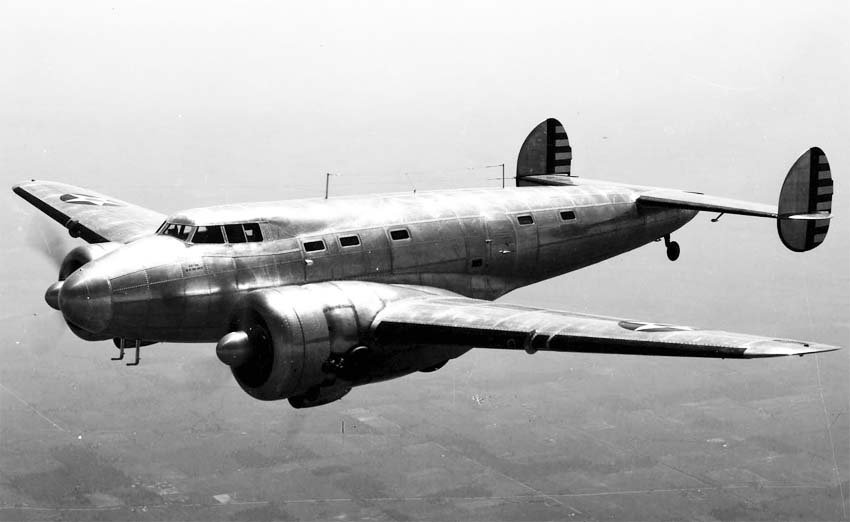
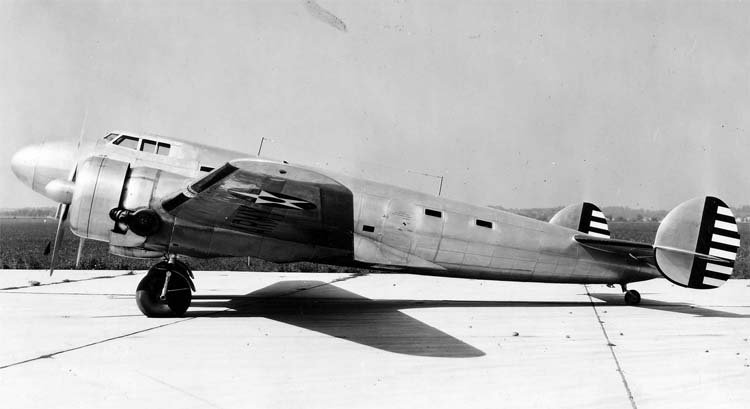
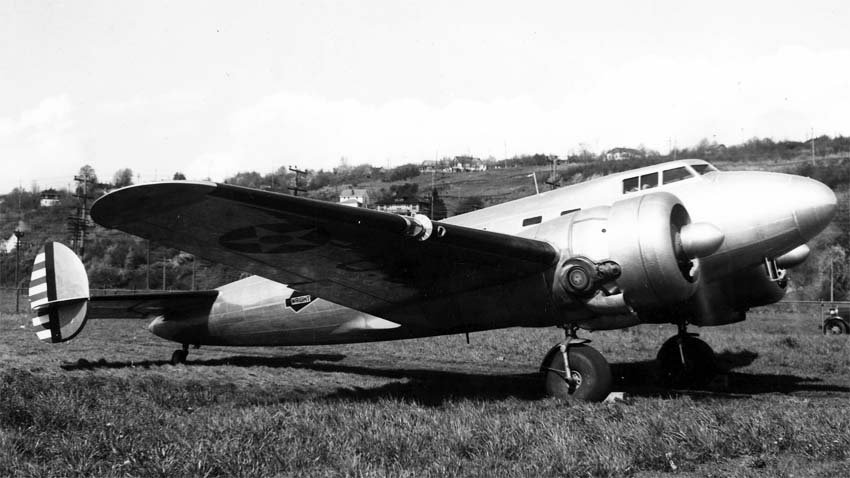
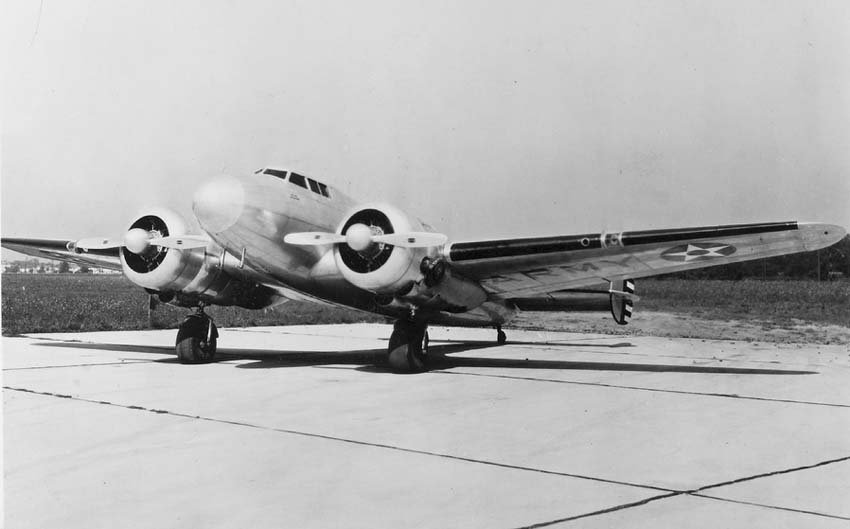
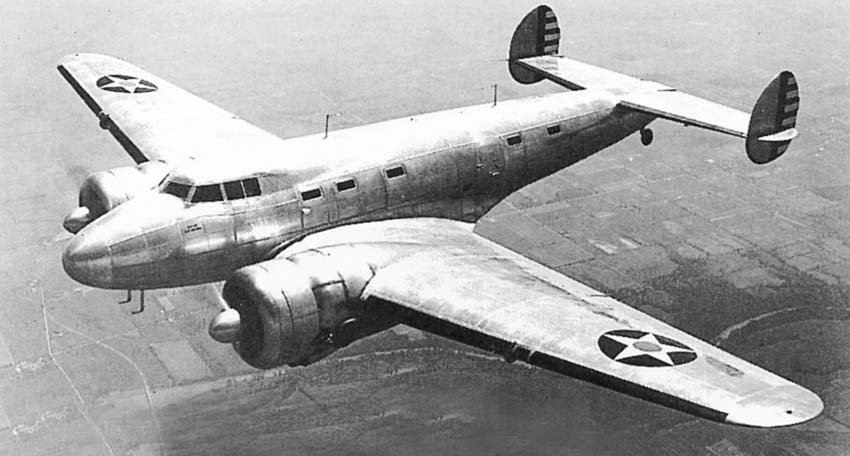
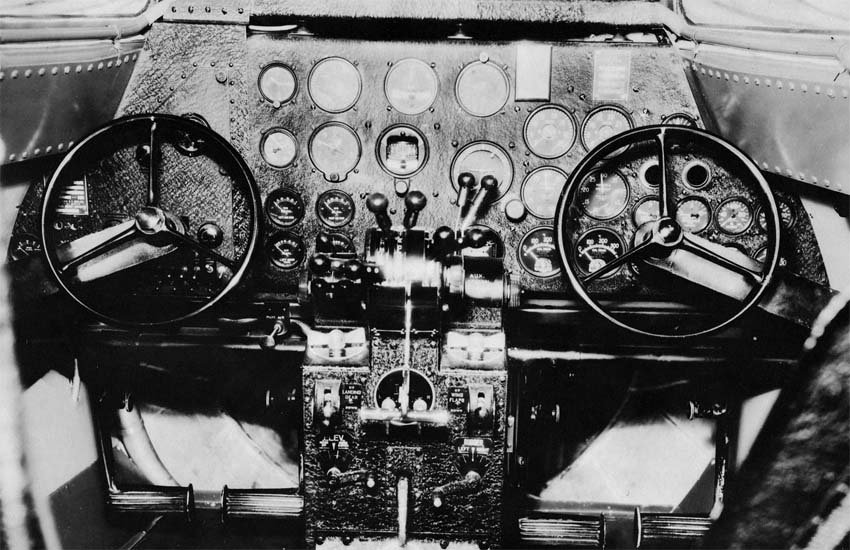
For the XC-35, Greene and Younger developed a special pressurized cabin capable of withstanding a pressure differential of 10 psi (69 kPa). The cabin structure had an almost circular cross-section, allowing it to better withstand the stresses from pressure differences. The next change in the XC-35 was the removal of the large passenger windows from the Model 10 Electra and the installation of heavy doors and small slit windows. The internal space of the fuselage was divided into two parts: the front pressurized section accommodated three crew members (first and second pilots and a flight engineer, whose tasks included monitoring cabin pressurization and high-altitude research equipment) and two passengers; the unpressurized rear section had space for only one additional passenger and could be used at altitudes below 12,000 feet (3,658 m).
Initially, in the construction of the pressurized chamber, fabric strips impregnated with waterproof glue were used to seal the riveted fuselage sections. Ground tests of the XC-35 showed noisy air leaks around the doors (resulting in the aircraft being nicknamed “the boiler”) and the unsuitability of the fabric strips. The glued sealing strips were soon replaced by recently developed DuPont neoprene sealing tape, which made the seals around the doors airtight.
After the design changes were implemented, the properly sealed fuselage was mated with the standard wing and tail assembly of the Lockheed Electra passenger aircraft. Equipped with two 550-horsepower supercharged nine-cylinder Pratt & Whitney XR-1340-43 radial engines, the experimental XC-35 (commercial serial number 3105, military serial number 36-353) achieved a maximum speed of 378 km/h (236 mph). (The base Electra had 450-hp R-985-13 engines and developed a speed of no more than 325 km/h). In the pressurized cabin of the XC-35, an internal pressure equivalent to an altitude of 12,000 feet (3,658 m) was maintained at all altitudes.
Following flight tests at Lockheed’s Burbank, California, plant, the experimental XC-35 was sent to Wright-Field, Dayton, Ohio, where U.S. Army Air Corps pilots began extensive testing of the aircraft’s systems and capabilities. During one test flight, the XC-35 demonstrated its outstanding performance when, with a strong tailwind and maintaining an average altitude of 20,000 feet (6,096 m) over a 220-mile (352 km) stretch, it reached a speed of 350 mph (560 km/h). News articles from those years reported that in this aircraft, “at high altitudes of flight, there is no need to use either oxygen equipment or heavy clothing.”
The U.S. Army Air Corps command was so confident in the XC-35 that they proposed this aircraft as an administrative one for Louis Johnson, Assistant Secretary of War and future Secretary of Defense.
In 1943, NACA pilot Herbert H. Hoover performed a flight in a stormy sky to gather data on the effects of dangerous weather phenomena on airborne aircraft.
In 1948, the Lockheed XC-35 was donated to the Smithsonian Institution’s National Air and Space Museum, where it remains in long-term storage.
A Legacy of Innovation
In conclusion, the creation of a functional pressurized cabin became a landmark event in aviation history and received recognition in 1937 when the U.S. National Aeronautic Association awarded the prestigious Collier Trophy to the Air Corps for the funding and creation of the XC-35.
The future of passenger air travel arrived immediately: Boeing created the four-engine high-altitude passenger aircraft Model 307 Stratoliner, which entered service in 1940 as the first airliner with a pressurized cabin. The Boeing B-29 Superfortress, which took to the skies in 1942, became the first production bomber with a fully pressurized crew compartment. It can safely be said that all modern aircraft flying at high altitudes are, in one way or another, connected to the experiments conducted in the mid-1930s by the U.S. Army Air Corps with the XC-35 aircraft.
Technical Specifications
| Modification | XC-35 |
| Wingspan, m | 16.80 |
| Length, m | 11.80 |
| Height, m | 3.10 |
| Wing area, m2 | 42.60 |
| Normal takeoff weight | 4760 |
| Engine type | 2 Piston engine Pratt & Whitney R-1340-43 |
| Power, hp | 2 x 550 |
| Maximum speed, km/h | 380 |
| Cruising speed, km/h | 344 |
| Practical range, km | 1285 |
| Rate of climb, m/min | 343 |
| Service ceiling, m | 9600 |
| Crew | 3 crew members |
| Payload | 6 passengers |
Image and diagram gallery of the Lockheed XC-35
 C-35 |
 C-35 |
 C-35 |
 C-35 |
 C-35 |
 C-35 |
 C-35 |