
The Genesis of the P.41 Phoenix
In the late 1920s, Boulton & Paul developed a project for a light multi-purpose aircraft, designated P.41 Phoenix. The aircraft was primarily intended for amateur pilots.
The aircraft’s first flight took place on July 7, 1929. It was a wooden two-seater high-wing monoplane with a “parasol” type wing, equipped with an ABC Scorpion engine producing 40 hp. The cost of the aircraft at that time was only 375 pounds sterling.
Initial Performance and Design Flaws
The Phoenix, bearing registration number G-AAIT, demonstrated good flight characteristics. However, design flaws also became apparent, specifically poor cockpit visibility and an unreliable engine.
The Phoenix II Redesign and Commercial Failure
To rectify these shortcomings, the company redesigned the aircraft into a new variant, the Phoenix II. This version featured a new wing strut design and a French Salmson AD.9 engine of the same power.
The Phoenix II first took to the air on June 12, 1930. Despite its low cost, the company failed to attract buyers. The sole example of the aircraft was used personally by the company’s test pilot, C.A. Rea.
Technical Specifications
| Modification | Phoenix II |
| Wingspan, m | 9.14 |
| Empty weight | 293 |
| Maximum takeoff weight | 494 |
| Engine type | 1 Piston engine Salmson AD.9 |
| Power, hp | 1 x 40 |
| Maximum speed, km/h | 138 |
| Cruising speed, km/h | 110 |
| Rate of climb, m/min | 143 |
| Crew | 2 |
Image and diagram gallery of the P.41 Phoenix
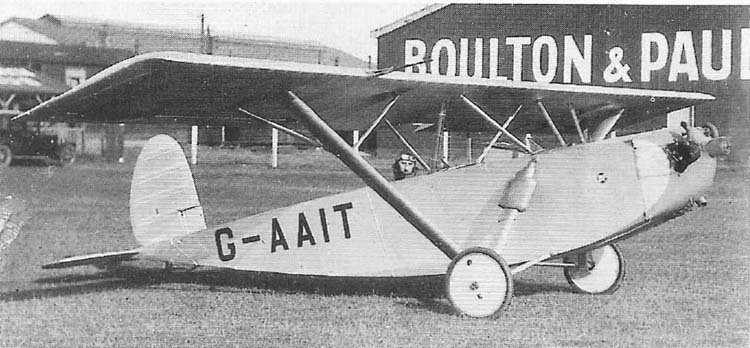 P.41 Phoenix |
 P.41 Phoenix |
 P.41 Phoenix |
 P.41 Phoenix |
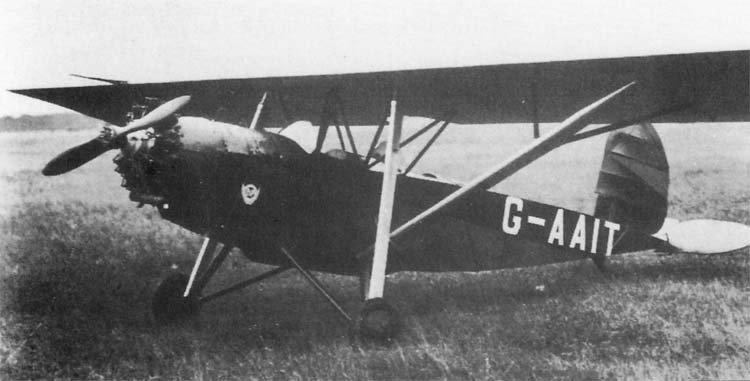 P.41 Phoenix |