
The SEV-3 variant with conventional wheeled landing gear, which appeared in 1934, served as the prototype for the BT-8 trainer aircraft. This aircraft was entirely metal, featuring a cantilever monoplane wing and an enclosed two-seat cockpit. It radically differed from the outdated, slow biplanes then in use for pilot training.
Its 400 hp engine allowed it to reach a speed of almost 300 km/h. The landing gear was non-retractable and had fairings, but a “gear up/down” switch was provided in the cockpit for training purposes, simulating the functionality of the most modern combat aircraft.
Innovation and Technical Specifications
In 1935, Seversky’s new aircraft received first prize at a trainer aircraft competition in the USA. Following this recognition, the US Army Air Corps ordered 30 BT-8s. These aircraft were used for pilot training until 1939, playing a crucial role in modernizing air instruction.
Recognition and Operational Deployment
The sole drawback was the mismatch between the engine’s power and the considerable weight of the all-metal monoplane structure. This, combined with a relatively high wing loading, caused several accidents. These incidents were primarily due to stalls during flights performed by inexperienced pilots.
Challenges and Limitations
Technical Specifications
| Modification | BT- 8 |
| Wingspan, m | 10. 97 |
| Length, m | 7. 40 |
| Height, m | 2.70 |
| Wing area, m2 | 20.43 |
| Empty weight | 1 240 |
| Maximum takeoff weight | 1840 |
| Engine type | 1 Piston engine Pratt & Whitney R-985-11 |
| Power, hp | 1 х 400 |
| Maximum speed, km/h | 280 |
| Cruising speed, km/h | 190 |
| Practical range, km | 850 |
| Service ceiling, m | 4500 |
| Crew | 2 |
Image and diagram gallery of the Seversky BT-8
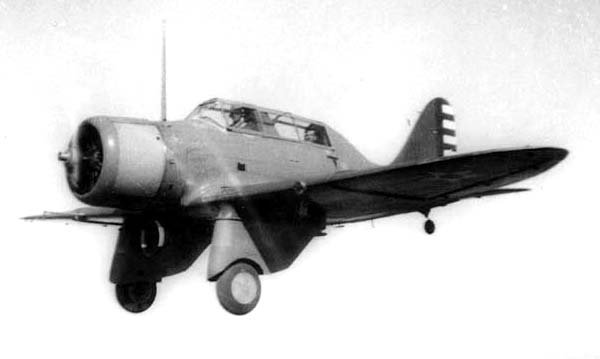 BT-8 |
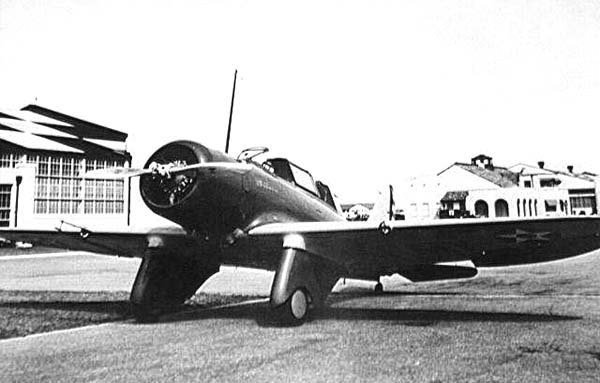 BT-8 |
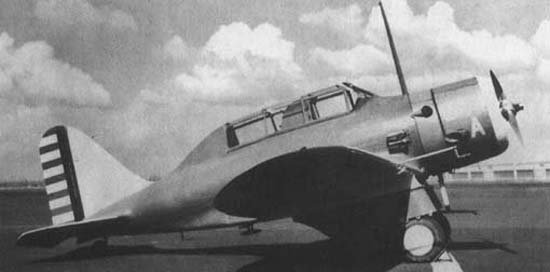 BT-8 |
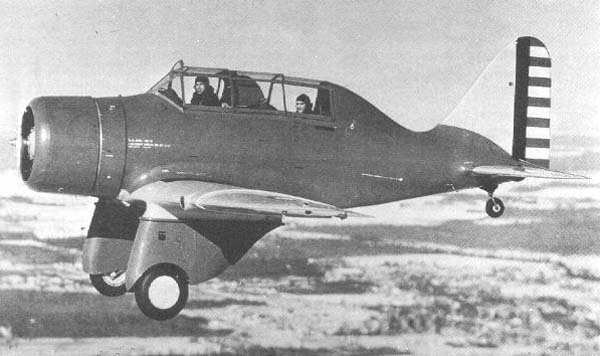 BT-8 |
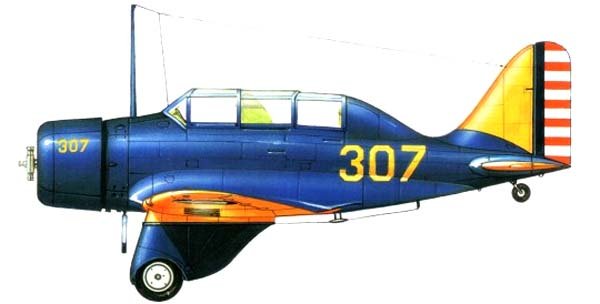 BT-8 |