
Despite the N-23 disaster on February 19, 1948, the U.S. Air Force (USAF) was interested in the capabilities of the Pioneer transport-passenger aircraft. In March 1948, Northrop secured a contract to produce 13 aircraft based on its design. The new machine received the in-house designation N-32 Raider, while the USAF officially named it the YC-125. The first variant was the YC-125A transport-assault aircraft.
Subsequently, ten units of the second version, the YC-125B arctic rescue aircraft, were ordered; both variants differed only in their equipment composition.
Innovative Design and Features
The YC-125 Raider was very similar to the Pioneer, differing from it by a redesigned tail section of the fuselage that included a ramp for loading and unloading operations. The addition of this ramp, measuring 9 ft × 6 ft 6 in (2.7 × 2 m), necessitated redesigning the empennage. To ensure better access to the ramp, the YC-125’s tail wheel strut could be extended.
For the YC-125, which weighed 40,900 pounds (15,552 kg) when fully loaded, to take off from strips less than 500 feet (152 m) long, six JATO rocket boosters were used. The YC-125 was powered by three Wright R-1820 engines, each developing 1200 hp (895 kW) and spinning three-bladed Curtiss Electric constant-speed propellers. The propellers were equipped with a reversing mechanism, allowing the landing roll to be reduced to 330 feet (100 m).
The aircraft’s wingspan was 86 feet 6 inches (26.4 m), and its length was 67 feet 1 inch (20.4 m). The YC-125 achieved a maximum speed of 207 mph (333 km/h) and a cruising speed of 171 mph (275 km/h). Its maximum range was 1850 miles (2977 km); the YC-125 could carry 32 fully equipped soldiers or 12,000 pounds (5443 kg) of cargo.
Operational History and Legacy
The YC-125 made its first flight on August 1, 1949, piloted by Max Stanley. Initial flight tests were successful, and by the end of 1950, all 23 aircraft had been delivered to the USAF. However, during operational tests, insufficient thrust-to-weight ratio was discovered in the YC-125. As a result, the aircraft was deemed unsuitable for its primary purpose.
The USAF had other, more versatile aircraft and helicopters that could be used instead of the YC-125. Soon, all YC-125s were stationed at Sheppard Air Force Base, Texas, and used for ground training. In 1955, they were declared surplus, and approximately 19 aircraft were sold in Florida to Frank Ambrose Aviation. This company then resold most of the machines to South America, where YC-125s were used on local, unpaved airfields. Some of them flew until the 1970s, performing the work for which the N-23 Pioneer was originally created.
Preserved Aircraft and Accident
Two preserved YC-125s are known, which were restored after their service in South America. The Pima Air & Space Museum in Tucson, Arizona, has a YC-125A on display in the livery it wore during its operation with the logging company Triplay y Maderas de Durango, S.A., in Durango, Mexico. The National Museum of the United States Air Force in Dayton, Ohio, holds a YC-125B. This aircraft was acquired in the early 1990s in Zacatecas, Mexico, and then restored by Asher Ward and Darryl Greenamyer.
Previously, Ward and Greenamyer had restored another YC-125A for the National Museum of the USAF, but on June 29, 1988, the aircraft crashed in Tulsa, Oklahoma. The cause of the accident was a corroded wire that caused the left engine’s propeller reverse to engage shortly after takeoff. Ward and Greenamyer sustained minor injuries; this was the last flight of the last airworthy YC-125.
Technical Specifications
| Modification | YC-125A |
| Wingspan, m | 26.36 |
| Aircraft length, m | 20.45 |
| Aircraft height, m | 7.03 |
| Wing area, m2 | 178.10 |
| Empty weight | 9870 |
| Maximum takeoff weight | 19005 |
| Engine type | 3 Piston engines Wright R-1820-99 Cyclon |
| Power, hp | 3 x 1200 |
| Maximum speed, km/h | 333 |
| Cruising speed, km/h | 275 |
| Practical range, km | 2990 |
| Practical ceiling, m | 3718 |
| Crew | 4 |
| Payload | up to 32 paratroopers or 5443 kg of cargo |
Image and diagram gallery of the YC-125 Raider
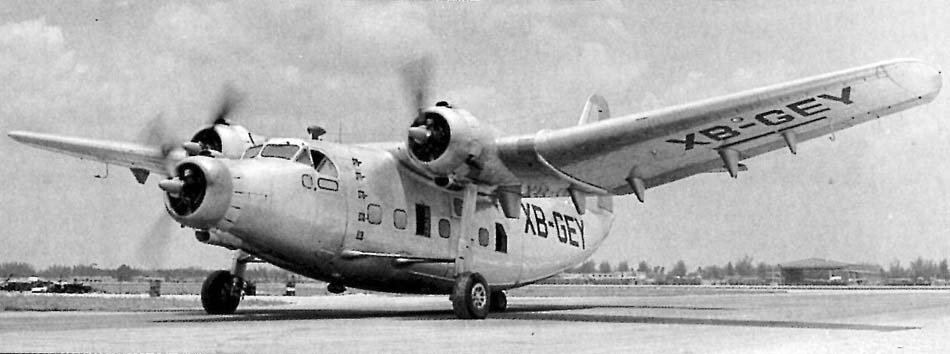 C-125 Raider |
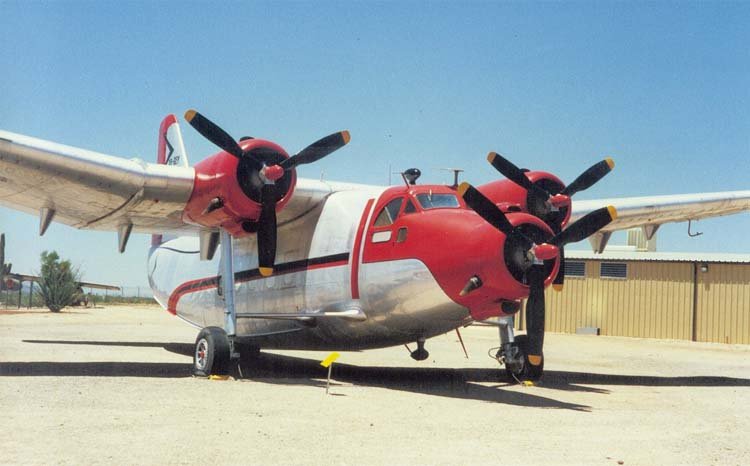 C-125 Raider |
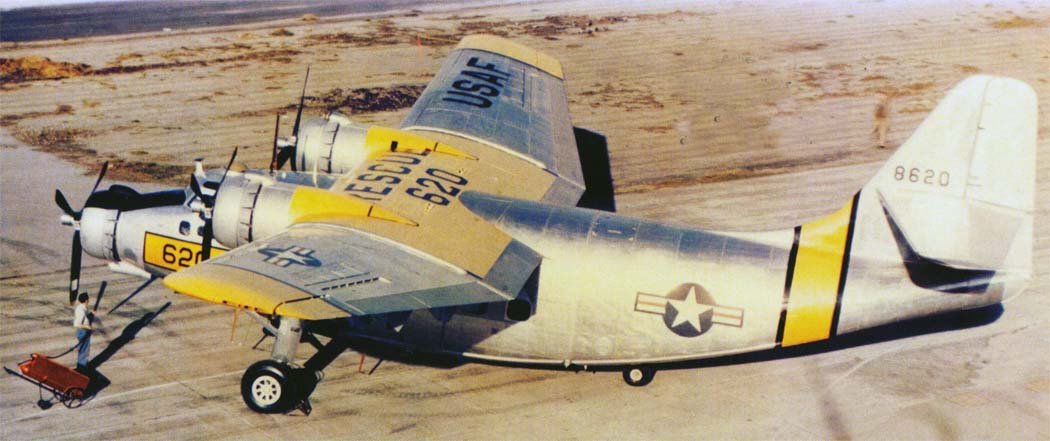 C-125 Raider |
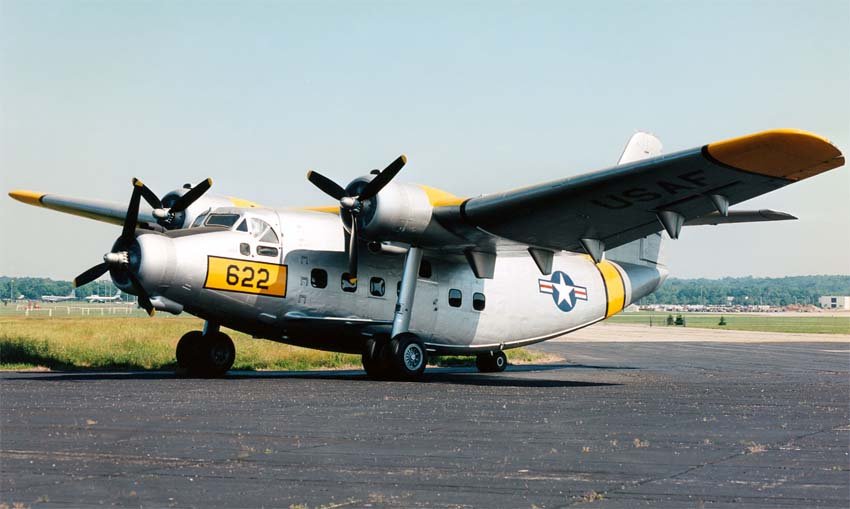 C-125 Raider |
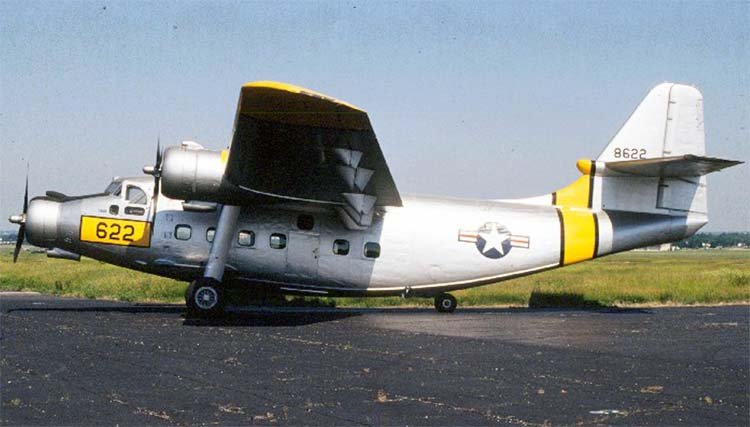 C-125 Raider |
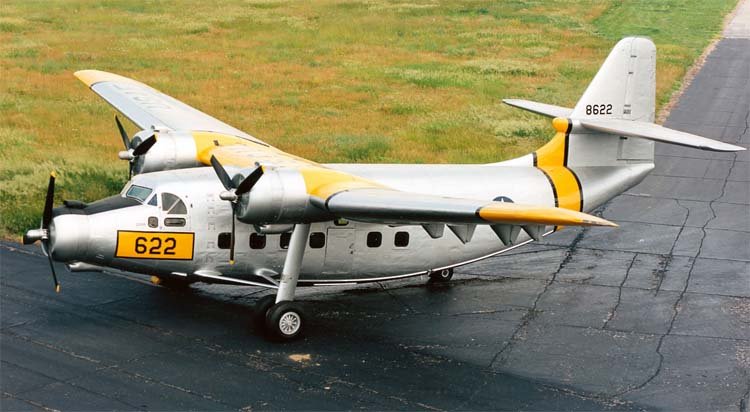 C-125 Raider |
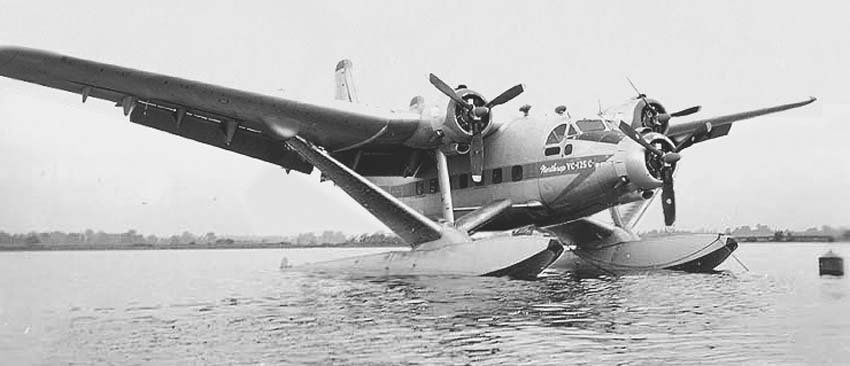 C-125 Raider |
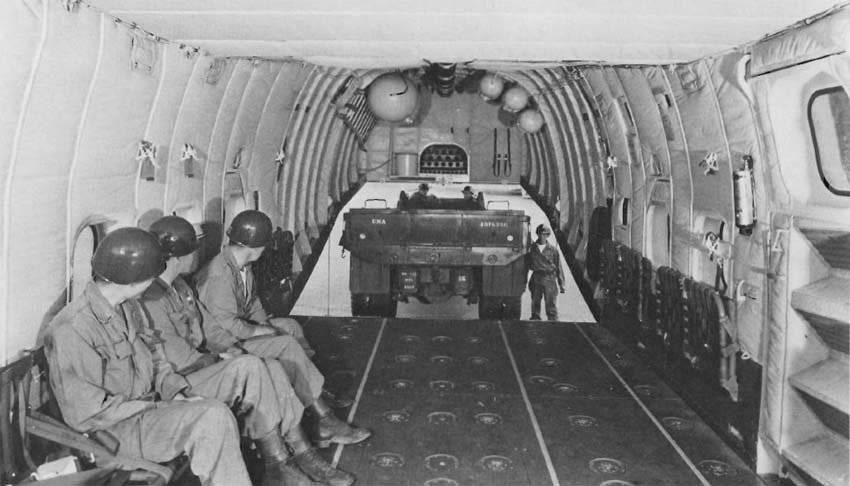 C-125 Raider |
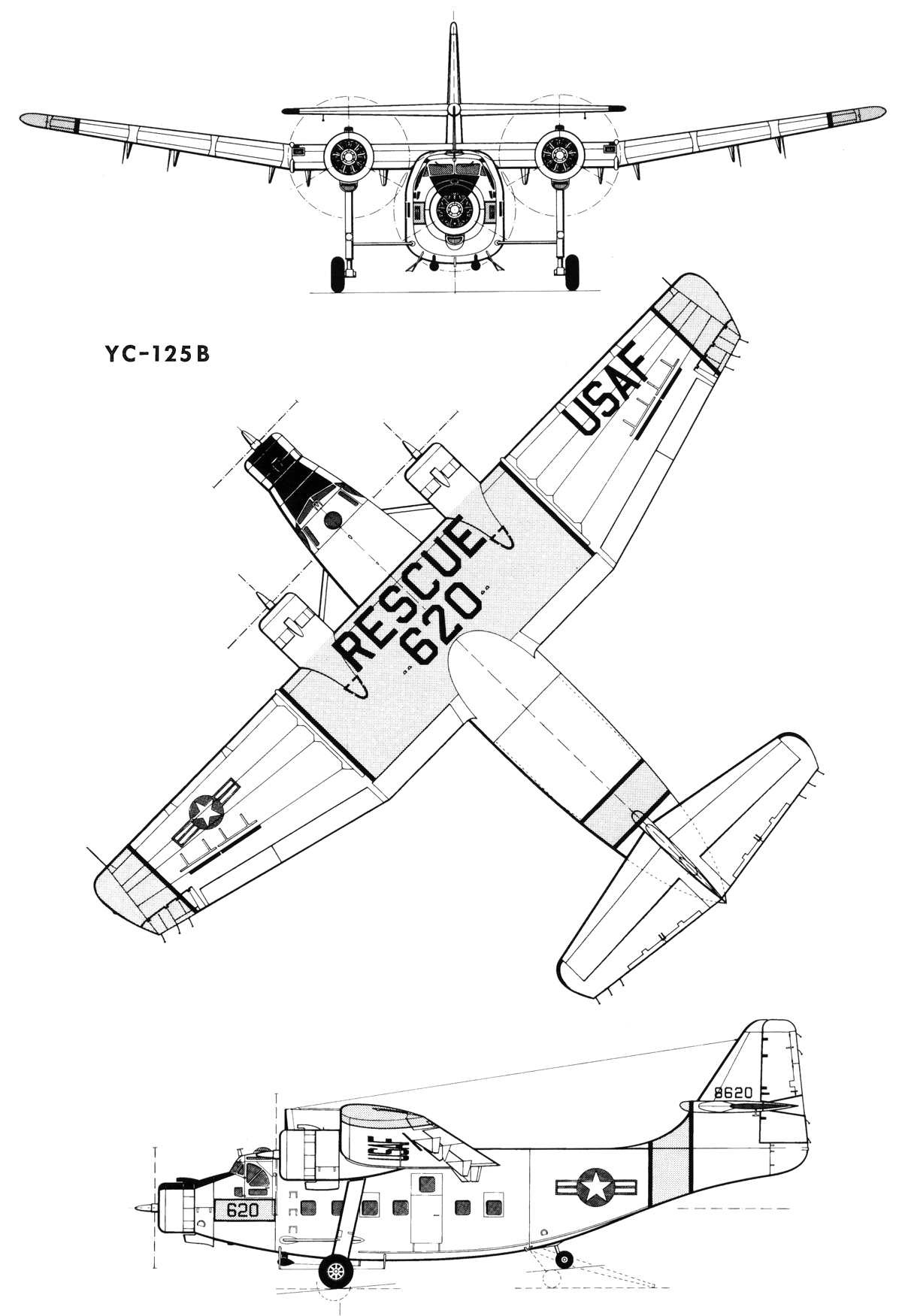 C-125 Raider |
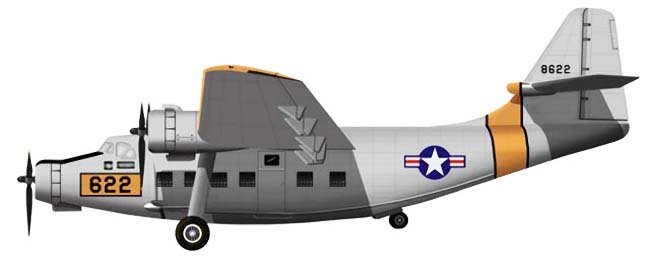 C-125 Raider |