
The Multi-Role Aircraft Concept
The idea of creating a multi-functional aircraft, capable of serving as an escort fighter, bomber, attack aircraft, and reconnaissance plane, emerged during the First World War. Between 1916 and 1918, as aviation technology advanced significantly, designers in various countries successfully developed several projects that were later built and saw combat. These were typically heavy twin-engine aircraft with crews of 3-6 people and defensive machine gun armament.
However, such machines had significant drawbacks: insufficient speed for a fighter, a small bomb load for a bomber, and weak armor for an attack aircraft. In the 1920s, this question was raised repeatedly, each time resulting in rather strange hybrids that proved impossible to use as multi-functional aircraft. Simple logic suggested that an “all-in-one” aircraft was unrealistic, as it would always possess some serious flaw that would be difficult to eliminate without a complete redesign.
Nevertheless, designing a bomber-attack aircraft seemed well within reach, and work on such a machine began in the early 1930s.
Evolving Specifications and Breguet’s Response
Interestingly, the Ministry of Aviation, when issuing specifications for any class of aircraft, managed to change its priorities within a year. This was because, from 1933, the Air Force became an independent branch of service, requiring aviation firms to produce the most advanced combat aircraft. Thus, in August 1933, a specification was issued for a “multiplace de combat” – a multi-seat combat aircraft – which was doomed to fail from its inception. The parameters laid out in it effectively prevented the resulting aircraft from being improved into even a full-fledged bomber, which is precisely what happened.
Just as designers began work, a new air force development program from November 17, 1934 (Plan I) prioritized high-speed bombers. It envisioned the competitive construction of B5 class aircraft without a front turret, but with wing-mounted machine guns and previous speed characteristics. By 1936, the requirements changed again, now calling for a B4 class bomber with a maximum speed of 470 km/h and a range of approximately 3000 km.
Credit must be given to the designers at the Breguet firm. They produced a thoroughly modern multi-purpose bomber with clean aerodynamic forms, which advantageously distinguished it from the “suitcases” – the angular, heavy monoplanes that entered service between 1932 and 1934. The defensive armament layout provided the bomber with almost circular coverage; the front and rear gun positions were turret-type, and the lower one was shielded, increasing the chances of achieving maximum flight speed. Among the engines available at the time, the radial Gnome Rhone 14Kjrs were chosen for the prototype, being among the most powerful.
The Br.460’s Trials and Final Fate
The situation, to say the least, was very difficult. Of the eight firms participating in the competition, six managed to secure a contract for prototype construction, and subsequently, three of them received orders for serial production of aircraft that were transformed into bombers and reconnaissance planes – namely, the Potez 540, Bloch MB.130, and Amiot 140. As we can see, the Bre.460 was not among these “lucky ones,” and there were valid reasons for this. As mentioned, the aircraft was outdated by the time the 1933 specification appeared, and its construction encountered a number of technical difficulties, with the first prototype not taking to the air until 1935.
During test flights, it achieved a speed of around 385 km/h and a range of over 3000 km. However, the Air Force command was now focused on new bombers expected to appear in 1937. As anticipated, “pure” bombers like the LeO.45 and Amiot 340 showed higher performance, but serial production of these machines could only begin in 1938. Furthermore, requirements for an attack aircraft had not yet been finalized, and only in 1938, according to the new AB2 specification, were aircraft of the Bre.691/693 series launched into serial production.
Meanwhile, the Bre.460’s tests were prolonged due to serious malfunctions, requiring the aircraft to be sent for modifications, which took even more time. Due to changes in specifications, the Bre.460 was adapted to the B4 bomber class, but even then, it was clear that it could not compete with newer projects. Nevertheless, towards the end of 1936, a small hope for extending the project’s life emerged. Firstly, that year saw the nationalization of the aviation industry, and many firms were merged into conglomerates. This was done to accelerate the modernization of the Air Force, but the effect was completely opposite. Only the Breguet firm managed to avoid such a merger and even expanded its production capacities as a result.
Secondly, the nascent Spanish Civil War provided an opportunity to sell off a mass of old or unnecessary equipment to the warring parties, and at the same time, test new aircraft models in combat conditions. The Bre.460 fell into the category of these “needed” machines. After brief negotiations, the French government agreed to supply the sole bomber prototype to the Republican Air Force, intending to verify its true combat effectiveness. In 1937, the aircraft arrived in Spain and joined one of the bomber groups. Specific details about the Bre.460’s combat operations are absent, but it is known that the bomber spent most of its time on the ground. The history of the Bre.460 ended quite ordinarily. Work on it was curtailed in 1936 in favor of the more advanced Bre.462 variant, which was presented for testing in October 1936.
Technical Specifications
| Modification | Br.460 M5 |
| Wingspan, m | 20.50 |
| Length, m | 12.84 |
| Height, m | 4.20 |
| Wing area, m2 | 56.60 |
| Empty weight | 4 210 |
| Normal takeoff weight | 7400 |
| Engine type | 2 Piston engine Gnome & Rhone 14Kdrs |
| Power, hp | 2 x 825 |
| Maximum speed, km/h | 385 |
| Cruising speed, km/h | 320 |
| Practical range, km | 2000 |
| Practical ceiling, m | 6000 |
| Crew | 5 |
| Armament | three 7.5-mm Darne machine guns (450 rounds per gun ammunition) bomb load up to 1800 kg (usually – 1000 kg) |
Image and diagram gallery of the Breguet Br.460 Vultur
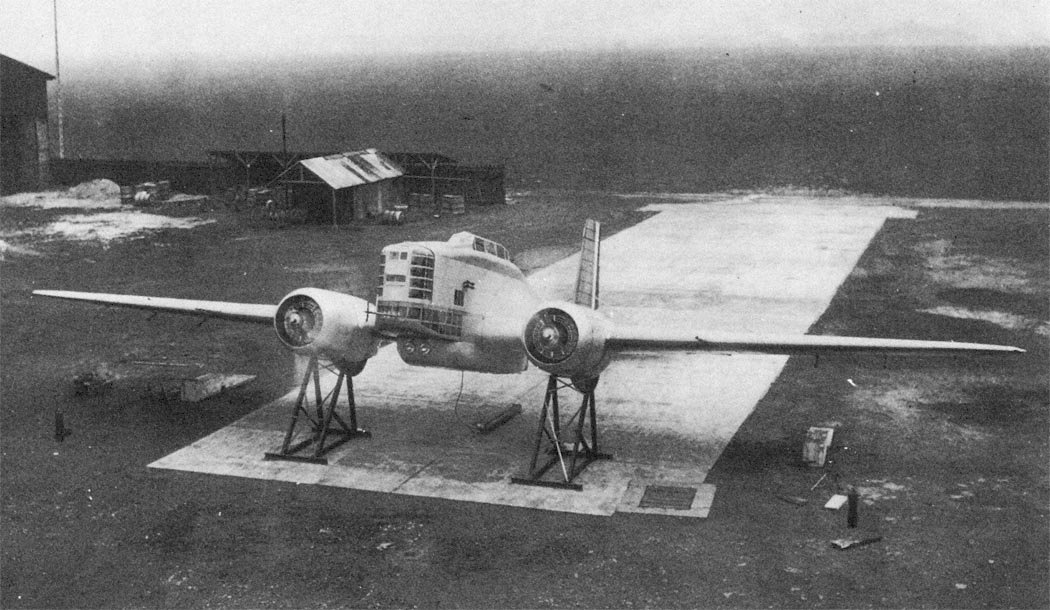 Br.460 Vultur |
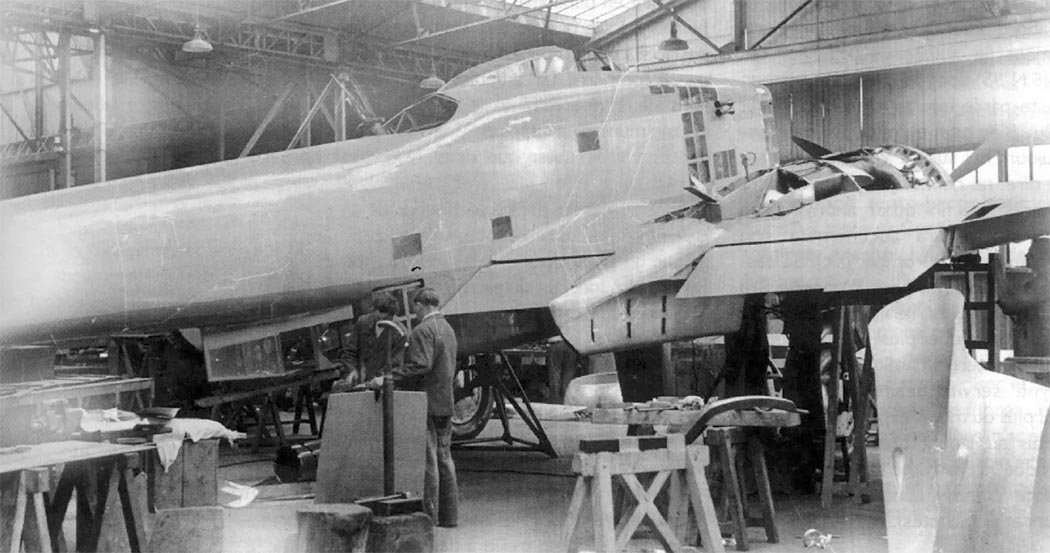 Br.460 Vultur |
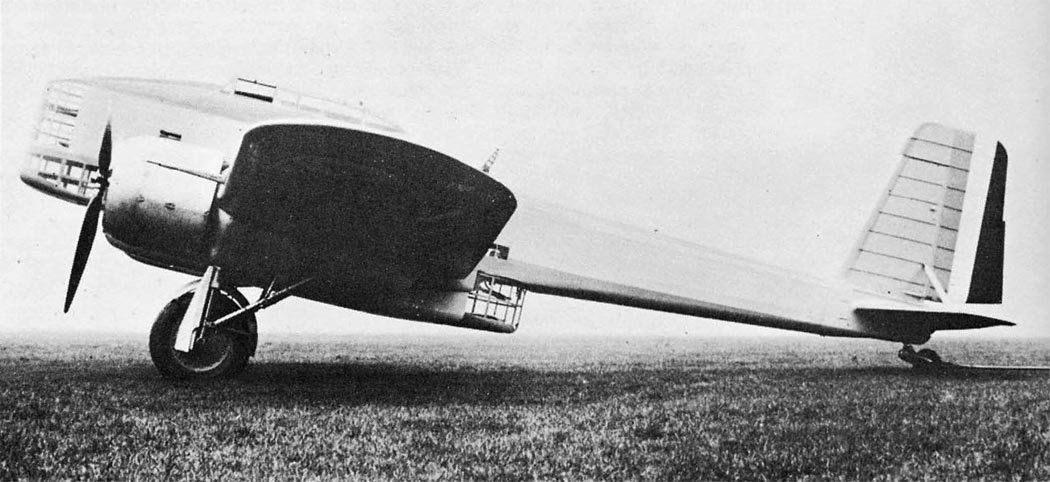 Br.460 Vultur |
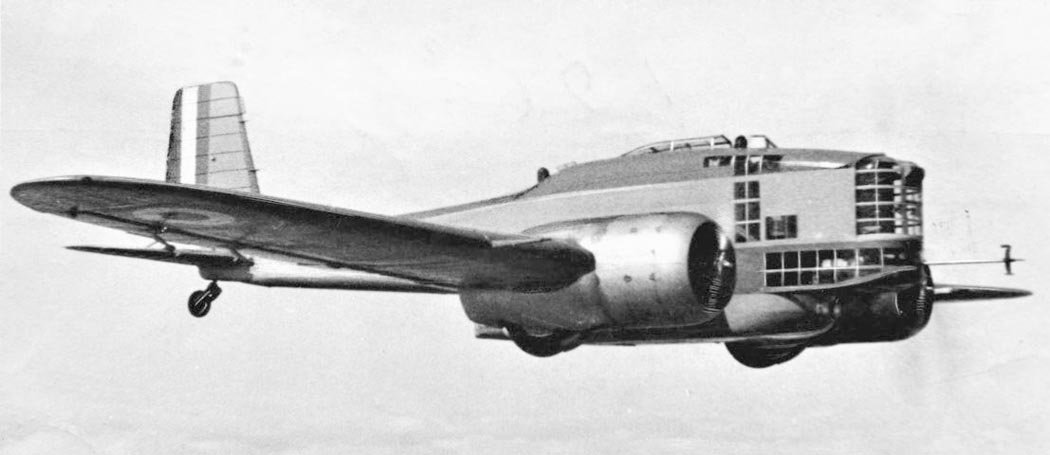 Br.460 Vultur |
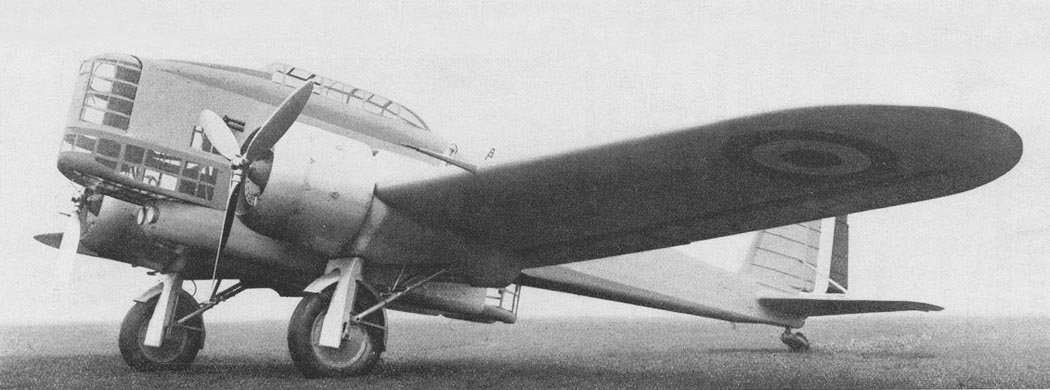 Br.460 Vultur |
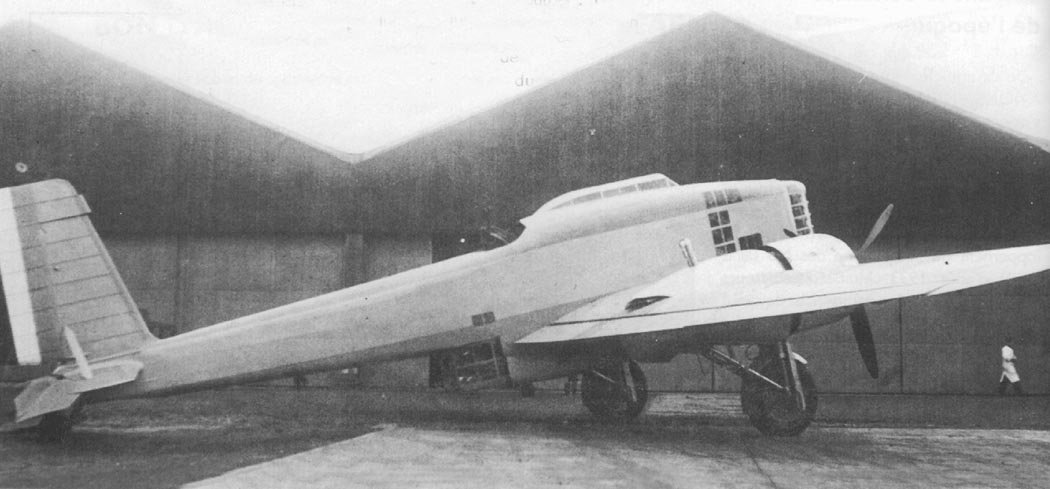 Br.460 Vultur |
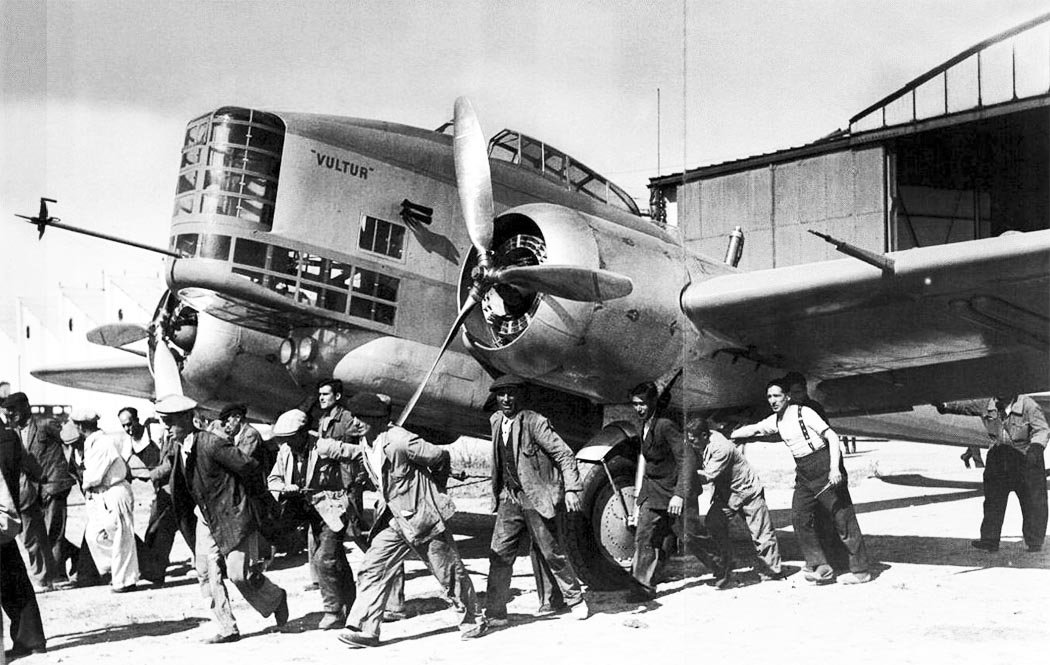 Br.460 Vultur |
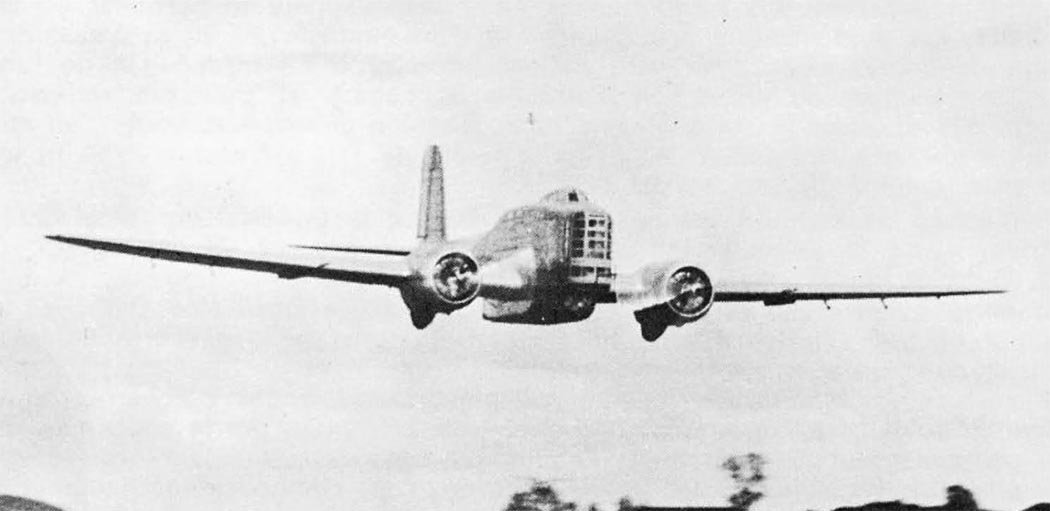 Br.460 Vultur |
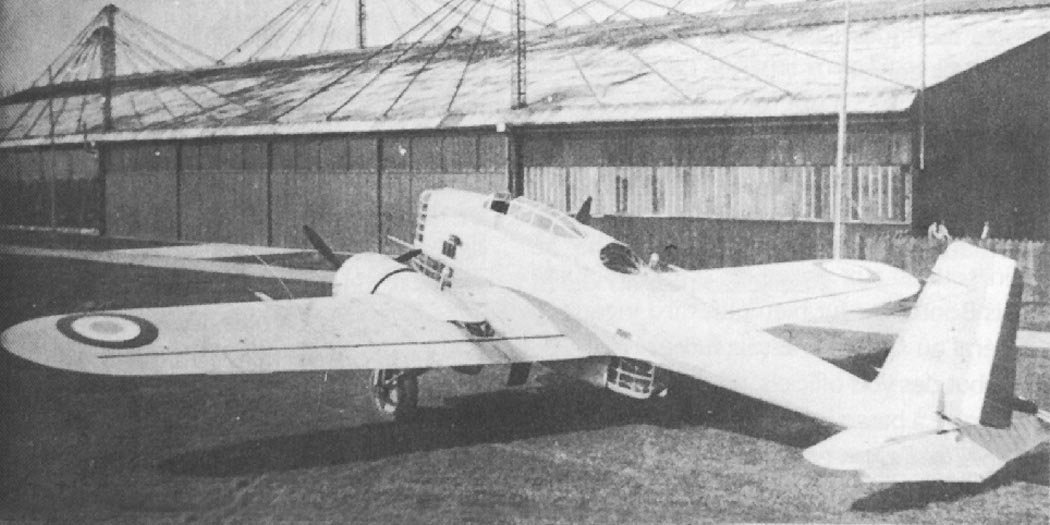 Br.460 Vultur |
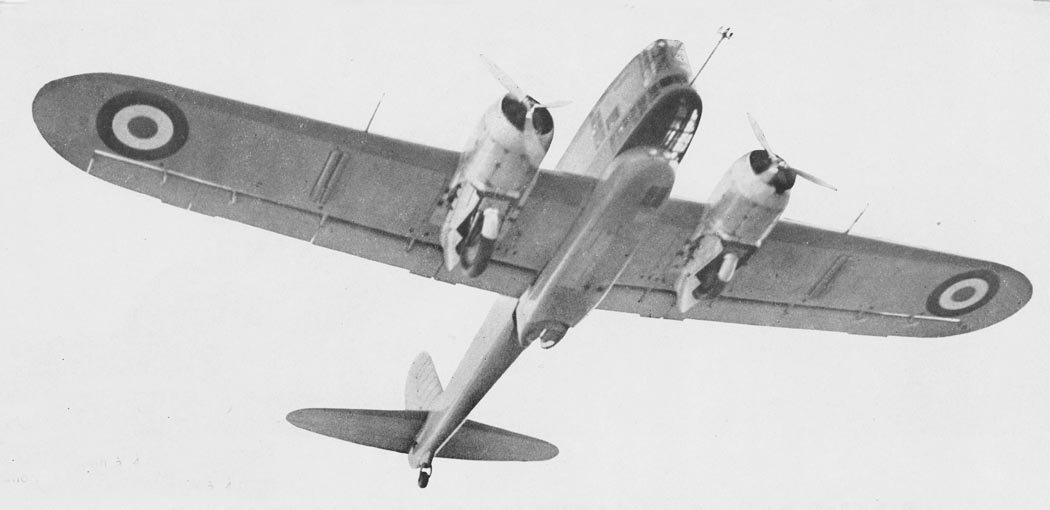 Br.460 Vultur |
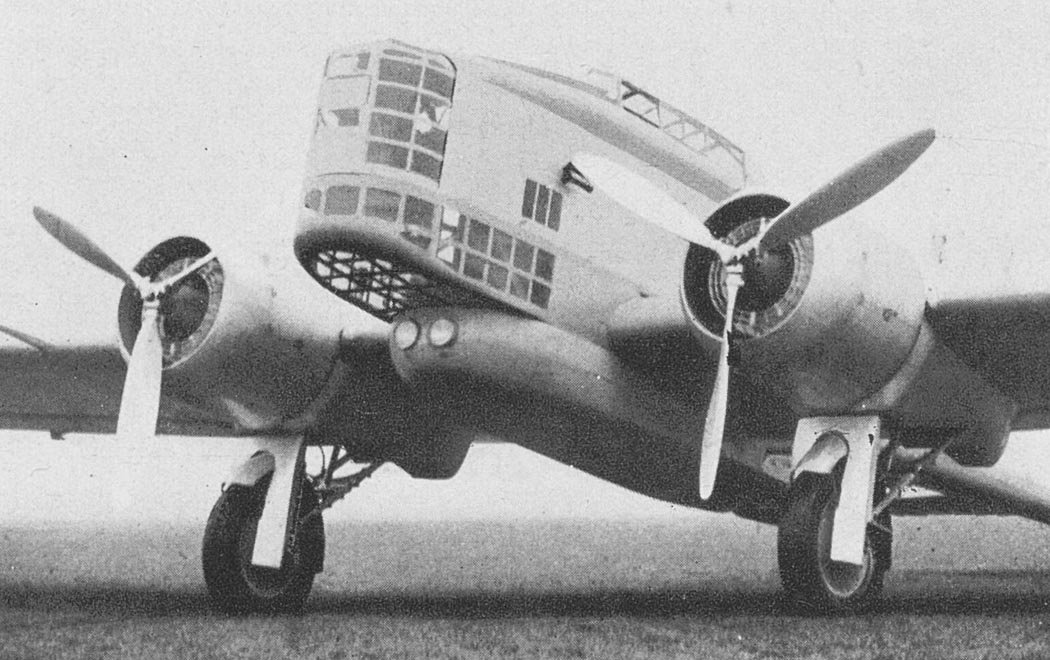 Br.460 Vultur |
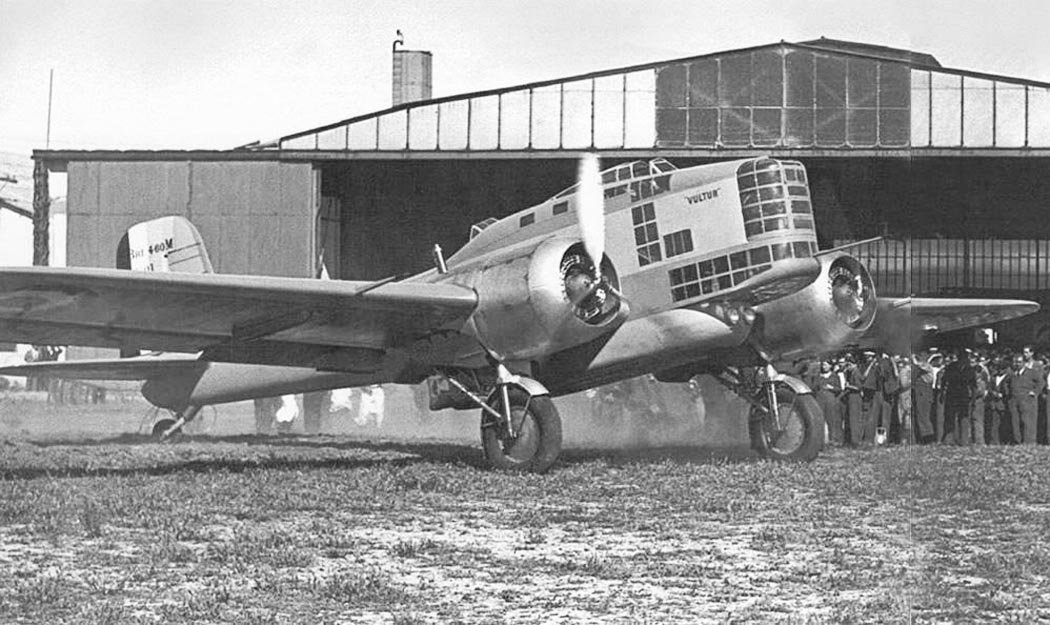 Br.460 Vultur |
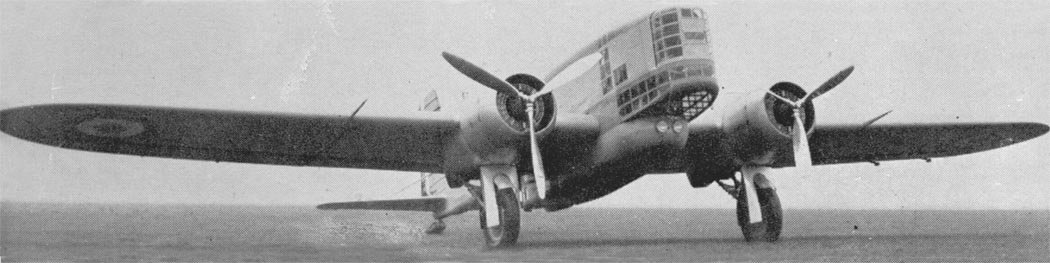 Br.460 Vultur |
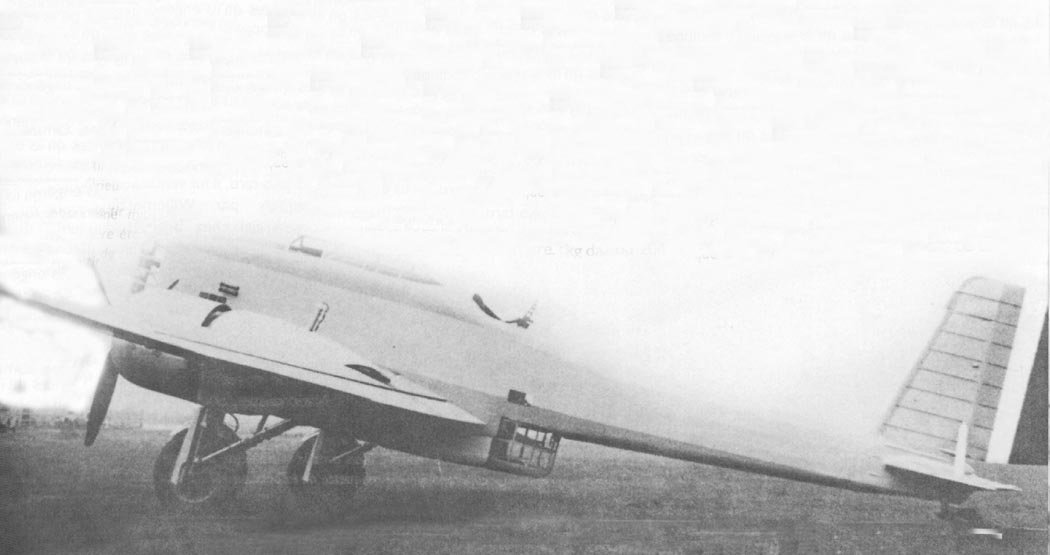 Br.460 Vultur |
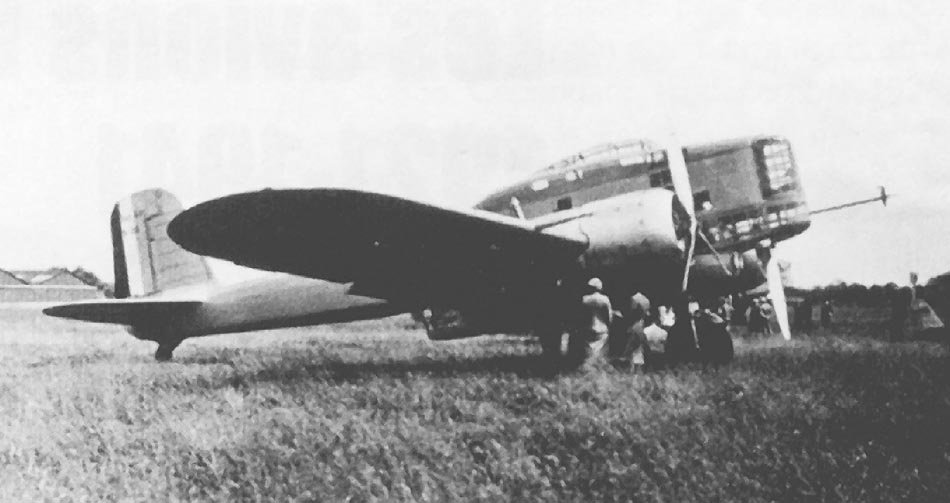 Br.460 Vultur |
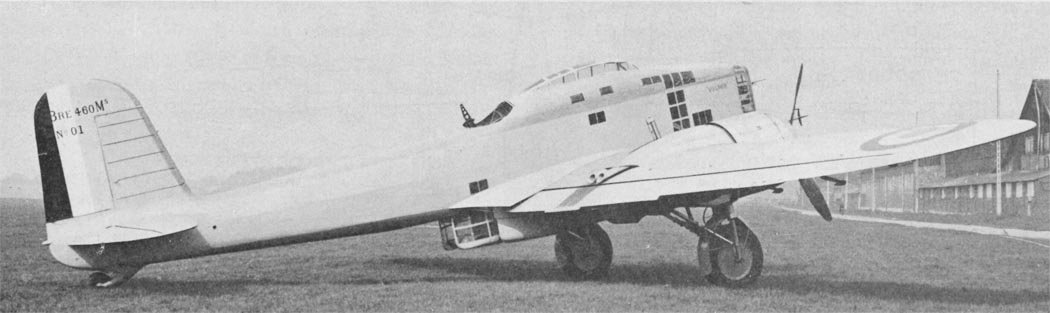 Br.460 Vultur |
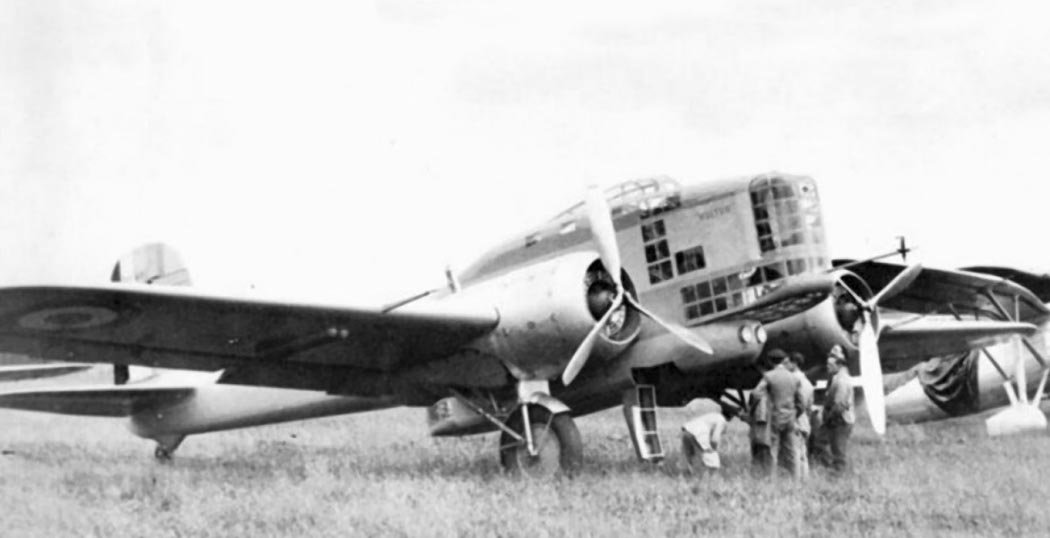 Br.460 Vultur |
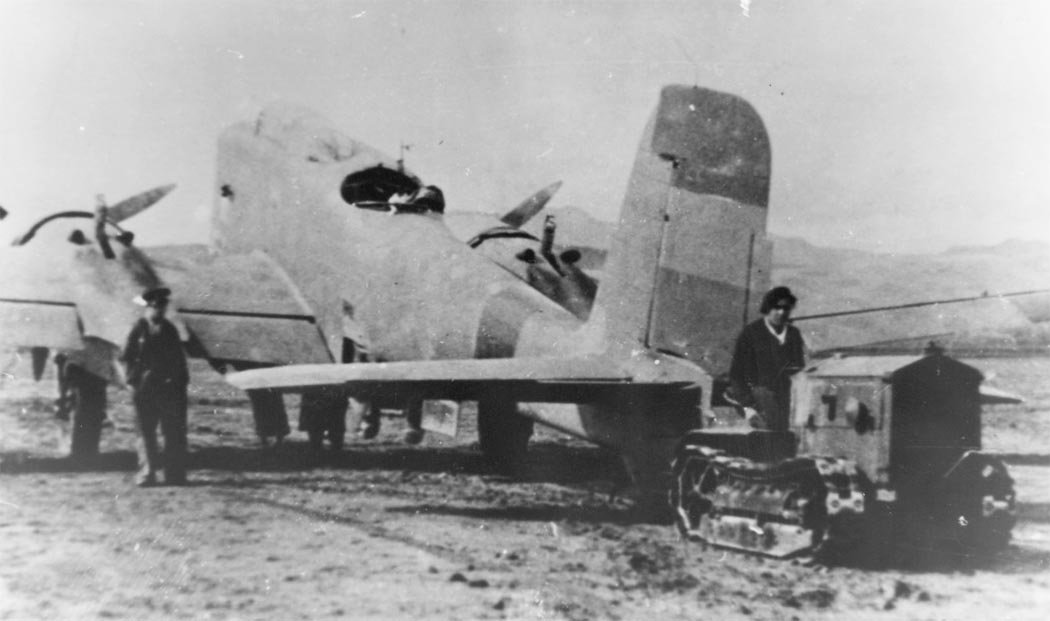 Br.460 Vultur |
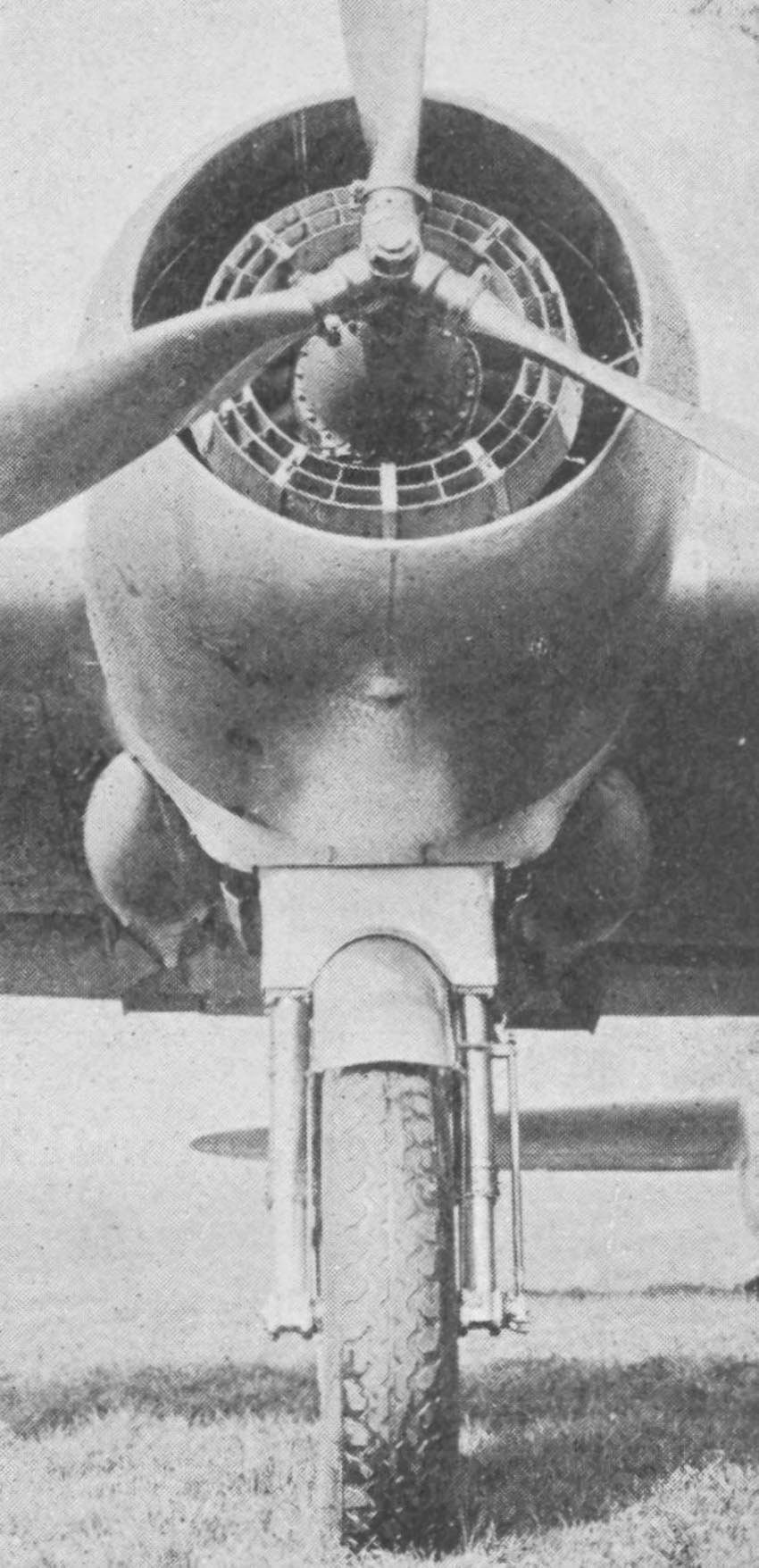 Br.460 Vultur |
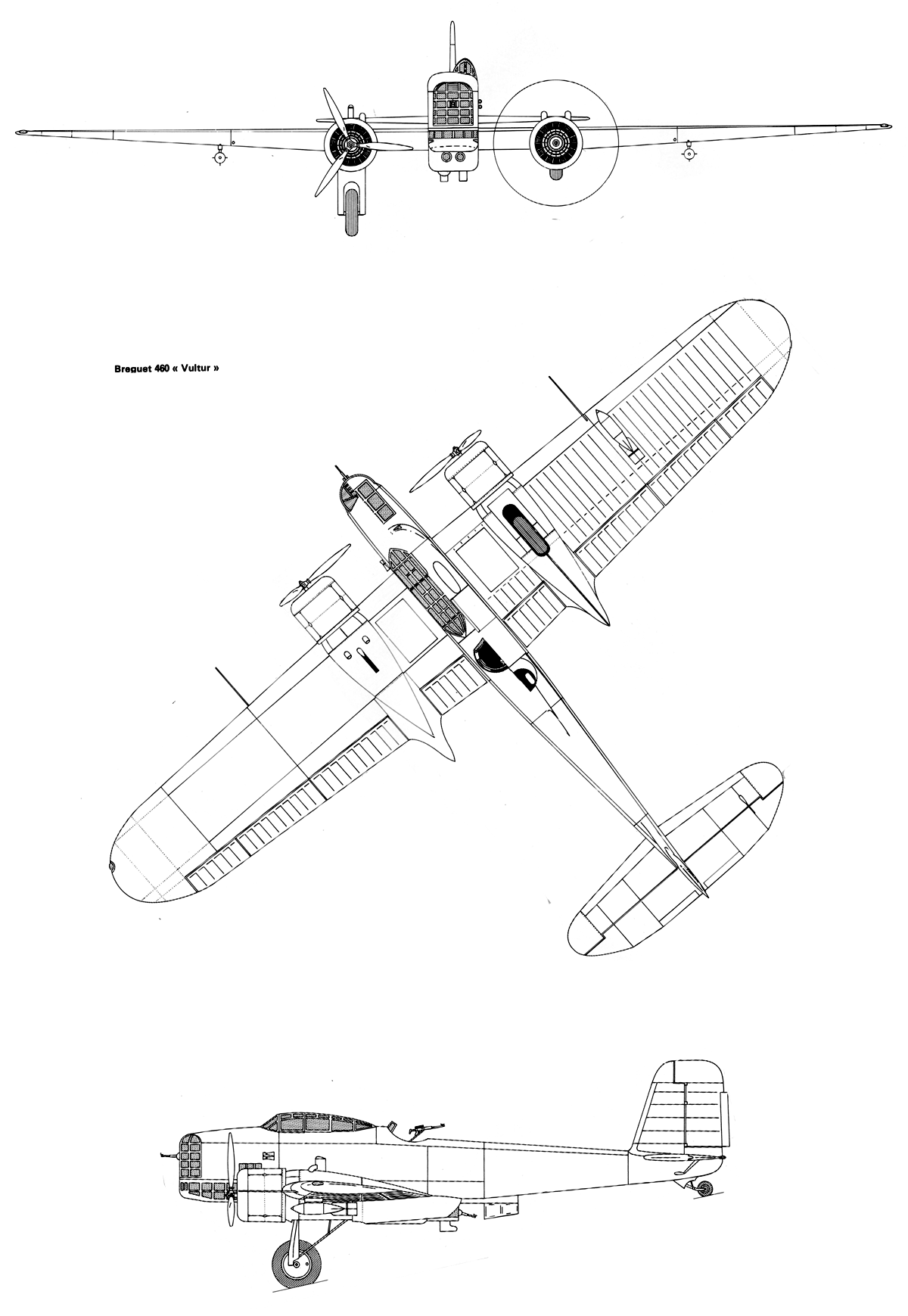 Br.460 Vultur |
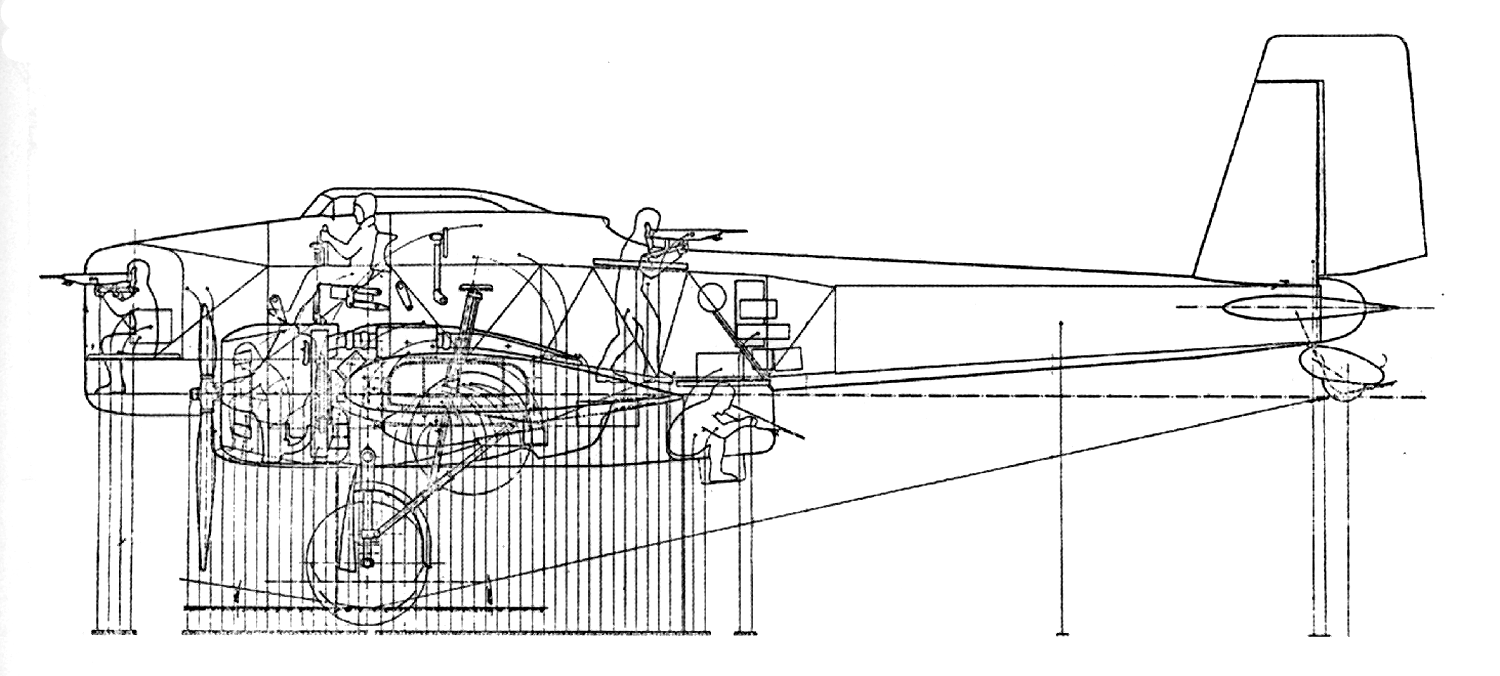 Br.460 Vultur |
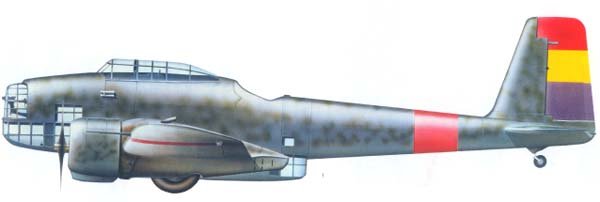 Br.460 Vultur |
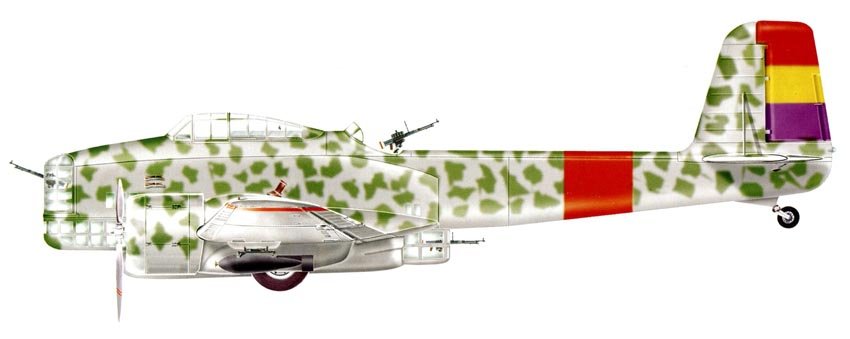 Br.460 Vultur |