
In 1930, the Caproni company introduced its new trainer aircraft, the Caproni Ca.104 A.A. This machine was a variant of the Caproni Ca.100, specifically designed for aerobatic maneuvers.
It differed from its predecessor, the Ca.100, by featuring wings with a larger wingspan and a more powerful powerplant. These enhancements made it ideal for demanding acrobatic displays.
Design and Purpose
The Ca.104 was a two-seater, single-strut biplane, equipped with a 240 hp Walter Castor radial engine. It also featured a two-bladed metal “Reed Caproni” propeller for optimal performance.
Technical Specifications
Throughout 1930, several units of this aircraft were built. This included single-seater versions specifically intended for aerobatic performances and competitions.
Production and Variants
Technical Specifications
| Modification | Ca.10 4 |
| Wingspan, m | 10.50 |
| Length, m | 7.50 |
| Height, m | 2.75 |
| Wing area, m2 | 27.00 |
| Empty weight | 680 |
| Normal takeoff weight | 845 |
| Engine type | 1 Piston engine Walter Castor |
| Power, hp | 1 x 240 |
| Maximum speed, km/h | 220 |
| Service ceiling, m | 6500 |
| Crew, crew | 1-2 |
Image and diagram gallery of the Caproni Ca.104 A.A.
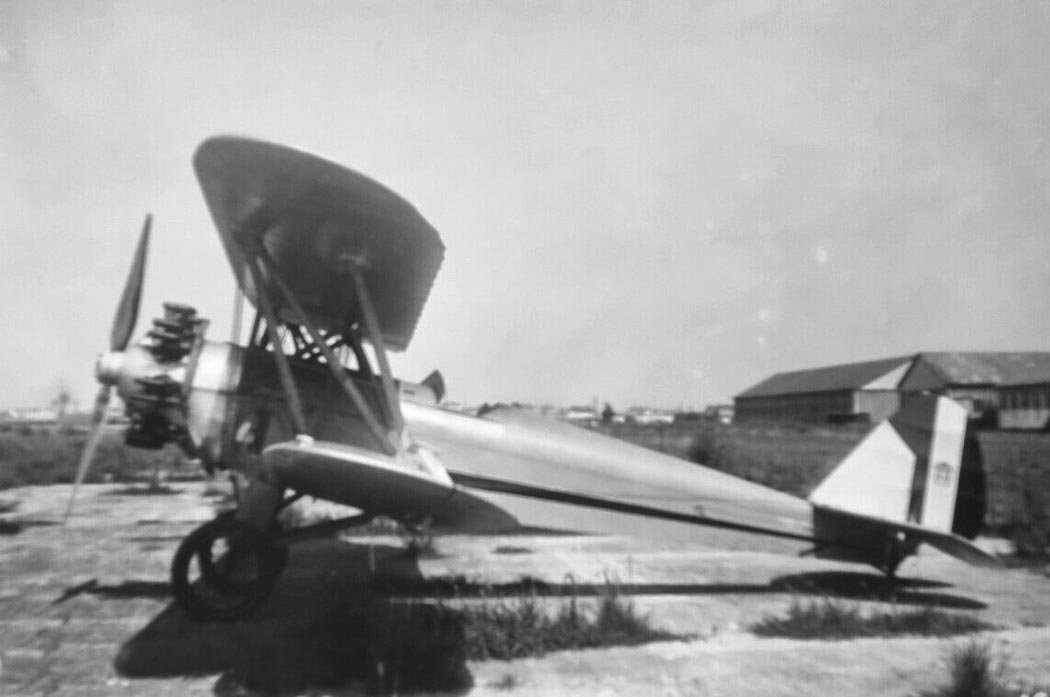 Ca.104 |
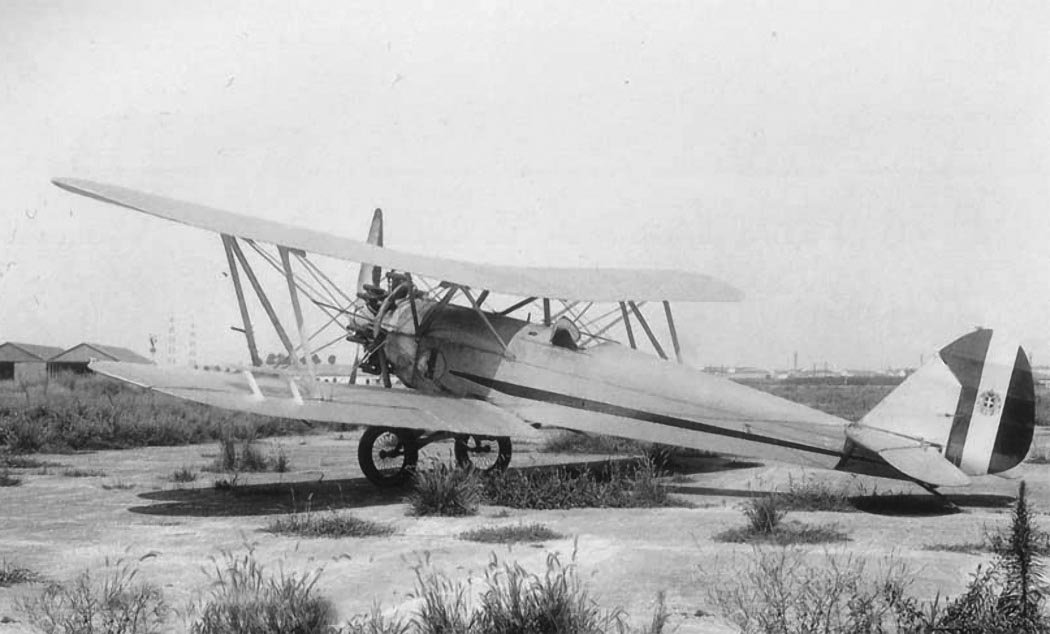 Ca.104 |
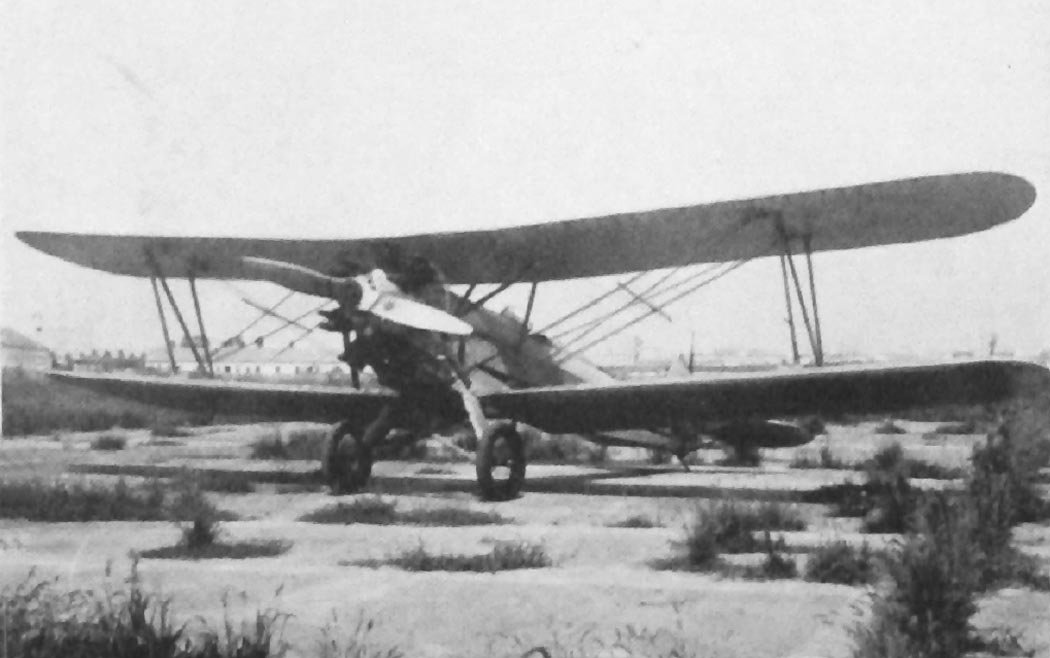 Ca.104 |
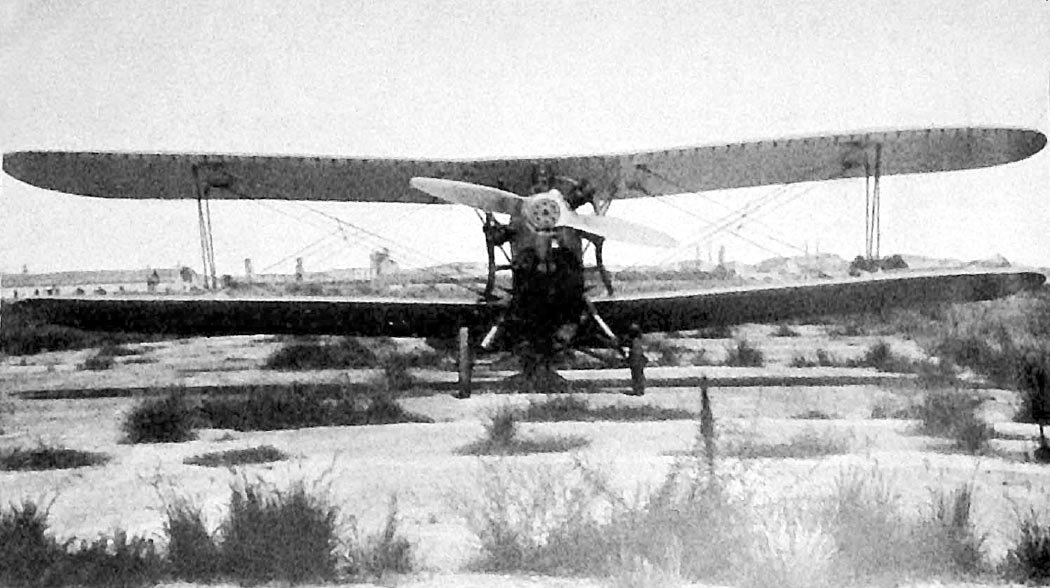 Ca.104 |
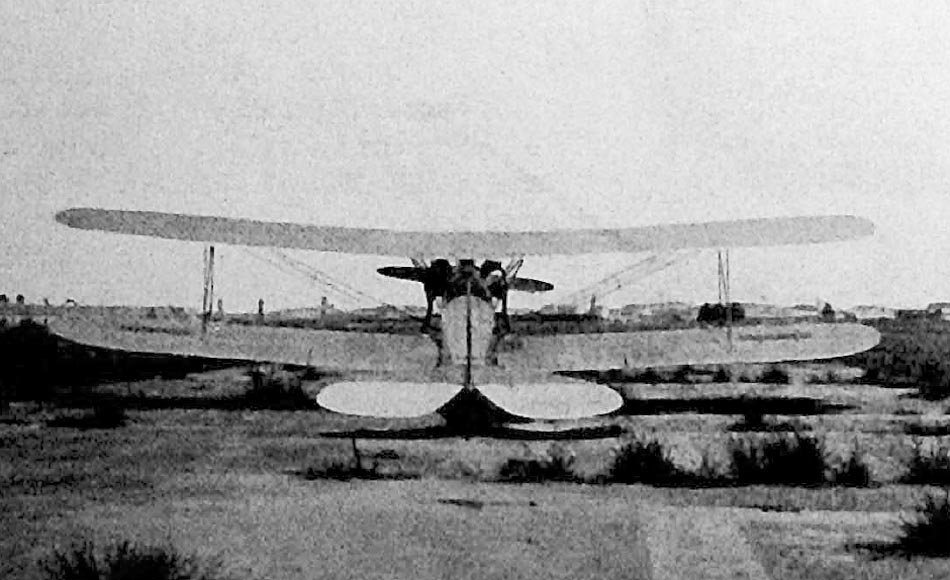 Ca.104 |
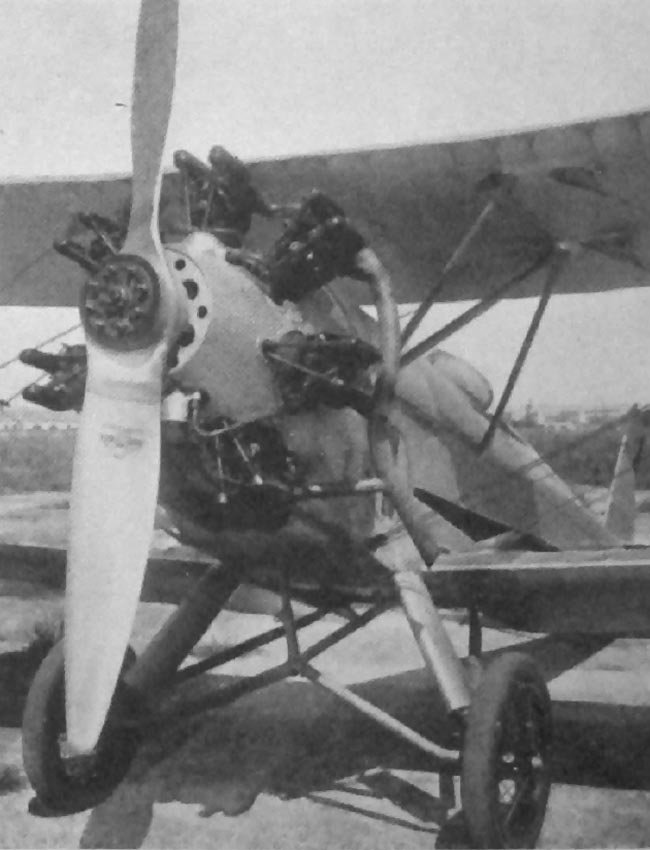 Ca.104 |
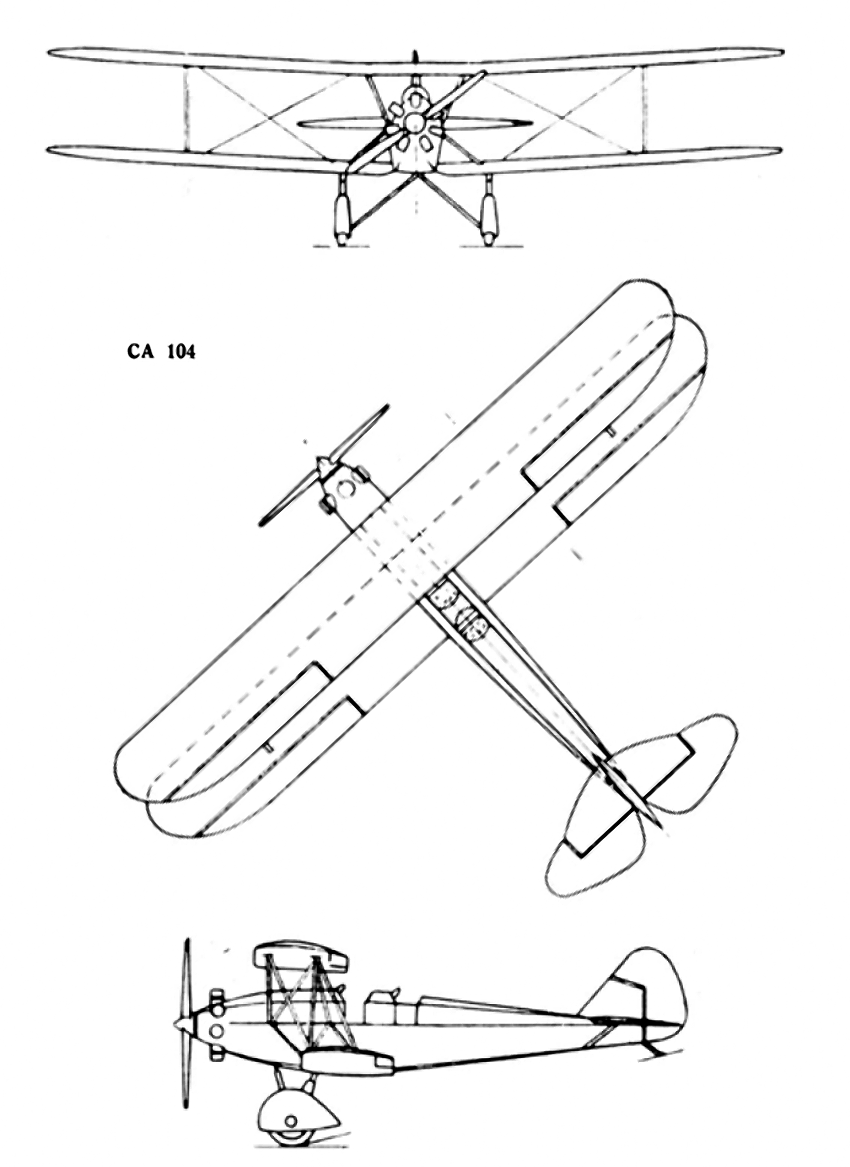 Ca.104 |
How to cite this article:
APA: Caproni Ca.104 A.A. (). Caproni Ca.104 A.A.. wp.archivoaereo.com. https://wp.archivoaereo.com/en/caproni-ca-104-a-a-2/
VANCOUVER: Caproni Ca.104 A.A. [online]. wp.archivoaereo.com; [cited 2026-10-28]. Available at: https://wp.archivoaereo.com/en/caproni-ca-104-a-a-2/