
Development and Evolution of the Ca.111
Based on the successful Ca.101, several less-known modifications were developed, with the Ca.111 proving to be the most successful. This single-engine variant of the Ca.101 made its first prototype flight (MM 205) in February 1932. Initially powered by a 559 kW (750 hp) Fiat engine, its wingspan was increased to 23 meters and its area to 85.5 square meters.
In 1934, a new wing was developed, and the Fiat engine was replaced with an Isotta-Fraschini “Asso” 750 RC, leading to the Ca.111RC designation. Following a prototype and four pre-production aircraft, 148 Ca.111 units were manufactured. Additionally, 25 aircraft were built as twin-float seaplanes, designated Ca.111 Idro, and used as long-range maritime reconnaissance aircraft.
Service with the Regia Aeronautica
By the start of World War II, the Italian Air Force (Regia Aeronautica) possessed 108 Ca.111RC aircraft. These planes were primarily utilized for transport and training duties, with some also engaging in aerial photography missions. During the winter of 1941-42, four Ca.111s played a crucial role in supplying Italian garrisons in Yugoslavia that were besieged by partisans.
After the armistice, only two examples of the aircraft served as liaison planes with the Aeronautica Cobelligerante, while those located in German-controlled areas were destroyed. A final attempt at modernization in October 1942, installing 1000 hp Fiat A80 RC41 engines on one Ca.111 (MM 23133), proved futile, confirming that the aircraft was by then morally obsolete.
The Ca.111 in Peru: “Pancho” and Airborne Pioneer
The fate of the Ca.111 Idro seaplanes exported to Peru was particularly interesting. An order for 12 transport seaplanes was fulfilled in 1934, arriving in South America adorned with red and white stripes, the colors of Peru’s national flag, much to the client’s delight. However, the Peruvians soon transferred the aircraft to Ancón, where they converted the transports into bombers.
Most modifications involved installing wheeled landing gear and military equipment. The Peruvians named these bombers “Pancho” because the bombing squadron’s emblem featured “Pancho” the elephant from the Lima zoo, proudly sitting on a bomb. Despite this clever naming, the Ca.111 proved to be a rather mediocre bomber, and the aircraft were eventually repurposed for carrying various cargo and passengers.
From 1936, these aircraft were operated by Escuadrón de Aviación N° 1 in Chiclayo and were instrumental in establishing Peru’s airborne forces. On July 31, 1941, during a border conflict with Ecuador, a group of Ca.111s successfully delivered paratroopers who captured Port Bolívar. By 1943, the remaining aircraft were transferred to Las Palmas, where they concluded their operational careers.
Technical Specifications
| Modification | Са.111RC |
| Wingspan, m | 19.68 |
| Length, m | 15.30 |
| Height, m | 3.85 |
| Wing area, m2 | 56.90 |
| Empty weight | 3418 |
| Normal takeoff weight | 5418 |
| Maximum takeoff weight | 6000 |
| Engine type | 1 Piston engine Isotta Fraschini Asso 750 RC 35 |
| Power, hp | 1 x 850 |
| Maximum speed, km/h | 280 |
| Cruising speed, km/h | 255 |
| Practical range, km | 2250 |
| Service ceiling, m | 6700 |
| Crew, crew | 3 |
| Armament | four-six 7.7-mm Lewis machine guns; bomb load – 600 kg (maximum up to 1000 kg) |
Image and diagram gallery of the Ca.111
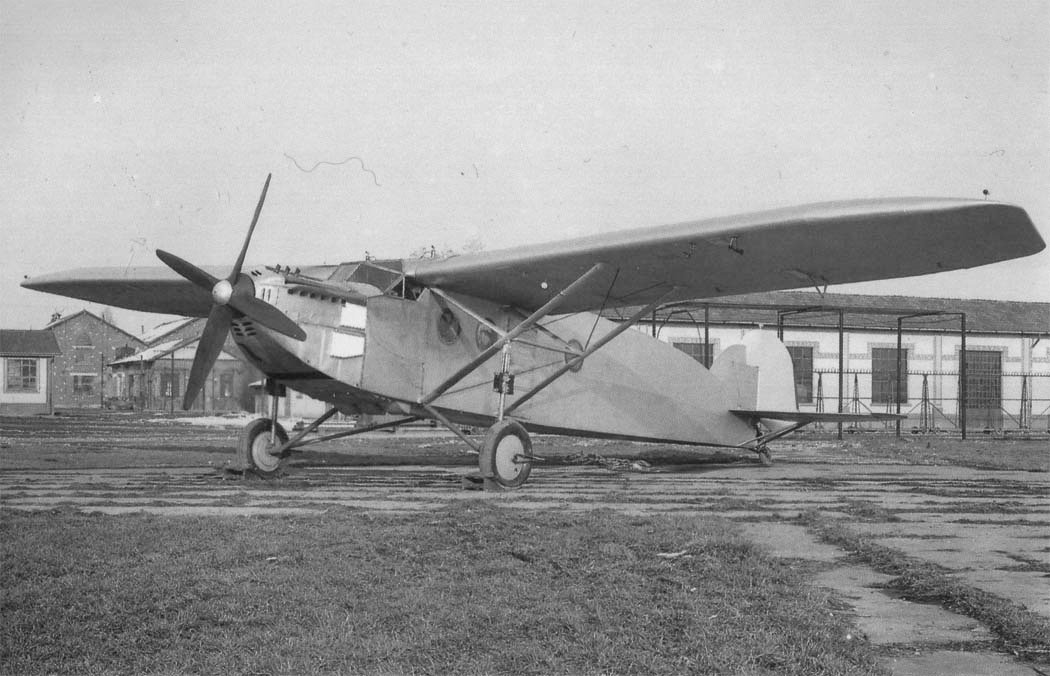 Ca.111 |
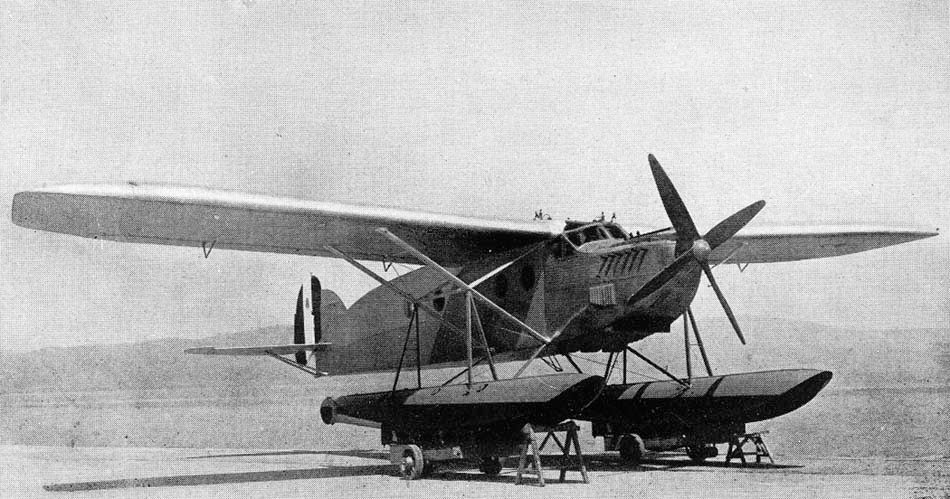 Ca.111 |
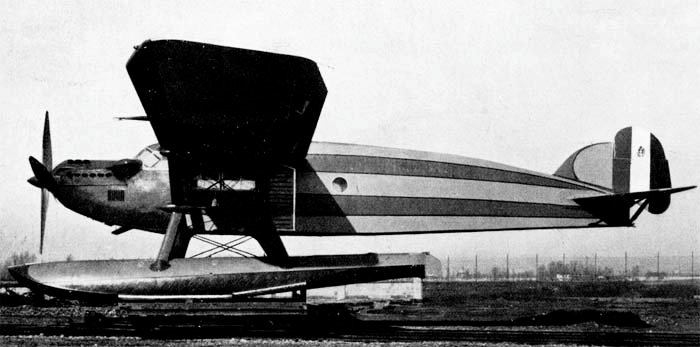 Ca.111 |
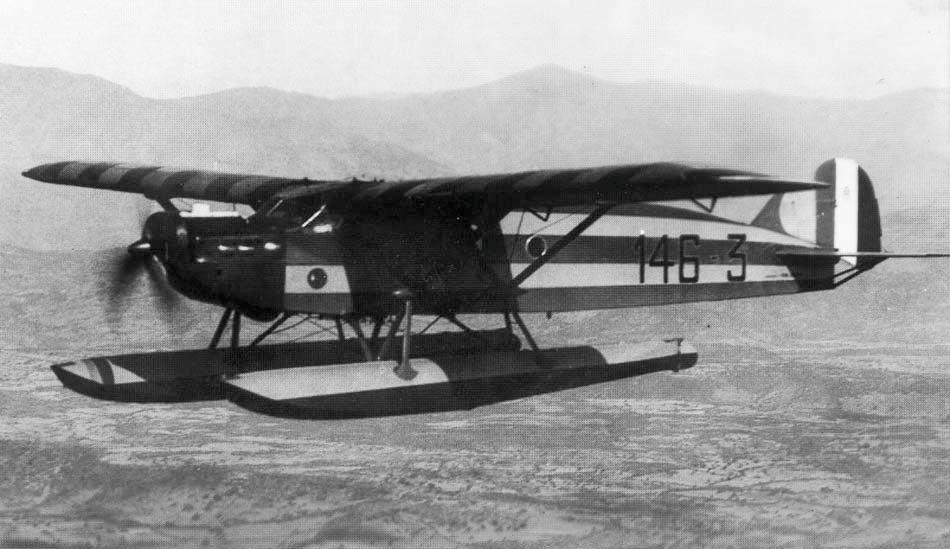 Ca.111 |
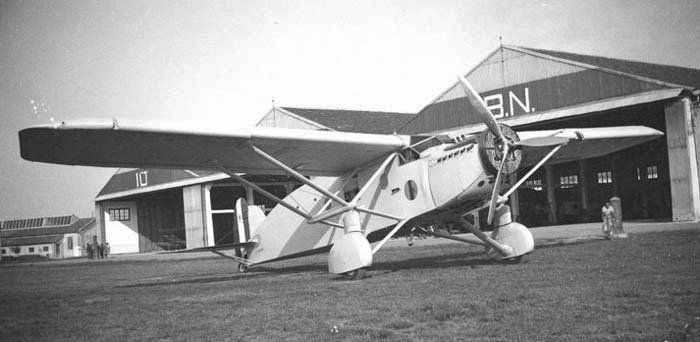 Ca.111 |
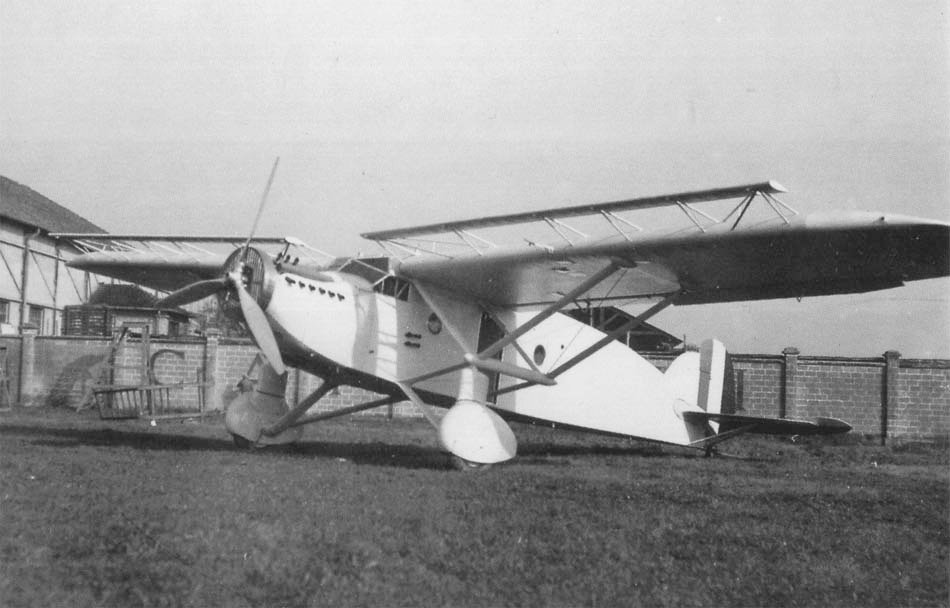 Ca.111 |
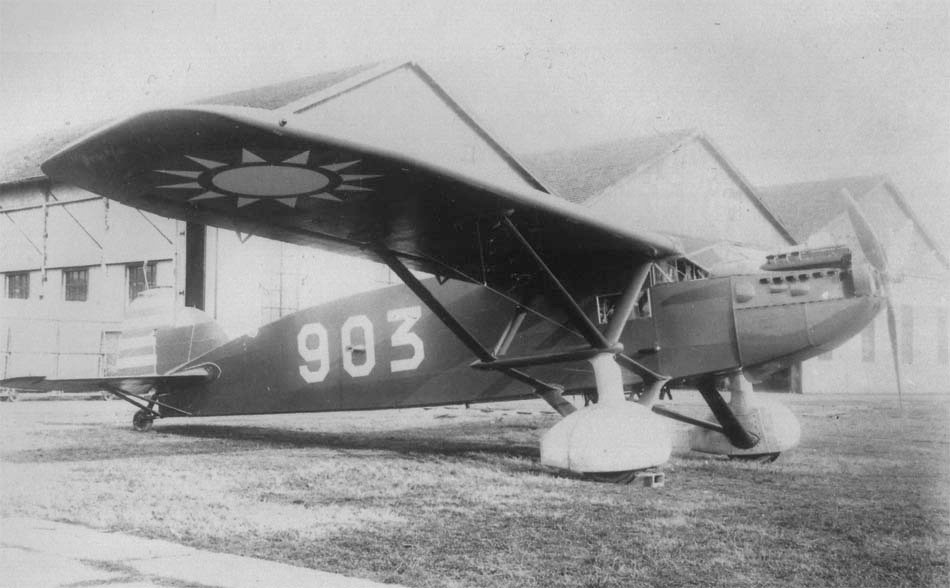 Ca.111 |
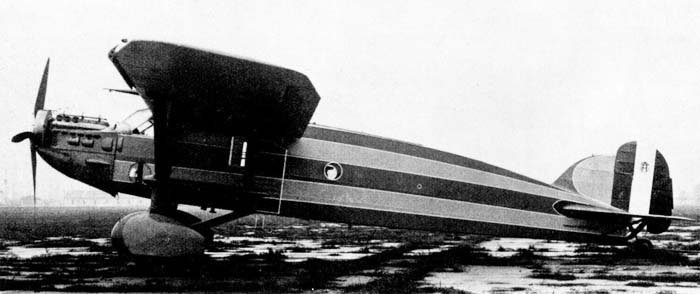 Ca.111 |
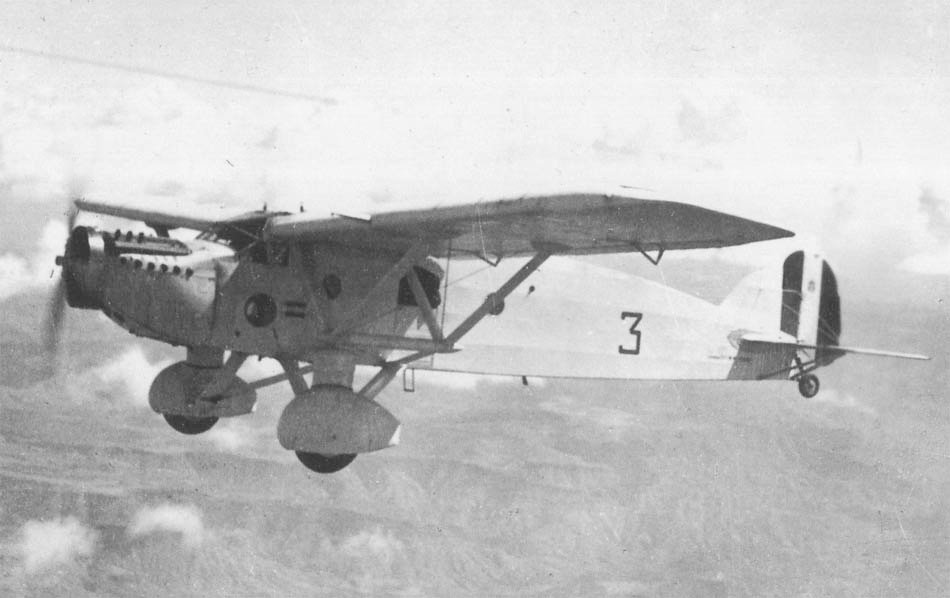 Ca.111 |
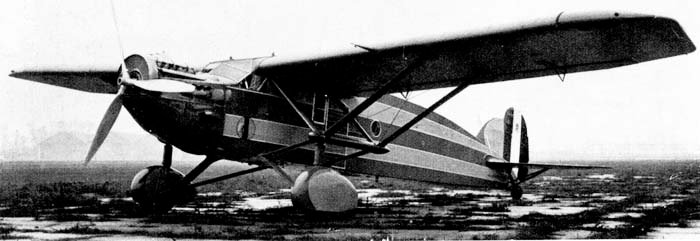 Ca.111 |
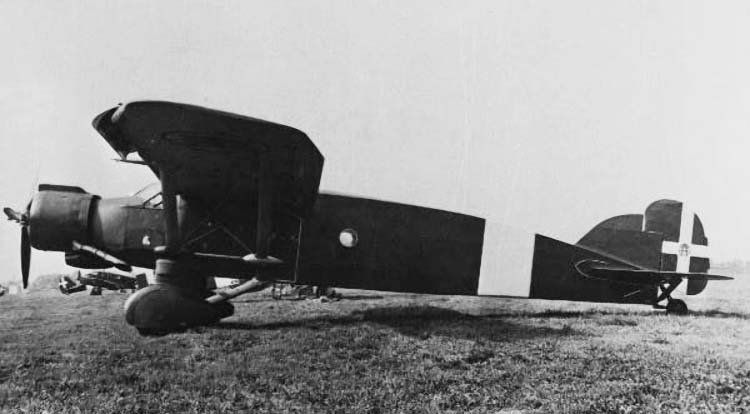 Ca.111 |
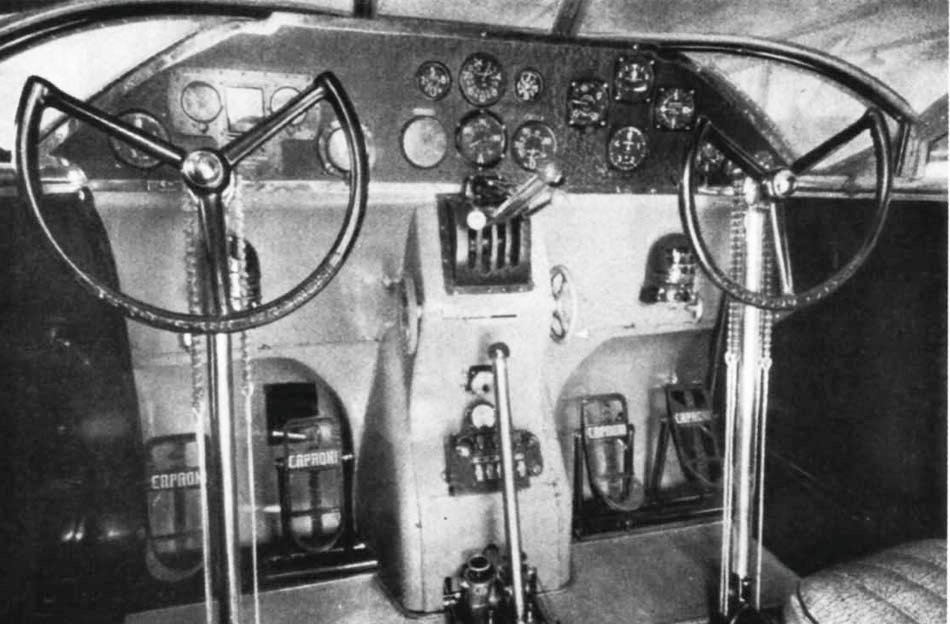 Ca.111 |
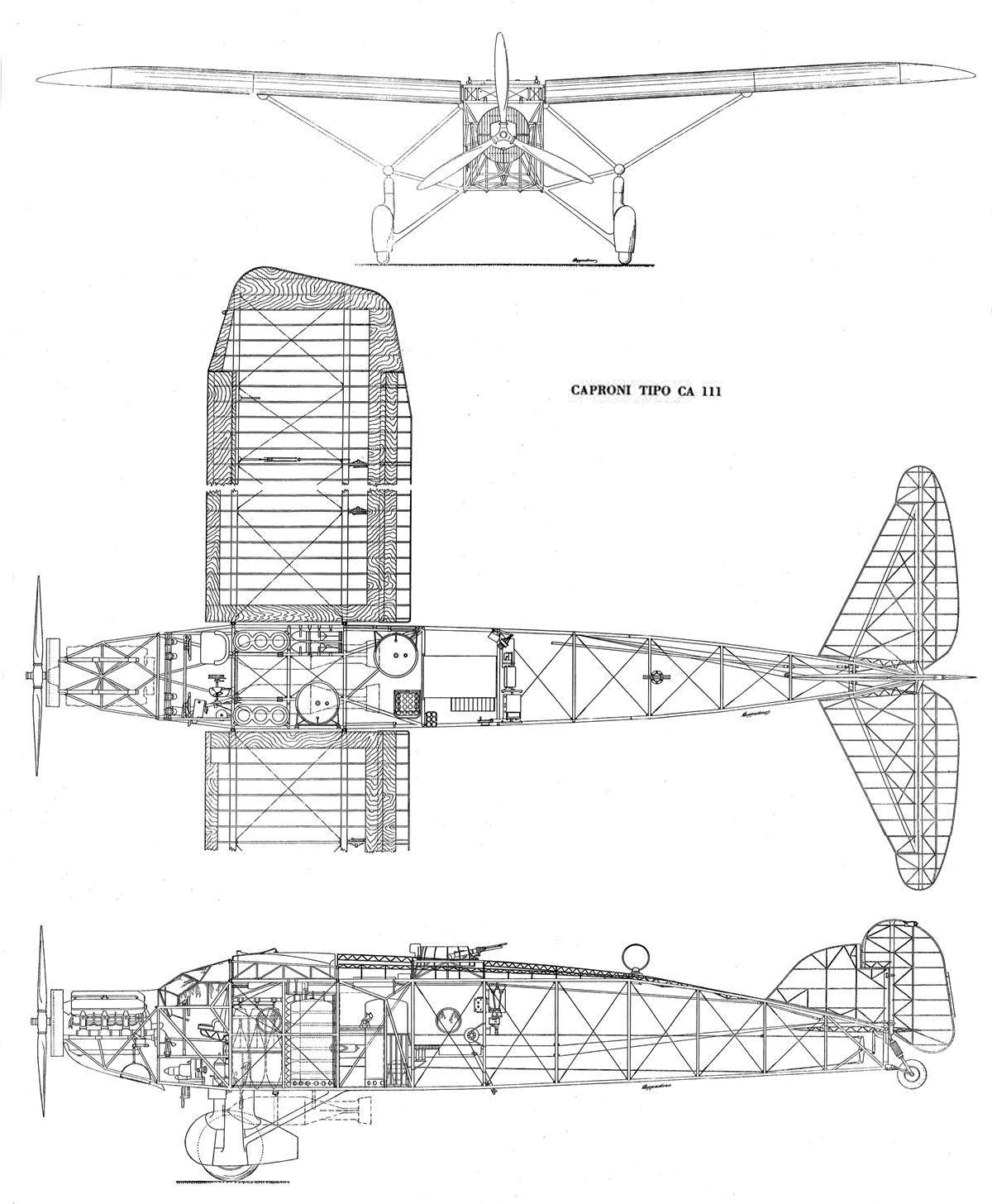 Ca.111 |
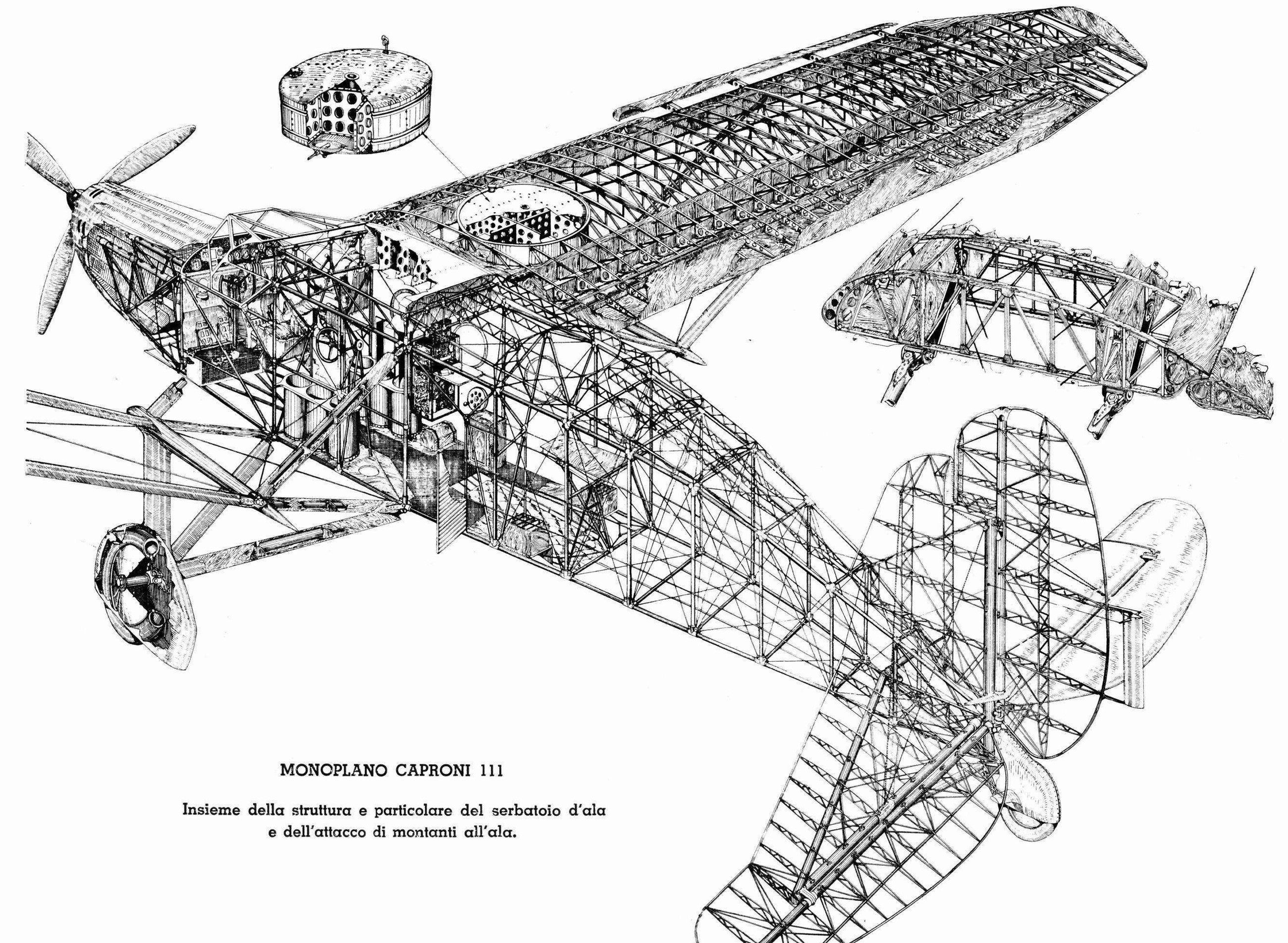 Ca.111 |
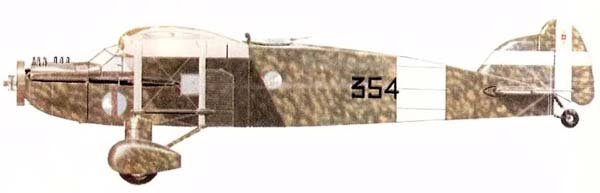 Ca.111 |
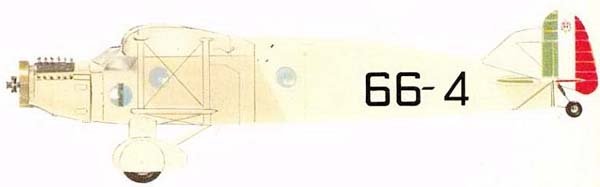 Ca.111 |
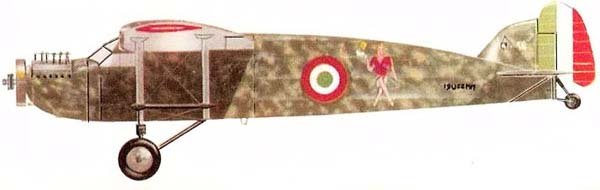 Ca.111 |
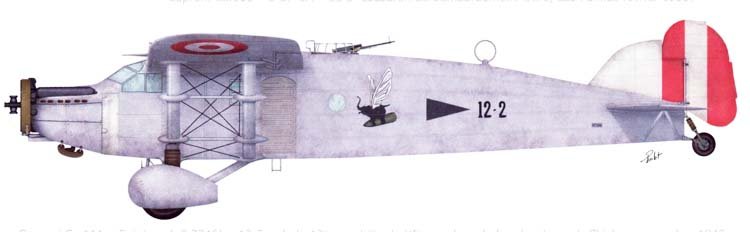 Ca.111 |
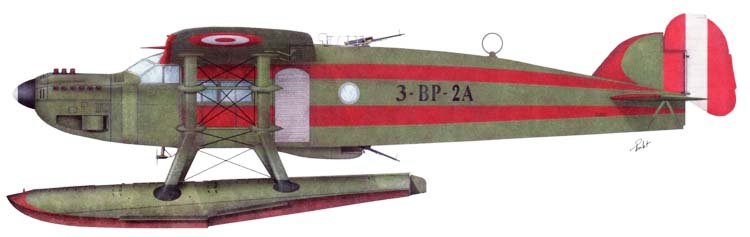 Ca.111 |