
The Ca.73 bomber was a successful design, and Caproni soon began efforts to improve it. In 1927, a version of the aircraft appeared with 400 hp Bristol Jupiter engines. This variant received the designation Ca.74, although it was initially known as Ca.80.
During the testing process, a proposal was made to improve visibility for the observer pilot. For these purposes, a prototype with a glazed nose was manufactured. This version of the aircraft was designated Ca.74G, offering enhanced reconnaissance capabilities.
Early Development and Variants
Concurrently with the bomber version, a sanitary variant was also developed, designated Ca.80S. Several units of this machine were produced, highlighting the versatility of Caproni’s foundational design.
Later Modifications and Operational Success
The final modifications of the aircraft included the Ca.88 and Ca.89 models. The latter featured an enclosed pilot’s cockpit and a turret with two machine guns in the nose, significantly boosting its defensive capabilities.
The Ca.89 was another successful Caproni aircraft; it was used in Italian bomber aviation for eight years, cementing its reputation as a reliable and effective platform.
Technical Specifications
| Modification | Са.74G |
| Wingspan, m | 25.00 |
| Length, m | 15.10 |
| Height, m | 5.60 |
| Wing area, m2 | 142.00 |
| Empty weight | 3220 |
| Normal takeoff weight | 5620 |
| Engine type | 2 Piston engine Bristol Jupiter |
| Power, hp | 2 x 400 |
| Maximum speed, km/h | 178 |
| Cruising speed, km/h | 155 |
| Practical range, km | 650 |
| Practical ceiling, m | 4600 |
| Crew, crew members | 4 crew members |
| Armament: | three 7.7-mm machine guns; bomb load – up to 1000 kg |
Image and diagram gallery of the Ca.74
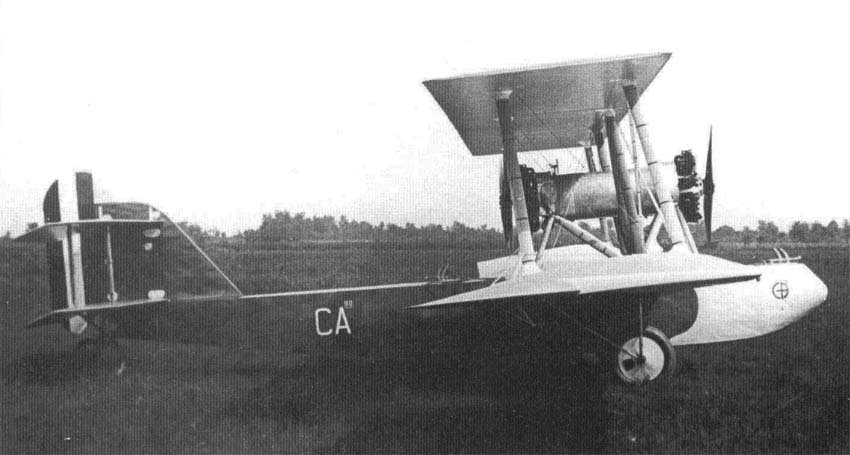 Ca.74 |
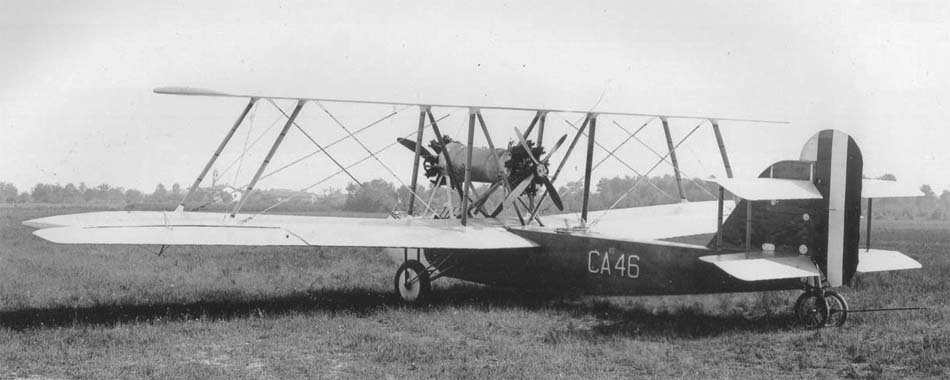 Ca.74 |
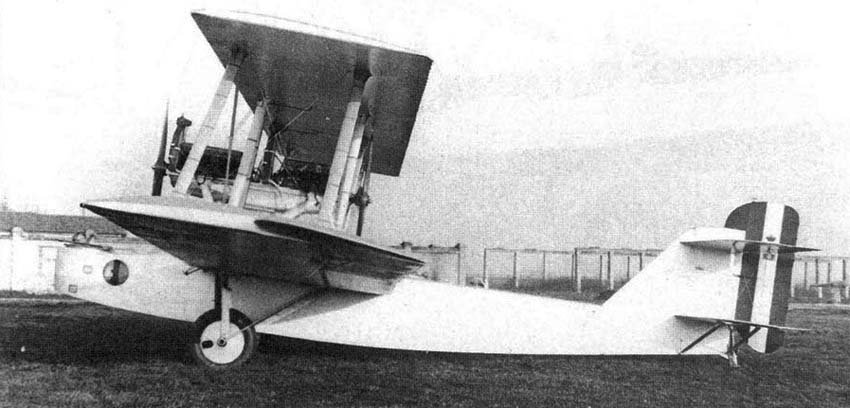 Ca.74 |
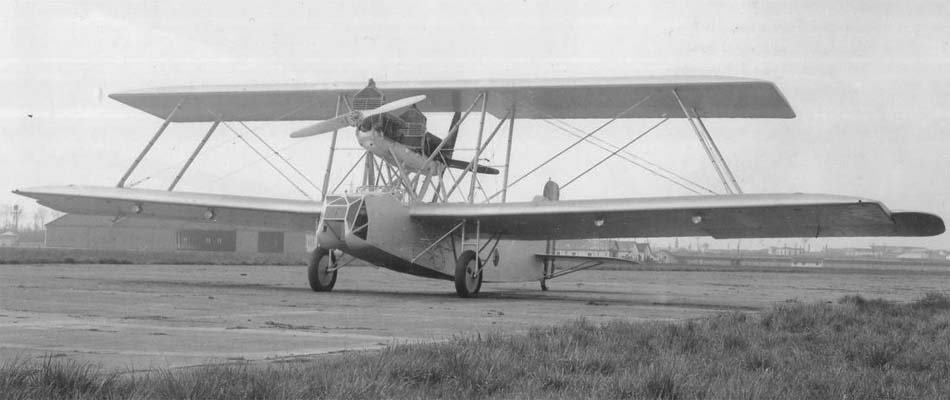 Ca.74 |
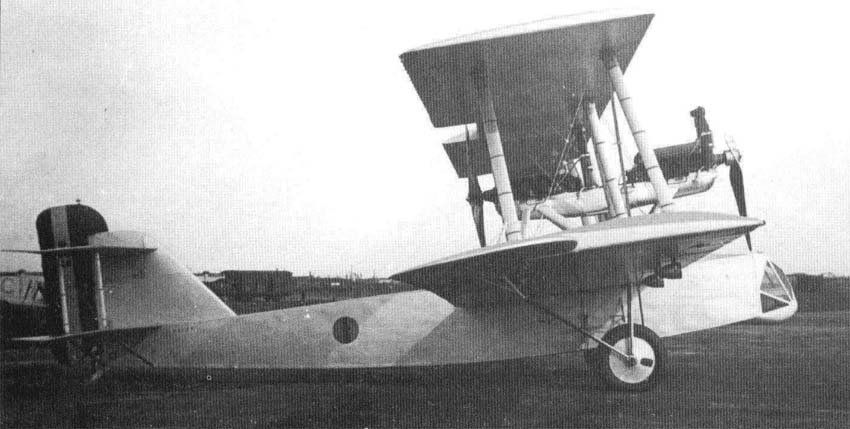 Ca.74 |
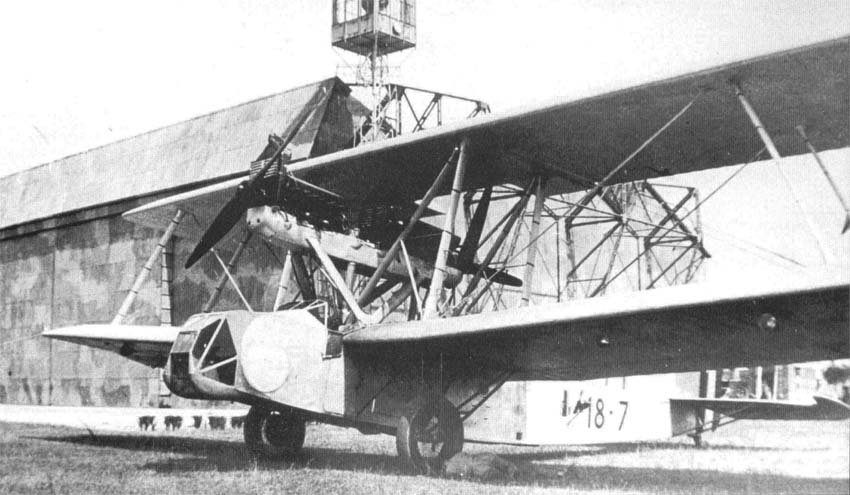 Ca.74 |
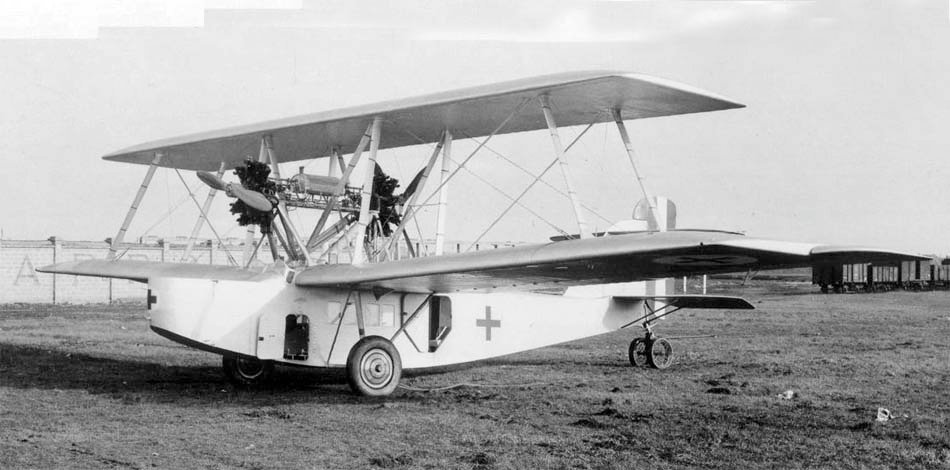 Ca.74 |
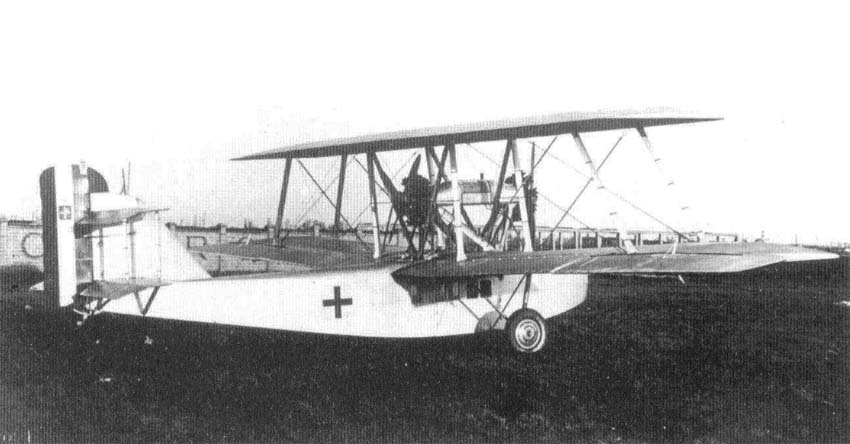 Ca.74 |
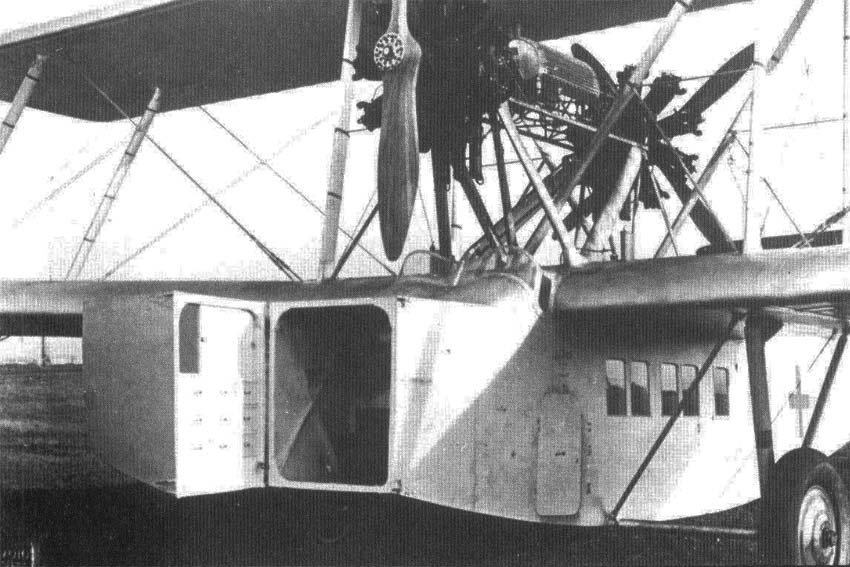 Ca.74 |