
In 1933, Caproni engineers presented a fighter variant of the Ca.113 trainer, designated Ca.114, for a Regia Aeronautica competition. The Italian engineers approached the improvement process of the Ca.113 with great responsibility, aiming to create a competitive new aircraft.
Innovative Design and Power
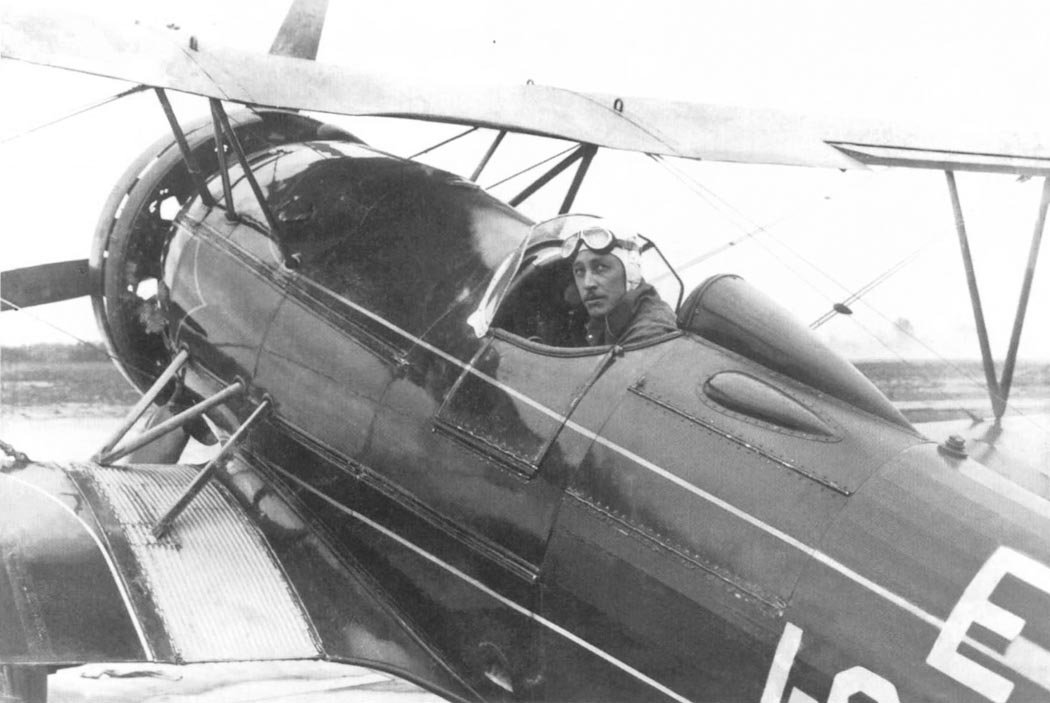
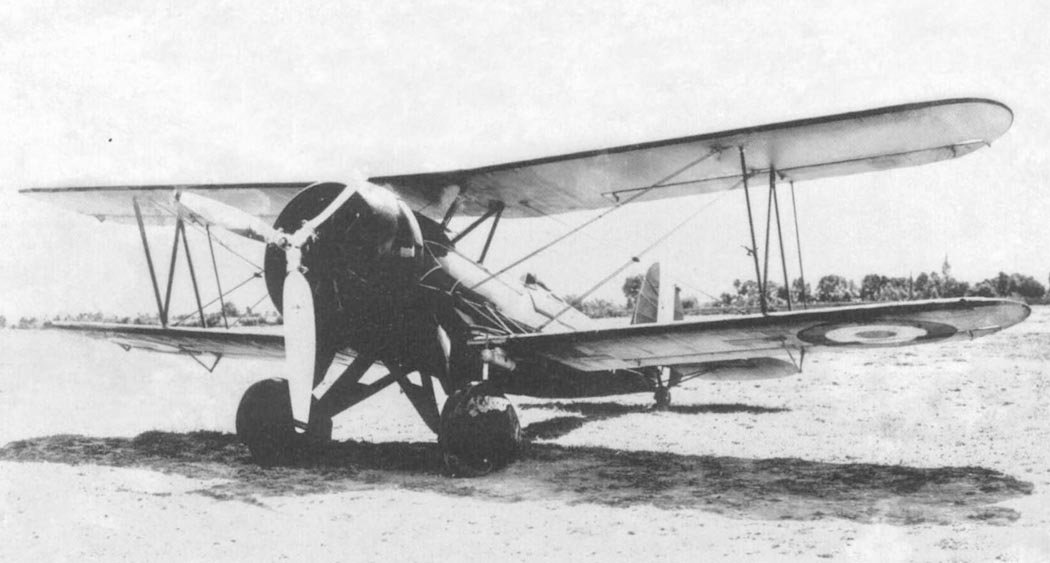
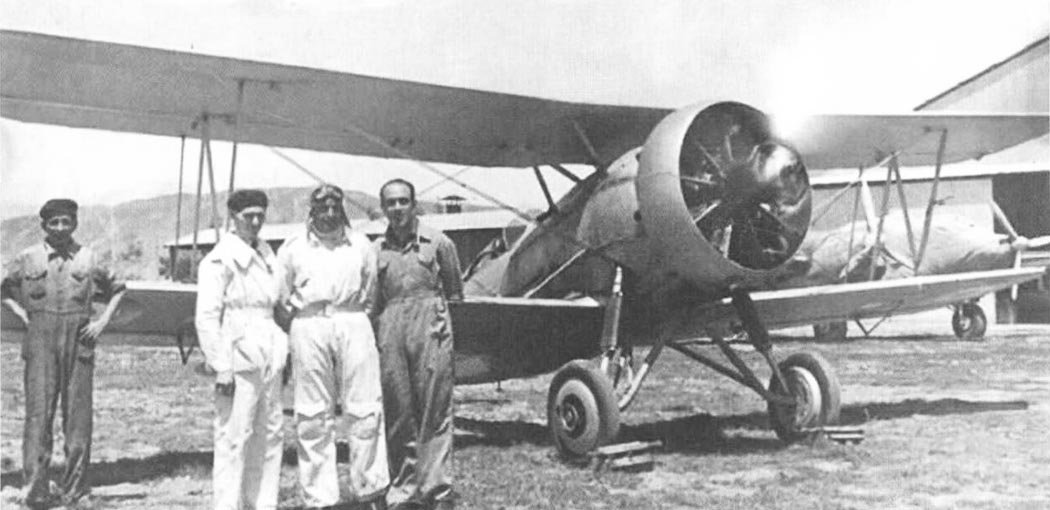
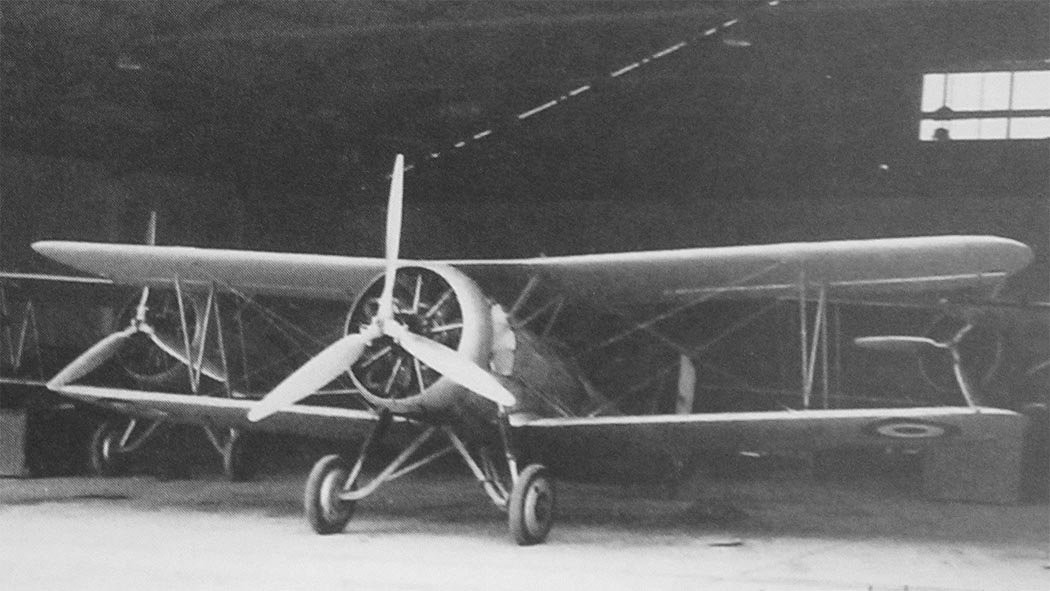
While the overall design remained largely unchanged, the Piaggio “Stella” engine was replaced with a more powerful British Bristol “Mercury” of 420 hp. Aerodynamics were enhanced by installing an engine cowling and wheel fairings, boosting speed by over 100 km/h. Armed with three 7.7mm machine guns, the Ca.114 nevertheless lost in a fierce competition to the FIAT CR.32 fighter, which formed the backbone of the Italian Air Force from 1936-1939.
Service with Peru
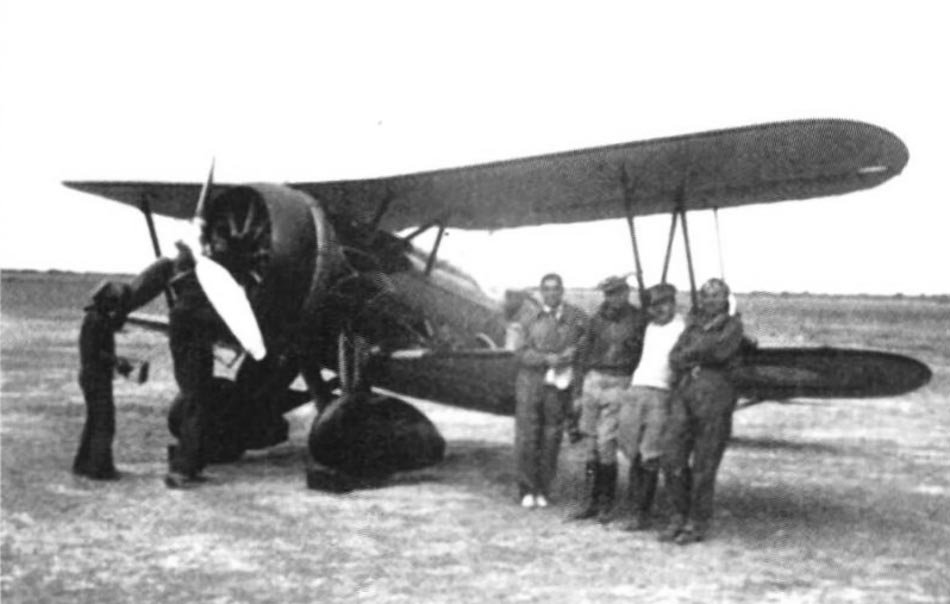
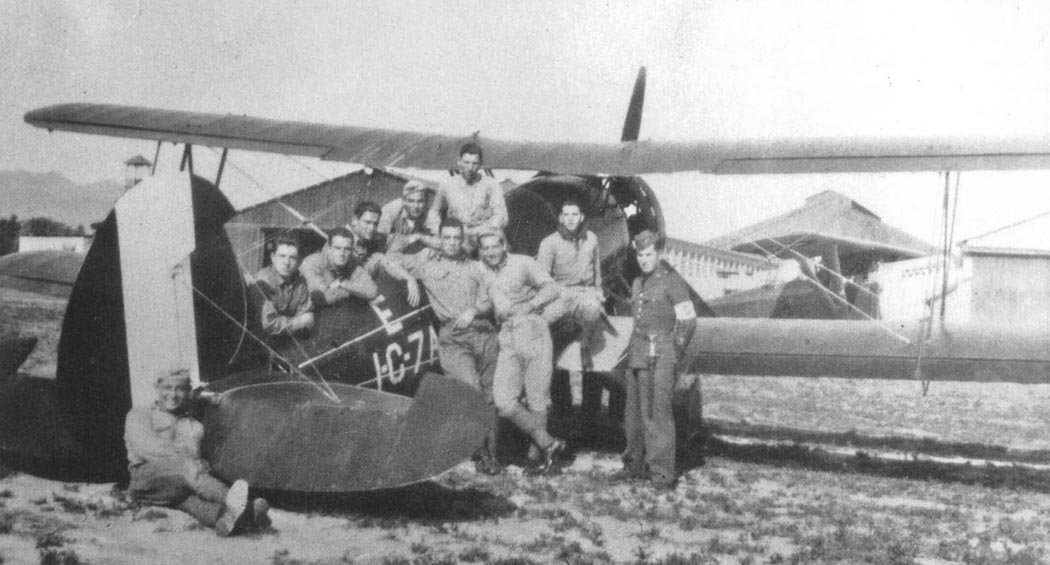
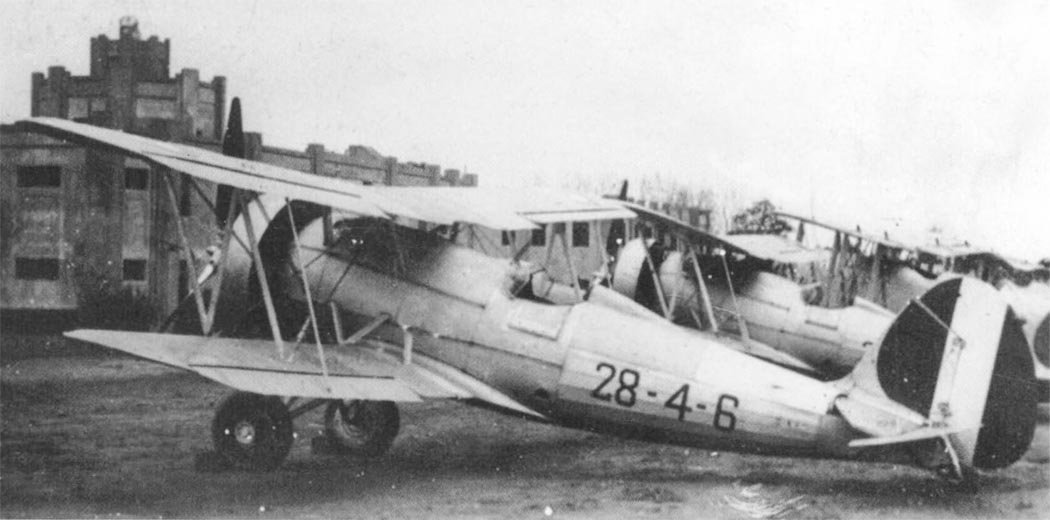
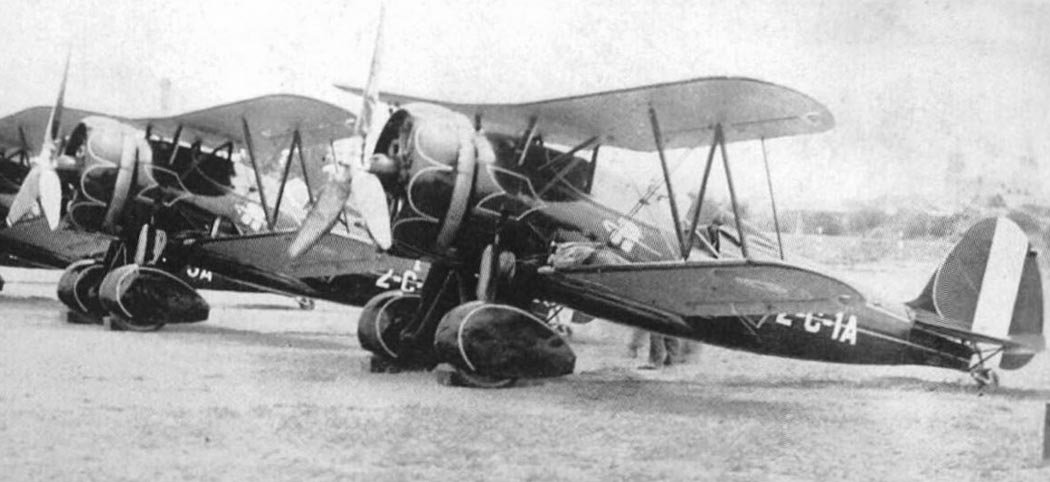
Rejected in its homeland, the Ca.114 found interest with Peru. In 1934, an agreement was signed with Caproni for the delivery of 36 examples of this fighter variant. The following year, the Ca.114 entered service with the Peruvian Air Corps, remaining their most modern fighter until the American North American NA-50s arrived.
Several Ca.114 biplane fighters participated in the brief 1941 war with Ecuador, although they did not engage in aerial combat. After fulfilling their service, the last Ca.114s were transferred to the flight school in Las Palmas, where they were finally decommissioned in 1945.
Technical Specifications
| Modification | Ca.114 |
| Wingspan, m | 10. 50 |
| Length, m | 7. 70 |
| Height, m | 2. 55 |
| Wing area, m2 | 25. 65 |
| Empty weight | 1310 |
| Normal takeoff weight | 1660 |
| Engine type | 1 Piston engine Bristol Mercury |
| Power, hp | 1 x 420 |
| Maximum speed, km/h | 355 |
| Cruising speed, km/h | 305 |
| Practical range, km | 600 |
| Service ceiling, m | 9500 |
| Crew | 1 |
| Armament | three 7.7-mm machine guns |
Image and diagram gallery of the Ca.114
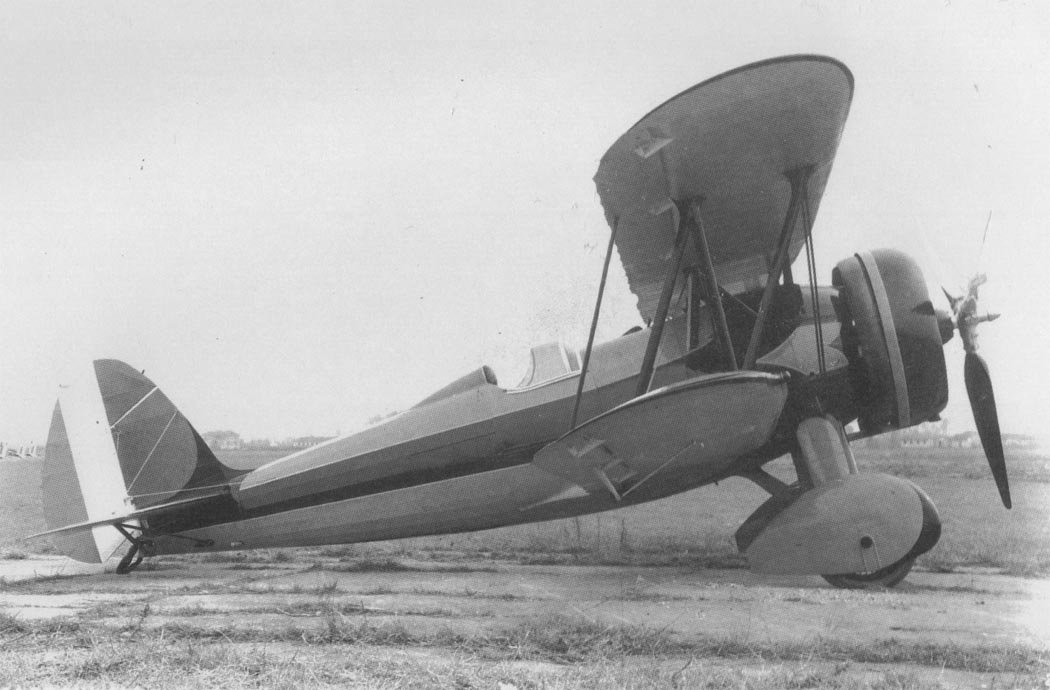 Ca.114 |
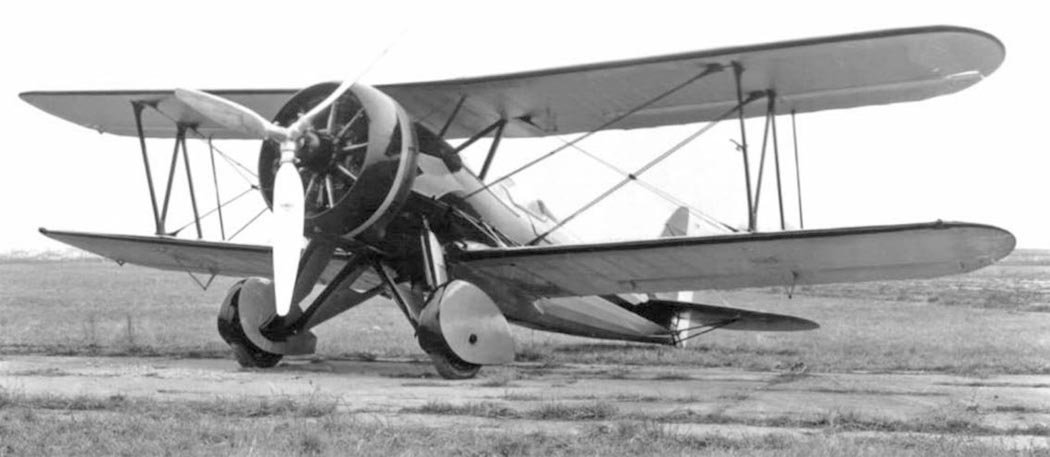 Ca.114 |
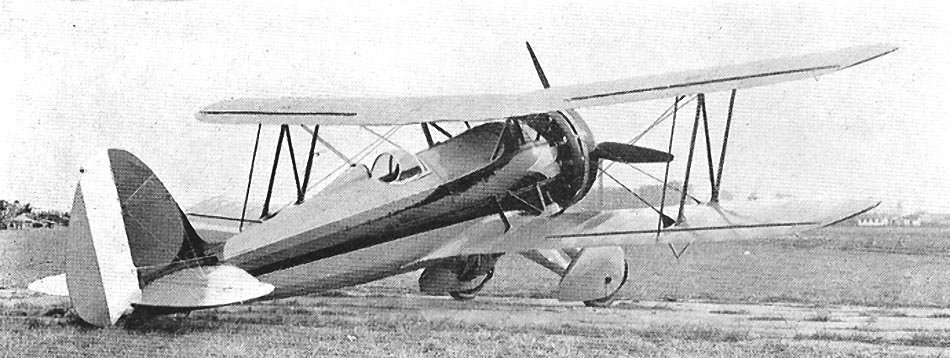 Ca.114 |
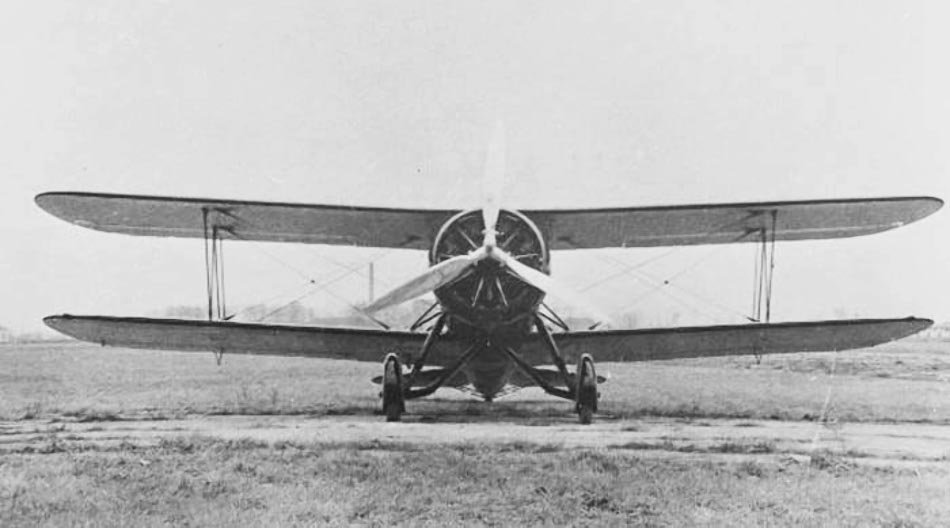 Ca.114 |
 Ca.114 |
 Ca.114 |
 Ca.114 |
 Ca.114 |
 Ca.114 |
 Ca.114 |
 Ca.114 |
 Ca.114 |
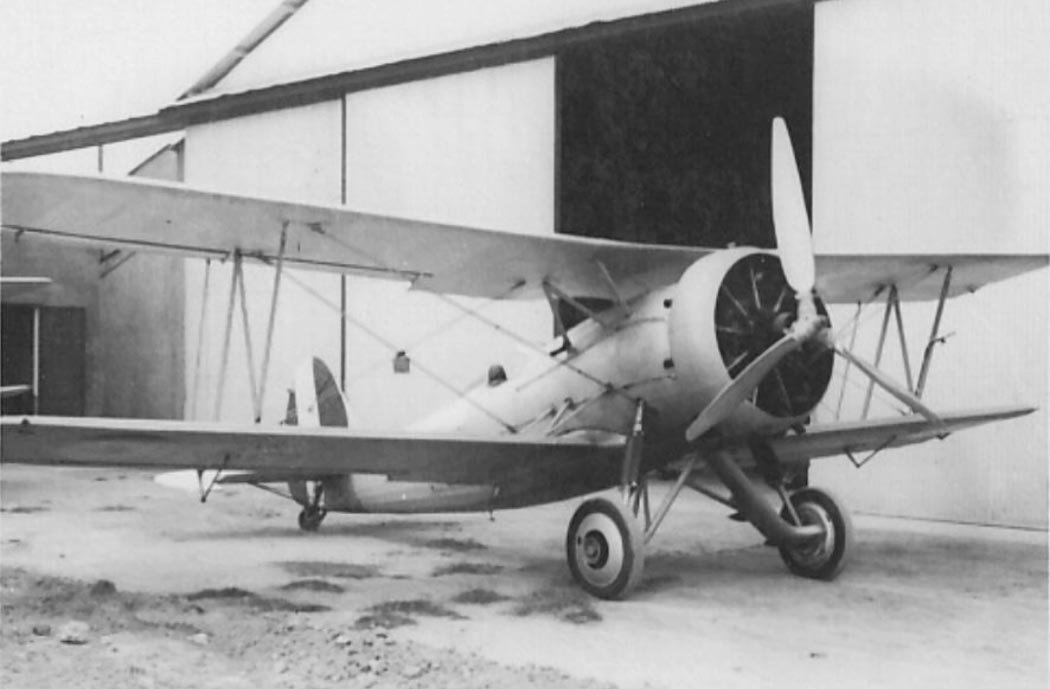 Ca.114 |
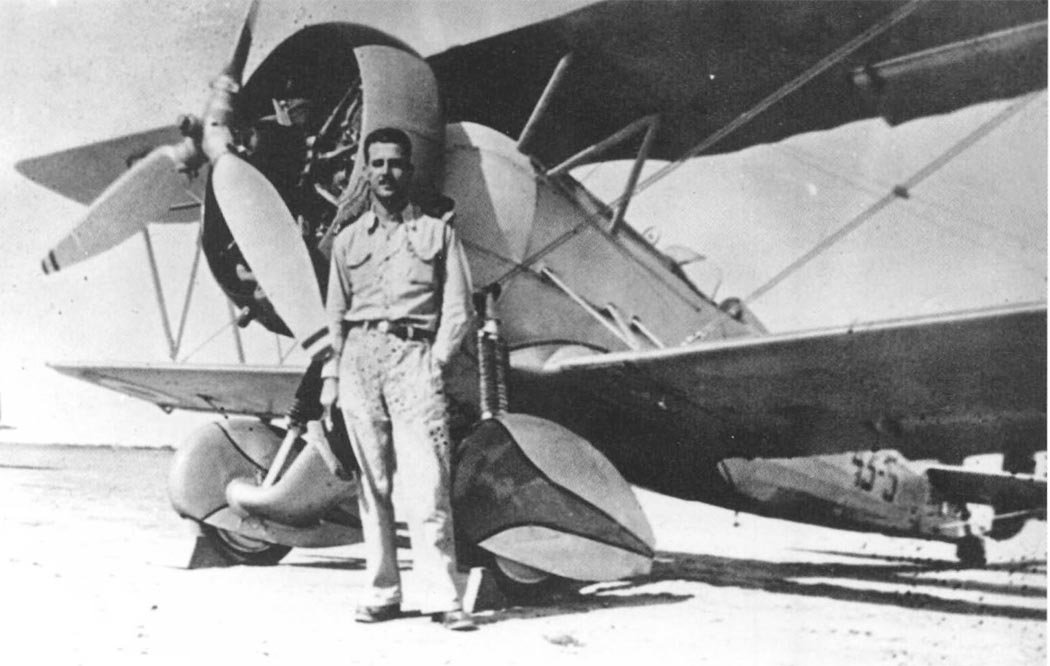 Ca.114 |
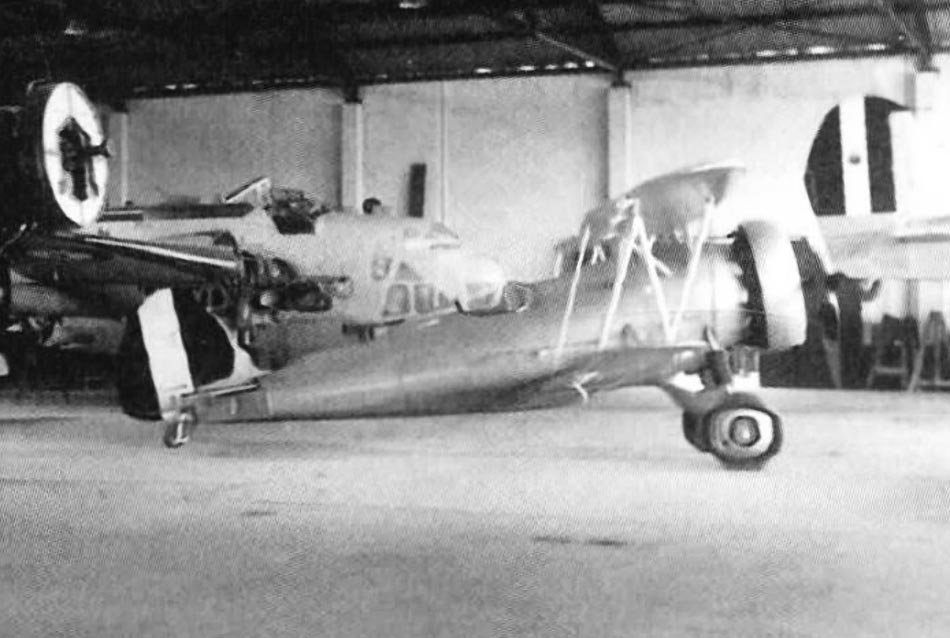 Ca.114 |
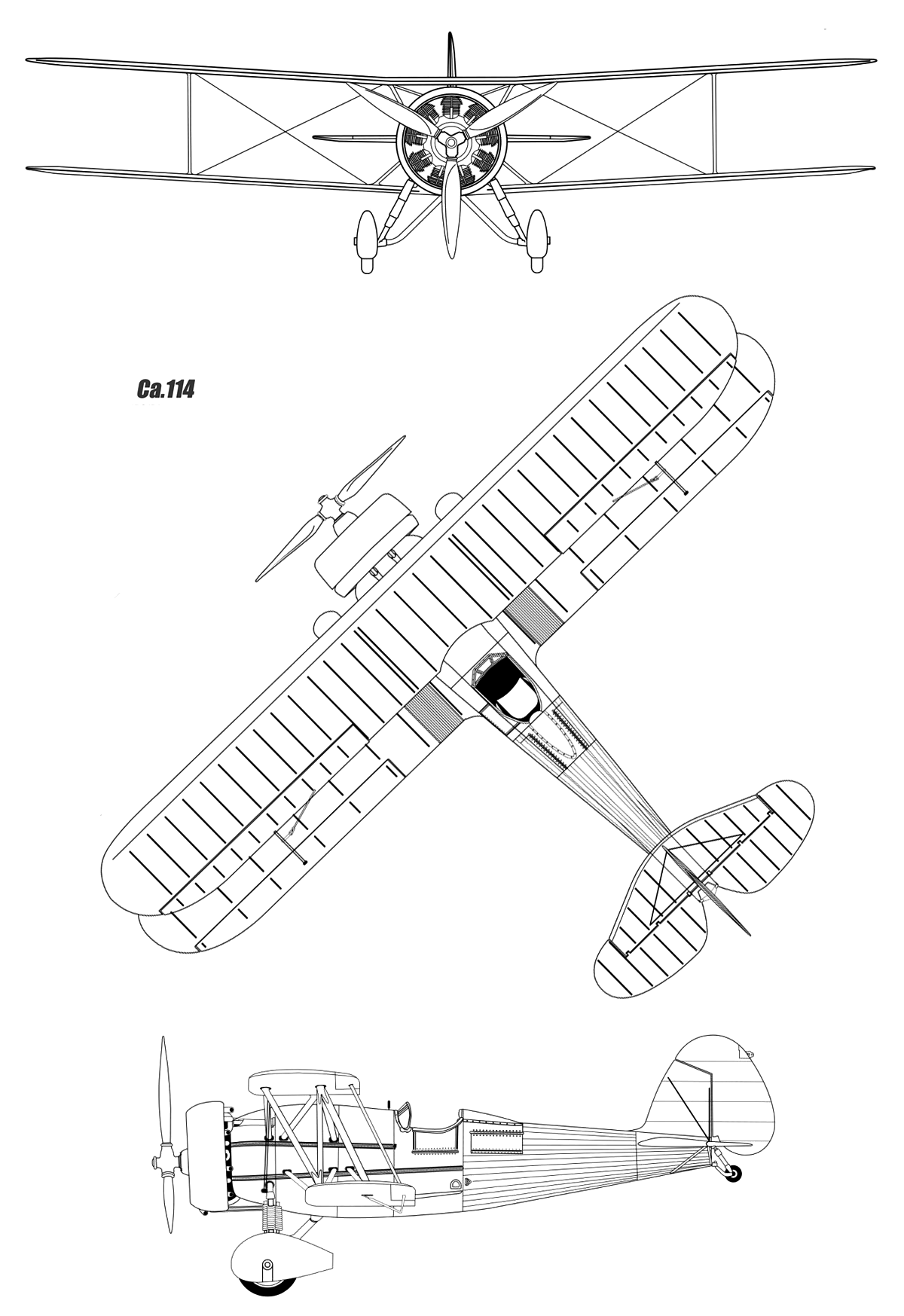 Ca.114 |
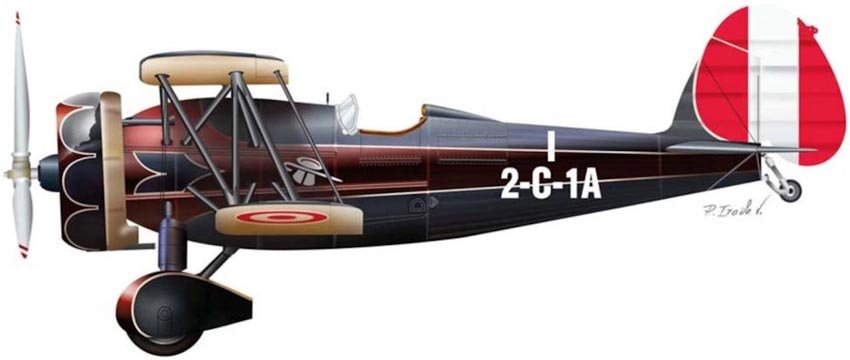 Ca.114 |
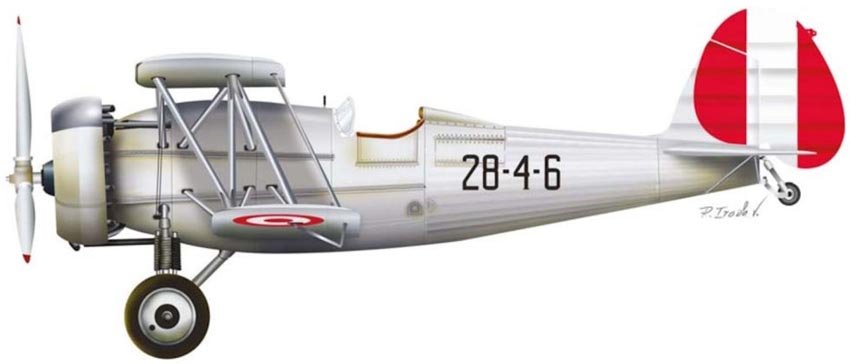 Ca.114 |
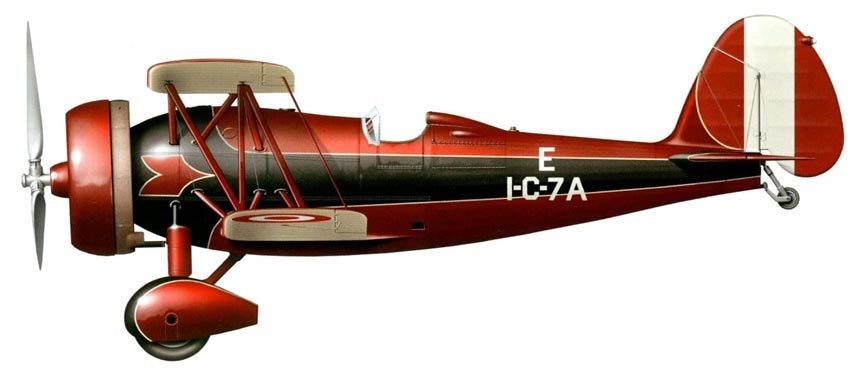 Ca.114 |
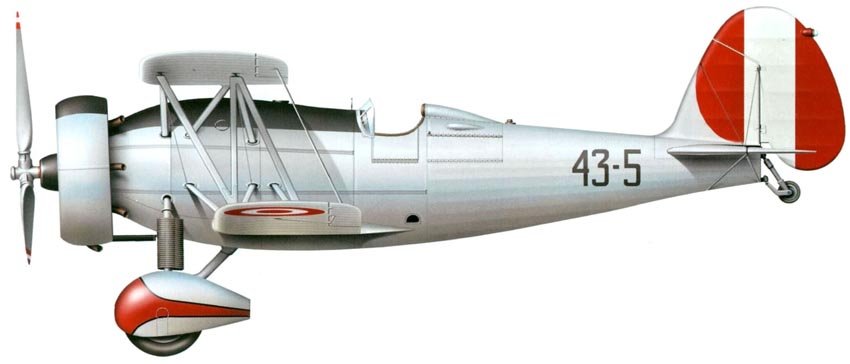 Ca.114 |