
Strangely enough, among the victorious nations of the First World War, only the United States and Germany drew the correct conclusions regarding the advantages of dive bombers. In the States, the Navy was particularly diligent in this regard, constantly demanding newer and more capable deck-based dive bombers.
Their development began relatively late, in the late 1920s; as the saying goes, Americans “hitched up slowly but drove fast.” Through trial and error, it was established that using conventional, but modified, bombers for dive bombing was possible, but the dive angle would be severely limited, which consequently affected bomb release accuracy. This necessitated the creation of specialized aircraft.
Early Dive Bomber Development
The first of these specialized aircraft was the Martin XT5M-1, tested in 1928. Although this machine’s design allowed for diving with bomb release, in practice, the “Martin’s” primary function was reconnaissance. In 1934, at NAF’s order, 16 serial aircraft designated BM-1 and 6 modified BM-2, essentially test planes, were produced.
Based on this, naval aviation in 1932 issued an order to Consolidated and Great Lakes for a deck-based dive bomber capable of carrying a 454 kg bomb. The XBG-1 and XB2Y-1 projects were submitted for the competition, differing little from the BM-1. These aircraft retained a biplane configuration, open cockpits, and fixed landing gear with a tailwheel, with no dive brakes provided.
The BG-1 Competition and Design
The competitive trials, conducted in 1933, did not reveal absolute advantages, but the XBG-1 (serial number 9020) proved superior in some parameters and was accepted for series production. Deliveries of the BG-1 bombers began in the autumn of 1934 and concluded by 1937.
The total production volume amounted to 60 units (serial numbers 9494-9520, 9534-9550, 9840-9855), differing only in an altered pilot cockpit. These bombers were equally distributed between Navy and Marine Corps aviation.
Operational Service and Training Legacy
The BG-1s were actively operated until 1938, after which they served for about 4 more years as auxiliary aircraft. The last BG-1 was decommissioned only in 1942. They did not participate in combat operations.
However, the BG-1s served very well as training bombers, playing a significant role in preparing pilots who later transitioned into the cockpits of more modern aircraft such as the Douglas SBD-1 “Dauntless”.
Technical Specifications
| Modification | BG-1 |
| Wingspan, m | 10.97 |
| Length, m | 8.76 |
| Height, m | 3.35 |
| Wing area, m2 | 35.67 |
| Empty weight | 1770 |
| Normal takeoff weight | 2880 |
| Engine type | 1 Piston engine Pratt Whitney R1535-82 Twin Wasp Junior |
| Power, hp | 1 x 750 |
| Maximum speed, km/h | 303 |
| Cruising speed, km/h | 278 |
| Practical range, km | 869 |
| Service ceiling, m | 6125 |
| Crew, crew members | 2 |
| Armament | one 7.62-mm forward-firing machine gun and an identical pivot-mounted machine gun in the rear cockpit; one 454 kg bomb or torpedo under the fuselage |
Image and diagram gallery of the BG-1
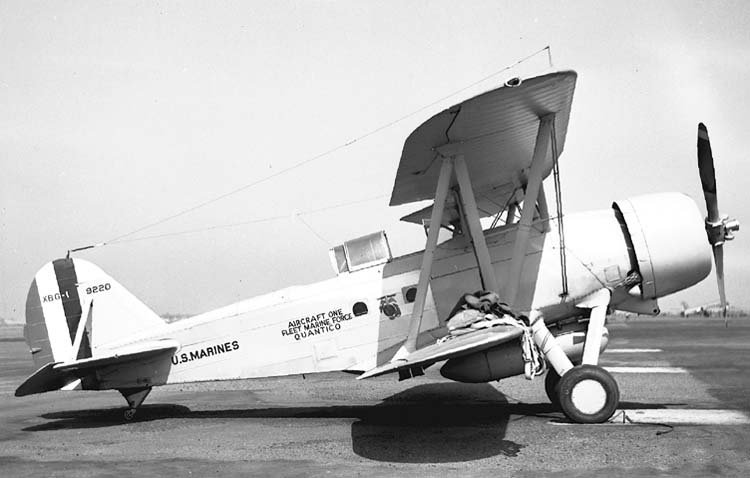 BG-1 |
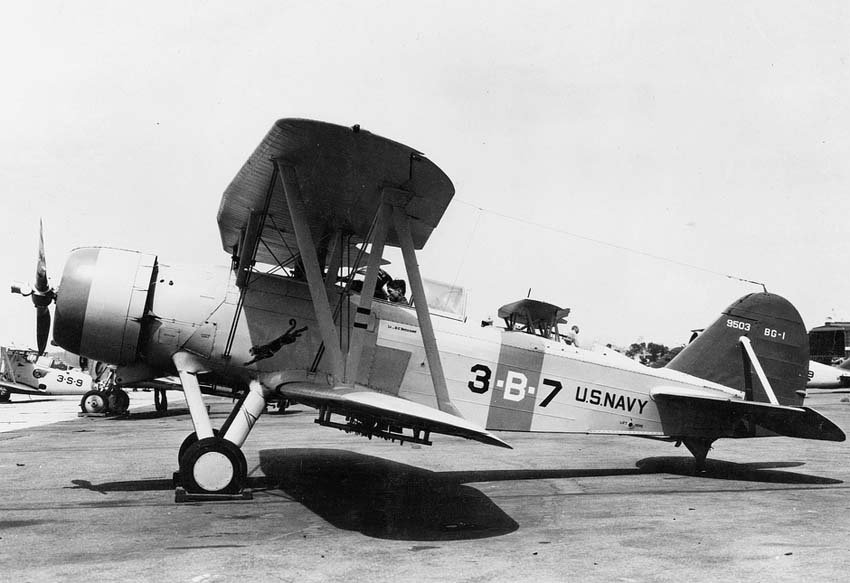 BG-1 |
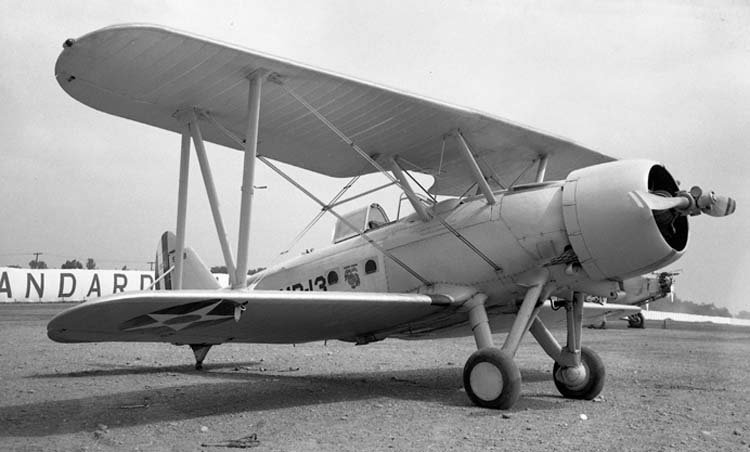 BG-1 |
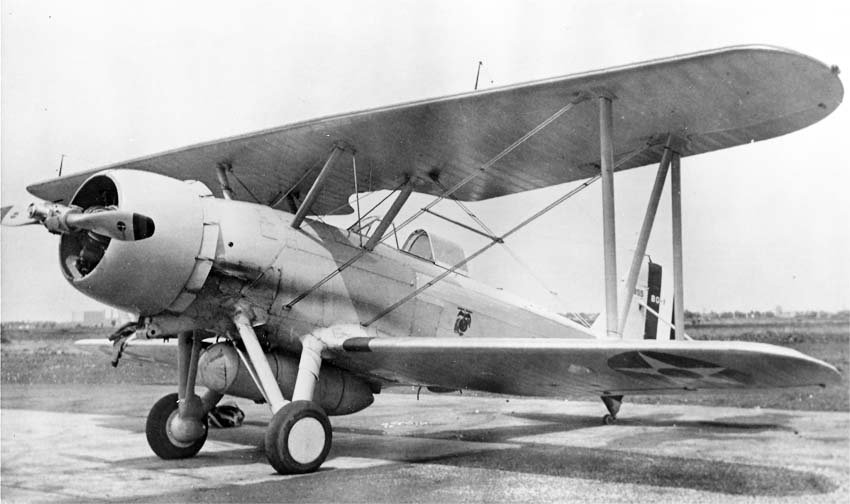 BG-1 |
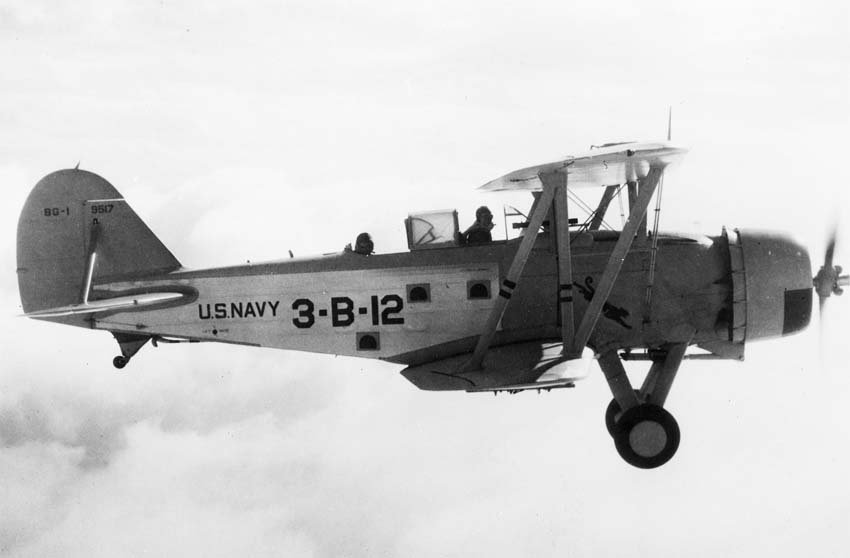 BG-1 |
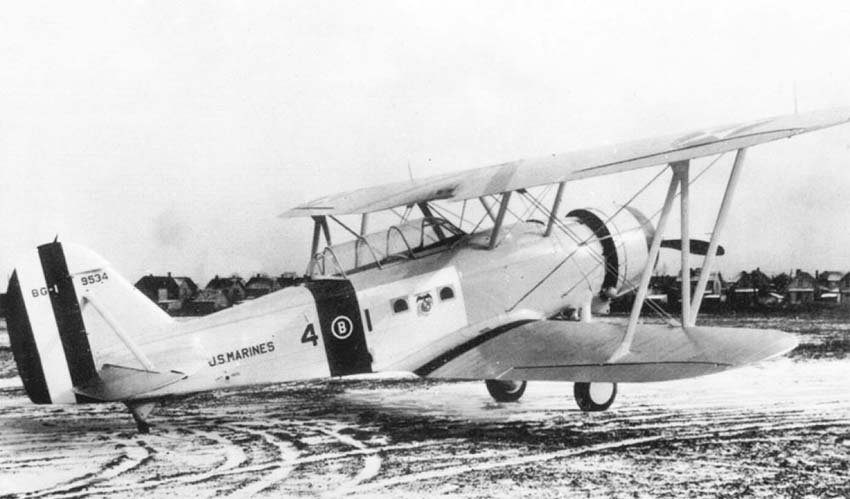 BG-1 |
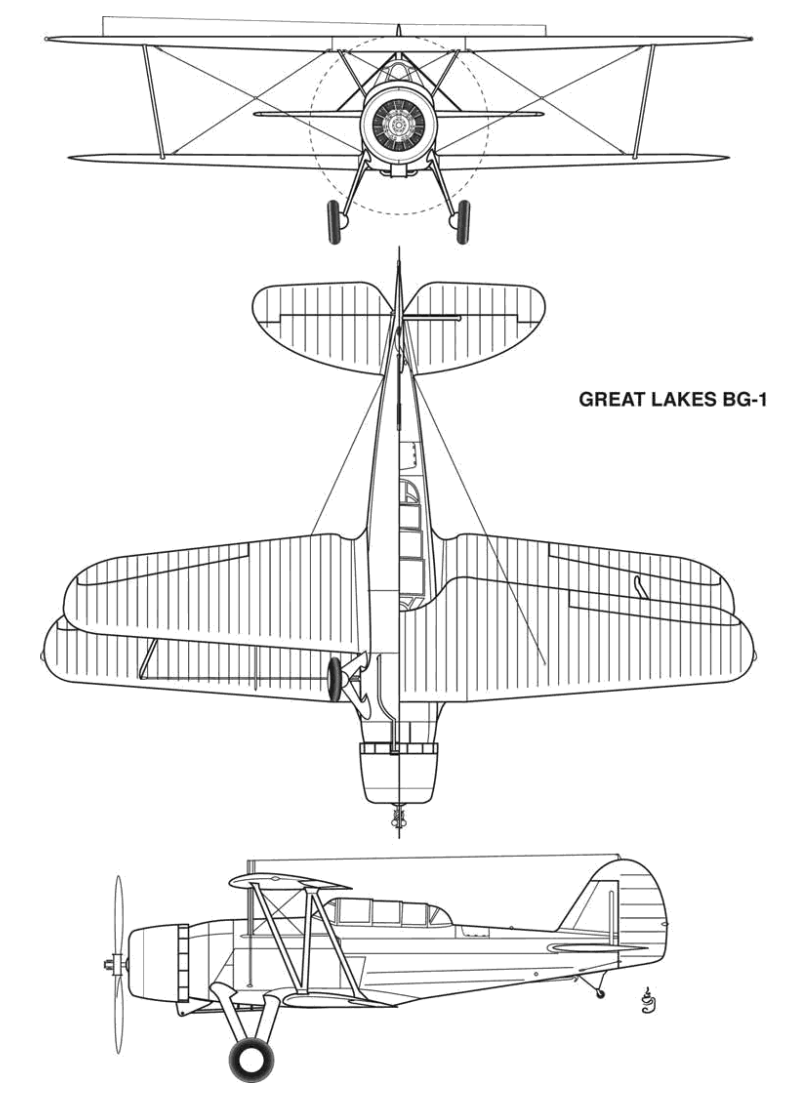 BG-1 |
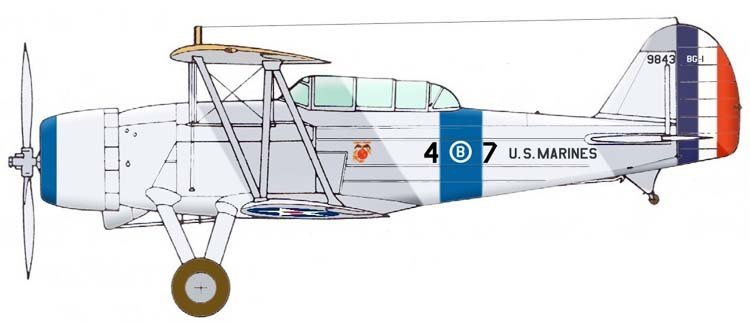 BG-1 |