Skip to content
wp.archivoaereo.com

wp.archivoaereo.com

  • Military Aviation
    • World War I
      • WWI Attack Aircraft
      • WWI Bombers
      • WWI Fighters
      • WWI Flying Boats
      • WWI Reconnaissance
    • World War II
      • WWII Attack Aircraft
      • WWII Bombers
      • WWII Fighters
      • WWII Flying Boats
      • WWII Military Transport
      • WWII Reconnaissance
    • Cold War
      • Cold War Fighters
    • Modern
      • Modern Fighters
      • Modern Maritime Patrol
      • Modern Military Transport
  • Civil & Commercial Aviation
    • Classic Airliners
    • Modern Airliners
    • Classic Regional Airliners
    • Modern Regional Airliners
    • Pioneer Light Aircraft
    • Classic Light Aircraft
    • Modern Light Aircraft
    • Agricultural Aircraft
    • Racing Aircraft
  • Helicopters
    • Cargo & Heavy Helicopters
    • Light & Observation Helicopters
    • Pioneer Helicopters
    • SAR Helicopters (Rescue)
    • Utility Helicopters
  • Technology
    • Weapons & Technology
    • Drones & UAVs
    • Experimental Aircraft
  • History
    • History & Battles
  • Toggle search form

Blackburn Triplane

Posted on September 21, 2026 By

Simultaneously with the TV seaplanes, the Blackburn company, commissioned by the Ministry of Aviation, built two of the four prototypes of the Scout aircraft (later renamed Sparrow). The interceptor project for the Admiralty Aviation Department was carried out by Harris Booth, an employee of that department. Requirements specified simplicity of design, the use of inexpensive materials, and the possibility of arming it with a two-pound Davis recoilless gun. The Scout featured an unusual layout with a Gnome Monosoupape rotary engine mounted in the rear of the fuselage nacelle and driving a two-bladed pusher propeller.

Although the Scout had satisfactory flight characteristics, it was not convenient to operate. Harris Booth left the Admiralty in 1916 to continue his work at the Blackburn company. His first design at the new location became the Blackburn Triplane. Conceptually, the machine was a development of the Scout aircraft, representing a typical braced triplane of that era with fabric covering.

Table of Contents

Toggle
    • Unique Design and Features
    • Prototype and Ultimate Fate
    • Technical Specifications
  • Image and diagram gallery of the Blackburn Triplane
    • How to cite this article:

Unique Design and Features

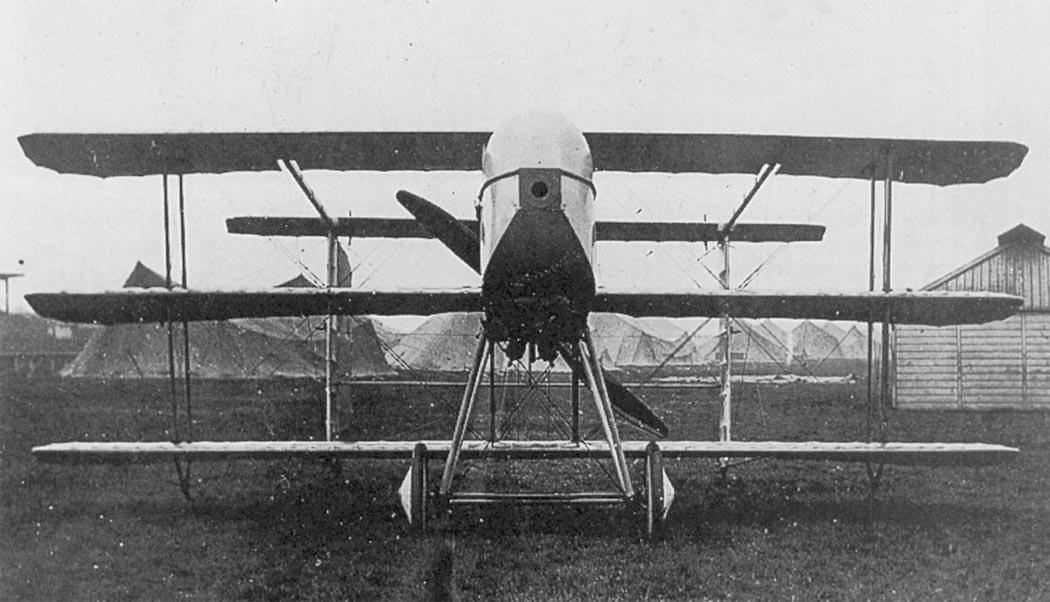
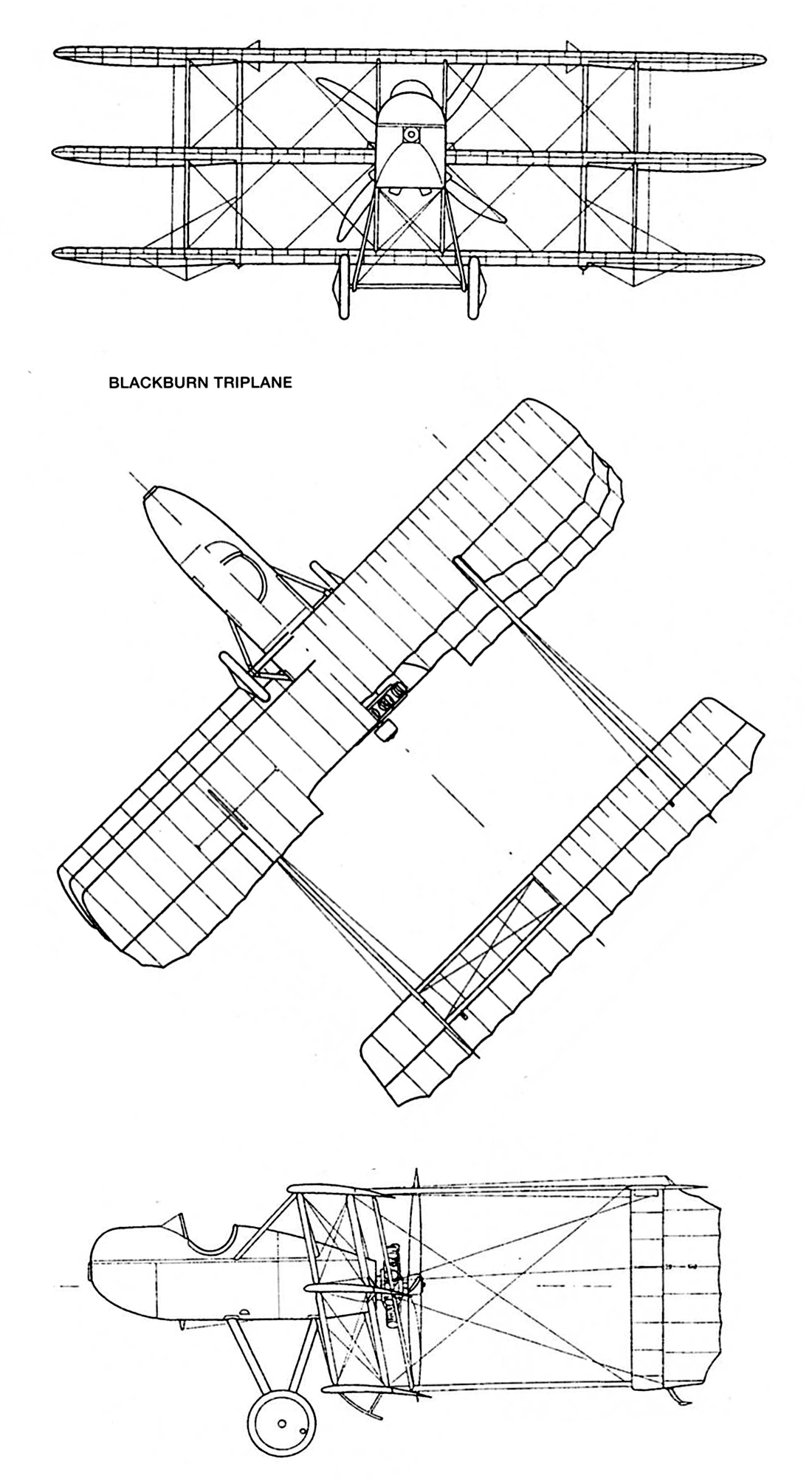
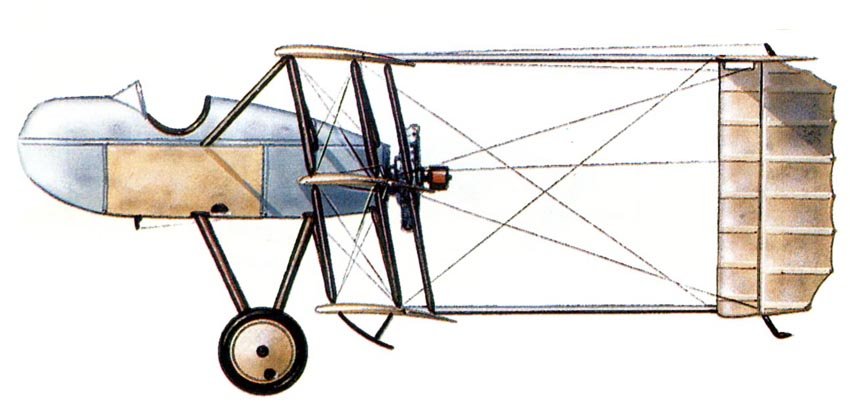
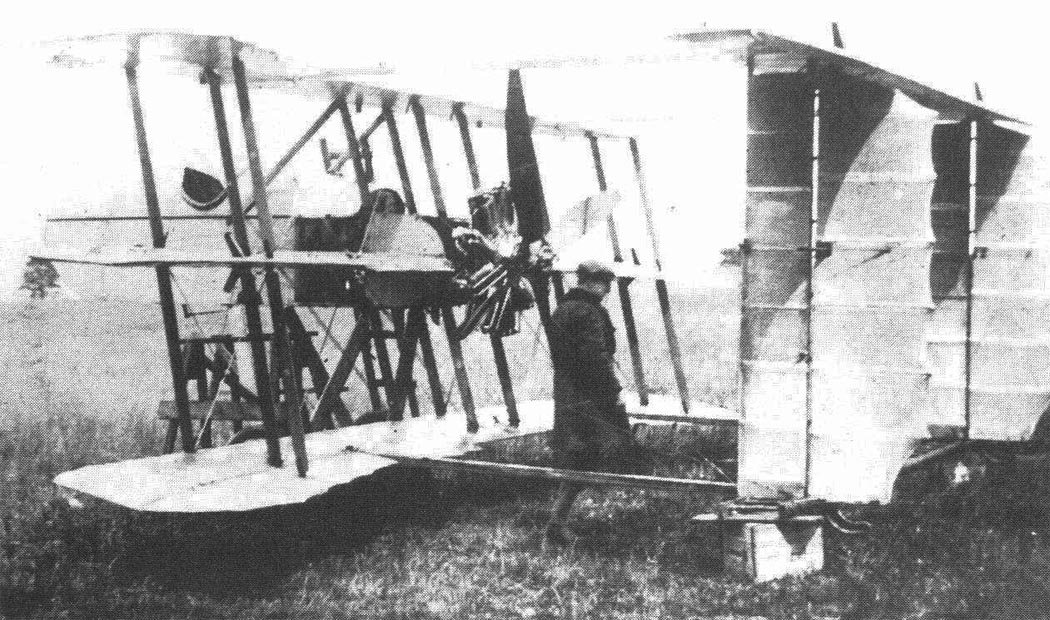
All three wings of the Blackburn Triplane had the same chord and span, and the ailerons were connected by struts. The tail unit was supported by booms attached to the upper and lower wings. The central nacelle extended far beyond the leading edge of the middle wing. It featured a three-point, non-retractable landing gear with a very narrow track, giving it a distinctive appearance.

Prototype and Ultimate Fate

A single prototype of the Blackburn Triplane was built, making its first flight in early 1917, powered by a 110 hp Clerget 9Z engine and a four-bladed propeller. Later, a Gnome engine was installed on the aircraft for further testing. The Admiralty conducted official trials at Eastchurch, but the results were unsatisfactory. The prototype was scrapped in March 1917, marking the end of this promising project.

Technical Specifications

Modification Triplane
Wingspan, m 7. 31
Length, m 6. 53
Height, m 2. 59
Wing area, m2 20. 53
Empty weight 460
Normal takeoff weight 680
Engine type 1 Piston engine Gnome Monosoupape
Power, hp 1 x 100
Maximum speed, km/h 145
Cruising speed, km/h 120
Crew 1
Armament (planned) one fixed 2-pound Davis recoilless gun in the forward nacelle

Image and diagram gallery of the Blackburn Triplane

Triplane
Triplane
Triplane
Triplane
Triplane
Triplane
Triplane
Triplane

How to cite this article:

APA: Blackburn Triplane (). Blackburn Triplane. wp.archivoaereo.com. https://wp.archivoaereo.com/en/blackburn-triplane-3/
VANCOUVER: Blackburn Triplane [online]. wp.archivoaereo.com; [cited 2026-09-21]. Available at: https://wp.archivoaereo.com/en/blackburn-triplane-3/
Developed by Agatha Press
WWI Fighters Tags:United Kingdom

Post navigation

Previous Post: Bird Eye 400
  • Español
  • Attack Aircraft
  • Aviation Biographies
  • Cargo & Heavy Helicopters
  • Classic Airliners
  • Classic Light Aircraft
  • Classic Regional Airliners
  • Cold War Fighters
  • Drones & UAVs
  • Experimental Aircraft
  • History & Battles
  • Interwar Reconnaissance
  • Light & Observation Helicopters
  • Maritime Patrol
  • Military Transport
  • Modern Airliners
  • Modern Cargo Aircraft
  • Modern Fighters
  • Modern Light Aircraft
  • Modern Military Transport
  • Modern Regional Airliners
  • Other Aircraft
  • Pioneer Air Transport
  • Pioneer Light Aircraft
  • Racing Aircraft
  • SAR Helicopters (Rescue)
  • Sin categoría
  • Utility Helicopters
  • Weapons & Technology
  • WWI Attack Aircraft
  • WWI Bombers
  • WWI Fighters
  • WWI Flying Boats
  • WWI Reconnaissance
  • WWII Attack Aircraft
  • WWII Bombers
  • WWII Fighters
  • WWII Flying Boats
  • WWII Military Transport
Cierva C.24 AutogyroCierva C.24 AutogyroAdmin
Piel CP-40 DonaldPiel CP-40 DonaldAdmin
C-101CC AviojetC-101CC AviojetAdmin

Legal

  • About ArchivoAereo
  • Terms and Conditions
  • Contact Us
  • Privacy Policy

Copyright © 2026 wp.archivoaereo.com.

Powered by PressBook WordPress theme