
In late 1915, Louis Bleriot’s company constructed the Bleriot BQM, a heavy bomber designed as a further evolution of the Bleriot 53. This ambitious project featured a four-seat, four-bay biplane configuration, intended for a crew of four.
It was powered by four Anzani 10A4 engines, each delivering 120 horsepower, promising significant performance for its era. The expectation was for this design to offer substantial offensive capability on the World War I battlefield.
Maiden Flight and Initial Challenges
The Bleriot BQM took to the skies for its maiden flight in early 1916 in Buc. However, the initial test flights proved to be a profound disappointment for Louis Bleriot. Despite the potential of its design, the aircraft’s performance did not meet expectations.
Due to these frustrations, the project was prematurely cancelled, without even completing the full testing cycle. The bomber never received an internal company index, and its name, Bleriot BQM, stands for “Bombardier à quatre moteurs” (Four-engine Bomber).
Technical Specifications
| Modification | Bleriot BQM |
| Wingspan, m | 23.80 |
| Length, m | 10.56 |
| Height, m | 3.20 |
| Engine type | 4 Piston engines Anzani 10A4 |
| Power, hp | 4 x 120 |
| Crew | 4 crew |
| Armament | Only planned |
Image and diagram gallery of the Bleriot BQM
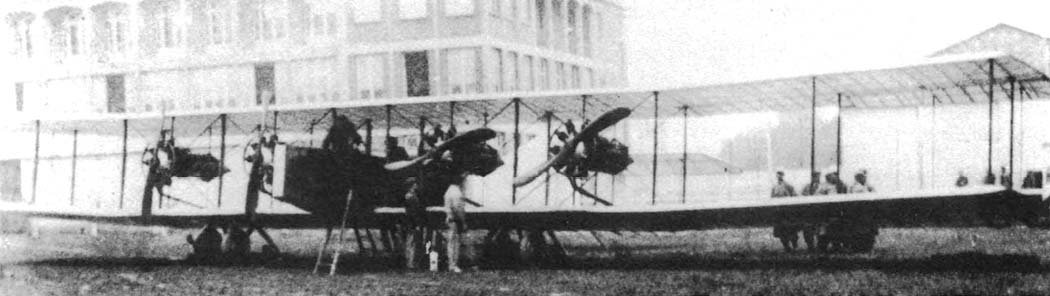 Bleriot BQM |
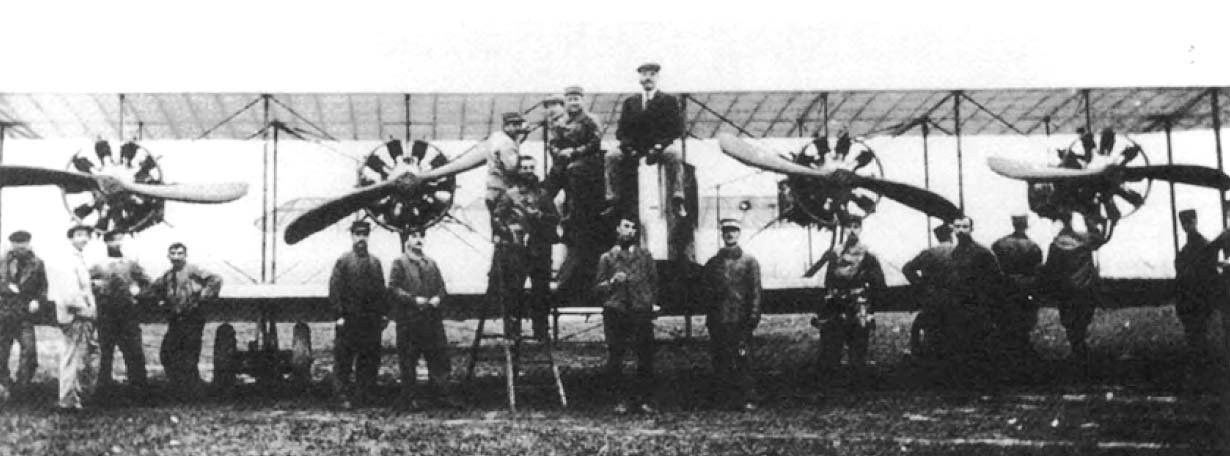 Bleriot BQM |
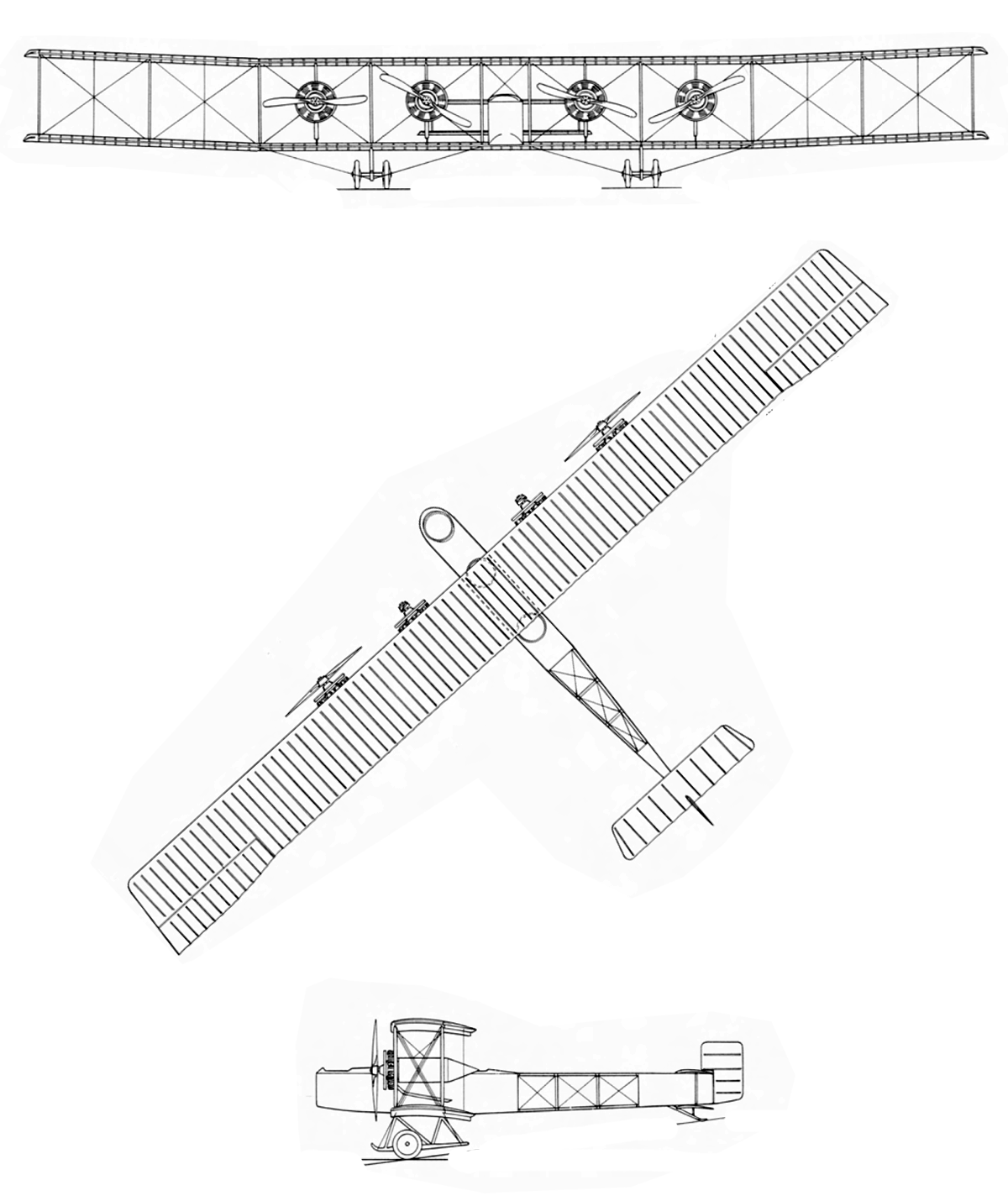 Bleriot BQM |