
The need for a new aircraft with increased capacity (at least 50%) led Britten-Norman to decide to create a new modification of its popular aircraft. However, simply lengthening the fuselage was not feasible to solve the task, which is why the three-engine Britten-Norman BN-2A Mk III Trislander appeared in 1970. Compared to its predecessor, the Islander, it had increased payload, a longer fuselage, and reinforced landing gear with new main struts featuring larger wheels and new tires.
Other improvements were also implemented. The forward fuselage was extended by 2.29 m, and the rear fuselage was strengthened. Despite most specialists advocating for the installation of a third engine in the nose, it was ultimately placed on the fuselage centerline, on a redesigned vertical stabilizer. The aircraft was designed for one to two crew members and 17 passengers, retaining the “side-to-side” seating arrangement, but the number of doors was increased to five (two on the left side and three on the right).
Development and First Flights
The Trislander prototype was built by converting the second Islander prototype and made its first flight on September 11, 1970. The first production Trislander took to the air on March 6, 1971. It featured a wing with an increased span (which became an option for Islander customers) and a vertical tail unit of enlarged area. The type certificate for the new aircraft was obtained on May 14, 1971, and Aurigny Air Services was the first company to receive the aircraft on June 29, 1971.
Trislander Variants
The first production modification was the BN-2A Mk III, which retained the nose section of its predecessor, the twin-engine Islander. This was followed by the BN-2A Mk III-1 variant with an increased take-off weight of up to 4536 kg. The next production modification was the BN-2A Mk III-2, distinguished by an extended forward fuselage.
The BN-2A Mk III-3 modification was developed specifically for the American market, featuring a new nose shape and equipped with three-blade propellers with reduced noise levels on the two wing-mounted engines (previous modifications used two-blade propellers), as well as an automatic feathering system for any engine’s propeller blades. The last production modification was the BN-2A Mk III-4, which was essentially a BN-2A Mk III-2 model equipped with an auxiliary jet booster to provide short take-off capabilities or additional thrust in the event of an engine failure during takeoff.
Production and Legacy
Production of Trislander aircraft was moved to Belgium in 1973, and then to the Isle of Wight in 1979. A total of 72 aircraft of various modifications were produced. Since January 2008, Britten-Norman has only offered factory-refurbished early production aircraft to potential customers, although at the same time, it announced the possibility of re-launching the Trislander into series production.
Technical Specifications
| Modification | BN-2A Mk.III |
| Wingspan, m | 16. 15 |
| Length, m | 15. 01 |
| Height, m | 4. 32 |
| Wing area, m2 | 31. 31 |
| Empty weight | 26 50 |
| Maximum takeoff weight | 4536 |
| Engine type | 3 Piston engine Avco Lycoming O-540-E4C5 |
| Power, hp | 3 x 260 |
| Max. diving speed, km/h | 267 |
| Cruising speed, km/h | 241 |
| Practical range, km | 1609 |
| Practical ceiling, m | 4010 |
| Crew, crew members | 1-2 |
| Payload: | up to 17 passengers |
Image and diagram gallery of the BN-2A Mk.III Trislander
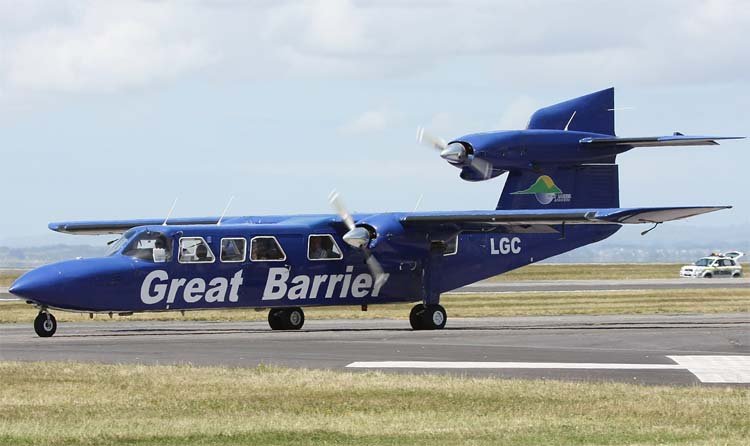 BN-2A Mk.III Trislander |
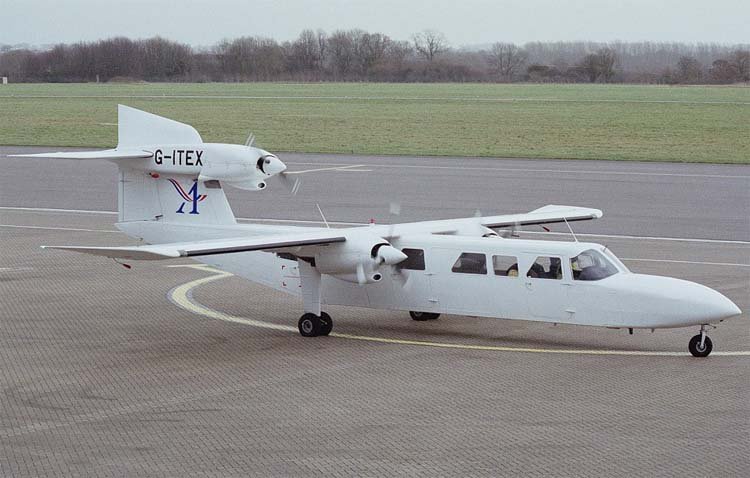 BN-2A Mk.III Trislander |
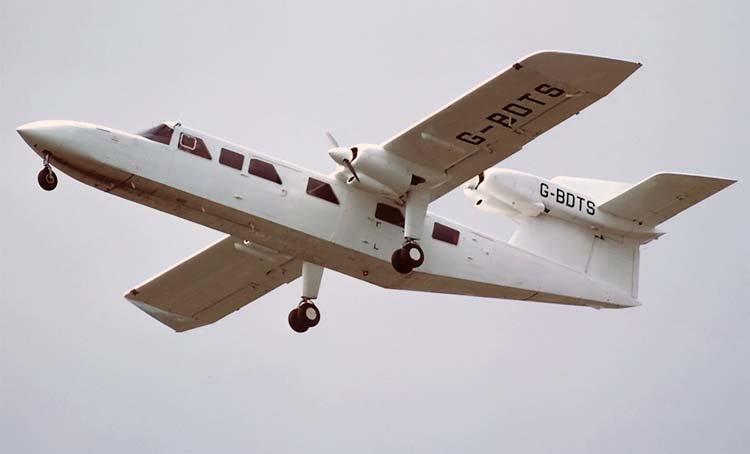 BN-2A Mk.III Trislander |
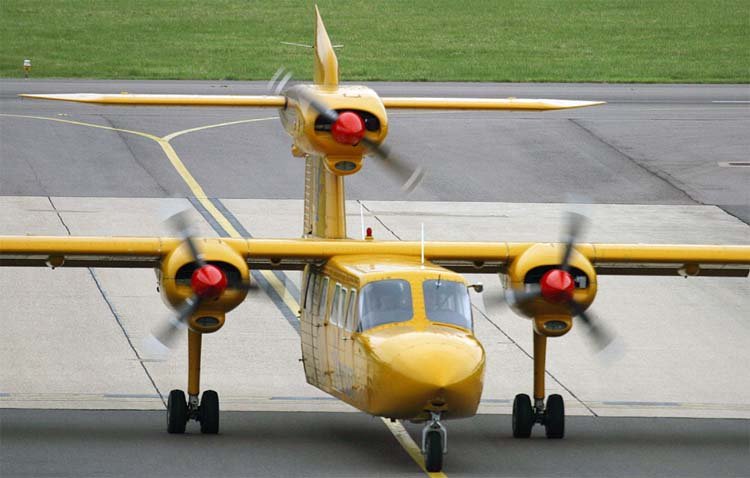 BN-2A Mk.III Trislander |
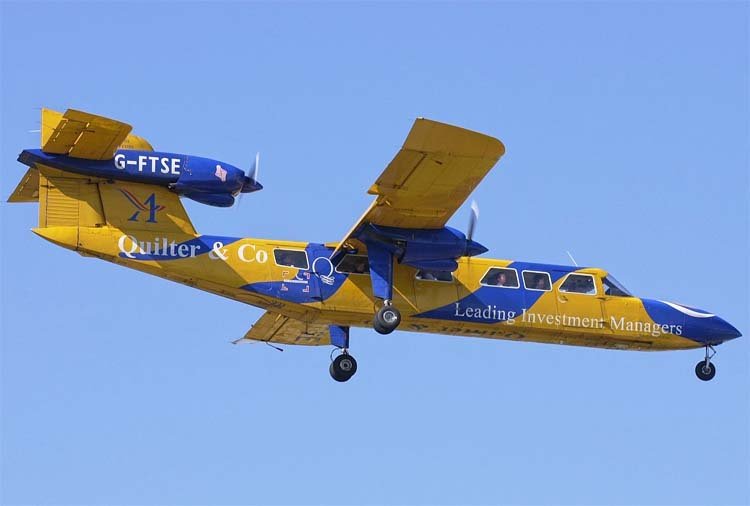 BN-2A Mk.III Trislander |
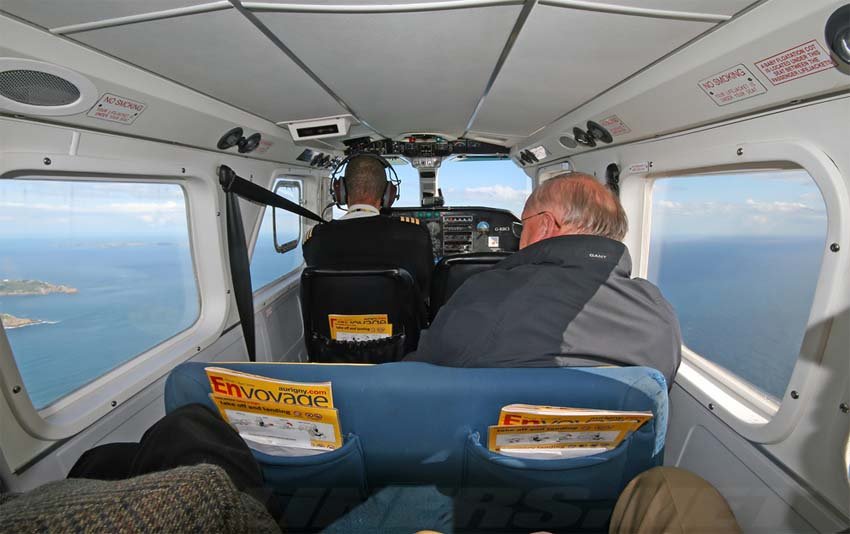 BN-2A Mk.III Trislander |
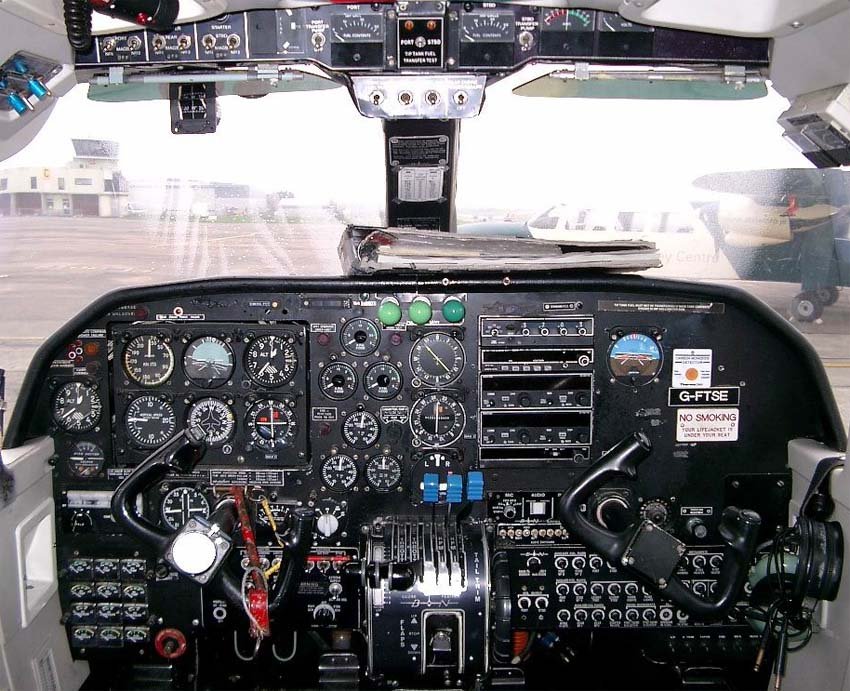 BN-2A Mk.III Trislander |