
After Edgar George Perman left the company, designer Frank William Broughton joined forces with Adolf Jarvis Blayney. Together, they formed the Broughton-Blayney Aircraft Company and decided to continue the Perman Parasol project.
Origin and Collaboration
As a result, in 1936, the prototype of the Broughton-Blayney Brawny aircraft (referred to as Brawney in some sources) was manufactured. This was a single-seat, strut-braced parasol wing monoplane, equipped with a 30 hp Carden Ford engine and a two-bladed wooden propeller.
Design and Prototype
In the same year, in addition to the prototype (G-AENM), two more aircraft (and two more were planned) – G-AERF and G-AERG – were built. These differed from the prototype by replacing one metal strut with a metal cable.
However, the wide-chord wing and its limited angle of attack led to a deterioration of the machine’s characteristics compared to the Perman Parasol. Furthermore, the Brawny aircraft proved difficult to control.
Performance Issues and Fate
As a consequence of their shortcomings, in 1937, the first two examples crashed. The third aircraft was simply dismantled to prevent further risks.
Technical Specifications
| Modification | Brawny |
| Wingspan, m | 7.77 |
| Length, m | 4.72 |
| Empty weight | 204 |
| Engine type | 1 Piston engine Carden Ford |
| Power, hp | 1 x 30 |
| Maximum speed, km/h | 112 |
| Cruising speed, km/h | 105 |
| Practical range, km | 322 |
| Crew, crew members | 1 |
Image and diagram gallery of the Broughton-Blayney Brawny
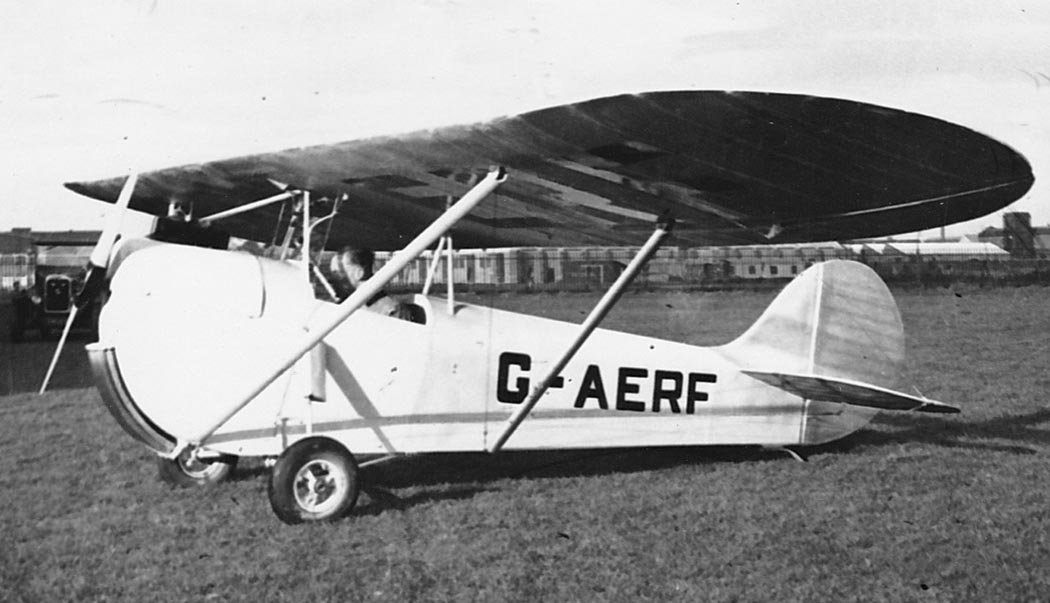 Brawny (Brawney) |
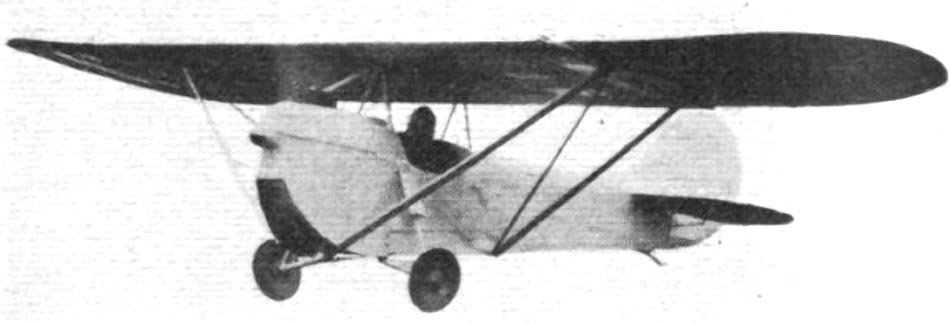 Brawny (Brawney) |
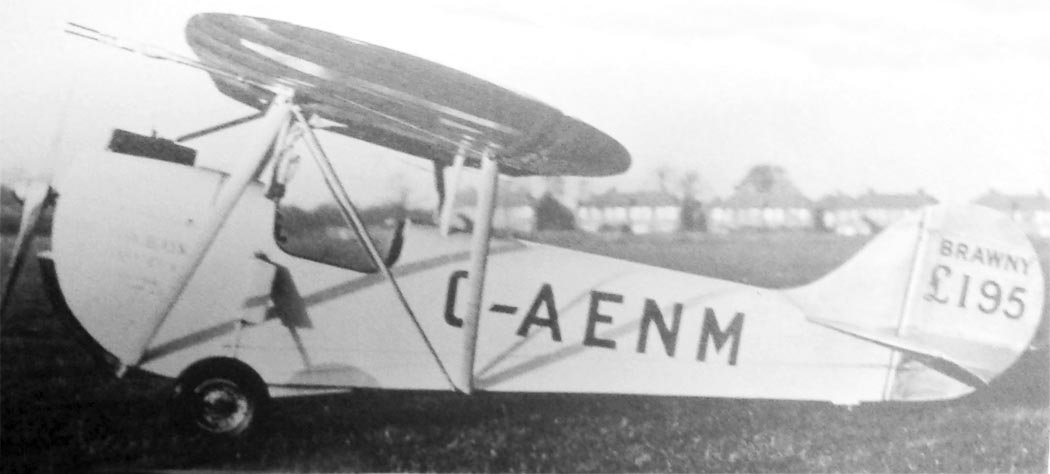 Brawny (Brawney) |