
In December 1915, the US Navy commissioned William S. Burgess to develop and build a training seaplane, as well as a reconnaissance aircraft. The prototype, known as the Burgess S, made its first flight on March 6, 1916.
Design and Specifications
This reconnaissance aircraft was a two-seat, three-strut biplane. It was initially equipped with a 100 hp Curtiss OXX V-8 engine. Almost immediately, this engine was replaced with a more powerful 120 hp Hall-Scott A-5 six-cylinder engine.
Naval Service and Legacy
Six examples of the aircraft (A70 – A75) were built for naval aviation. The first unit was delivered to the Navy in March 1916. By March 1919, all these aircraft had been decommissioned, though some continued to operate as civilian seaplanes.
Technical Specifications
| Modification | Burgess S |
| Wingspan, m | 14.17 |
| Length, m | 9.14 |
| Maximum takeoff weight | 1134 |
| Engine type | 1 Piston engine Hall-Scott A-5 |
| Power, hp | 1 x 120 |
| Maximum speed, km/h | 117 |
| Flight endurance, h | 4 |
| Rate of climb, m/min | 122 |
| Crew | 2 |
Image and diagram gallery of the Burgess S
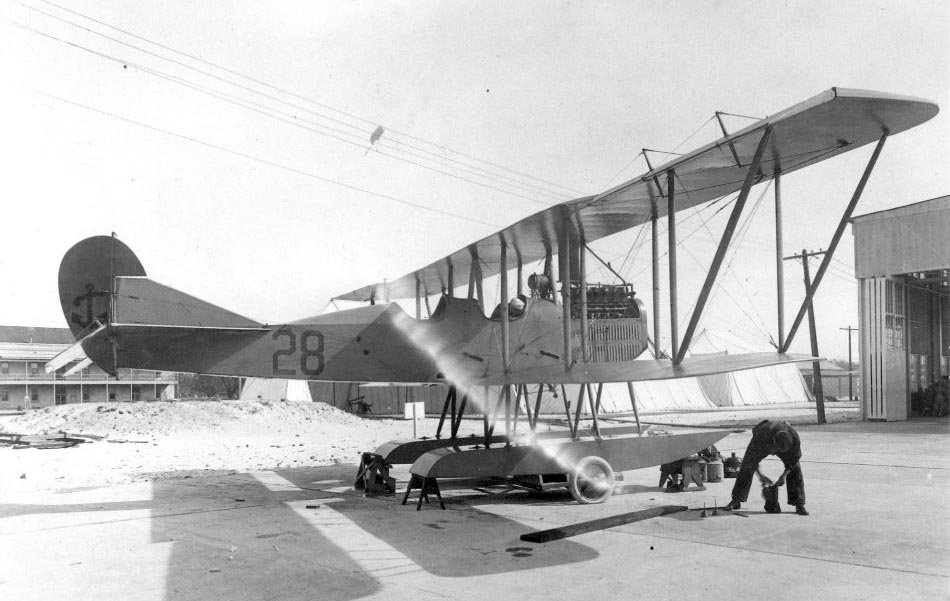 Burgess S |
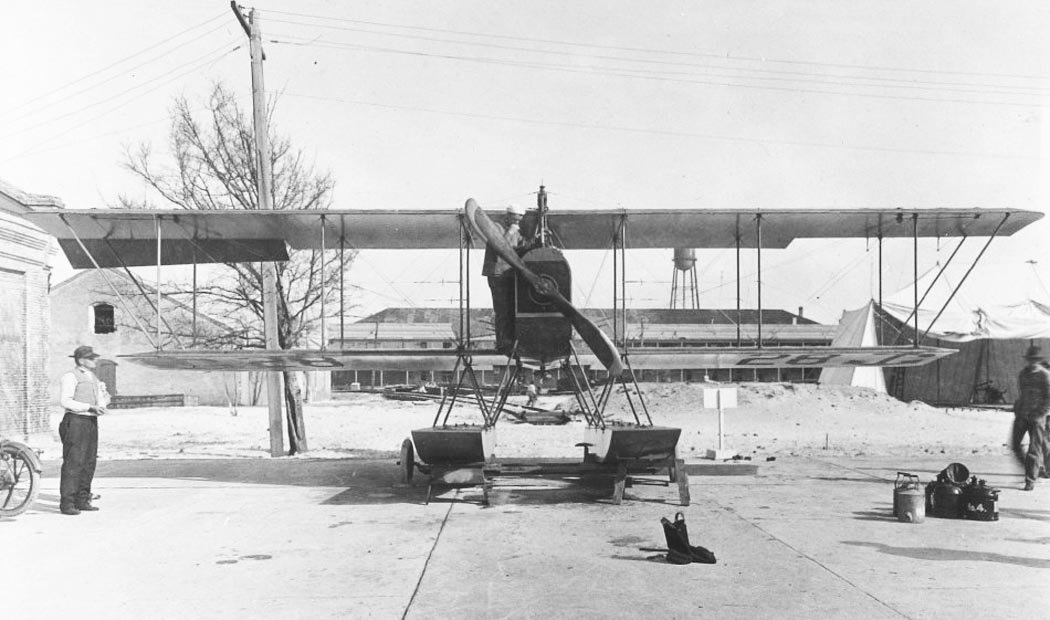 Burgess S |
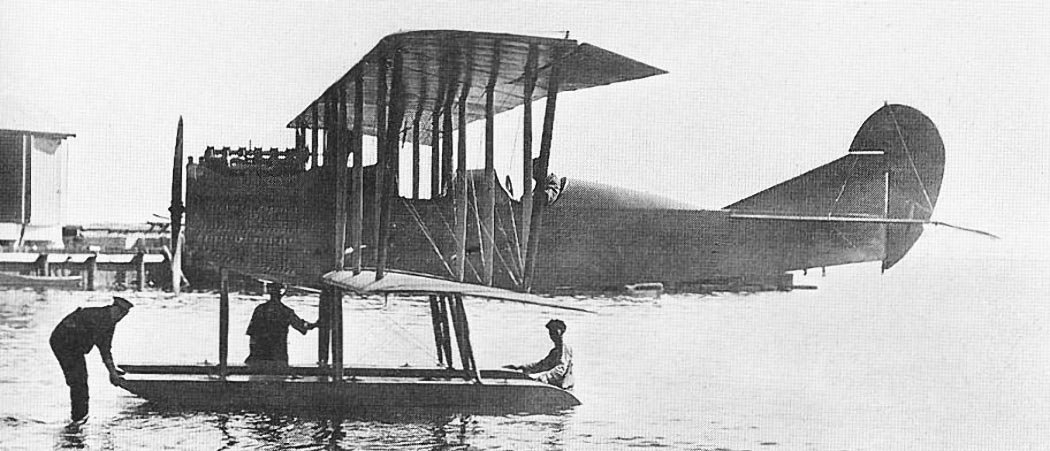 Burgess S |
How to cite this article:
APA: Burgess S (). Burgess S. wp.archivoaereo.com. https://wp.archivoaereo.com/en/burgess-s-3/
VANCOUVER: Burgess S [online]. wp.archivoaereo.com; [cited 2026-10-08]. Available at: https://wp.archivoaereo.com/en/burgess-s-3/