
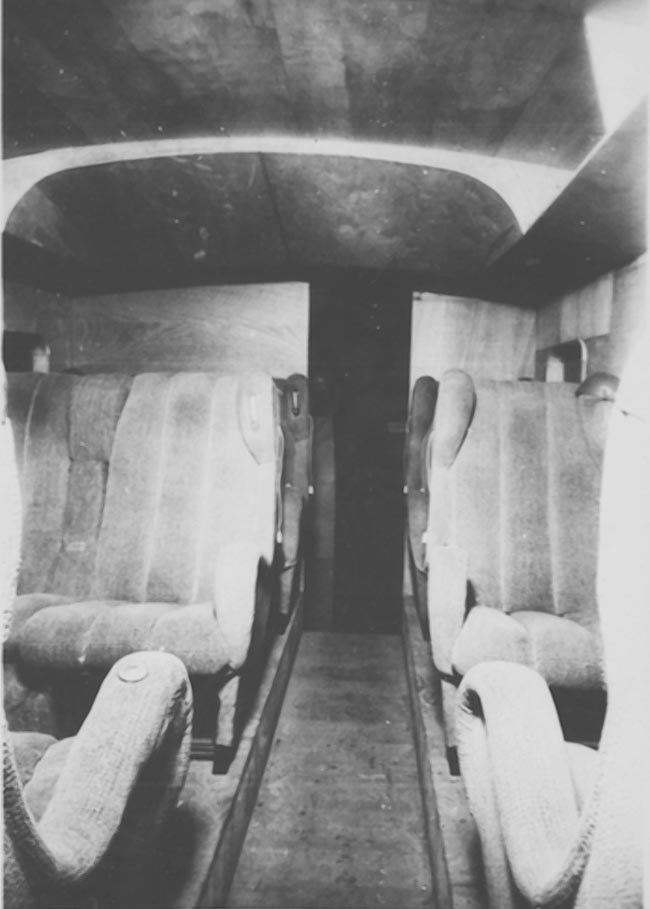
When, after the outbreak of the war, the venerable Ju.52, which had operated on short and medium routes for Deutsche Lufthansa (DLH), ceased to meet serious personnel and daylight restrictions, a decision was made in DLH as early as 1940 to request the development of a new passenger aircraft. This aircraft was intended to somewhat exceed the capacity of the Ju.52, thereby being highly profitable for the expected increase in transport volumes in the post-war situation.
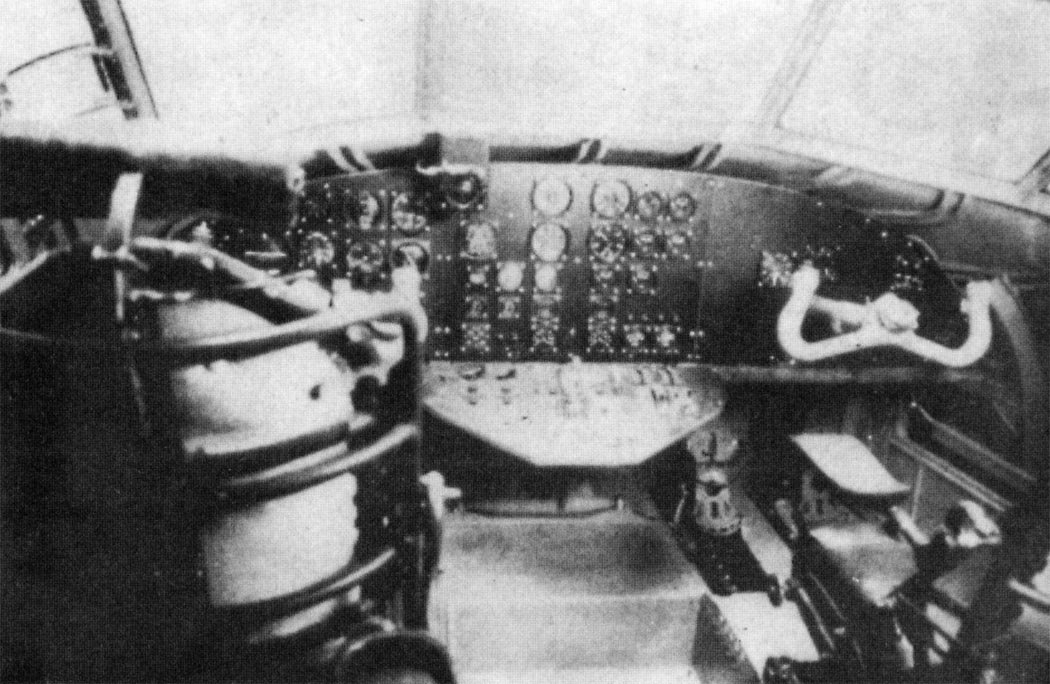
The BV.144, developed by Blohm und Voss according to this assignment, featured a progressive concept. This led Lufthansa to immediately order two prototypes. According to the technical specifications, the aircraft was to operate at any time of day and combine sufficient payload capacity with efficiency.
Development and Manufacturing
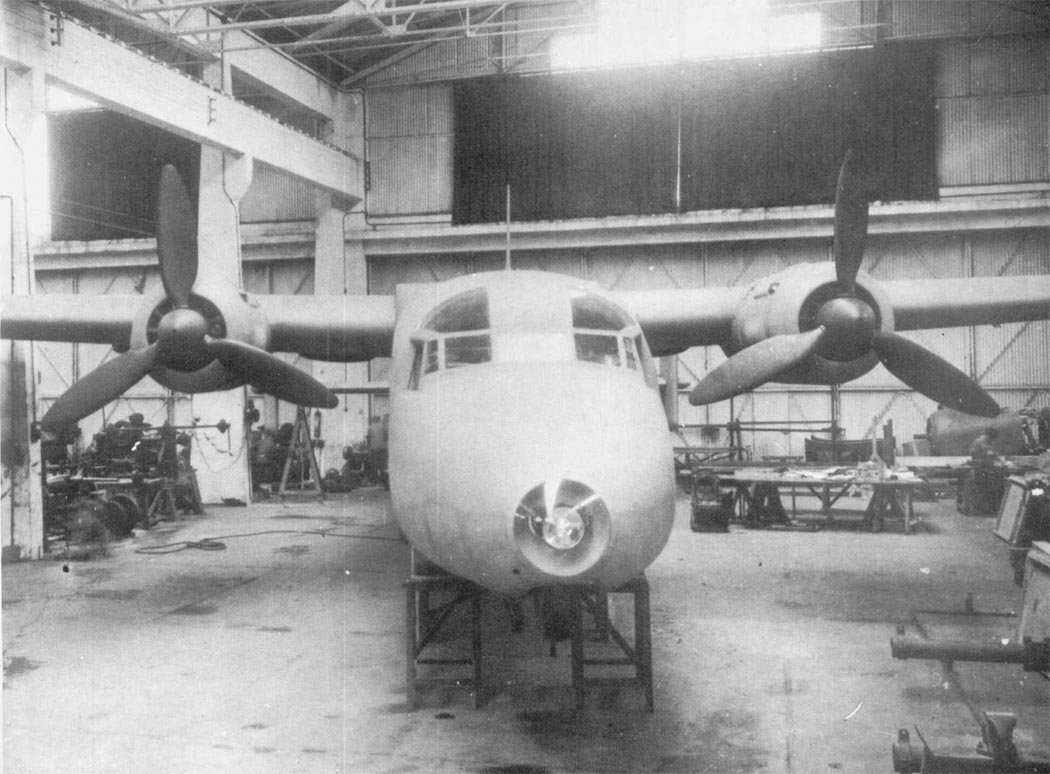
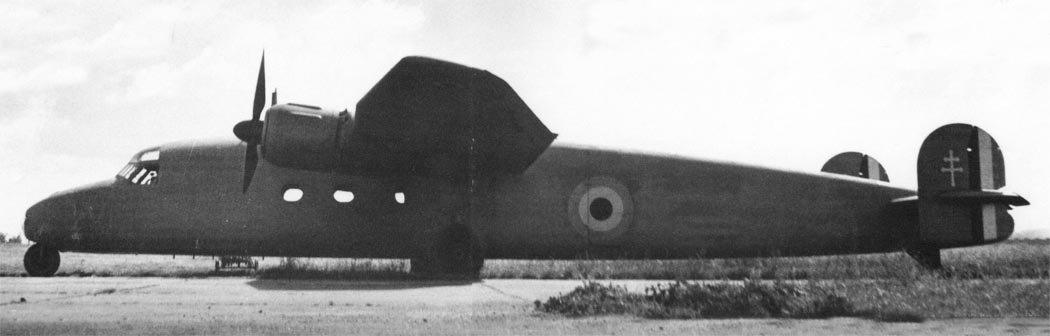
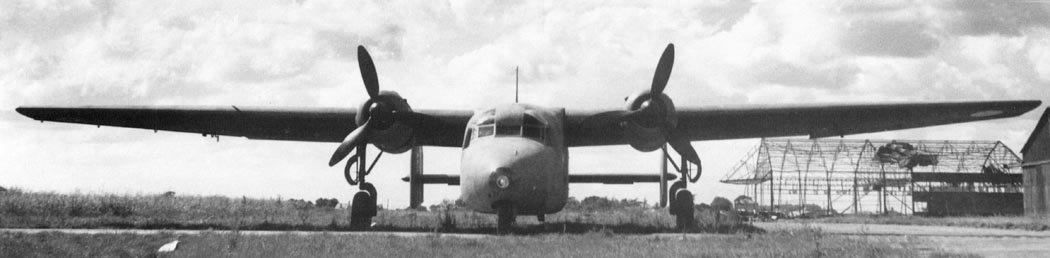
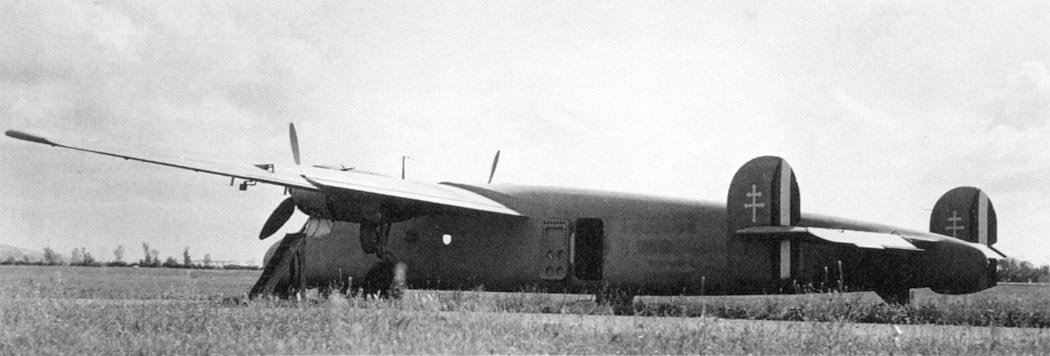
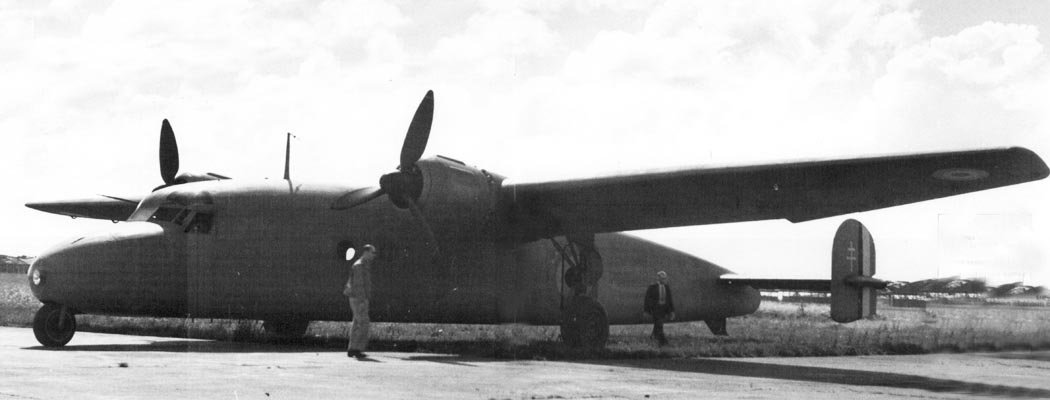
Design work for the BV.144 was largely carried out by French engineers, and the manufacturing of the prototypes was entirely transferred to France. The Societe Louis Breguet factory in Anglet, near Bayonne, received an order to build two aircraft, but ultimately only one instance, the BV.144V-1, was manufactured.
In mid-August, German radio technicians installed radio equipment from a crashed Ju.88 onto the BV.144V-1. By August 15, the aircraft was ready for flight, with only a series of engine tests remaining. The machine was supposed to fly from Anglet to Germany, but the flight never took place. Later, the French took possession of the aircraft, and nothing is known about its subsequent fate. The BV.144V-2 prototype was, by that time, still in the early stages of manufacturing.
Innovative Variable-Incidence Wing
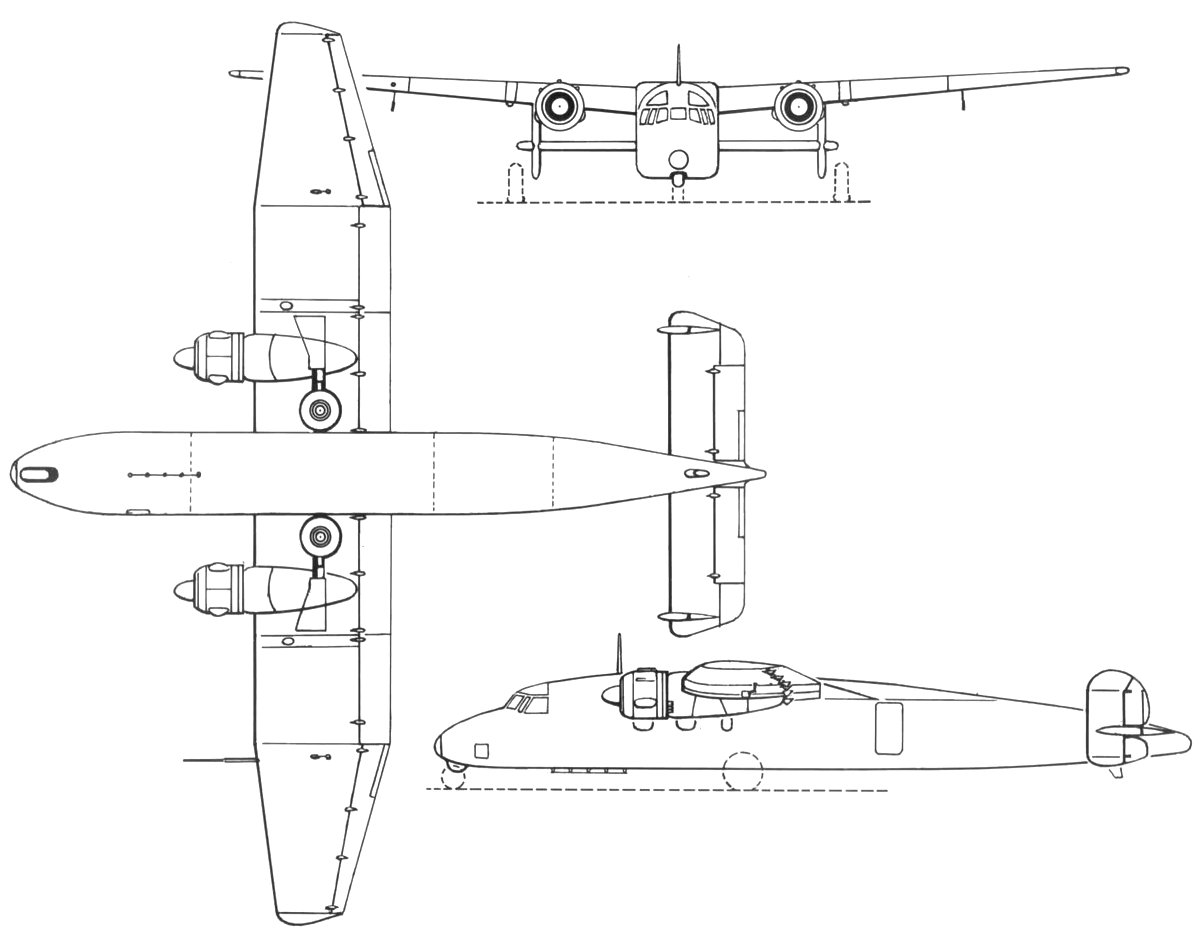
The most notable structural feature of the BV.144 was its wing with a variable angle of incidence. The primary reason for this solution was Lufthansa’s demand for enhanced passenger comfort during boarding and disembarking, as well as throughout the flight. This rotating wing allowed for minimizing the distance between the fuselage and the ground, enabling normal take-offs and landings without noticeable fuselage pitch.
Simultaneously, this design offered significant aerodynamic advantages, including low-drag fuselage flow at all angles of attack and excellent stabilizer performance when achieving maximum wing lift characteristics. The structural solution for wing adjustability was implemented with unusual simplicity, utilizing a mandatory tubular spar. The entire adjustment device consisted of ball-bearing lugs welded to the rear of the spar and electromechanical spindles near the leading edge that absorbed torque and provided precise adjustment.
For this model, particularly effective Fowler-type slotted flaps were developed, and the aileron was modified and pulled up to further increase lift, based on detailed wind tunnel tests. Another fundamentally new feature was the de-icing system for the wingtips and tail surfaces, which used hot air supplied from a liquid-fuel burner.
Technical Specifications
| Modification | BV.144v-1 |
| Wingspan, m | 27.00 |
| Length, m | 21.80 |
| Height, m | 5.10 |
| Empty weight | 7900 |
| Normal takeoff weight | 13000 |
| Engine type | 2 Piston engines BMW 801MA |
| Power, hp | 2 x 1600 |
| Maximum speed, km/h | 470 |
| Cruising speed, km/h | 438 |
| Practical range, km | 1550 |
| Practical ceiling, m | 8600 |
| Crew, crew members | 2-3 |
| Payload: | up to 18 passengers |
Image and diagram gallery of the BV.144
 BV.144 |
 BV.144 |
 BV.144 |
 BV.144 |
 BV.144 |
 BV.144 |
 BV.144 |
 BV.144 |
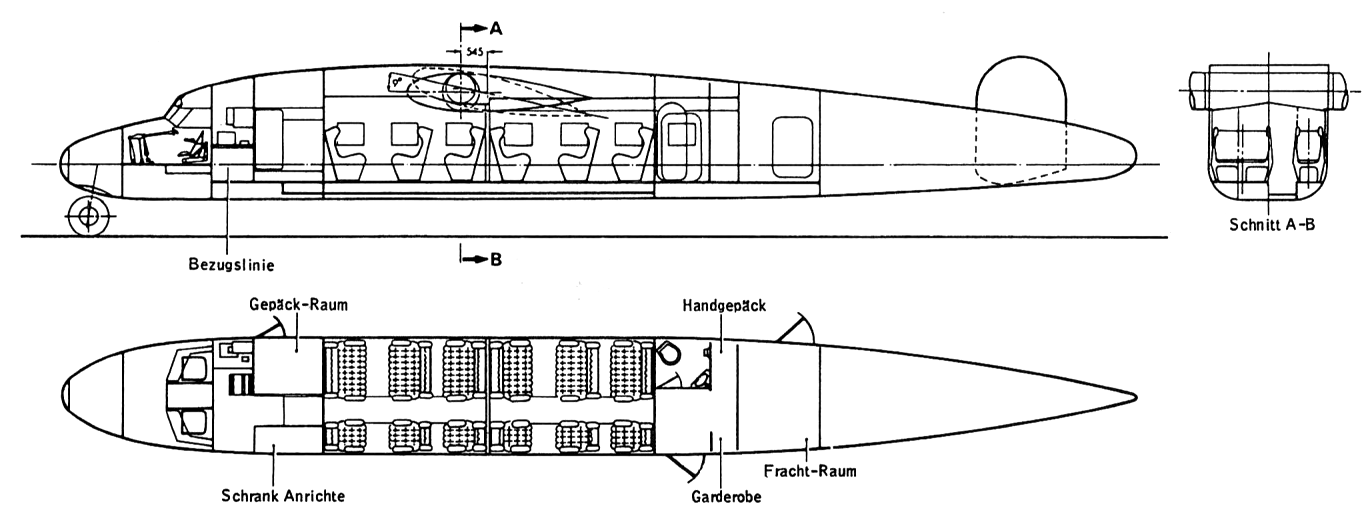 BV.144 |
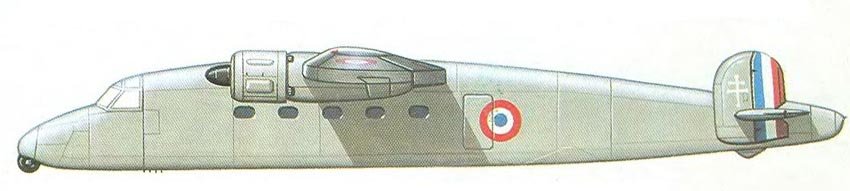 BV.144 |