
The Innovative Design of the Caudron C.43
In parallel with his brother, engineer Paul Deville designed the Caudron C.43 passenger aircraft. This aircraft was very similar in construction and layout to the C.39, which was developed by Philippe Deville. It was a three-bay biplane, equipped with five nine-cylinder Le Rhône 9C engines, each producing 80 hp (60 kW).
Four of the engines were installed in tandem beneath the upper wings, and an additional one was placed in the aircraft’s nose. The five-engine power plant was chosen for safety considerations. Furthermore, the total thrust of 400 hp allowed it to carry a useful load of 580 kilograms or up to 8 passengers.
Maiden Flight and Seaplane Conversion
The aircraft’s maiden flight took place in early 1920. Similar to the C.39, it was converted into a seaplane variant in the spring by installing two floats. This modification was intended for its participation in the Monaco Grand Prix competition.
Post-Competition and Testing
Following an unsuccessful performance in Monaco, the sole example of the aircraft was purchased by the Section Technique de l’Aéronautique (S.T.Aé.). This acquisition was made for the purpose of conducting test flights. Its innovative design made it a significant early passenger aircraft.
Technical Specifications
| Modification | C.43 |
| Wingspan, m | 20.92 |
| Aircraft length, m | 12.55 |
| Aircraft height, m | 5.10 |
| Wing area, m2 | 88.80 |
| Empty weight | 1900 |
| Maximum takeoff weight | 3 240 |
| Engine type | 5 Piston engine Le Rhône 9C |
| Power, hp | 5 x 80 |
| Maximum speed, km/h | 140 |
| Cruising speed, km/h | 120 |
| Crew, crew members | 2 |
| Payload: | up to 8 passengers |
Image and diagram gallery of the C.43
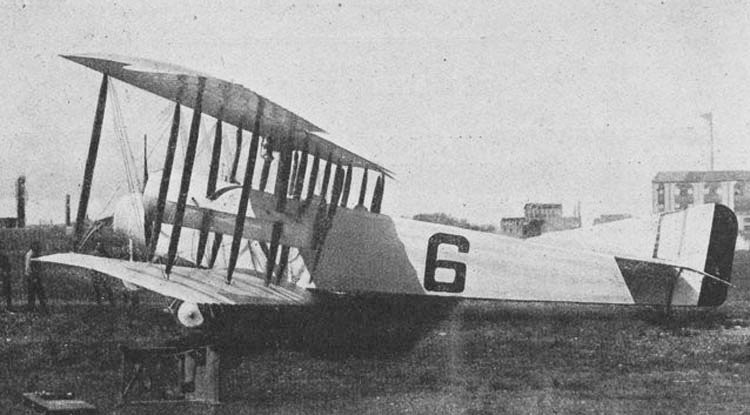 C.43 |
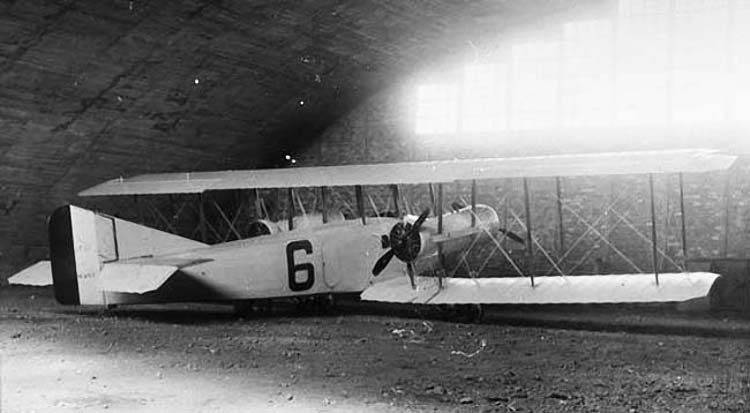 C.43 |
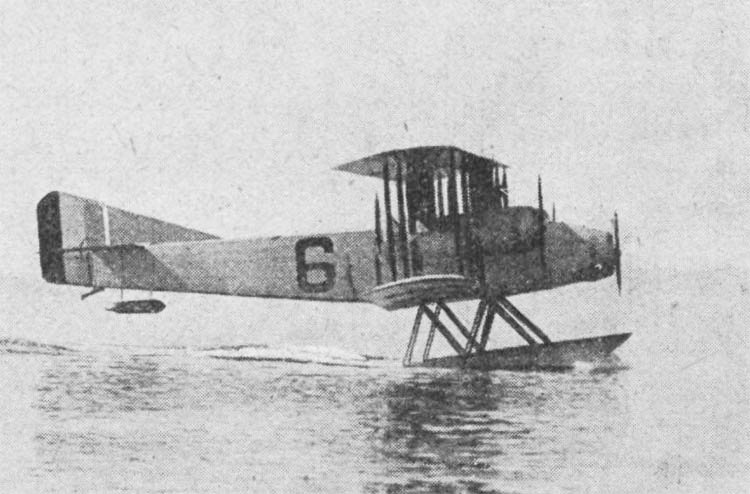 C.43 |