
Development and Initial Requirements
In 1931, the Italian Ministry of Aeronautics (Ministero dell’Aeronautica) issued requirements for a second-year training aircraft for the flight schools of the Regia Aeronautica. Cantieri Aeronautici e Navali Triestini (CANT) undertook the development of an aircraft to meet these specifications. Engineer Raffaele Conflenti was appointed project leader.
Technical Specifications and First Flight
In the same year, the first prototype of the CANT 36 trainer was built and made its maiden flight on June 1. It was a two-seat wooden biplane with V-struts, powered by a 250 hp (184 kW) Isotta Fraschini Asso 200 water-cooled six-cylinder engine. For the training of fighter pilots, the aircraft could be fitted with one forward 7.7mm machine gun and another identical machine gun on a turret in the rear cockpit.
Military Evaluation and Final Fate
The sole CANT 36 successfully passed military trials and was transferred to one of the Regia Aeronautica flight schools, where it was assigned serial number MM.148. The aircraft did not receive further development. The CANT 36 trainer was used by the military until the summer of 1941, when it was disassembled due to obsolescence.
Technical Specifications
| Modification | CANT 36 |
| Wingspan, m | 10.50 |
| Length, m | 8.50 |
| Empty weight | 950 |
| Engine type | 1 Piston engine Isotta Fraschini Asso 200 |
| Power, hp | 1 x 250 |
| Maximum speed, km/h | 210 |
| Cruising speed, km/h | 185 |
| Service ceiling, m | 5600 |
| Crew, crew members | 2 |
| Armament | possible installation of two 7.7-mm machine guns |
Image and diagram gallery of the CANT 36
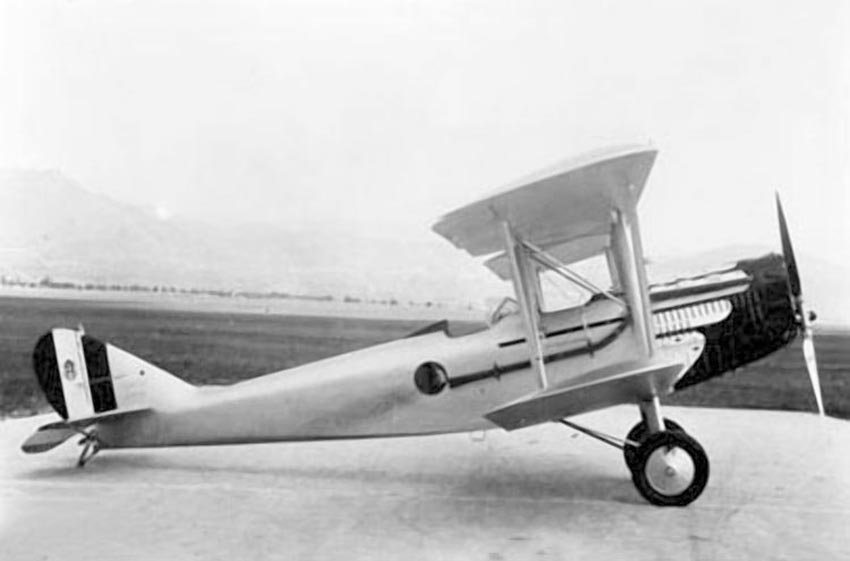 CANT 36 |
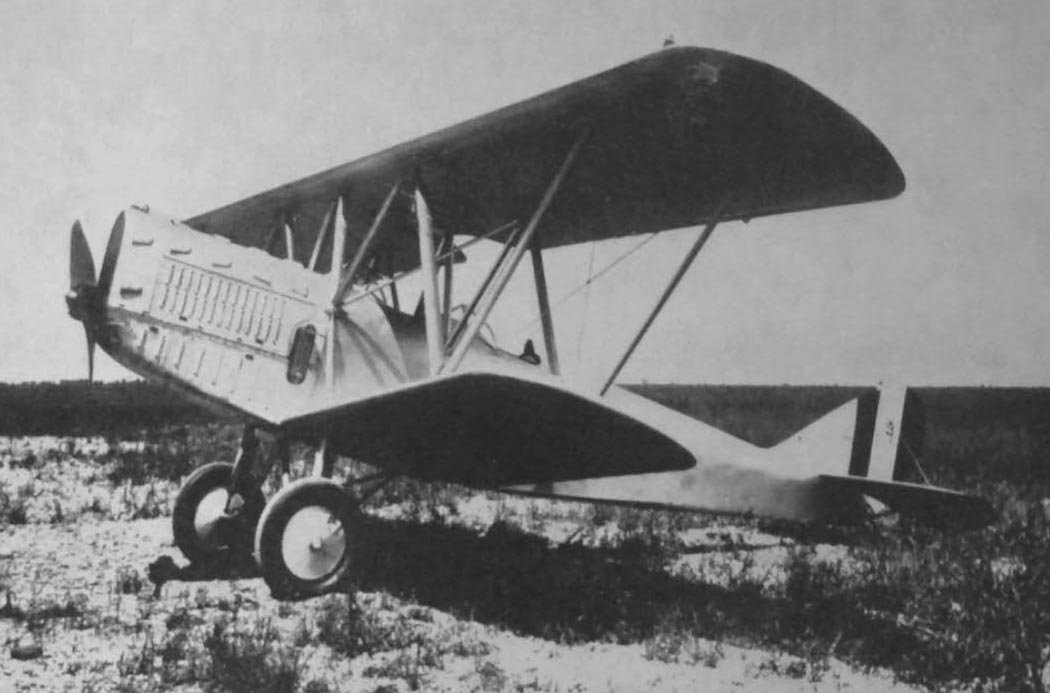 CANT 36 |
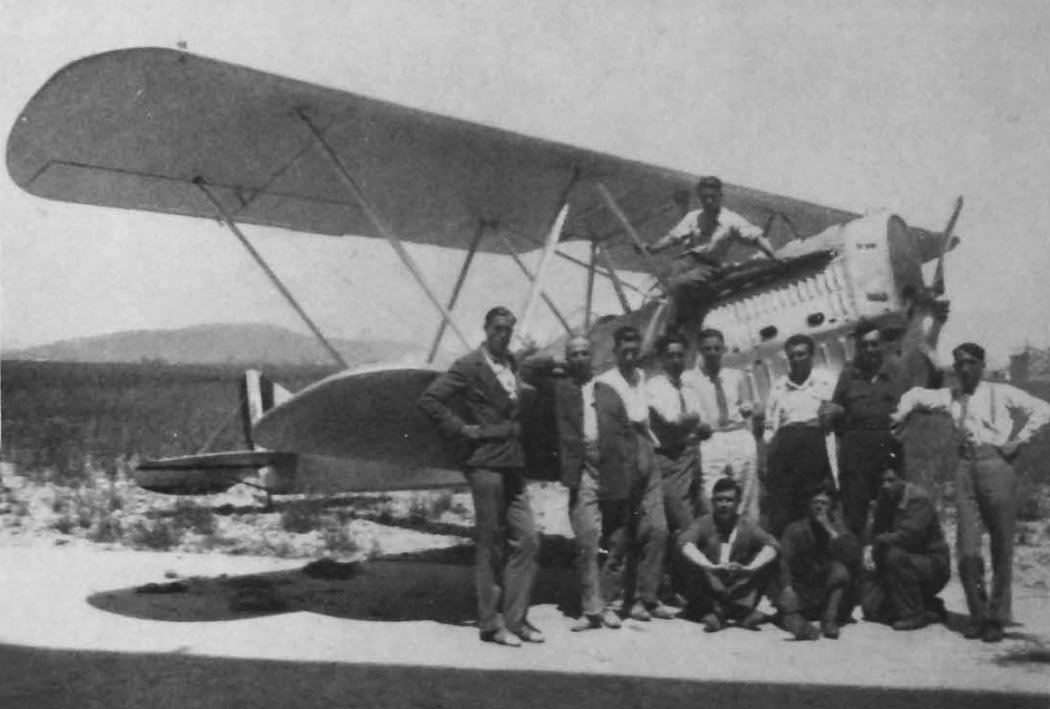 CANT 36 |