
Design and Development
Following the failure of their No.1 model, designers Georges Canton and Georges Unné, or simply Canton et Unné, opted for a more conventional layout for their next project. By the end of 1909, they completed the construction of the Canton et Unne No.2, a single-seater monoplane that marked a return to more standard design principles.
This innovative aircraft was powered by a seven-cylinder engine of the constructors’ own design, capable of producing 90 horsepower. This proprietary engine highlighted the ingenuity and ambition of Canton et Unné in the early days of aviation.
Maiden Flight and Testing
The Canton et Unne No.2’s maiden flight was conducted by Georges Canton himself in mid-January 1910, marking a significant milestone for the project. Throughout the spring of that year, the monoplane was tested by other pilots, who evaluated its performance and handling under various conditions.
The Tragic End
Unfortunately, the career of the Canton et Unne No.2 was brief. Its final flight occurred on June 8, 1910, when a hard landing caused the aircraft to collide violently with the ground. The impact resulted in a fire that completely destroyed the aircraft, bringing its flights to an end.
Technical Specifications
| Modification | No.2 |
| Wingspan, m | 10.50 |
| Aircraft length, m | 8.00 |
| Wing area, m2 | 28.00 |
| Empty weight | 420 |
| Engine type | 1 Piston engine Canton et Unné |
| Power, hp | 1 x 90 |
| Crew, crew members | 1 |
Image and diagram gallery of the Canton et Unne No.2
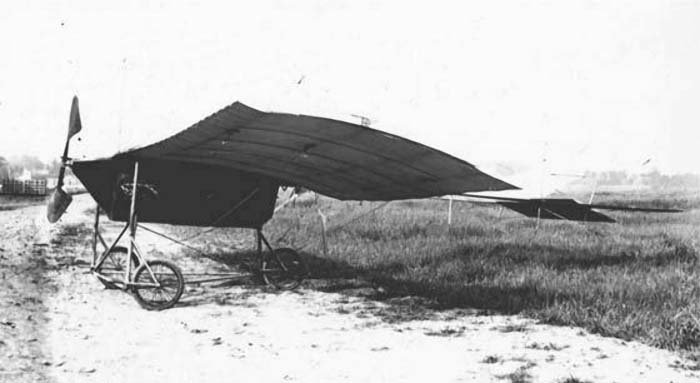 Canton et Unne No.2 |
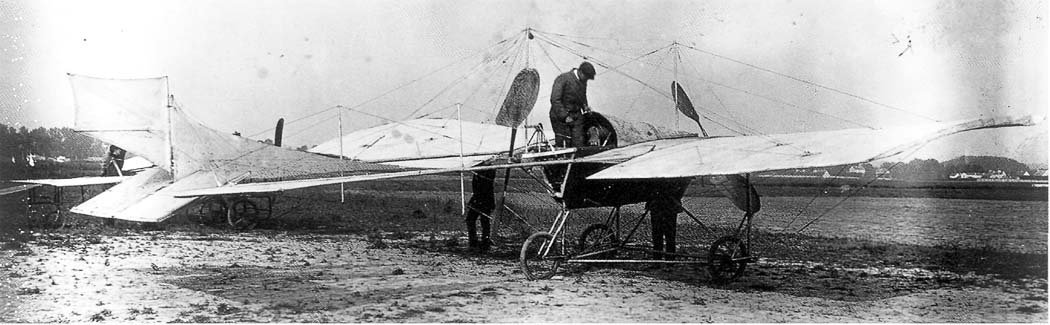 Canton et Unne No.2 |