
Caproni, the name of this well-known Italian aircraft manufacturing company, is usually associated with “giant” airplanes: huge bombers (triplanes and several biplanes) built during the Great War, significantly exceeding the dimensions of ordinary aircraft of those years.
Although Caproni later engaged in the production of small and medium-sized aircraft, it never abandoned “large” machines. This conclusion can be drawn from the construction in 1927 by the company of an aircraft with the designation Ca.79 Q.d. (quadra dure).
Impressive Design and Versatility
The Ca.79 is a multi-engine combat aircraft that can be easily converted for commercial operation, undoubtedly due to its size. The Ca.79 is a very large aircraft—though it may not seem so at first glance—with a wingspan of over 30.5 meters (100 feet).
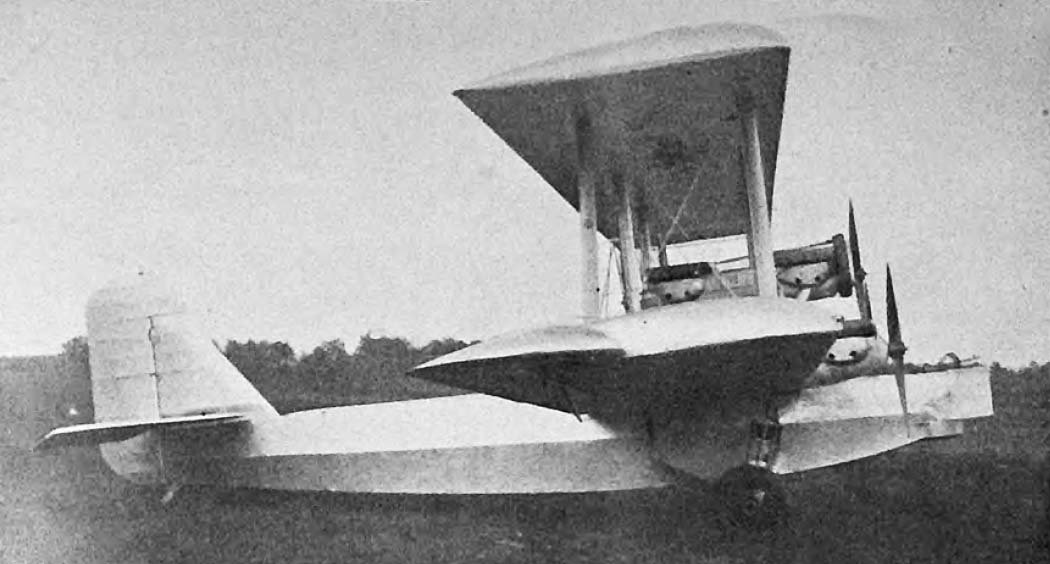
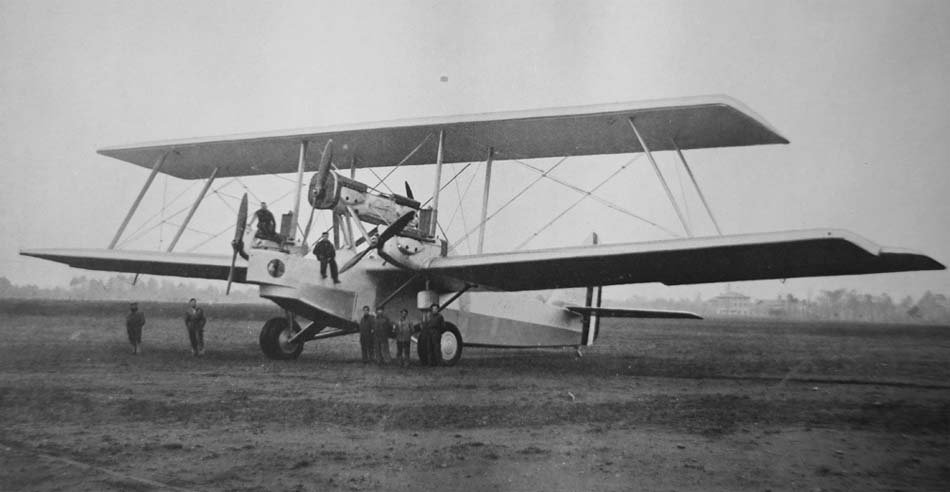
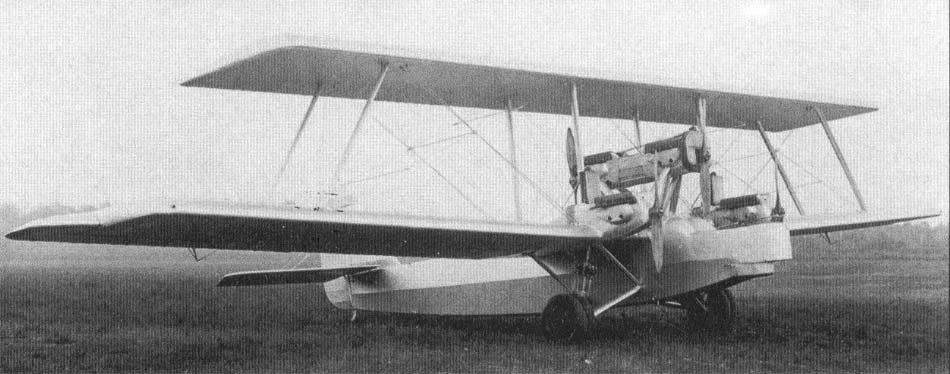
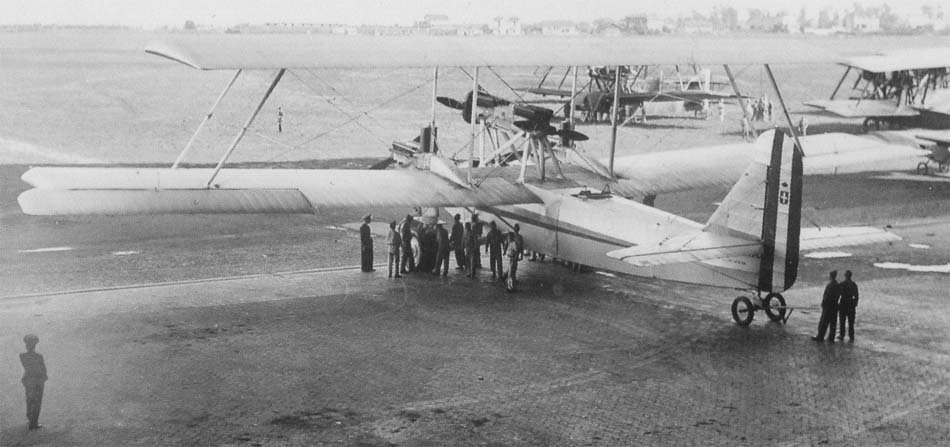
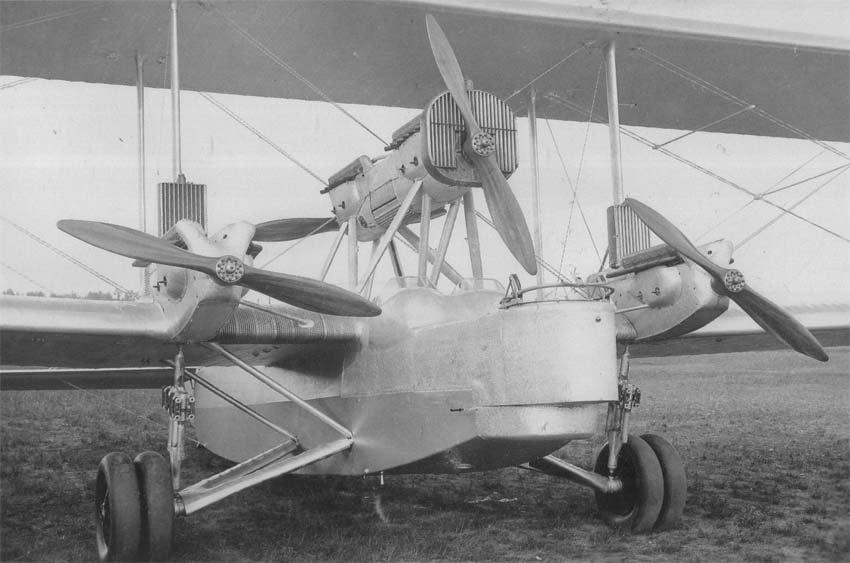
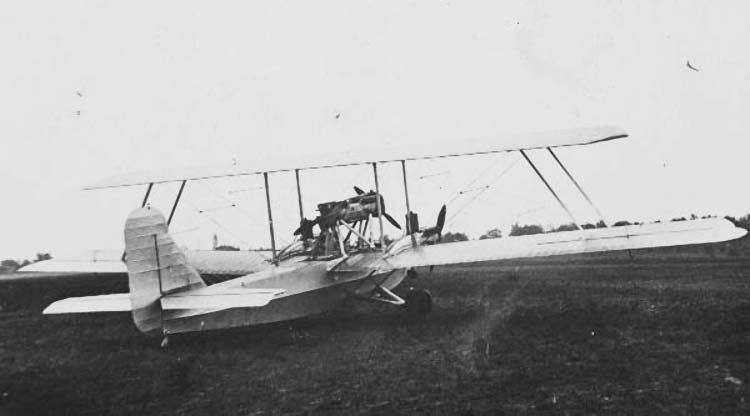
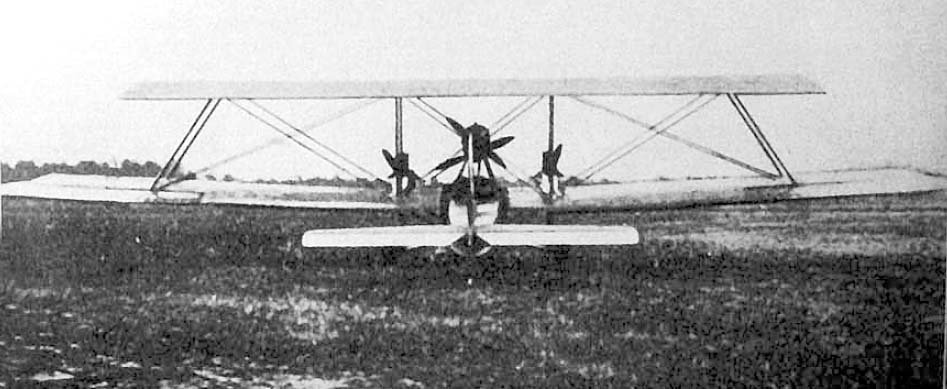
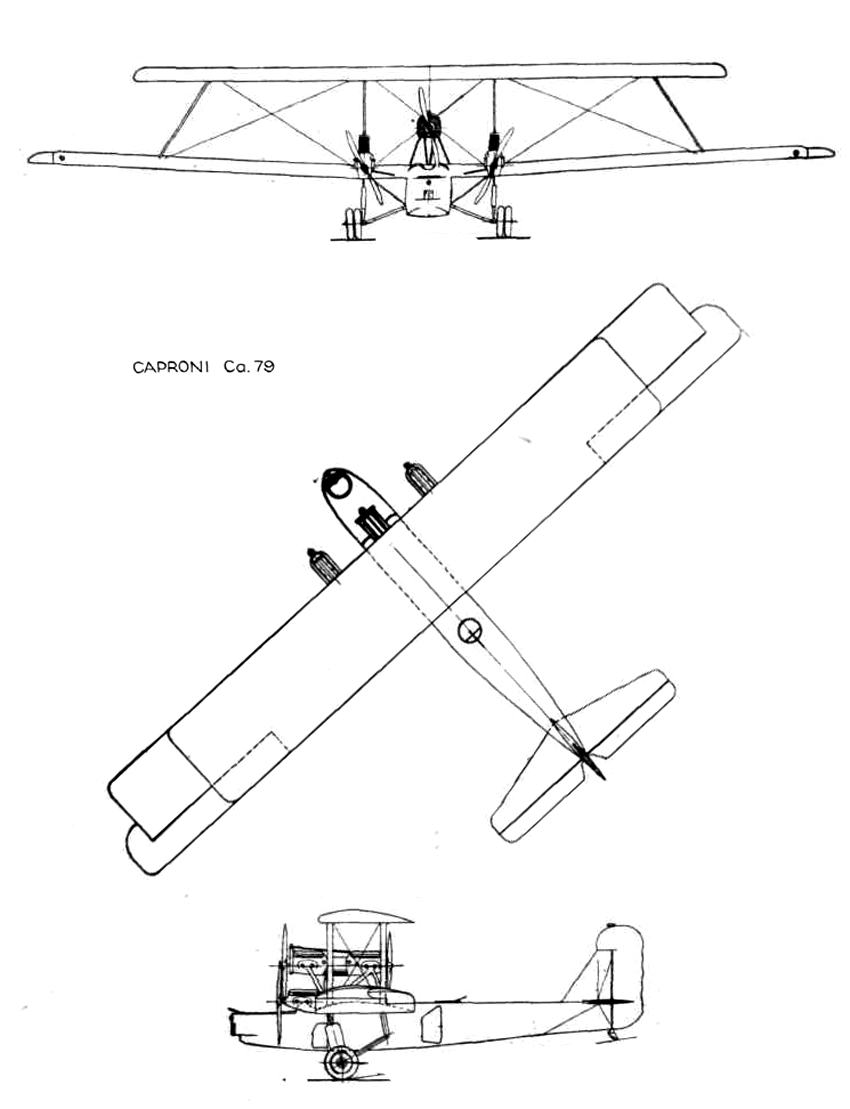
The Ca.79 is a biplane of typical Caproni design, meaning it features a large-span lower wing and a relatively small upper wing. The latter, as seen in photographs and diagrams, is straight and mounted quite high above the boat-shaped fuselage. The lower wing consists of a short straight center-section attached to the fuselage, and two outer panels with a slight transverse V. The upper and lower wings are connected by four pairs of struts and have a rather thick airfoil. Balanced ailerons are fitted only on the lower wing.
The bomber features a metal construction (steel and duralumin) with fabric covering for the wings and part of the fuselage. Wing spars are made of steel sheets, ribs and leading edges from duralumin, and internal bracing from steel wire and tubes. The monoplane horizontal tail assembly has a steel tube framework. Vertical and horizontal stabilizing surfaces can be adjusted in flight. The rudder is stabilized, but the elevators are not.
Armament and Crew Configuration
The fuselage framework is made of steel tubes, and the forward section of the fuselage is covered with duralumin sheets. The crew cabin is equipped with the dual controls typical of large Caproni aircraft and is located at the leading edge of the lower wing, providing pilots with excellent visibility.
In the extreme nose section of the fuselage is the bombardier-gunner’s cabin, while behind the wings is the cabin for the second gunner-observer. A central fuselage passage connects all three cabins, which are accessed via two doors on the left side of the aircraft body.
The front cabin is equipped with a machine gun mount and an electrically controlled bomb release system. Bombs are placed either inside the fuselage, outside the fuselage, or under the wing; the bomb load consists of four 500-800 kg bombs, or thirty-two 100 kg bombs, or one torpedo. A second machine gun located in the rear cabin offers wide vertical and lateral firing sectors. A third machine gun is installed in the fuselage floor and fires downwards; when not in use, it retracts inside the aircraft.
Powerplant and Landing Gear
The Ca.79’s powerplant consists of four 500-horsepower Isotta-Fraschini Asso engines. Two engines are installed in tandem on the central axis of the aircraft, mounted above the fuselage between the upper and lower wings on sturdy center-section struts. The other two engines are installed on either side of the fuselage at the boundary of the center-section and the outer panels of the lower wing. These engines protrude slightly beyond the wing’s leading edge and drive tractor propellers. All four engines are easily accessible, making them simple to remove for replacement or overhaul.
The aircraft design includes exceptionally strong, separate main landing gear struts. Each strut is equipped with twin wheels mounted on streamlined V-shaped supports, hinged to the lower fuselage longerons. Landing impacts are absorbed by vertical shock absorbers located between the wheels and the front spar of the lower wing’s center-section. The tail skid is steerable.
Several examples of this aircraft were produced. All of them were adopted into the 62nd S.P.B. Squadron.
Technical Specifications
| Modification | Sa.7 9 |
| Wingspan, m | 25.00 |
| Length, m | 15.10 |
| Height, m | 5.60 |
| Wing area, m2 | 143.00 |
| Normal takeoff weight | 9800 |
| Engine type | 4 Bristol Jupiter Piston engines |
| Power, hp | 4x 500 |
| Maximum speed, km/h | 220 |
| Cruising speed, km/h | 190 |
| Crew | 4 |
| Armament | three 7.7-mm machine guns, bomb load – up to 1000 kg |
Image and diagram gallery of the Caproni Ca.79
 Ca.7 |
 Ca.7 |
 Ca.7 |
 Ca.7 |
 Ca.7 |
 Ca.7 |
 Ca.7 |
 Ca.7 |