
Following the end of the First World War, combat aircraft were not as in demand as civil ones, often resulting in bombers being converted into passenger planes. Initially designed by Paul Deville as a bomber, the Caudron C.33 was completed in late 1919 as a transport aircraft.
Design and Purpose
It was a three-bay biplane, equipped with two Le Rhône 9C engines, each producing 80 hp (60 kW). It could carry only three passengers and one pilot, and it was planned to be used as an “air taxi.”
Operational History
The first built example of the aircraft, named “Monsieur-Madame,” was exhibited in 1919 at the Paris Air Show, alongside the company’s other transport aircraft, the C.25. The following year, another aircraft was built, receiving the registration number F-ABDT. This machine flew until December 1931.
Technical Specifications
| Modification | C.33 |
| Wingspan (upper wing), m | 15.50 |
| Wingspan (lower wing), m | 14.20 |
| Aircraft length, m | 9.35 |
| Aircraft height, m | 3.00 |
| Wing area, m2 | 46.75 |
| Empty weight | 885 |
| Maximum takeoff weight | 1385 |
| Engine type | 2 Piston engines Le Rhône 9C |
| Power, hp | 2 x 80 |
| Maximum speed, km/h | 130 |
| Cruising speed, km/h | 105 |
| Crew, crew members | 1 |
| Payload: | up to 3 passengers |
Image and diagram gallery of the Caudron C.33
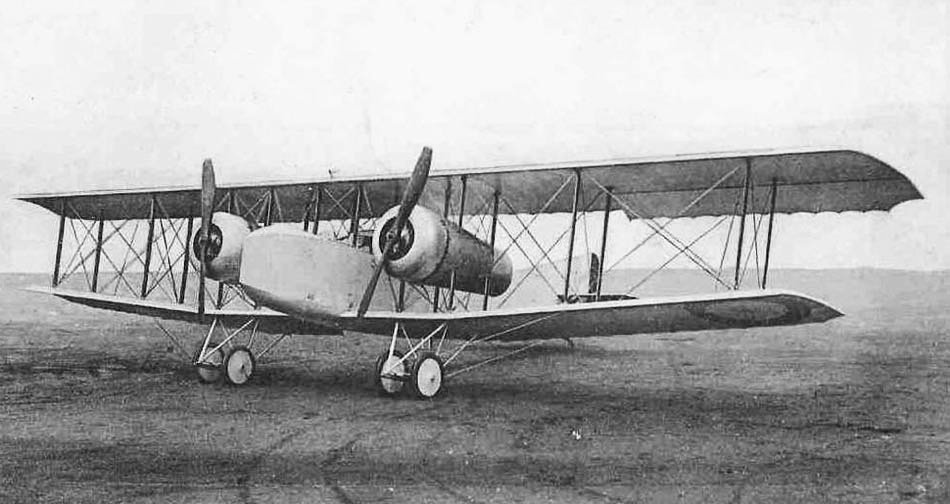 C.33 |
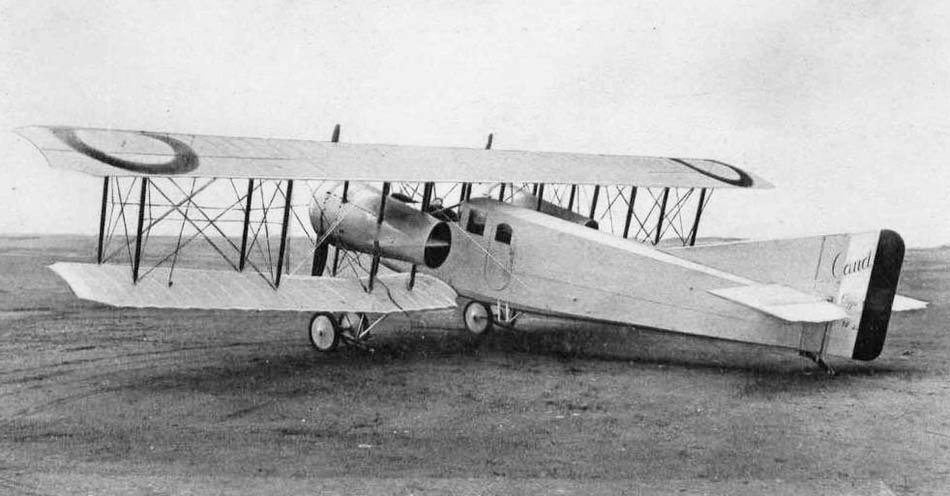 C.33 |