
The C-36 aircraft served the Swiss Confederation for 45 years and deserves a separate story. It was developed at the request of the Swiss Military-Technical Committee (KTA). In 1936, this work was entrusted to the EKW (Eidgenössischen Konstruktion-Werkstätten) company, located in Thun (Canton of Bern). The overall leadership was carried out by engineer Marcelle Touret. While chances to obtain a license for the French Potez 630 remained, work on the C-36 progressed very slowly.
Work only slightly accelerated when, in November 1937, the young and energetic engineer Jürg Branger took charge of the project. Only the clear threat of a major war in Europe forced additional budget funds to be allocated. An instruction arrived in Thun to urgently speed up the work. The new aircraft was to be created according to the fashionable “air cruiser” concept of the time – a multi-purpose combat aircraft capable of performing light bomber, fighter, and reconnaissance tasks.
Early Development and Prototypes
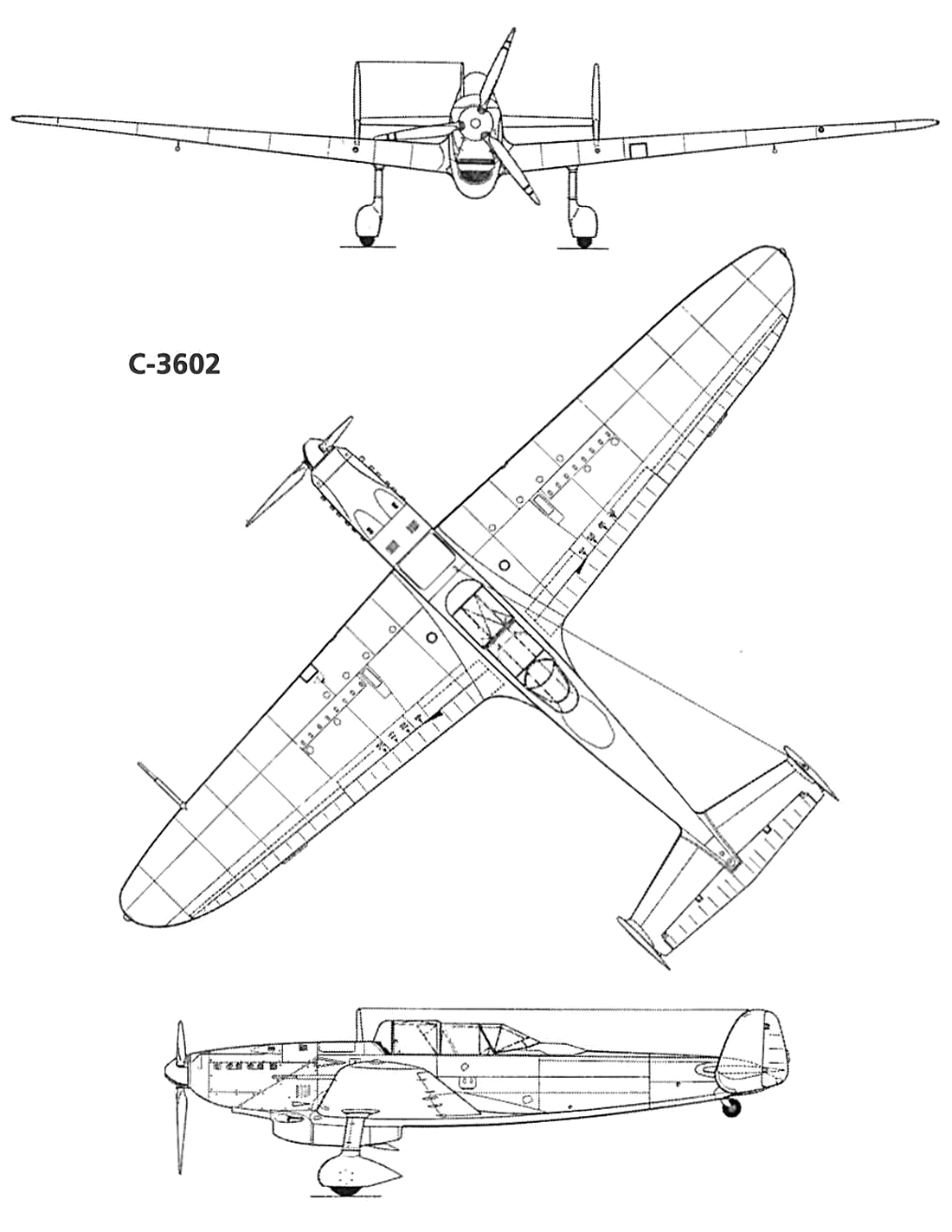
By November 1938, the design was completed, and construction of the first prototype, designated C-3601, began. It was a two-seater, all-metal, cantilever low-wing monoplane with twin tailfins and fixed landing gear covered by fairings. The rudders and ailerons were fabric-covered. The aircraft was equipped with an 860 hp Hispano-Suiza 12 Y-77 12-cylinder V-type liquid-cooled engine, driving a Ratier 1607 three-bladed variable-pitch propeller. Armament consisted of a 20 mm FM-K 38 cannon, mounted in the engine’s cylinder bank, two 7.5 mm FI.Mg.29 machine guns in the wing, and another such gun on a flexible mount in the navigator’s cockpit.
The first flight of the C-3601 took place on May 15, 1939. For the next three months, the aircraft successfully underwent factory trials. It was time to hand it over to the military for further testing, but before that, it was decided to conduct a series of flights to achieve maximum speeds. In one of these, test pilot Ernst Wyss performed a dive from 3000 m. The aircraft initially behaved normally, but during the pull-out, severe vibration began, causing both ailerons to detach. The machine crashed, though Wyss managed to save himself by parachute. The cause of the vibration was not understood at the time.
Nevertheless, the results of the conducted tests were deemed promising, and the work was continued. In Thun, construction began on the second prototype, the C-3602. Besides a strengthened structure, it featured a more powerful 1000 hp Hispano-Suiza 12 Y-51 engine with an EW-V7 propeller. The aircraft first flew on November 30, 1939, and successfully completed factory trials by the end of April 1940. On May 13, it was transferred for military trials, which also proceeded without unpleasant surprises and concluded on May 30. Notably, during one of these flights, a speed of 440 km/h was achieved.
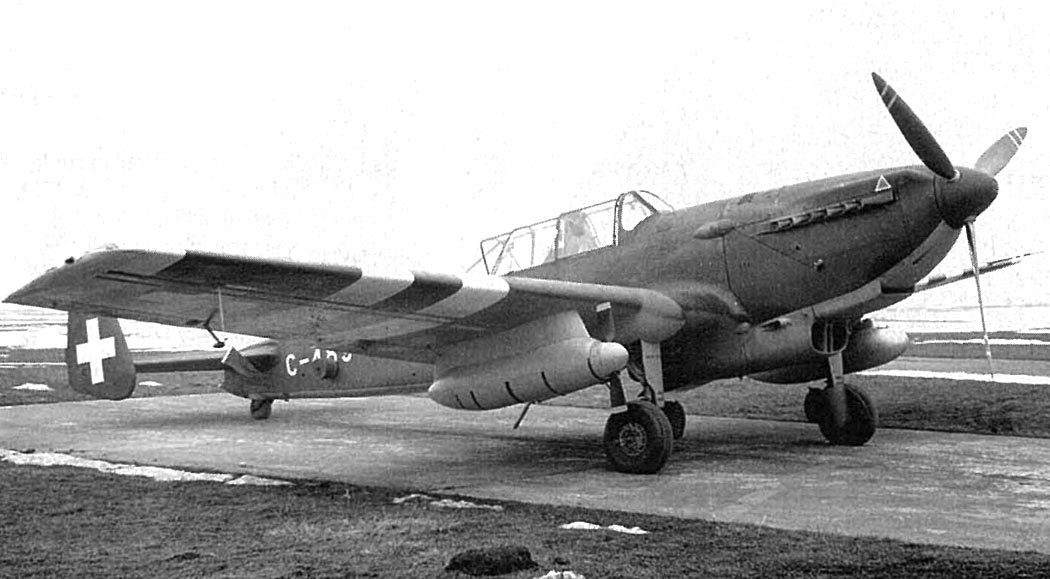
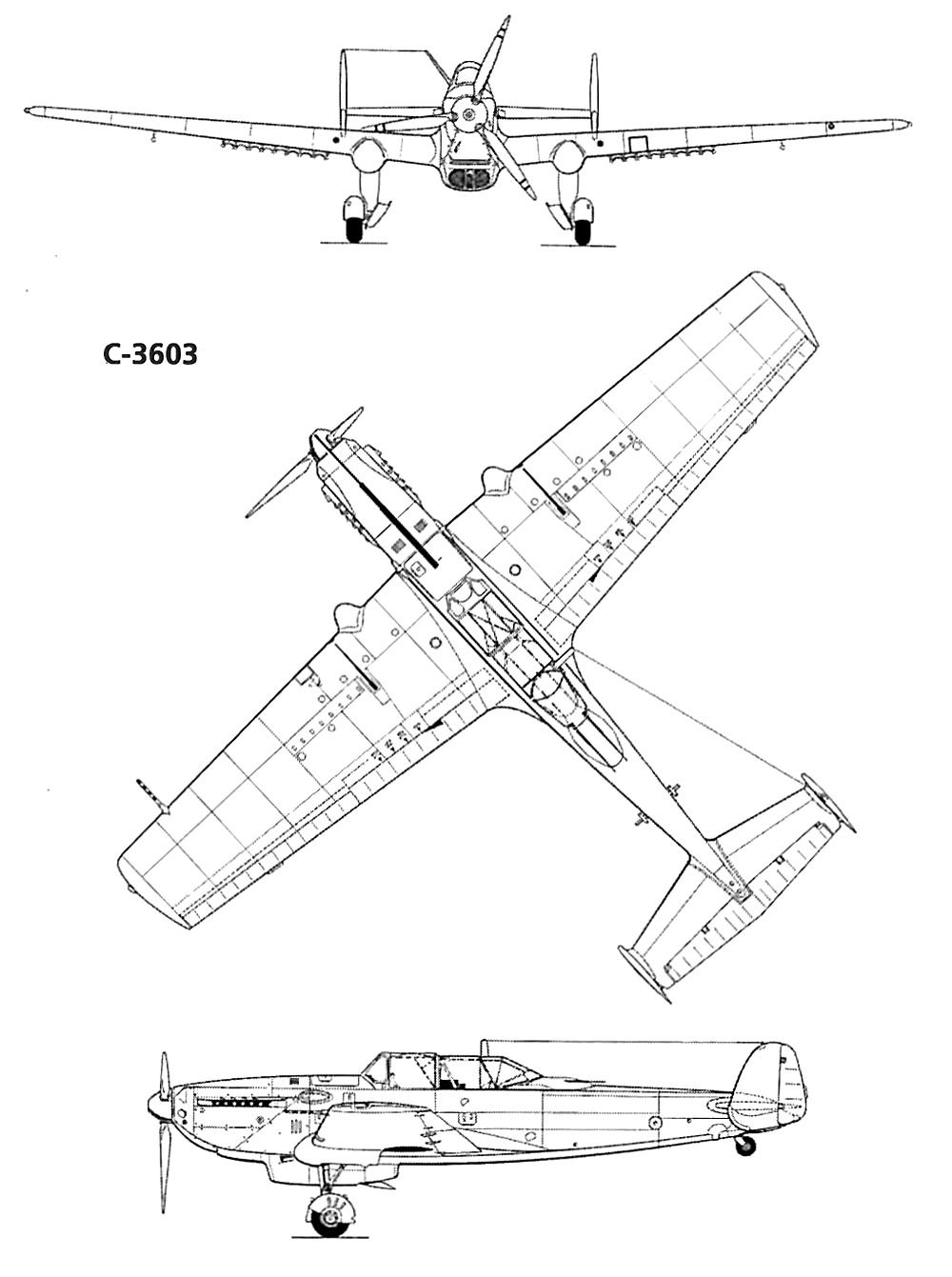
On July 29, a contract for the delivery of 57 aircraft was signed. As the KTA demanded that the horizontal flight speed be increased to 470 km/h, it was decided to equip the aircraft with retractable landing gear. The first 10 machines of the pre-production series, designated C-3603-0, received this modification. The upgrade proved successful: the maximum speed increased to 476 km/h. Additionally, the armament on these machines was enhanced: instead of a single defensive machine gun, a “twin” (pair) was installed, and 8 hardpoints were placed under the wing for suspending 400 kg of aerial bombs ranging from 1.5 to 200 kg.
The lead aircraft of the pre-production series (tail number C-401) made its first flight in Thun on September 23, 1941, and was kept by EKW. Between February and May 1942, 9 more machines (C-402-C-410) were delivered and transferred to units for familiarization. Meanwhile, the military returned the C-3602 prototype to Thun, where it was used for various ground tests for a long time.
Wartime Operations and Notable Incidents
The first reports about the aircraft from the units were alarming: pilots reported vibrations at high speeds. In Thun, this was taken very seriously, and a special testing program was initiated on C-401. On June 6, 1942, during an accelerated dive, the aircraft’s wing disintegrated, and it crashed. The crew, consisting of Captain Jean Roubaty and Lieutenant Hans Enderli, perished. During the investigation, specialists concluded that the cause of the disaster was wing flutter, caused by the rounded wingtips. The wing was modernized by “clipping” the wingtips, reducing its span and area. The flutter problem was successfully resolved.
However, 25 more aircraft were built in the previous configuration, and these machines were equipped with defensive installations featuring a single machine gun. All other production units, known as C-3603-1, were manufactured with the modernized wing. In July 1941, the order for the C-36 grew to 200 machines, but in April 1942, it was reduced to 150. Production took place from May 1942 to June 1944 at the factories of Eidgenössischen Flugzeugwerk (F+W), Dornier Flugzeug, and Pilatus Flugzeugwerk, located in Emmen, Altenrhein, and Stans. Over these years, 141 units were built (C-411-C-552), and between November 1947 and April 1948, 6 more aircraft (C-555-C-560) were assembled from remaining components.
The C-3603 aircraft began entering service in January 1943, when they were received by the 16th and 17th Aviation Companies. Subsequently, new machines arrived in the 1st, 2nd, 10th, and 11th Companies. The absence of two-seater trainers prolonged the C-3603’s familiarization process. This may be why the outdated C-35s continued to serve in units for almost the entire war. During the war in Europe, C-3603 crews typically flew border patrols and intercepted intruders. According to official data, they recorded neither combat successes nor losses, though 11 aircraft were destroyed in accidents and crashes.
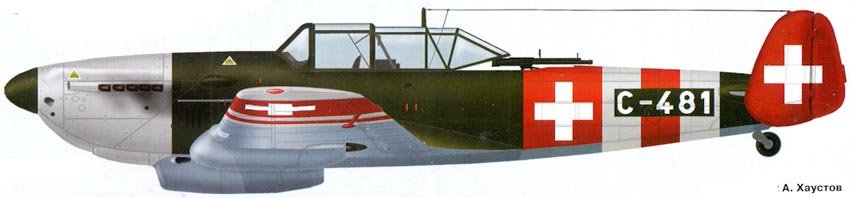
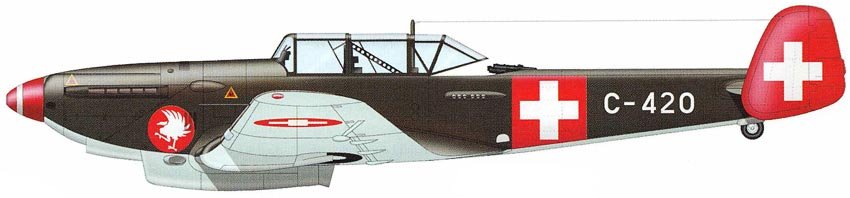
At the same time, the combat history of the 359th Fighter Group of the US Army Air Forces records an engagement on September 10, 1944, where Lieutenant Kenneth I. Hobson of the 369th Squadron, covering a B-24 raid on Stuttgart, fought a pair of aircraft in his Mustang. The pilot reported that the aircraft he engaged were “entirely painted black, looked like P-40s, had twin tails similar to a B-25, and carried insignia in the form of white crosses on a red background.” The American clearly described Swiss C-3603s. During the engagement, Hobson fired several aimed bursts at the enemy’s wingman, who tried to maneuver at low altitude but clipped a tree with his left wing and crashed. However, the enemy leader got on the Mustang’s tail and fired at it. Hobson evaded the burst, and the opponent departed. The American claimed the battle took place approximately 110 km north of the Swiss border, deep inside German territory. The Swiss side acknowledges this engagement but states it occurred near Le Rangiers, located within the Confederation’s territory, 5 km from the French and 30 km from the German borders. A pair of C-3603s from the 11th Company fought the Americans, both returning safely to base with only a few bullet holes.
Post-War Adaptations and Enduring Legacy
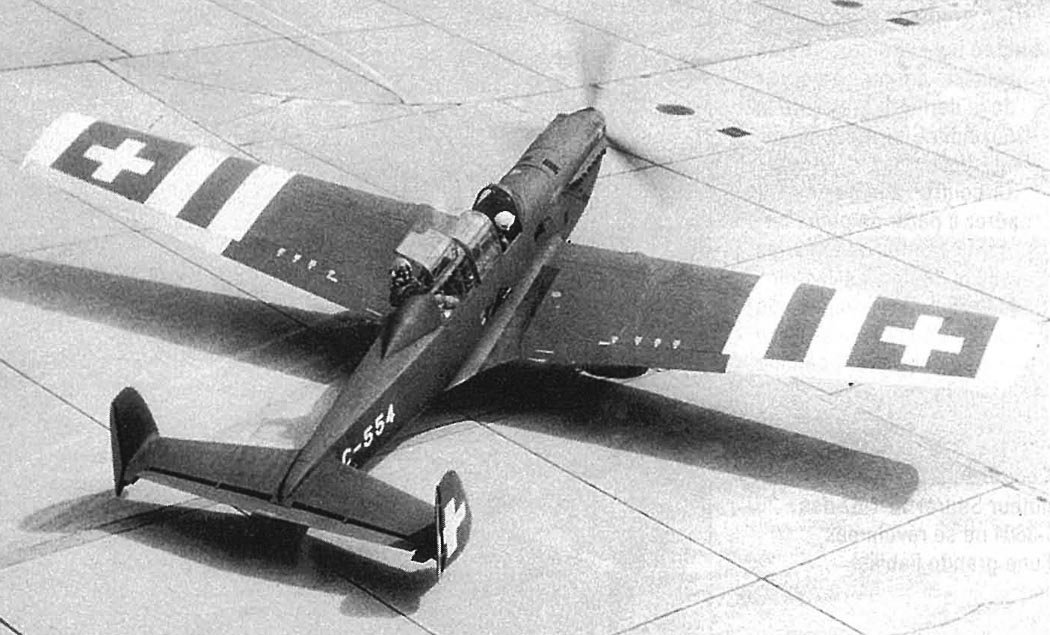
After the war, the service of the C-3603 aircraft continued. Interestingly, in October 1945, aircraft C-553 and C-554 were converted into C-3603-1Tr combat trainers. Their defensive armament was removed, and a flight instructor’s seat was arranged in the navigator’s cockpit. The remaining armament was retained. When the combat C-3603s were decommissioned, the “twins” were disarmed and converted for training target tug crews, and then used as flying laboratories until 1974.
Overall, the C-3603s served in the Swiss Air Force until 1953. During this period, 4 aircraft were lost in accidents and crashes, with 2 pilots killed. An international incident also occurred: on August 9, 1950, one pilot lost orientation and landed C-456 at the Austrian airfield of Götzis in the American occupation zone. C-3604s entered service between November 1947 and June 1951, serving in the 17th Company. Here, underwing rails for 75 mm unguided rockets were installed. Engine problems were never fully resolved, leading to the loss of C-604 in an accident on September 19, 1950. Another, C-613, crashed while under the control of the Pilatus aircraft factory. In 1948, C-606 was used as a tug for the N-20.1 glider, a flying mockup of Switzerland’s first jet aircraft, the N-20 Aiguillon. On February 17, 1956, all C-3604s were decommissioned and soon scrapped.
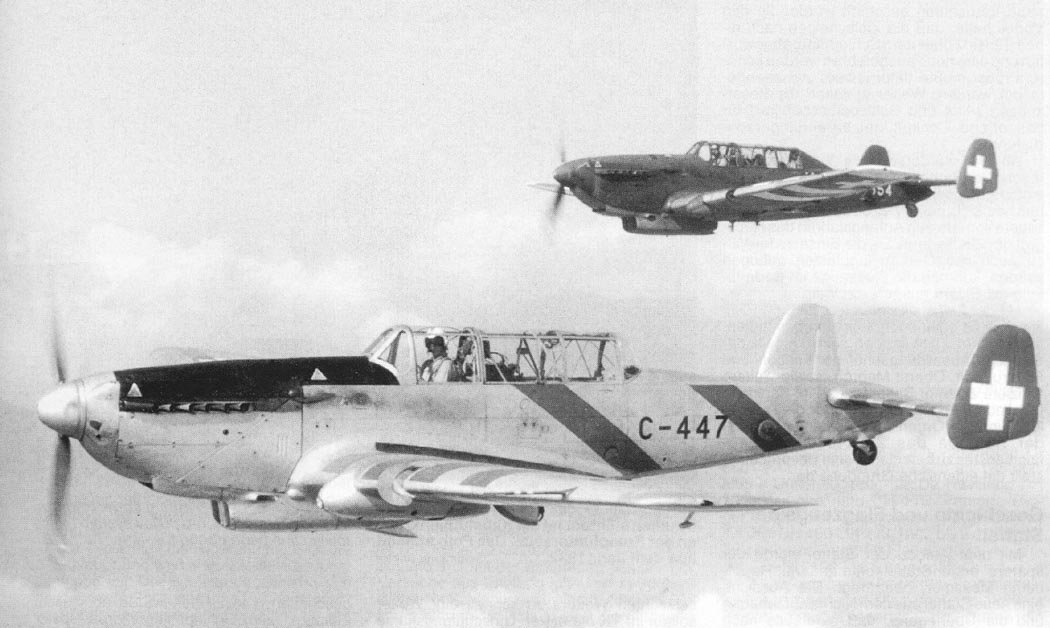
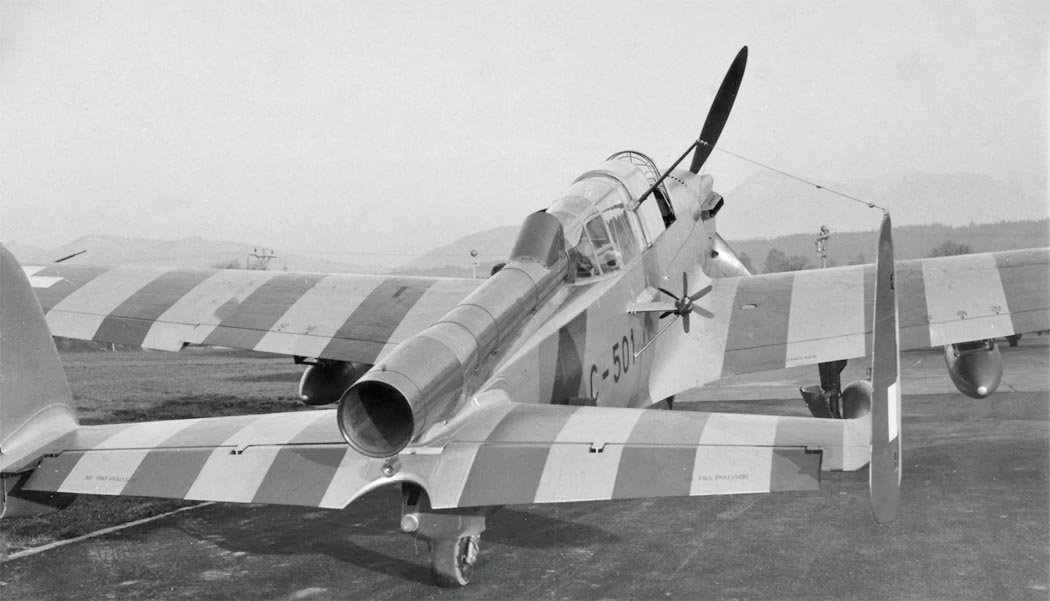
The most worn-out C-3603s were sent for disposal. For the remaining machines, the thrifty Swiss found a more dignified use. As early as 1945, the Military Airfields Directorate converted C-501 into a C-3603-1 Schlepp target tug. The machine was disarmed; a drum with a towing cable was installed behind the second seat, and on the right side, opposite the rear cockpit, a wind-driven drum actuator with a six-bladed impeller was fitted. The cable passed through a tube installed in the tail section above the fuselage. A device for emergency cable cutting was provided. Somewhat later, the wind-driven actuator was moved forward to ensure safe parachute exit for the operator. Between 1946-1950, Farner-Werke in Grenchen converted 20 machines into such tugs. One of them (C-447) was modified for night firing: the aircraft received additional tanks, and 6 neon tubes were installed under the wing, which was covered with a fluorescent compound. This sub-modification was named C-3603-1 Schlepp-Leucht.
In 1953-1954, another 40 aircraft were converted into tugs at factories in Altenrhein and Grenchen. They also received the designation C-3603-1 but differed from the previous batch. They were equipped with a new Jarey SZW-52 system, allowing high-speed target towing. The winch with the cable was located between the pilot and the operator, and the cable with the target was deployed from under the lower part of the fuselage. The wind-driven actuator was located on the right side between the pilot’s and operator’s cockpits.
On one aircraft (C-489), the British Firefly towing system was tested for two years, consisting of an underwing container housing a winch with a 2067-meter cable. In 1955, it was eventually rejected, and C-489 was re-converted to Schlepp. In 1953, the Military Airfields Directorate converted 20 aircraft into C-3603-1 Lastenträger transport-rescue aircraft. Their gun and cannon armament was dismantled, and the bomb racks were adapted for suspending 50 kg metal or 200 kg wooden rescue containers, intended for delivering food, medicine, fuel, etc., to disaster areas. This conversion was prompted by the experience of using C-3603 in the winter of 1951, when much of Southern Switzerland was cut off from the rest of the country by numerous avalanches. In their new role, the converted aircraft served until the early 1960s, when they were replaced by helicopters more suitable for rescue tasks.
At least two aircraft (C-534 and C-537) became exhibits in Swiss museums. A couple more ended up in private hands and remain airworthy. Additionally, in 1990, a group of enthusiasts from Dübendorf decided to restore one of the aircraft to flying condition. C-547, built in 1943 and later upgraded to C-3605 level, was chosen. On April 12, it was delivered to Dübendorf, where restoration work began and continued until August 17 of the following year. Total labor costs amounted to 3400 hours, but the machine was restored to its original C-3603 appearance. On September 2, pilot Ueli Hausermann took it into the air. Since then, the aircraft periodically participates in various airshows.
Analysts evaluating the C-36 usually note that it was morally outdated even at the time of its appearance. For example, as an air combat aircraft, it was inferior in performance to all types of fighters of both warring sides appearing in Swiss skies, and could barely keep up with bombers. As a light bomber, the C-3603 was similar to “outmoded” aircraft by the time of its entry into service, such as the Soviet Su-2 or the British Fairey Battle.
However, when criticizing the C-3603, one should not forget that it was the first non-licensed aircraft of purely Swiss design. Its appearance was largely determined by the conditions in which the Confederation found itself on the eve of World War II. And the aircraft turned out not to be so bad. It coped well with its assigned tasks during the war, and crews valued it for its structural strength, unpretentiousness, and flight characteristics. Furthermore, the C-3603 possessed great potential for modernization, which ensured its long operational life. In fact, this machine became the only aircraft in the world created during World War II that served in its air force until the second half of the 1980s.
Technical Specifications
| Modification | C-3603 |
| Wingspan, m | 13.74 |
| Length, m | 10.23 |
| Height, m | 3. 29 |
| Wing area, m2 | 28.40 |
| Empty weight | 2315 |
| Normal takeoff weight | 4085 |
| Engine type | 1 Piston engine Hispano-Suiza 12Y-51 |
| Power, hp | 1 x 1000 |
| Maximum speed, km/h | 476 |
| Cruising speed, km/h | 430 |
| Practical range, km | 680 |
| Maximum rate of climb, m/min | 624 |
| Service ceiling, m | 8700 |
| Crew, crew members | 2 |
| Armament: | one 20-mm cannon, four 7.5-mm MG Browning machine guns, bomb load – 400 kg |
Image and diagram gallery of the EKW C-3603
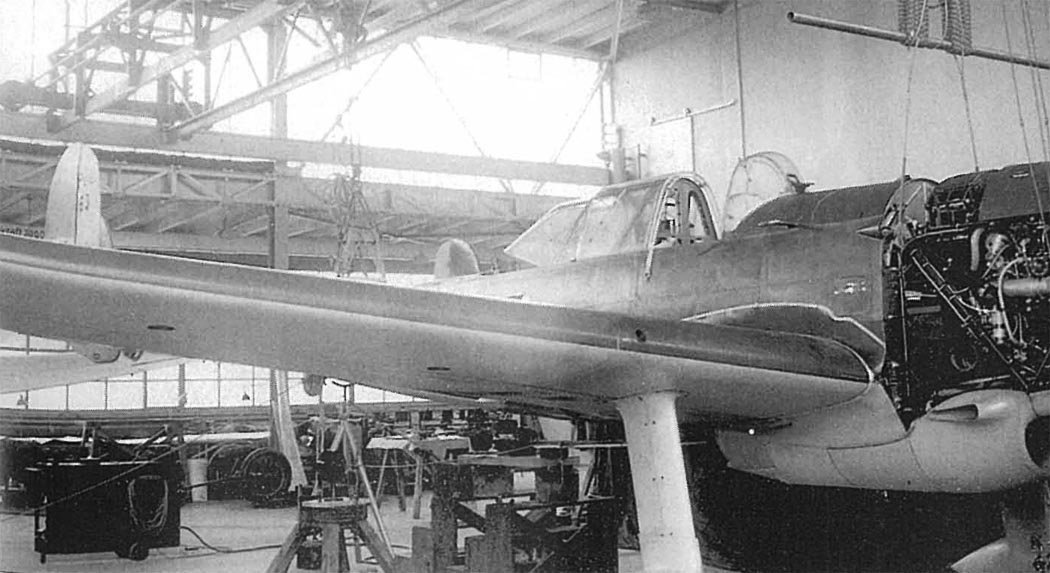 C-3603 |
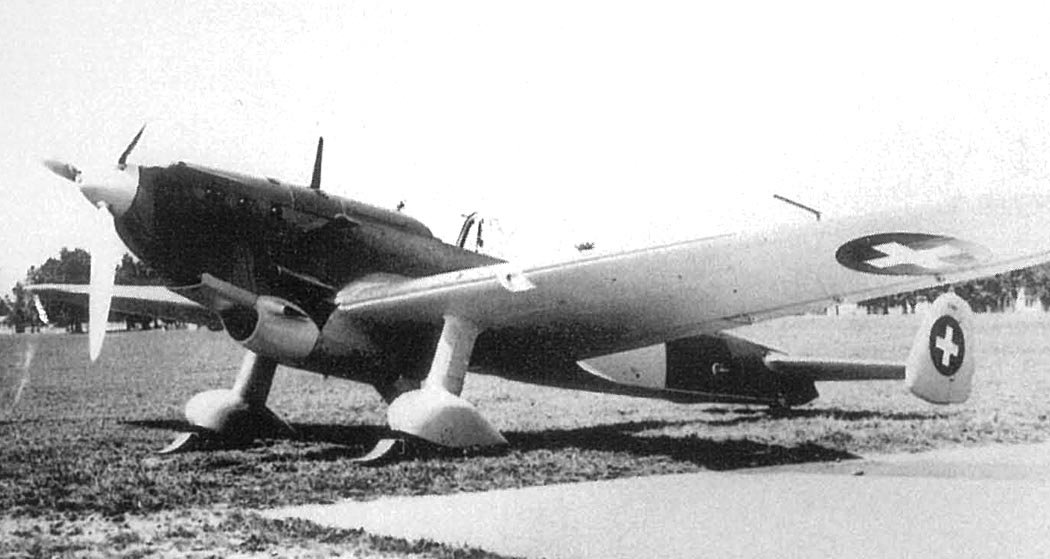 C-3603 |
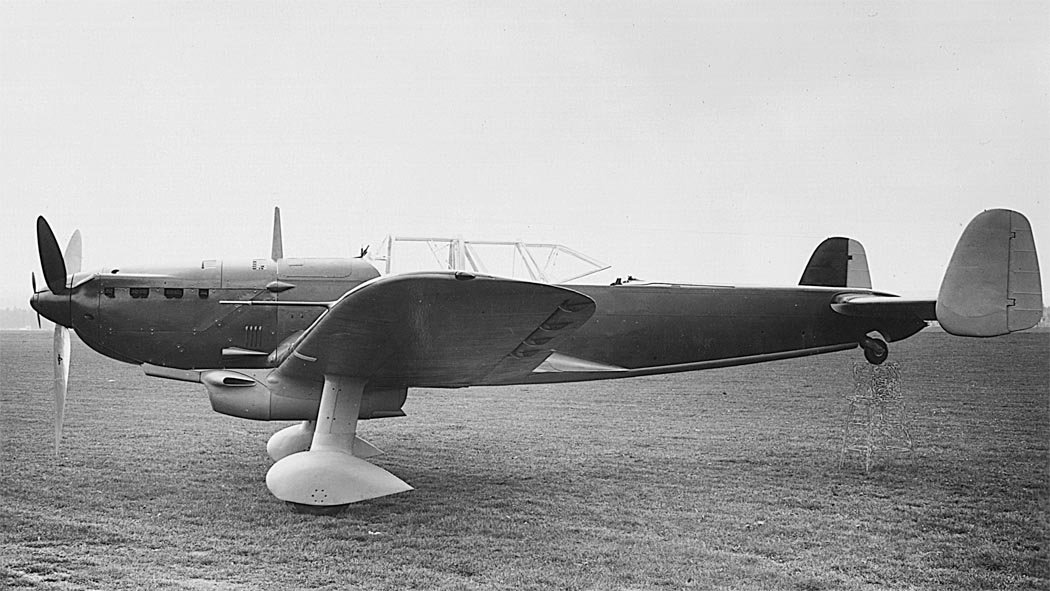 C-3603 |
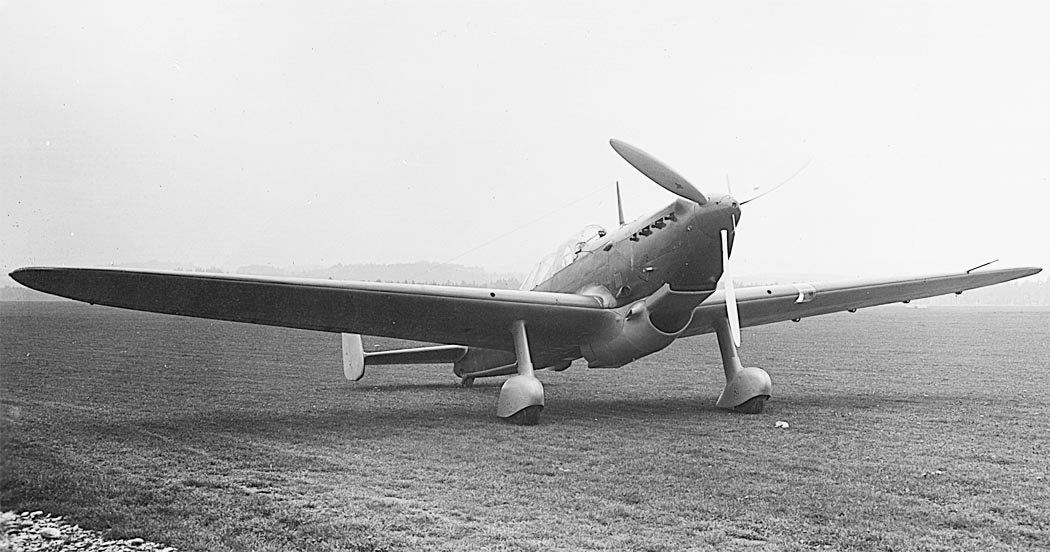 C-3603 |
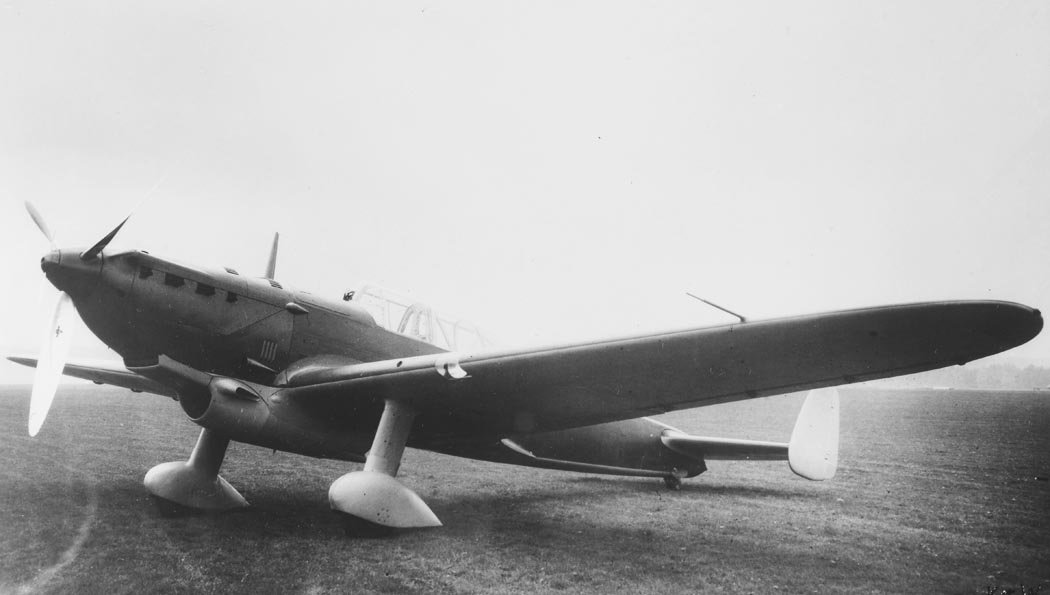 C-3603 |
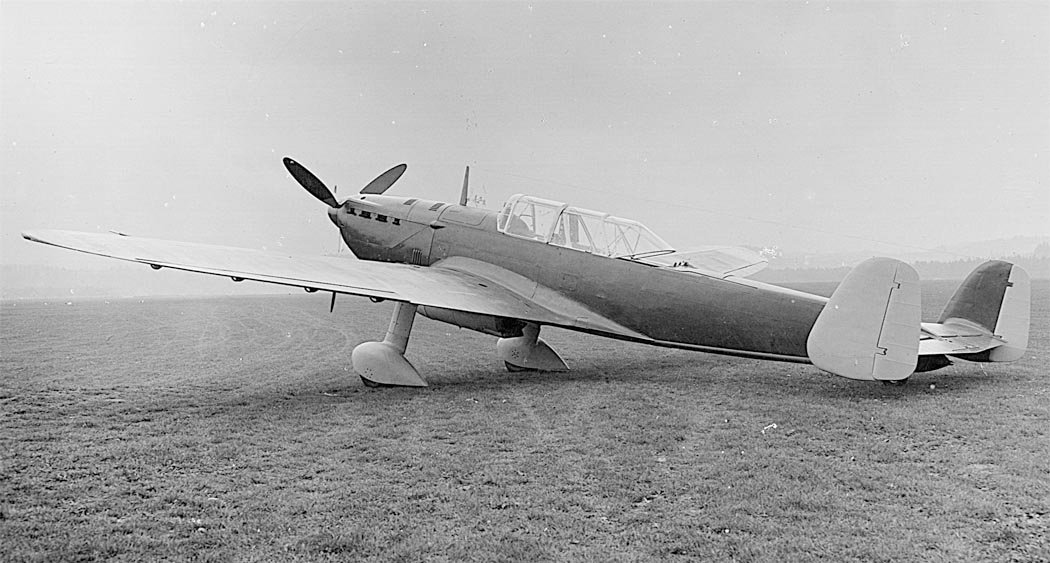 C-3603 |
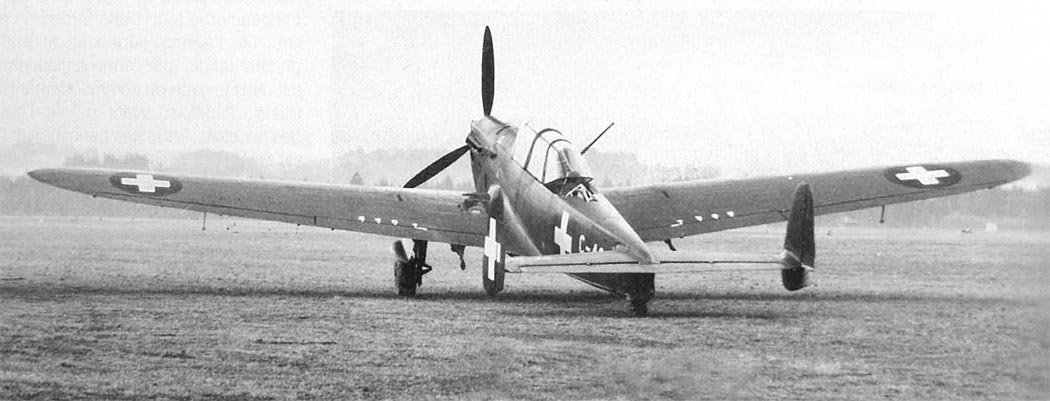 C-3603 |
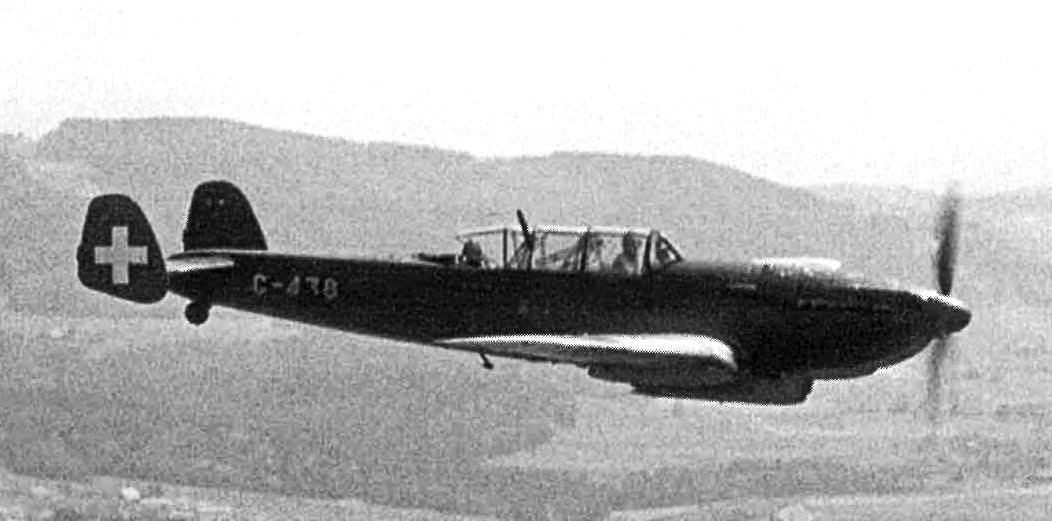 C-3603 |
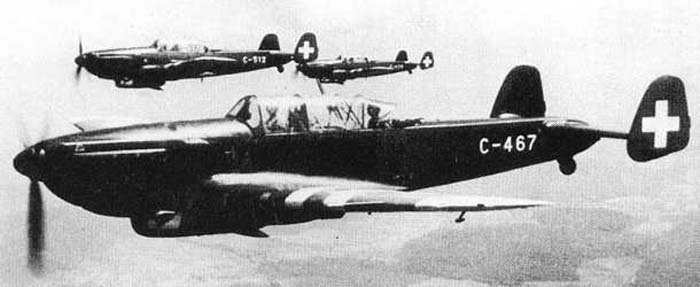 C-3603 |
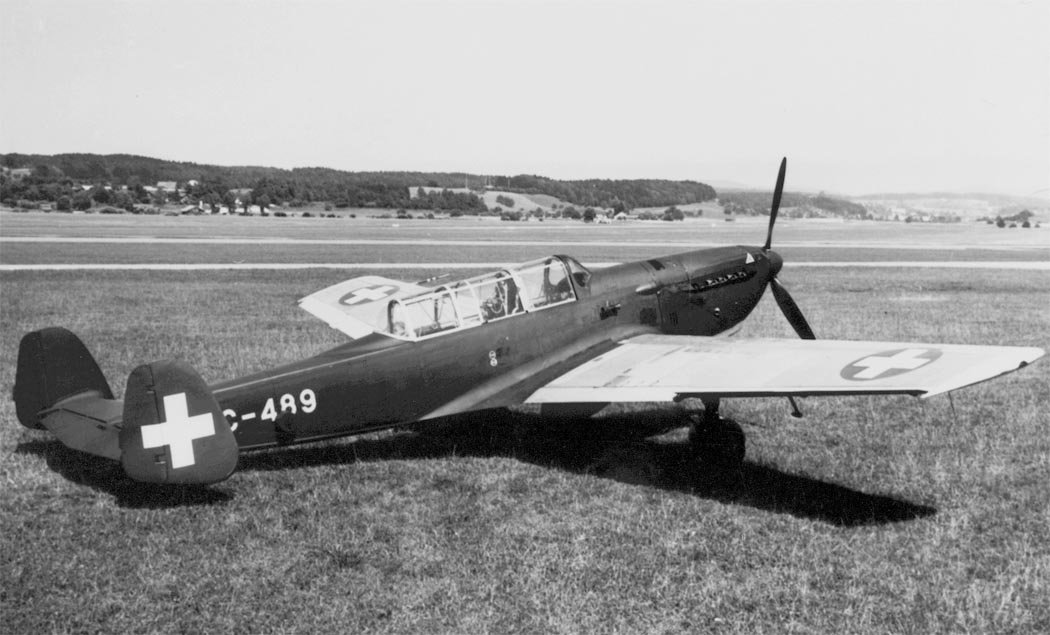 C-3603 |
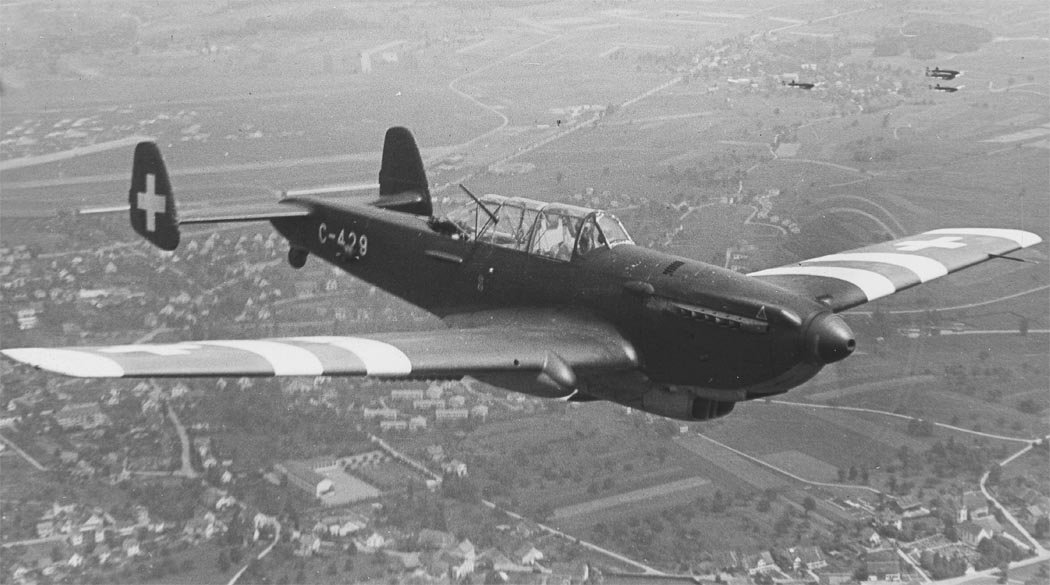 C-3603 |
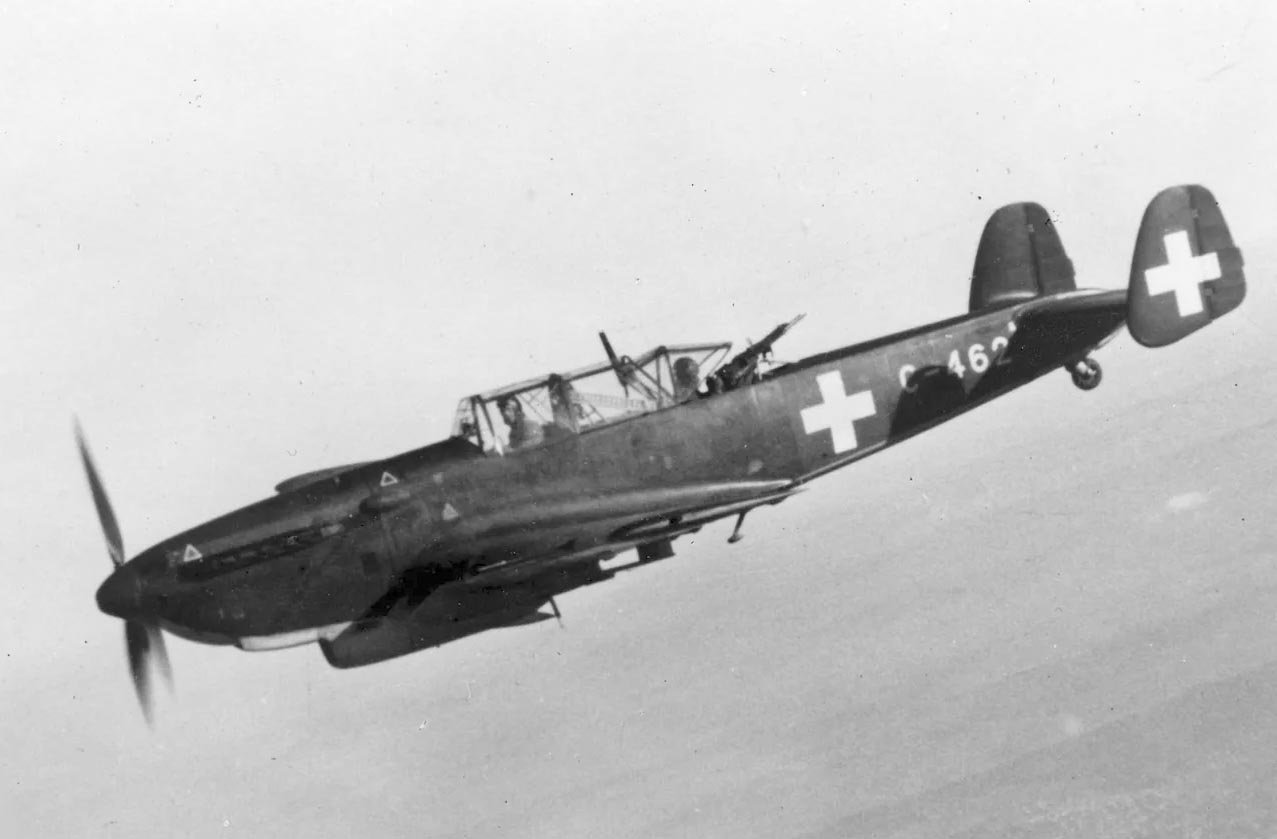 C-3603 |
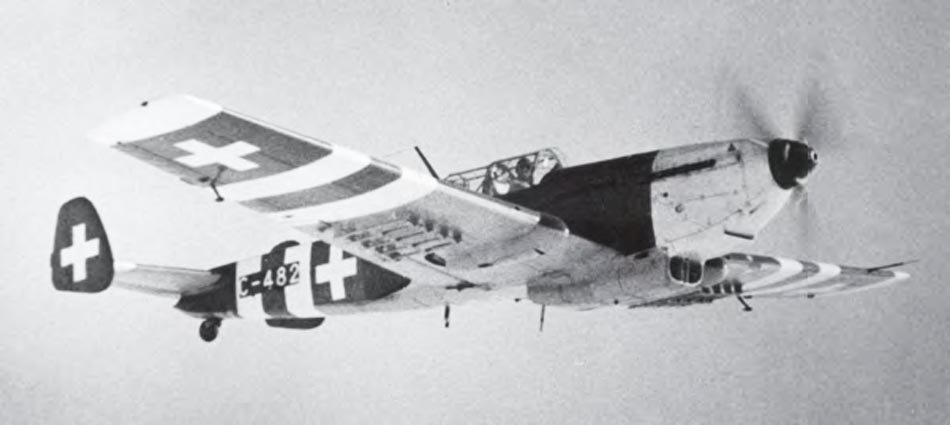 C-3603 |
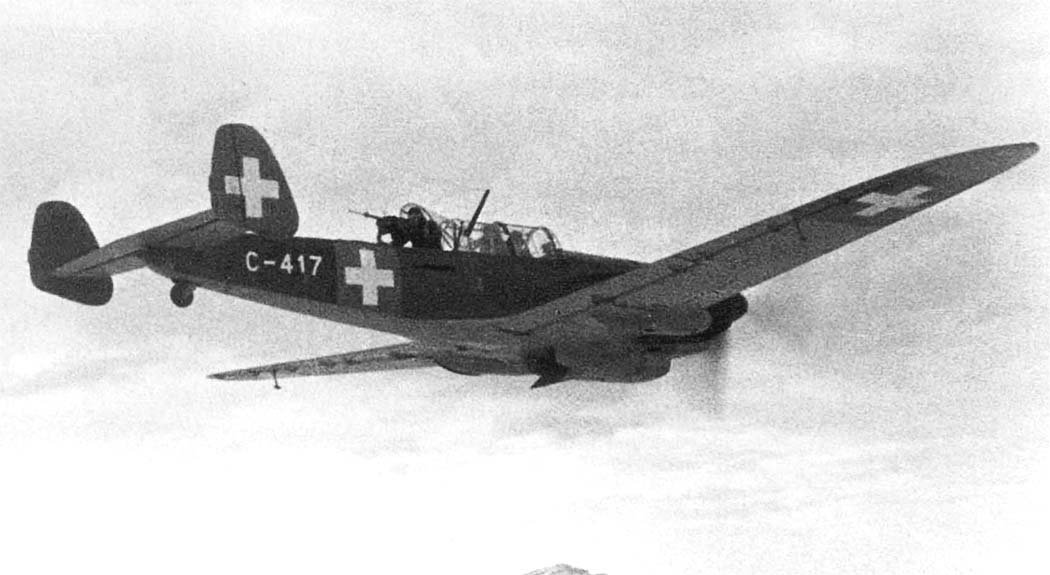 C-3603 |
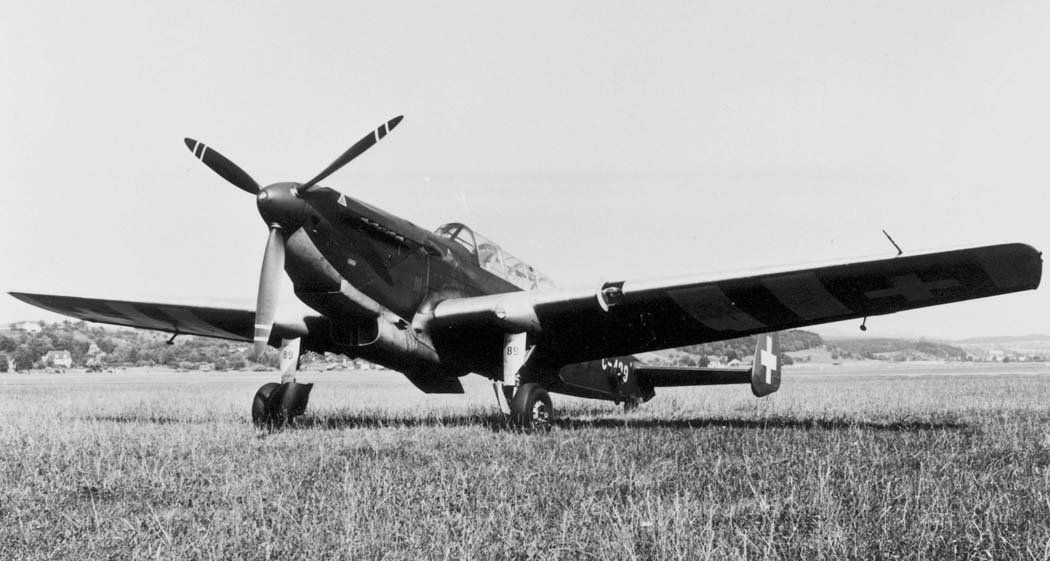 C-3603 |
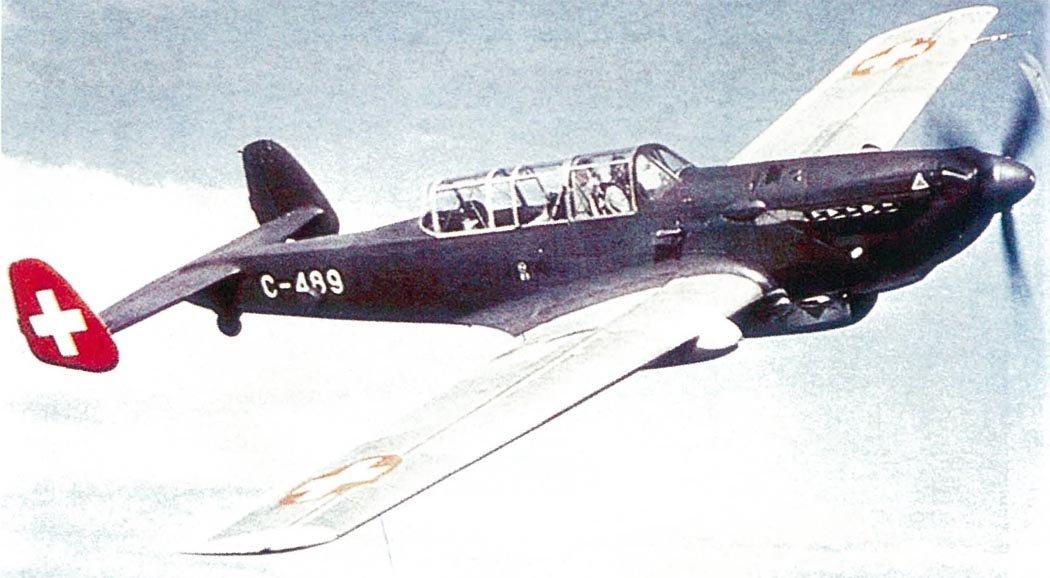 C-3603 |
 C-3603 |
 C-3603 |
 C-3603 |
 C-3603 |
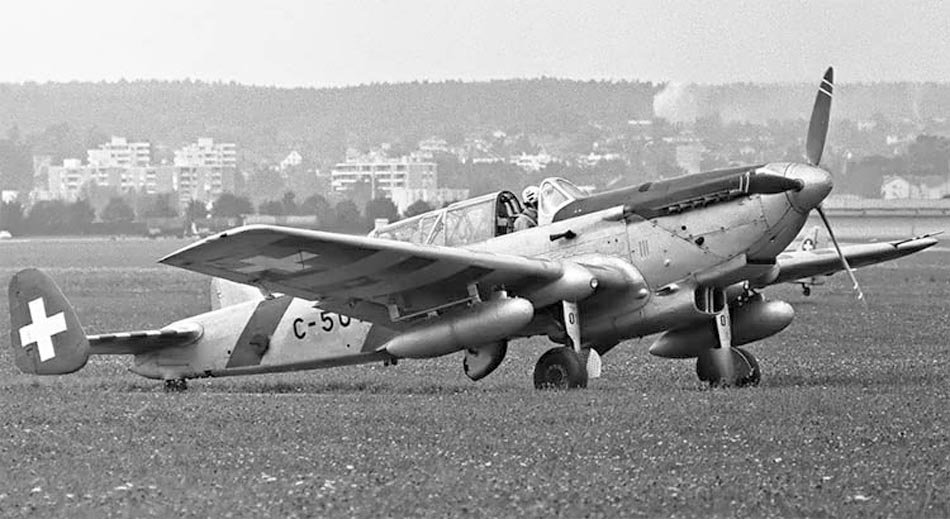 C-3603 |
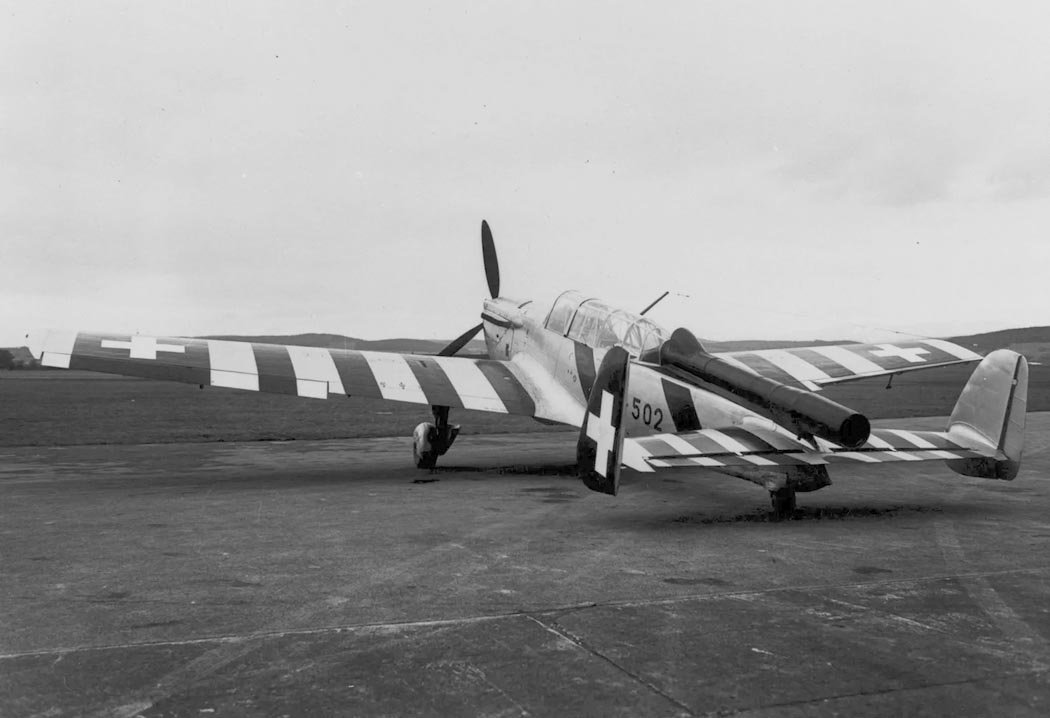 C-3603 |
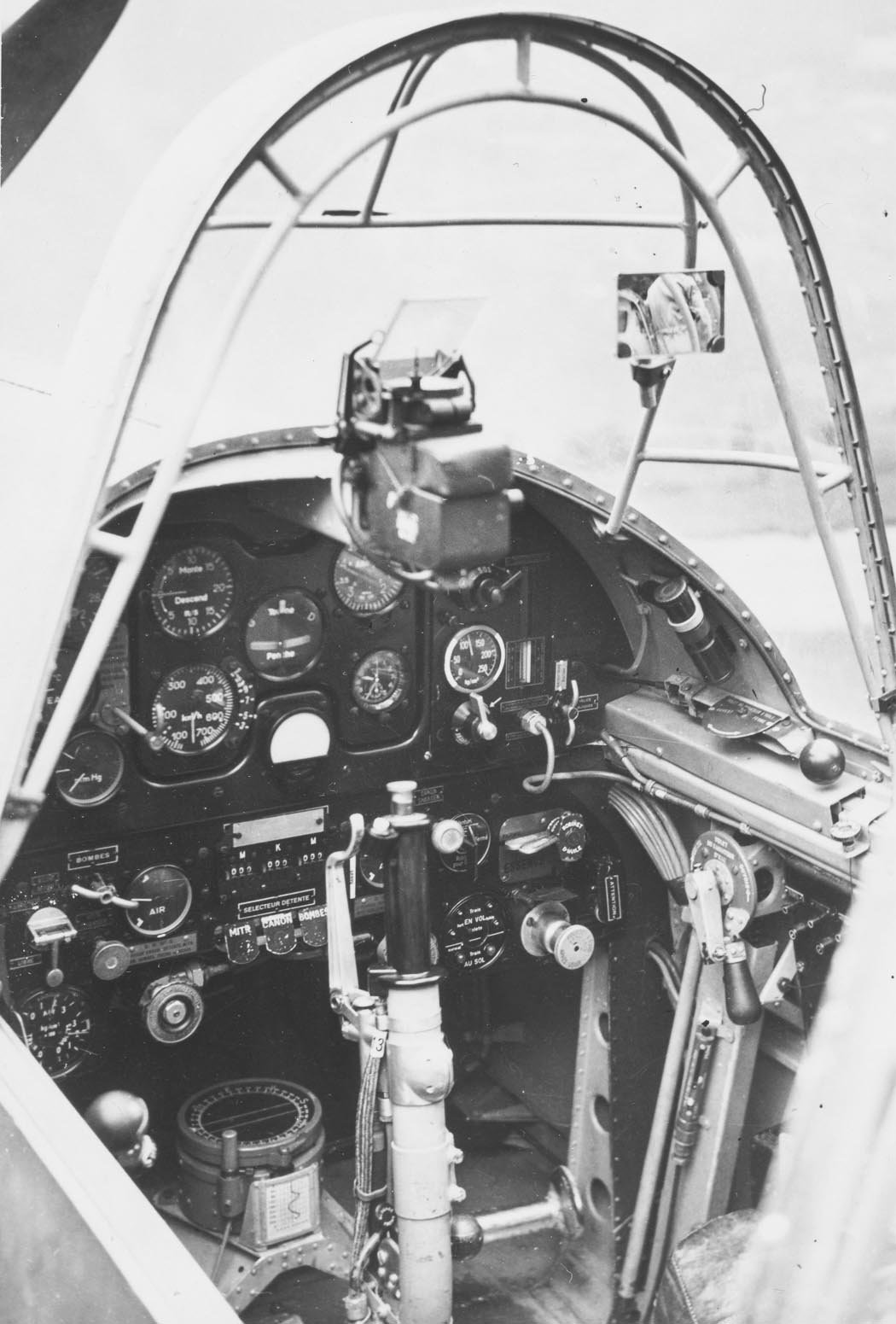 C-3603 |
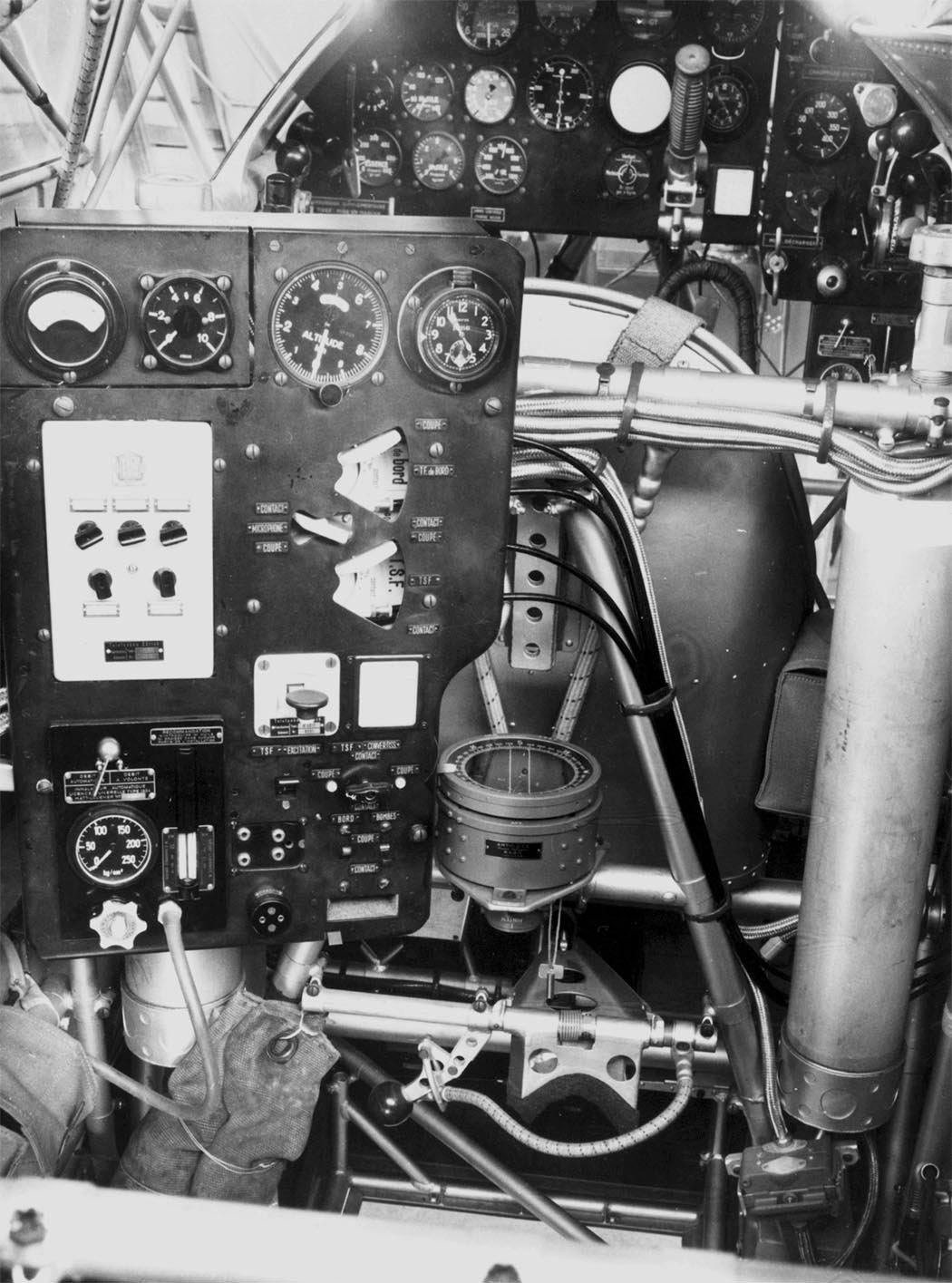 C-3603 |
 C-3603 |
 C-3603 |
 C-3603 |
 C-3603 |