
Igor Alexeev, son of the artist Georgy Alexeev—renowned for his “Ultimatum” poster in the 1930s—began his aviation experiments in the 1920s. Starting in 1924, he constructed several improvised aircraft designs, all powered by an 8 hp JAP motorcycle engine. These early endeavors marked his foray into amateur aircraft construction.
Early Designs and “The Fleas”
Alexeev’s inventive approach involved attaching parts of wings from other aircraft in various combinations to his engine-powered frames. These experimental machines were collectively nicknamed “The Fleas” (Блохи) and appeared in numerous configurations, including monoplanes, mid-wing designs, parasols, biplanes, and high-wing aircraft.
The young designer personally conducted many ground runs, but his aircraft consistently failed to achieve sustained flight. Even the famous pilot K.K. Artseulov attempted to fly them, managing only small hops. While no one expected serious performance from these “little planes,” Alexeev’s initiative and energy were widely praised.
The IgA-2: A Step Forward
In 1926, I.G. Alexeev developed a more refined aircraft, designated the IgA-2, utilizing the same JAP engine. This model was a competently executed single-strut biplane, representing a significant improvement over his earlier “Fleas.”
The IgA-2 performed several flights before sustaining its first major breakdown. Following this incident, the aircraft was not repaired or restored. This marked the end of its operational life.
Technical Specifications
| Modification | IgA-1 |
| Wingspan, m | 4.50 |
| Aircraft length, m | 3.00 |
| Wing area, m2 | 2.50 |
| Empty weight | 65 |
| Maximum takeoff weight | 130 |
| Engine type | 1 Piston engine JAP |
| Power, hp | 1 x 8 |
| Crew, crew members | 1 |
Image and diagram gallery of the IgA-1 Flea
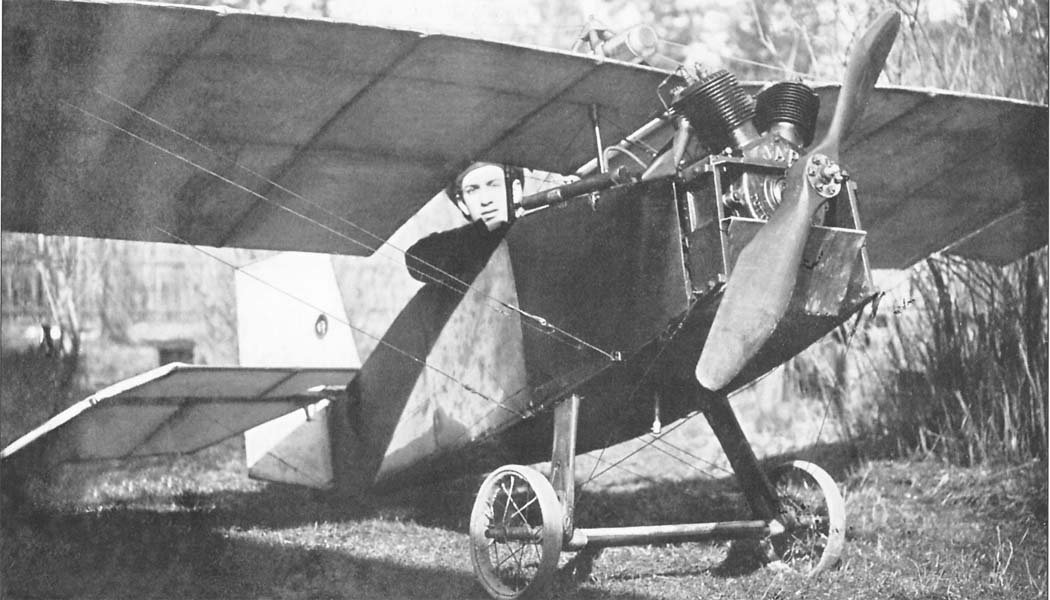 IgA-1 Blokha |