
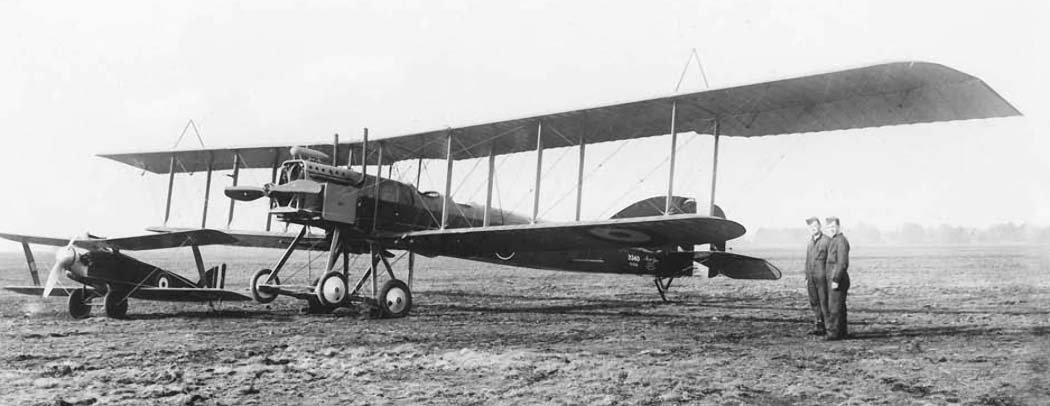
The first purpose-built British bomber was a machine from Short Brothers, aptly named “Bomber.” The aircraft was developed in 1915 following a request from the Admiralty, whose naval command recognized the need for such an aeroplane earlier than their land-based counterparts.
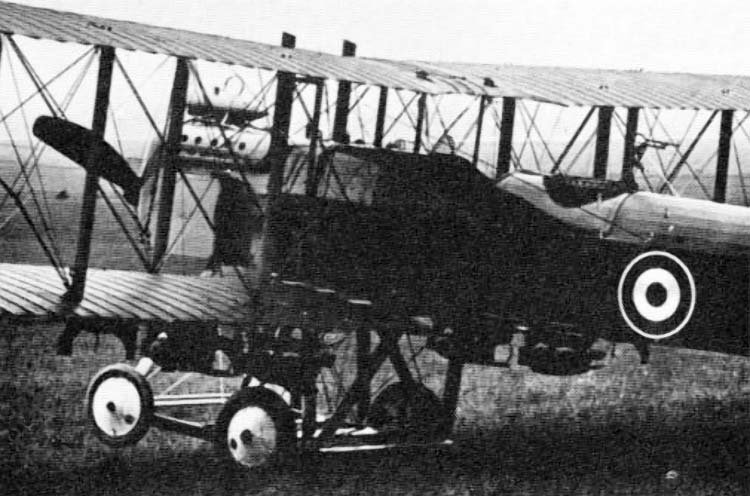
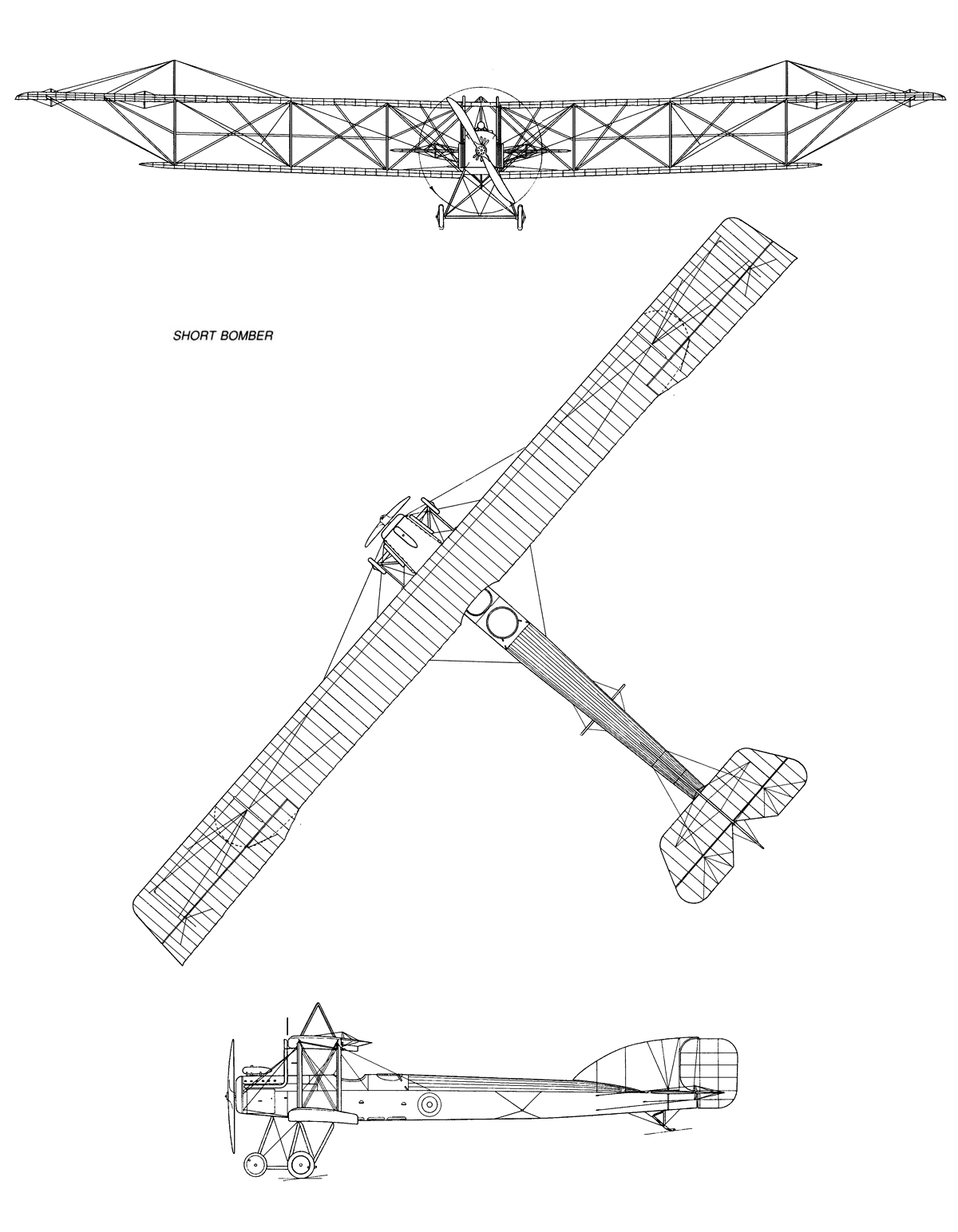
Short Brothers initially specialized in seaplanes, so the “Bomber” emerged from the float-equipped reconnaissance seaplane, the “Short 184.” Its wing structure was slightly modified, span increased, and a wheeled landing gear replaced the floats. The “Bomber” was a three-bay sesquiplane with a wooden frame and fabric covering.
Despite its single-engine configuration, it was the largest aircraft in Great Britain at the time. The wingspan of its upper wing exceeded that of most twin-engined aircraft of World War I.
Design and Development
The crew consisted of two people: a pilot and a gunner-bomber. Initially, the gunner was positioned in the front, but later the crew members swapped places, and a twin-machine gun turret was added to the rear cockpit.
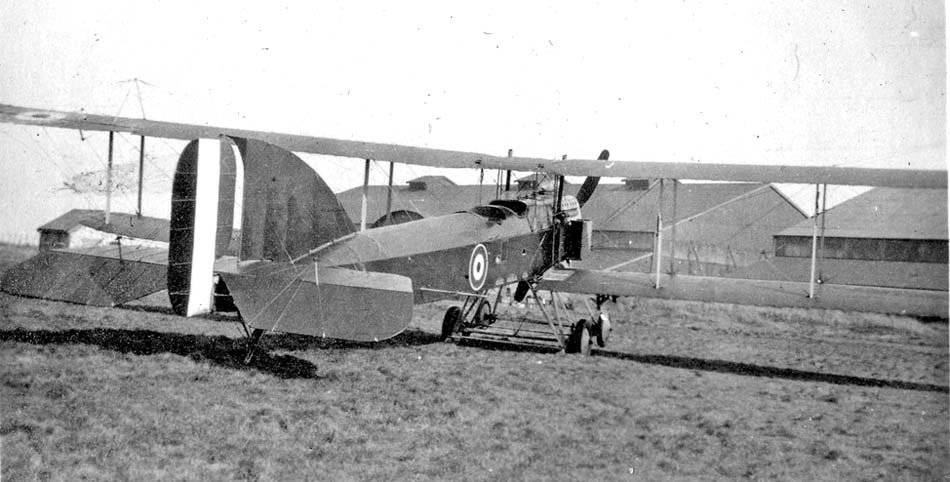
During testing, insufficient longitudinal stability was discovered. To improve this, the fuselage had to be significantly lengthened, and the area of the vertical empennage increased.
Production and Technical Specifications
In 1916, the aircraft entered series production simultaneously at five firms: Short Brothers, Mann Egerton, Parnall, Phoenix Dynamo, and Sunbeam. “Bombers” produced by Sunbeam were equipped with 225 hp engines from the same company, while all others featured 250 hp Rolls-Royce engines.
Short’s designers also focused on enhancing the survivability of their product. Most aircraft were fitted with dual controls and armored fuel tanks.
Operational History and Legacy
The total number of “Bombers” built was relatively small, just 83 units, yet they played a significant role in battles on the Western Front. In the spring of 1916, “Bombers” began to arrive at Royal Naval Air Service (RNAS) units on England’s east coast.
These machines repeatedly bombed enemy ships, ports, submarine bases, and other coastal targets in German-occupied Belgium. They also undertook longer raids into Germany itself. That summer, RFC command requested some bombers from the Navy for an impending offensive on the Somme River.
The Lords of the Admiralty agreed to allocate 15 aircraft, which actively participated in the battle. The combat service of Britain’s first bombers proved to be short. By early 1917, with the emergence of more advanced Handley Page aircraft, the “Bombers” were withdrawn from service. Interestingly, their float-equipped predecessor, the Short 184, served considerably longer.
Technical Specifications
| Modification | Bomber |
| Wingspan, m | 25.90 |
| Length, m | 13.70 |
| Wing area, m2 | 62.20 |
| Empty weight | 2086 |
| Normal takeoff weight | 3084 |
| Engine type | 1 Piston engine Sunbeam (Rolls-Royce) |
| Power, hp | 1 x 225 (250) |
| Maximum speed, km/h | 124 |
| Cruising speed, km/h | 108 |
| Flight endurance, h | 5.00 |
| Rate of climb, m/min | 77 |
| Service ceiling, m | 2890 |
| Crew, crew members | 2 |
| Armament | one 7.7-mm Lewis machine gun on a turret, up to 420 kg of bombs |
Image and diagram gallery of the Short Bomber
 Bomber |
 Bomber |
 Bomber |
 Bomber |
 Bomber |
 Bomber |
 Bomber |
 Bomber |
 Bomber |
 Bomber |
 Bomber |
 Bomber. Photograph: V.Kondratyev |
 Bomber |