
The CAMS 36 racing flying boat was developed in 1921 by the company Chantiers Aeromaritimes de la Seine (CAMS) under a state contract. The aircraft was intended for participation in the 1922 Schneider Trophy international air races in Naples. The CAMS 36 was equipped with an Hispano-Suiza 8Fb V-eight engine producing 360 hp, allowing it to reach speeds of up to 245 km/h.
The CAMS 36 and the Schneider Trophy
Although two examples of the flying boat (with registration numbers F-ESFB and F-ESFA) were planned to participate in the race, held from August 10-12, 1922, a lack of funding forced the French to withdraw. The winner in 1922 was pilot Henry Biard on the Supermarine Sea Lion II (G-EBAH).
Subsequent Participation and Records
The following year, pilot Louis Peltier-Doisy participated in the Schneider Trophy race with a modified variant of the aircraft, the CAMS 36bis (F-ESFC). However, the flying boat collided with a ship right at the start and was eliminated from the competition.
The aircraft’s story concluded on February 2, 1924, when Maurice Hurel, flying the CAMS 36bis, broke the world altitude record for seaplanes weighing less than a ton, reaching an impressive 6338 meters.
Technical Specifications
| Modification | CAMS 3 6 |
| Wingspan, m | 8. 60 |
| Length, m | 7. 75 |
| Height, m | 2.8 0 |
| Wing area, m2 | 20. 00 |
| Empty weight | 945 |
| Maximum takeoff weight | 1260 |
| Engine type | 1 Piston engine Hispano-Suiza 8Fb |
| Power, hp | 1 х 360 |
| Maximum speed, km/h | 245 |
| Cruising speed, km/h | 215 |
| Crew | 1 |
Image and diagram gallery of the CAMS 36
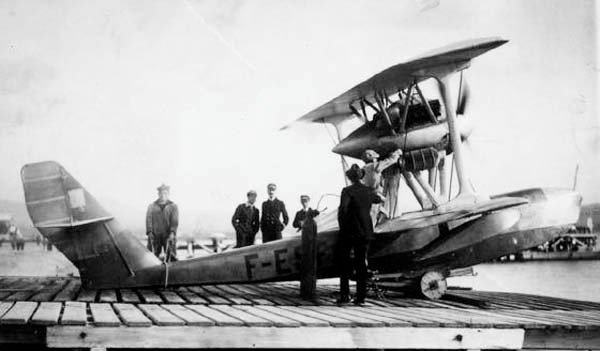 CAMS 36 |
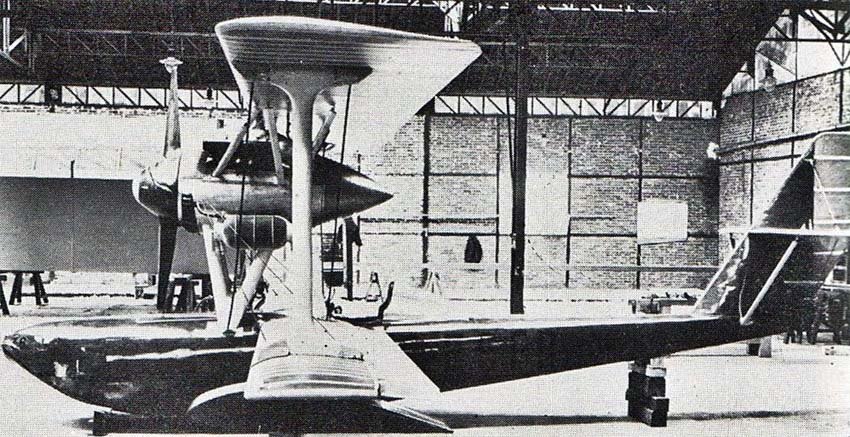 CAMS 36 |
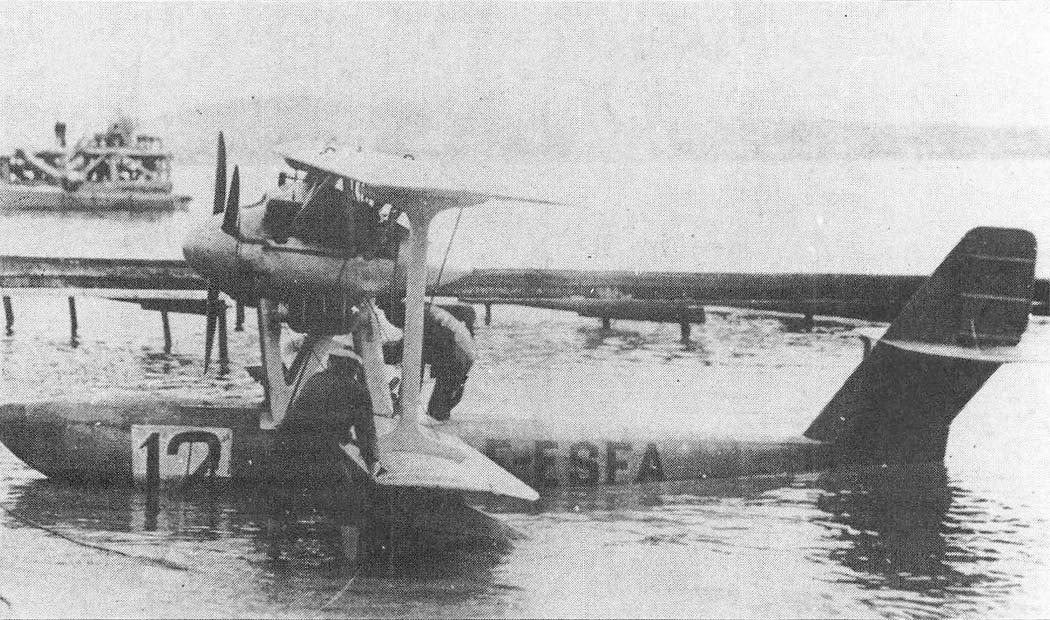 CAMS 36 |
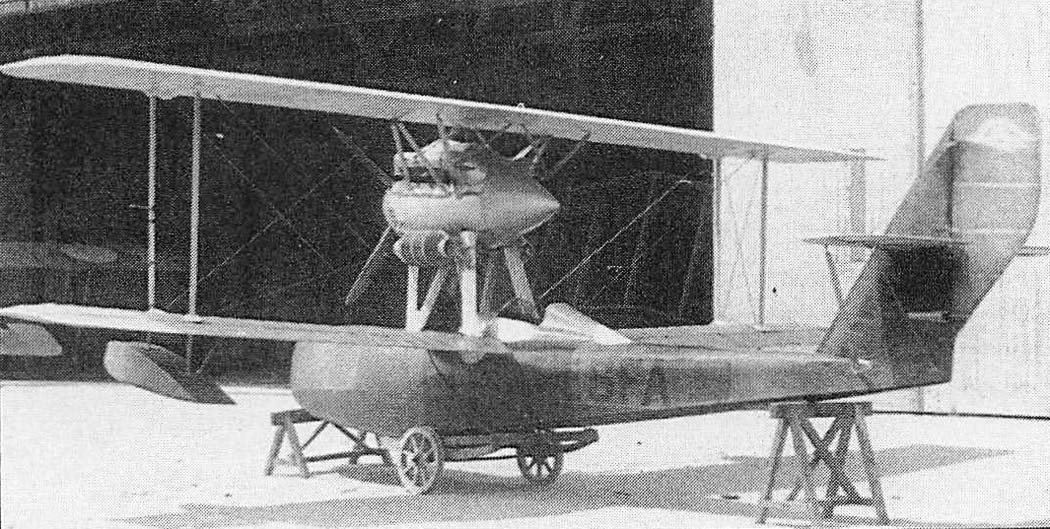 CAMS 36 |
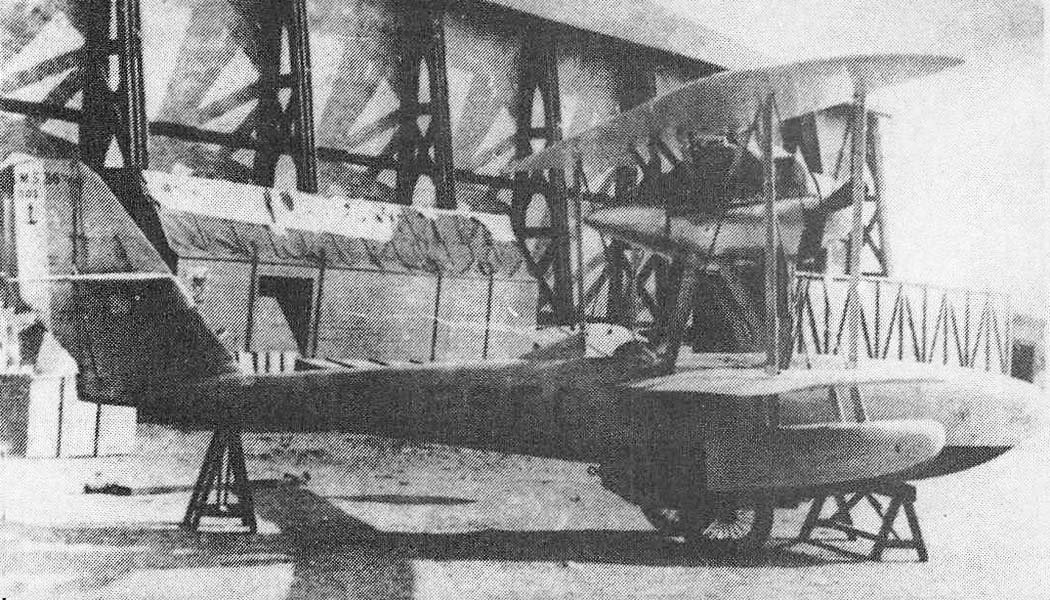 CAMS 36 |
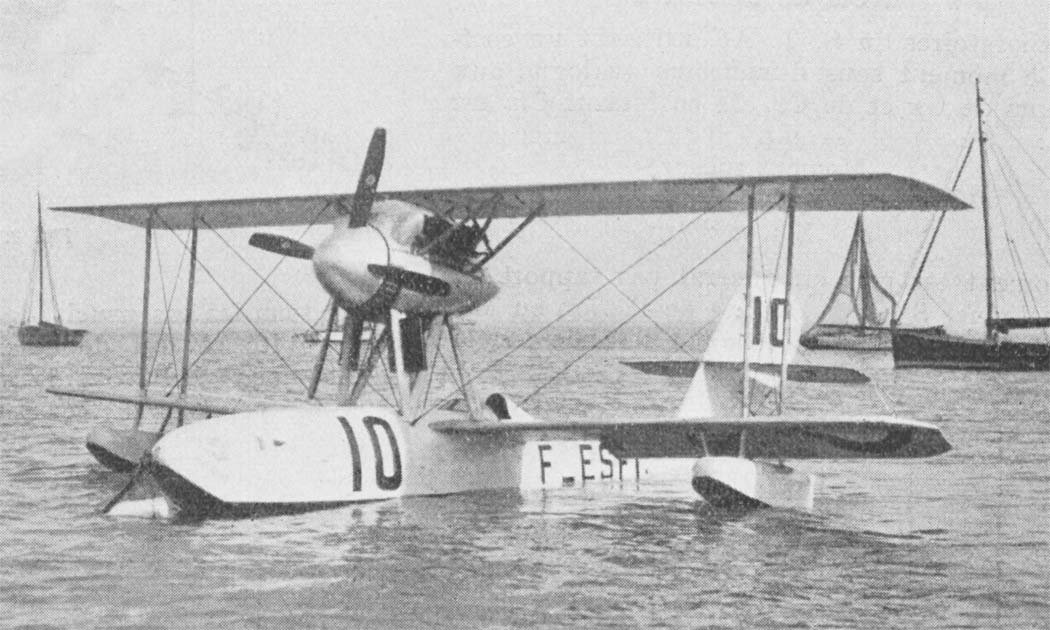 CAMS 36 |
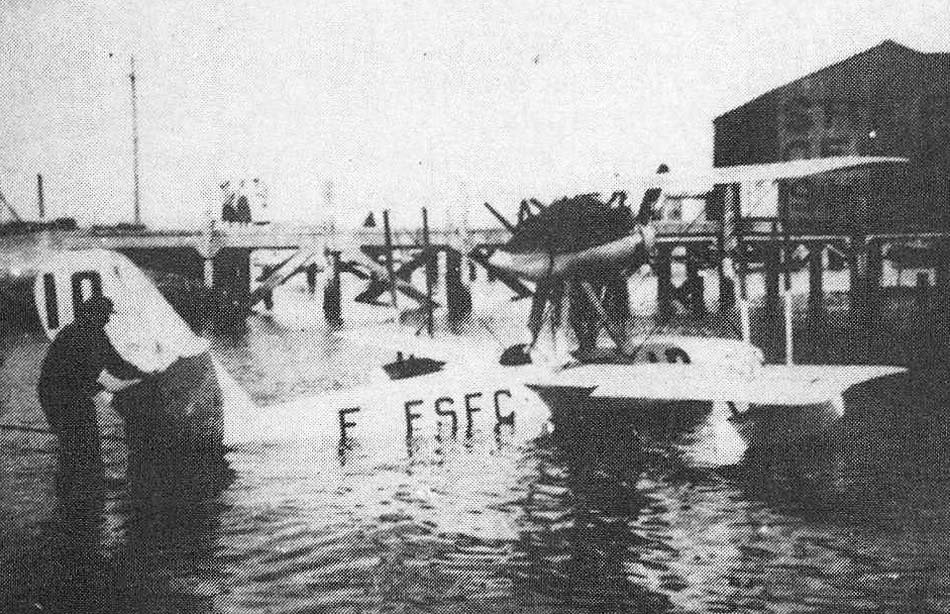 CAMS 36 |
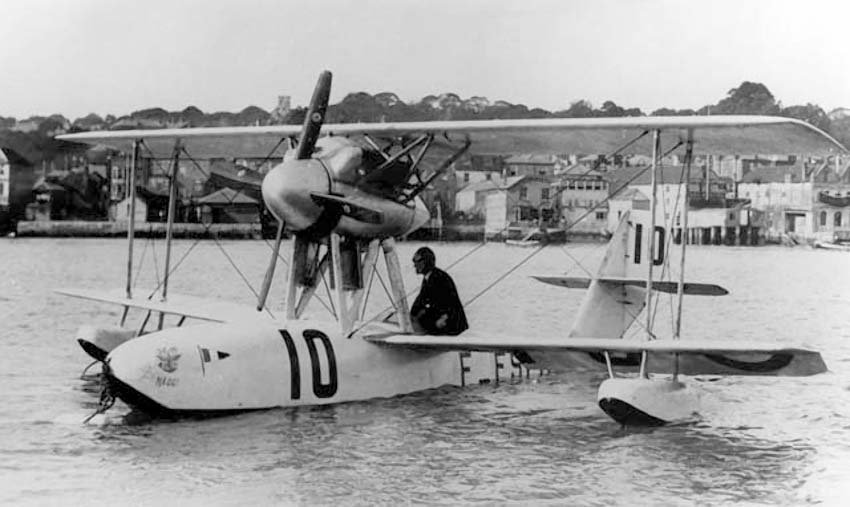 CAMS 36 |