
The Enduring Legacy of the DC-3
The Basler BT-67 is an American cargo-passenger aircraft, produced by Basler Turbo Conversions since the early 1990s. Its development began in the late 1980s, with American aviation engineers opting not to create an entirely new model. Instead, they significantly updated the venerable Douglas DC-3, improving its structure, replacing the powerplant, and extensively redesigning its cabin.
The genesis of the Basler BT-67 lies in a realization by Warren Basler, owner of the small Basler Airlines. His company operated cargo and passenger DC-3s on regional routes across Canada and the US Midwest. As the 1980s progressed, it became clear that a replacement for the aging fleet was needed.
Market searches for an inexpensive aircraft with comparable characteristics proved futile. No other aircraft could match the DC-3’s exceptional takeoff/landing performance or its generous cabin and cargo volume. This situation was understandable: why would anyone develop such a plane when hundreds, even thousands, of DC-3s acquired cheaply after World War II were still operational? Now, however, there was nothing similar available.
Innovation Through Conversion
Driven by the philosophy that “there are no old planes, only poorly maintained ones,” and the DC-3’s renowned maintainability, Basler sought to identify what was hindering his DC-3s’ profitability. The answer was clear: the engines. While the Wright R-1820 Cyclone 9 and Pratt & Whitney R-1830-21 were top-tier in their era, their fuel efficiency and maintenance demands paled in comparison to modern turbofan turbines.
Basler’s solution was to replace the piston engines with turboprops, thereby injecting new life into the old “Dakota.” The critical hurdle was securing funding for the certification of this revamped aircraft, necessitating the identification of a major, albeit potentially speculative, customer.
That prospective customer emerged in the form of FedEx. In the 1980s, FedEx still utilized “standard” cargo DC-3s on routes such as Oshkosh-Detroit-Cleveland and was also actively seeking replacements. Warren Basler, taking a significant risk, decided to finance the “Dakota” conversion work himself, establishing Basler Turbo Conversions.
Global Utility and Specialized Roles
On April 18, 1988, an application was filed for a supplemental type certificate for the DC-3, now equipped with Pratt & Whitney Canada PT6A-67R turboprop engines and Hartzell HC-B5MA-3/ M11276 five-blade propellers. The conversion proved highly successful. Modifications included redesigned engine nacelles, a one-meter fuselage extension, and the installation of modern navigation equipment, resulting in increased payload capacity (up to 5 tons) and extended flight range.
The Basler BT-67 was publicly introduced and made its maiden flight in January 1990. This debut was a significant success for the American aerospace company, with air carriers almost immediately placing orders for several models. While not produced in massive quantities—63 units were built between 1990 and 2014—these aircraft are primarily manufactured to specific orders, with a substantial cost of approximately $7 million, depending on selected components and cabin configurations.
The Basler BT-67 is versatile, serving both passenger and cargo transport needs for multiple airlines in the USA and Canada. It can carry up to 38 passengers in addition to two crew members, capable of flights up to 4100 km. Furthermore, it boasts a substantial cargo capacity of up to 5920 kg, widely utilized for various freight transportation tasks.
Powering the Basler BT-67 are two Pratt & Whitney Canada PT6A-67R turboprop engines, collectively generating 2562 horsepower. This robust propulsion ensures the aircraft can cover maximum distances fully loaded, maintaining a cruising speed of 389 km/h.
The BT-67 has proven its effectiveness in diverse roles, notably in South America where it was instrumental in anti-narcotics operations. It could transport up to 40 personnel (though often fewer, given the arms and equipment carried for “showdowns”) or conduct surveillance flights over the jungle, locating coca plantations and clandestine airstrips. Its relatively quiet turboprop engines, compared to piston alternatives, were a distinct advantage in these stealth-critical missions.
Globally, the Basler BT-67 performs firefighting duties in the USA and Thailand, parachute training (including for the US Air Force), and transport missions in Afghanistan, El Salvador, Guatemala, Mali, Malawi, and Mauritania. It also participates in anti-drug and counter-insurgency efforts in Colombia, conducts geophysical research in the USA and South Africa, and even engages in rainmaking in Thailand. Specialized polar versions are operated by Canadian Kenn Borek Air and ALCI Aviation, including two for Germany’s Alfred Wegener Institute for Polar and Marine Research, which use them for geophysical studies like measuring ice thickness with a towed probe. Another BT-67 was custom-built under the German flag.
A notable example is the aircraft ordered by Clean Gulf Associates, which operates over the warm waters of the Gulf of Mexico, based at Houma-Terrebonne Airport in Louisiana alongside its piston-engine predecessors and DC-6s. This machine, equipped with a dispersant spraying system and 4500-liter tanks of “magical liquid,” flew numerous critical missions to combat the oil spill caused by the BP Deepwater Horizon accident.
Technical Specifications
| Modification | BT-67 |
| Wingspan, m | 28.95 |
| Aircraft length, m | 20.65 |
| Aircraft height, m | 5.15 |
| Empty weight | 7121 |
| Maximum takeoff weight | 13041 |
| Fuel | 1740 |
| Engine type | 2 Turboprop engines Pratt & Whitney Canada PT6A-67R |
| Power, ehp | 2 x 1281 |
| Maximum speed, km/h | 425 |
| Cruising speed, km/h | 389 |
| Practical range, km | 4100 |
| Range with maximum payload, km | 370 |
| Service ceiling, m | 7600 |
| Crew | 2 |
| Payload | up to 38 passengers |
Image and diagram gallery of the Basler BT-67
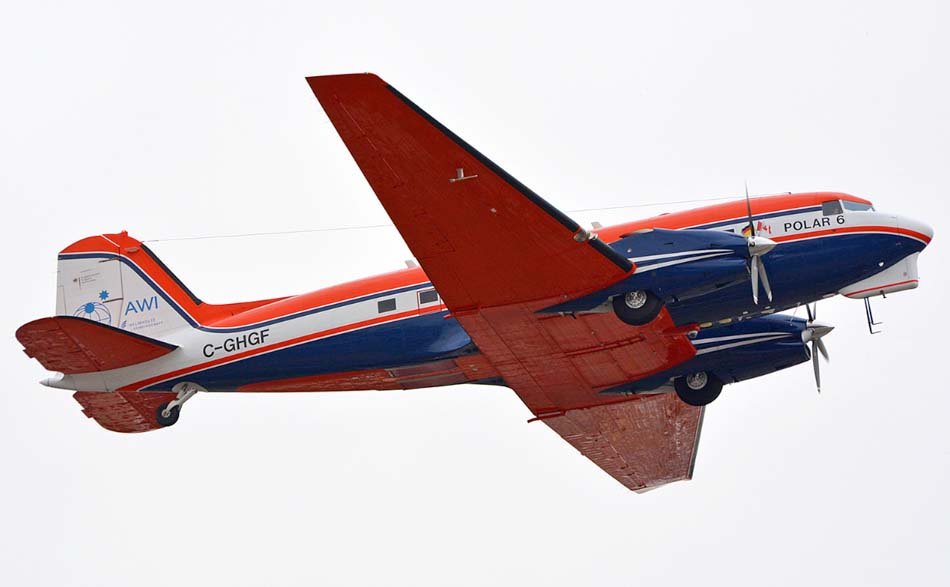 BT-67 |
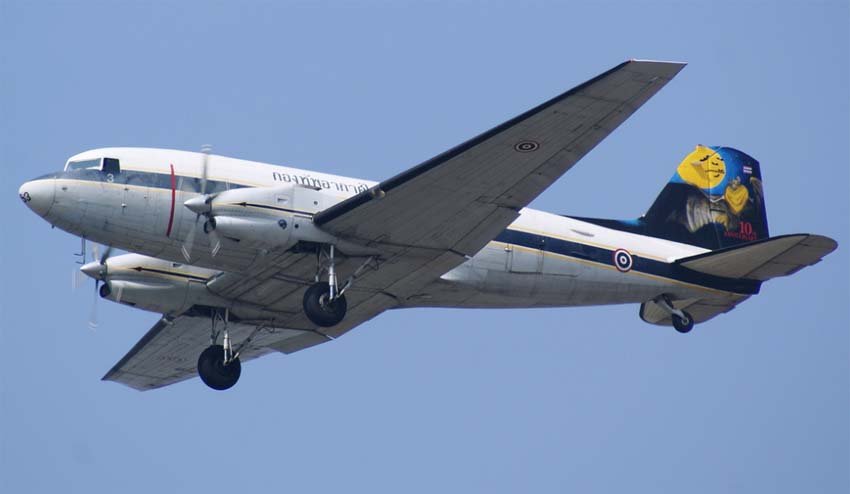 BT-67 |
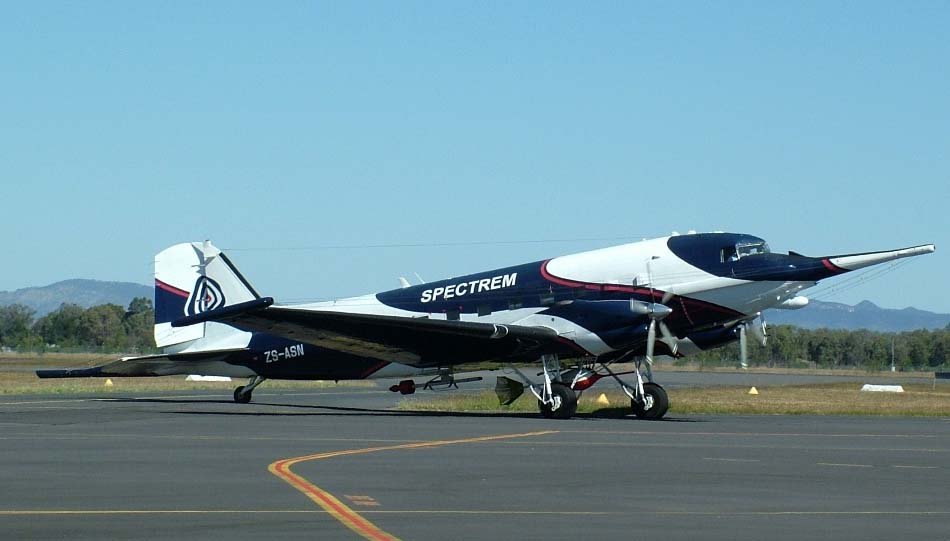 BT-67 |
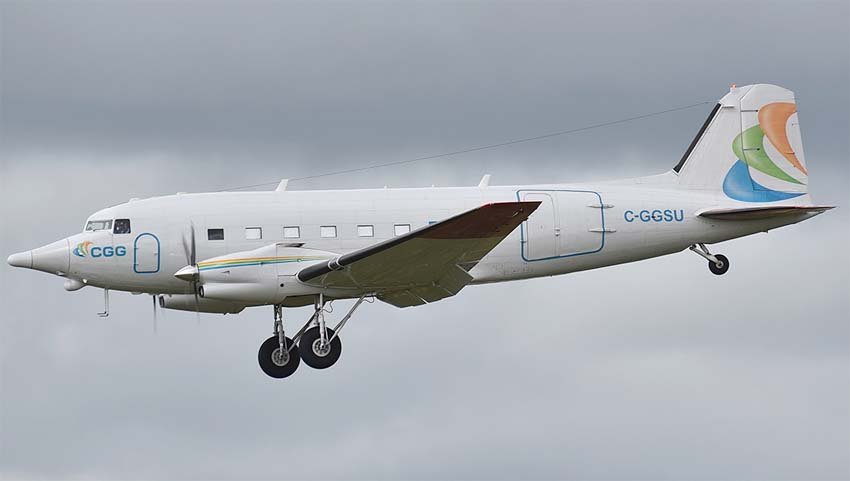 BT-67 |
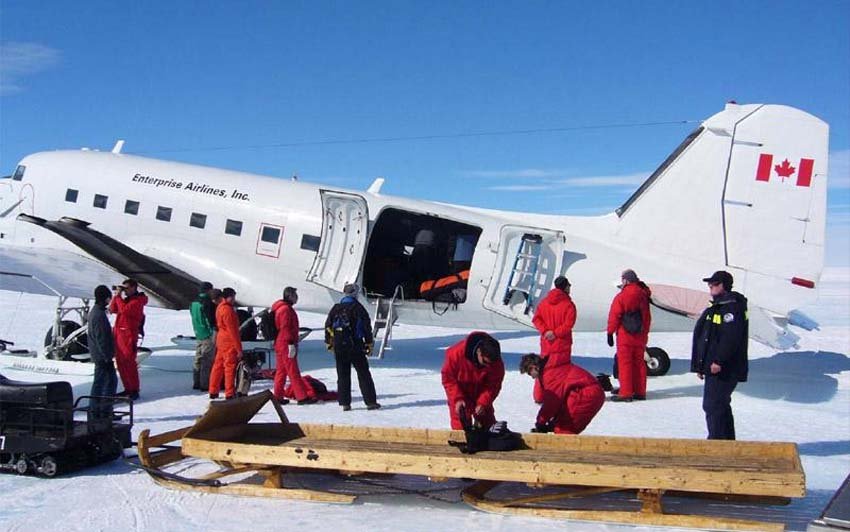 BT-67 |
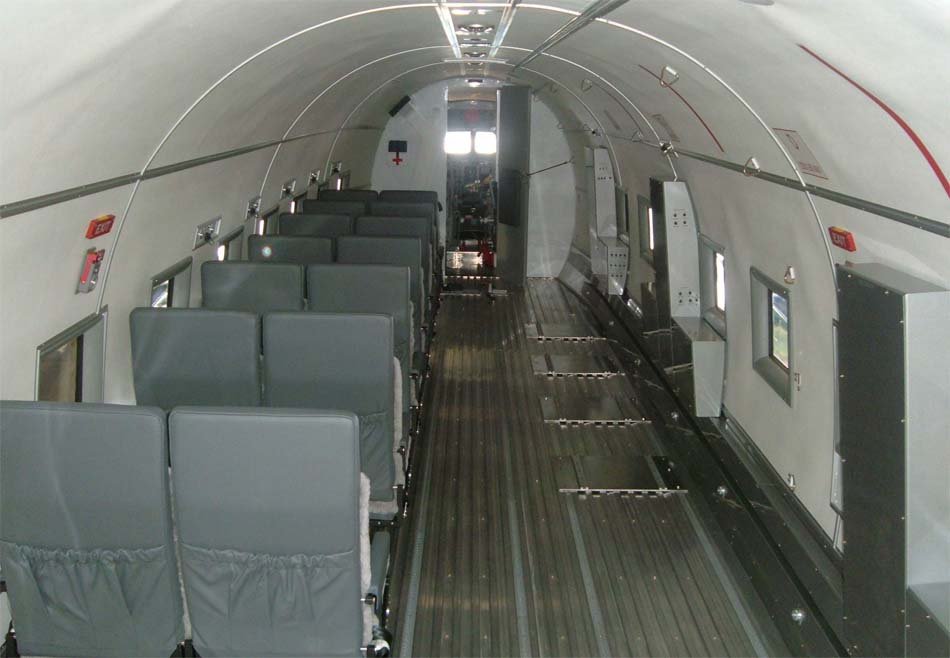 BT-67 |
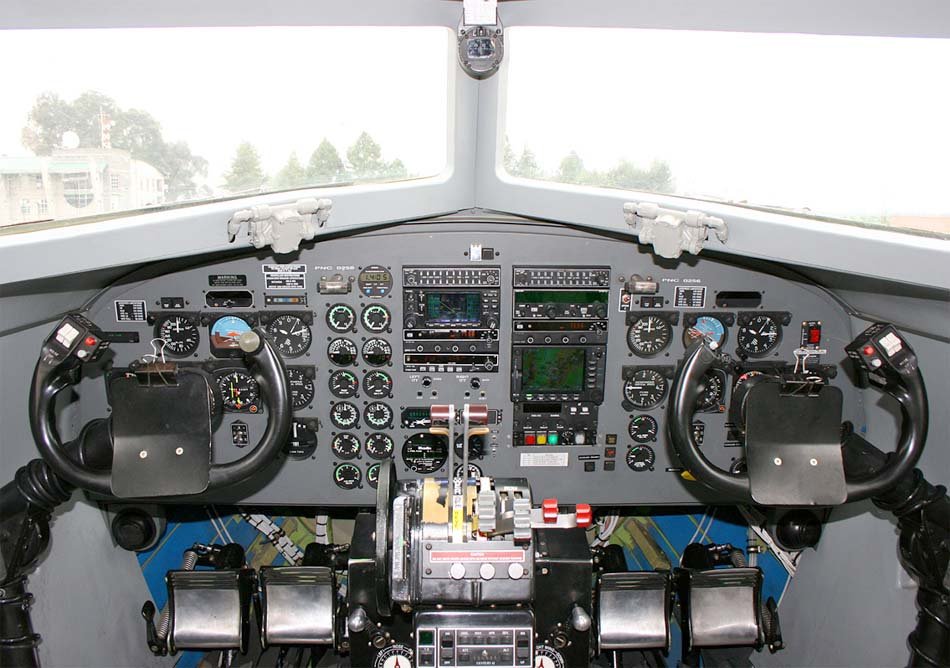 BT-67 |