
Innovative Design and Early Development
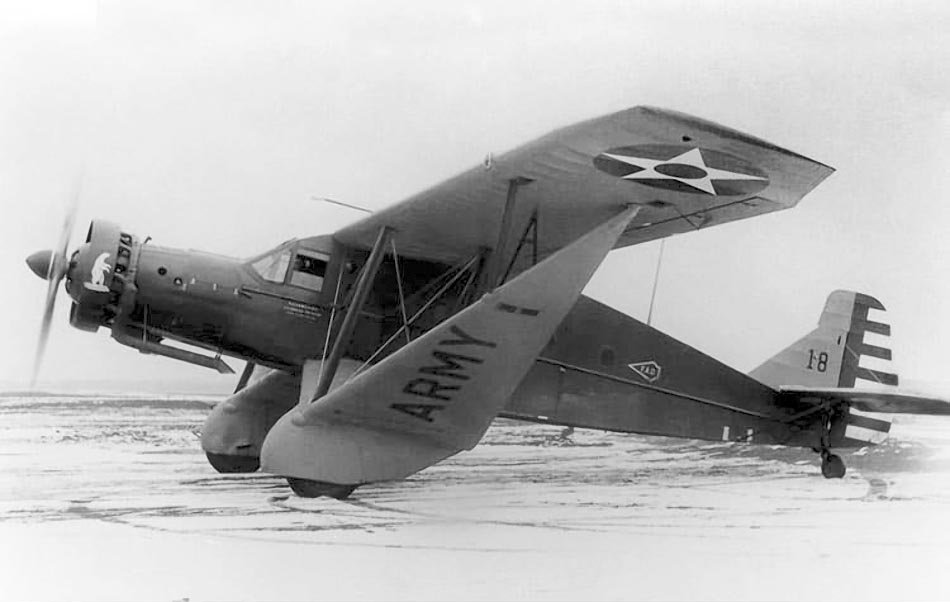
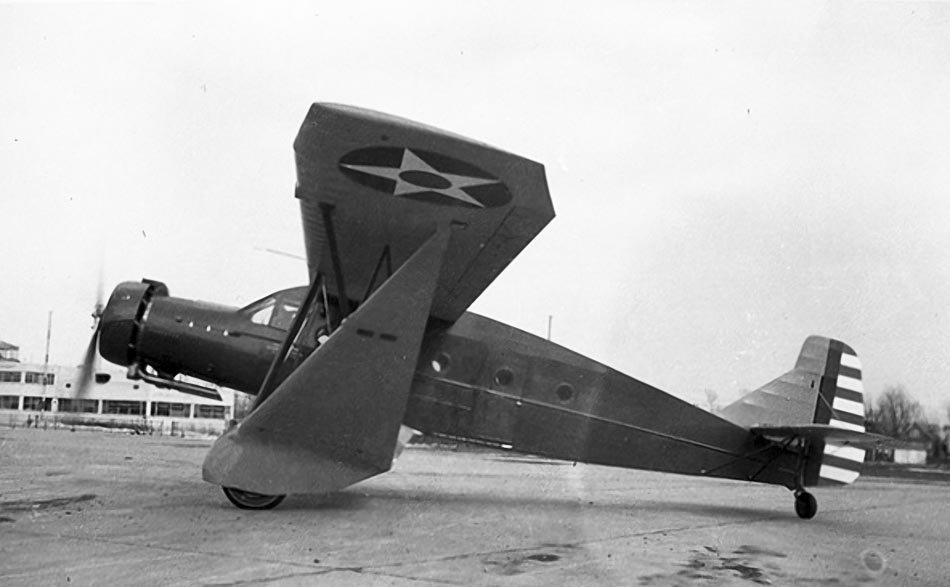
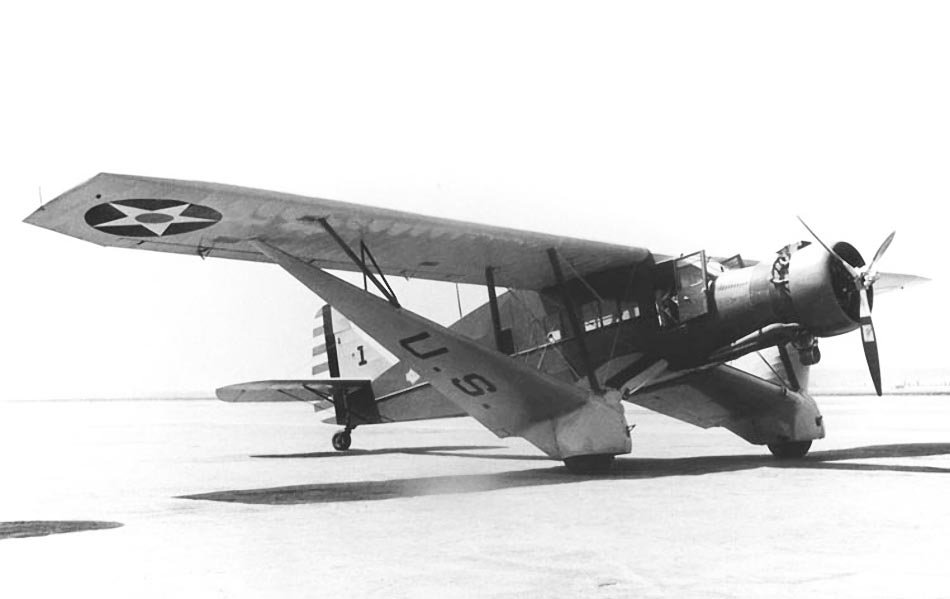
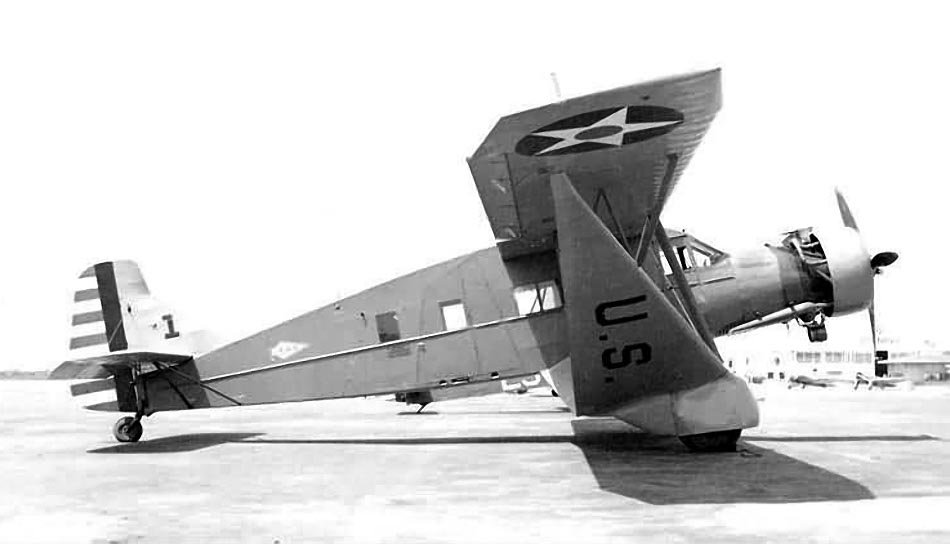
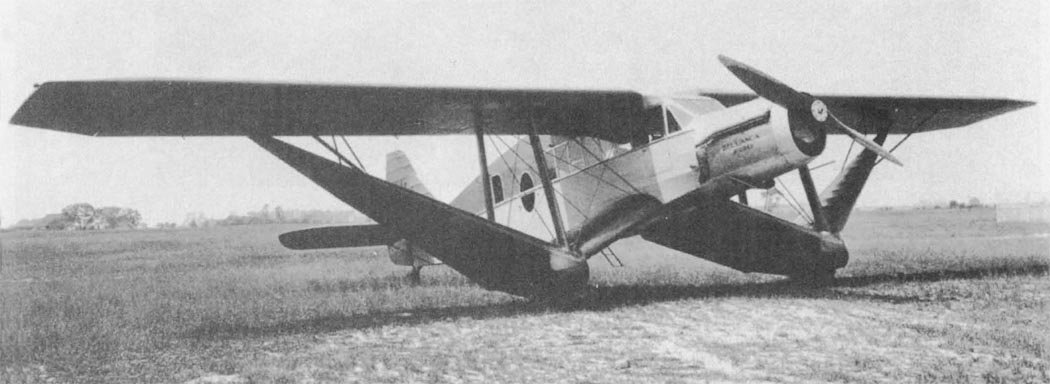
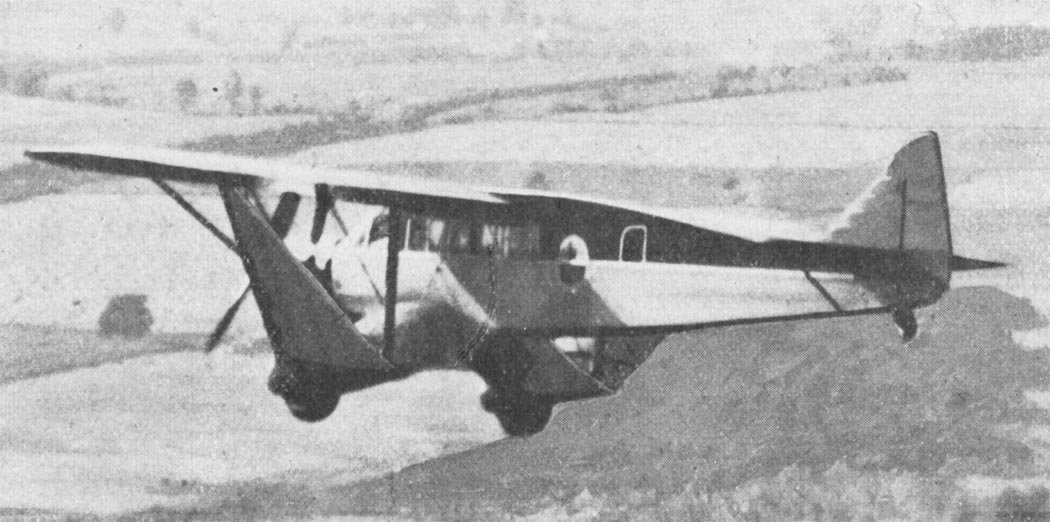
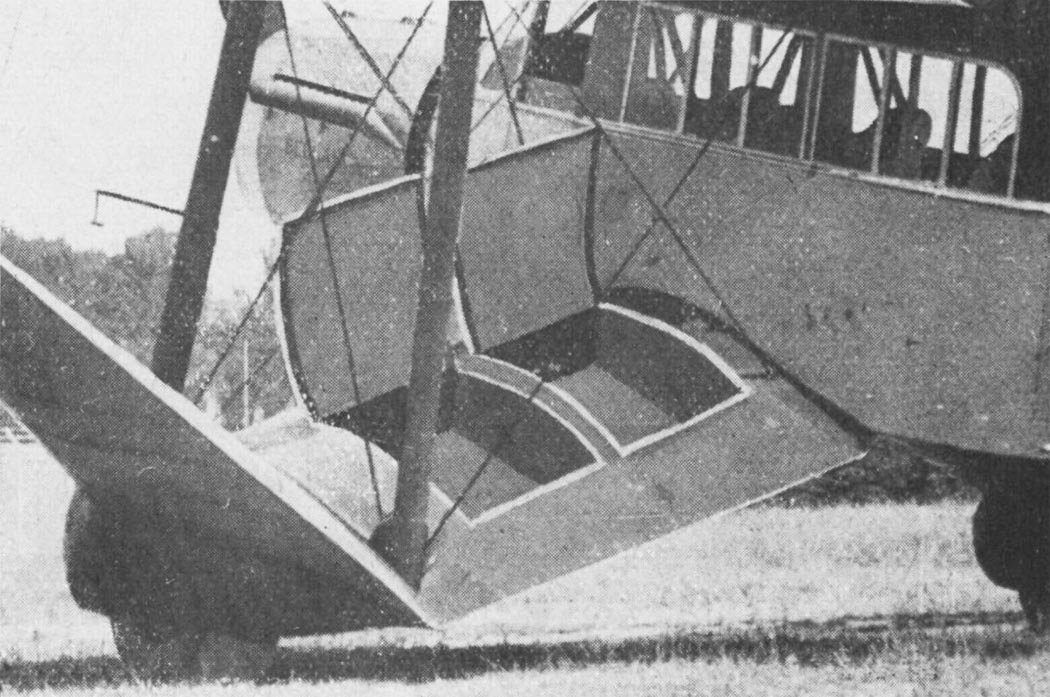
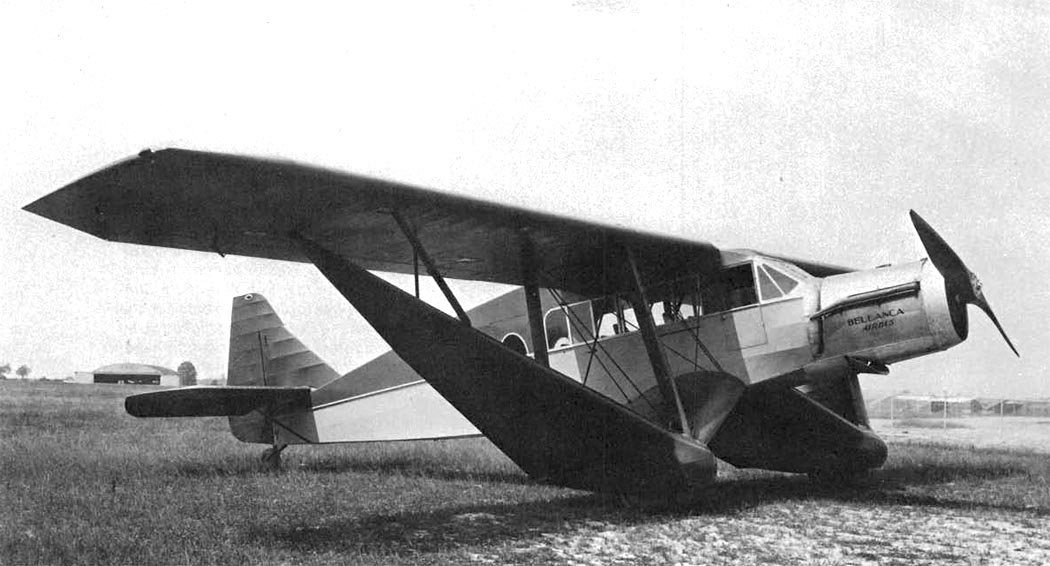
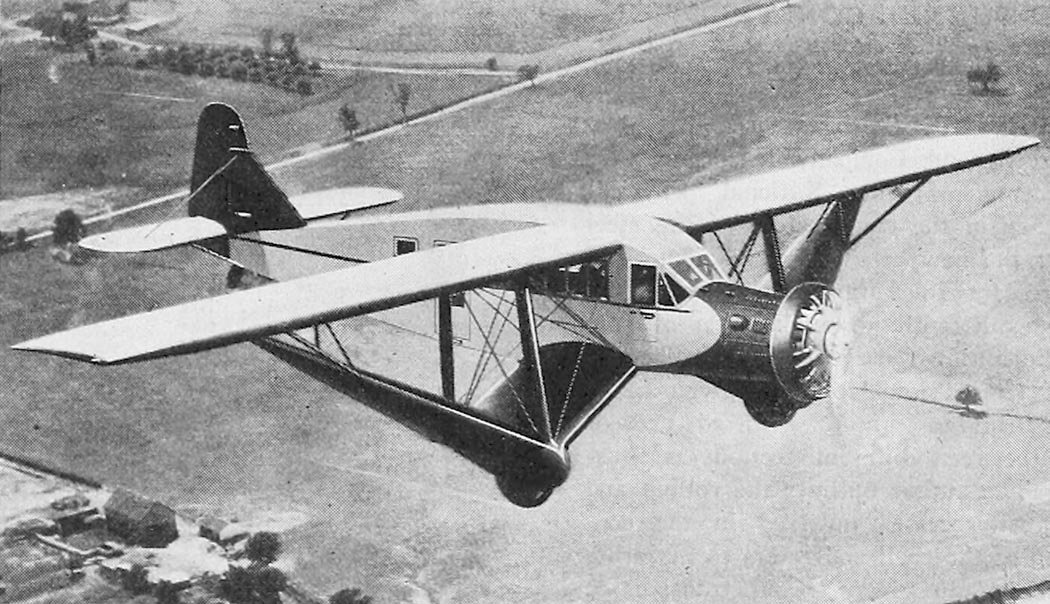
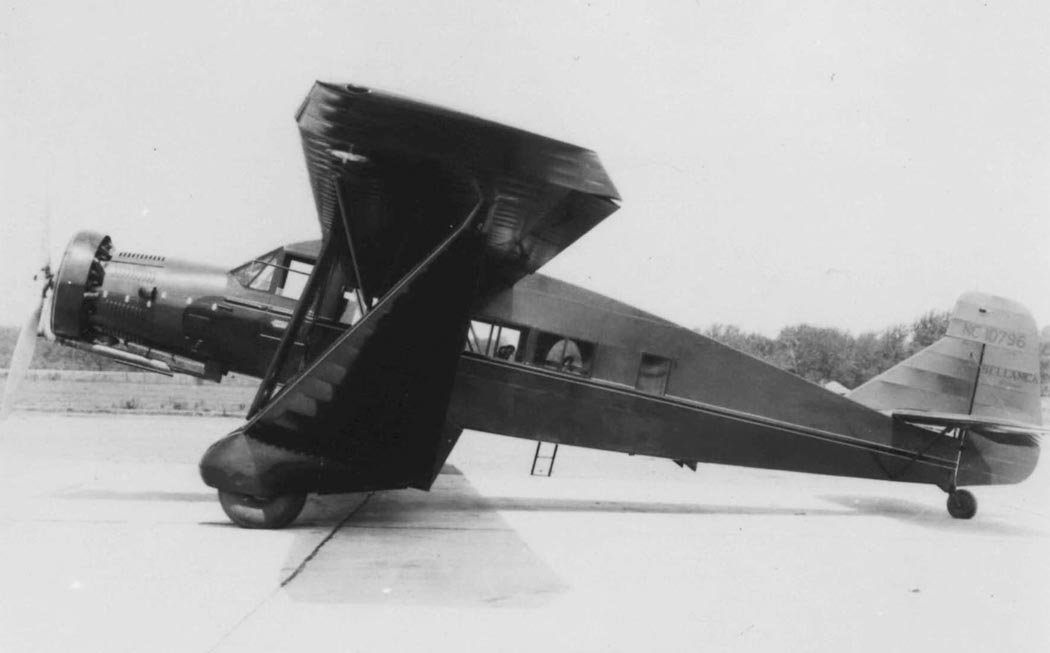
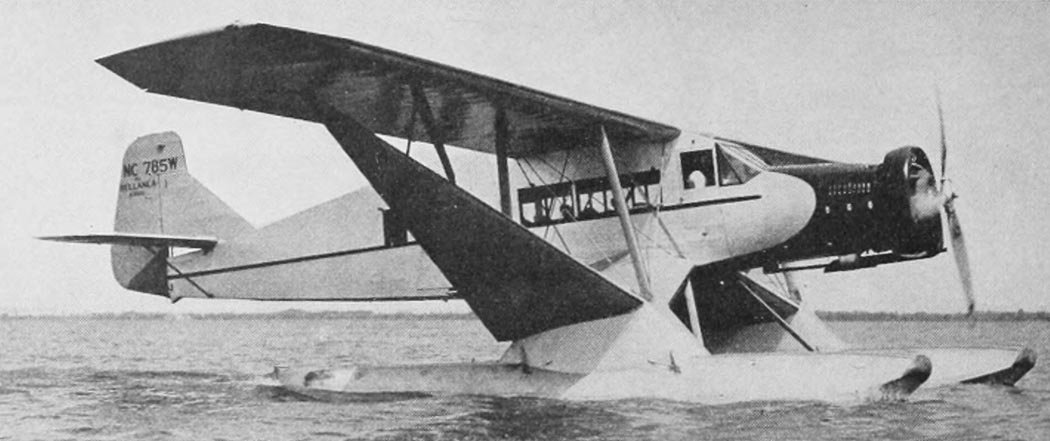
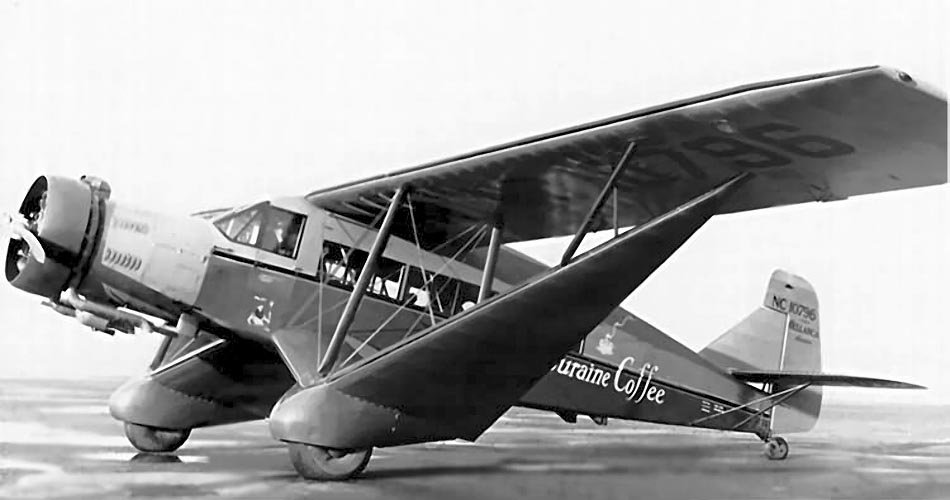
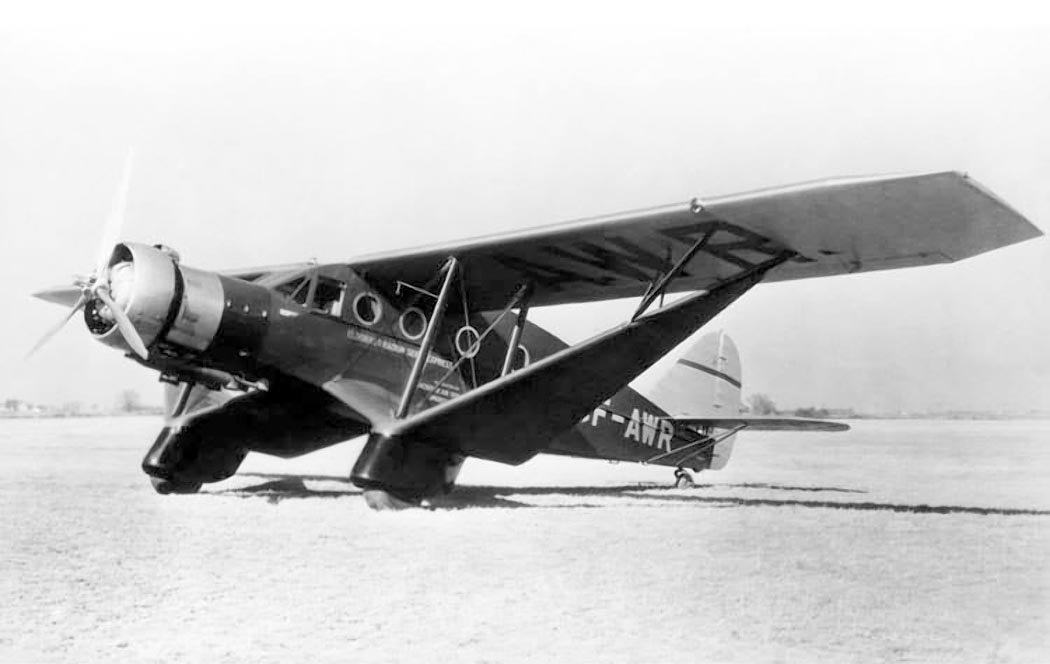
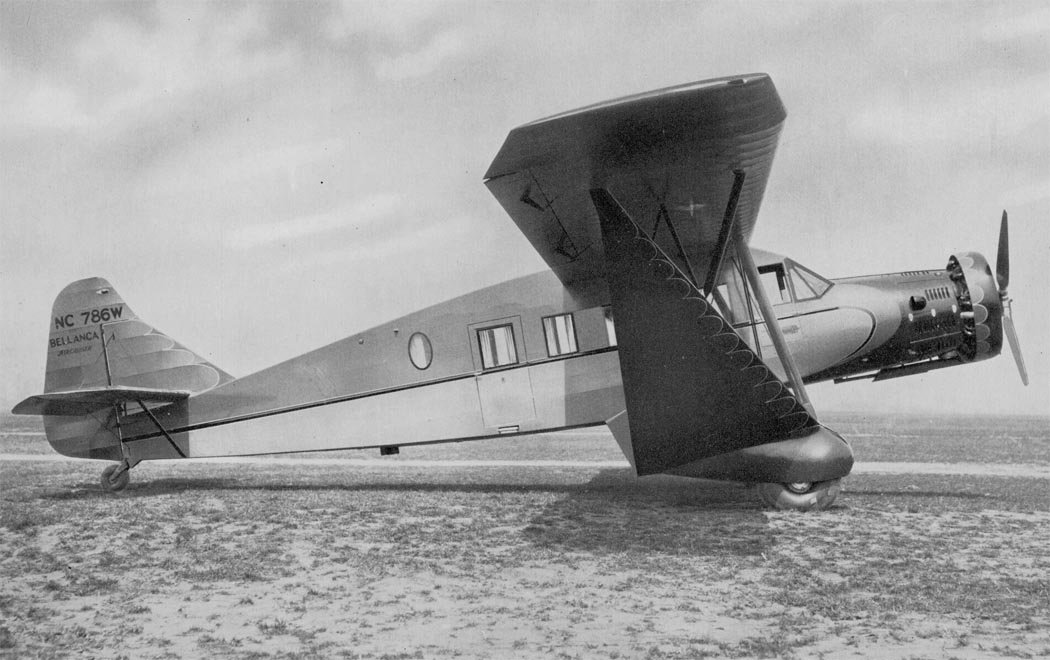
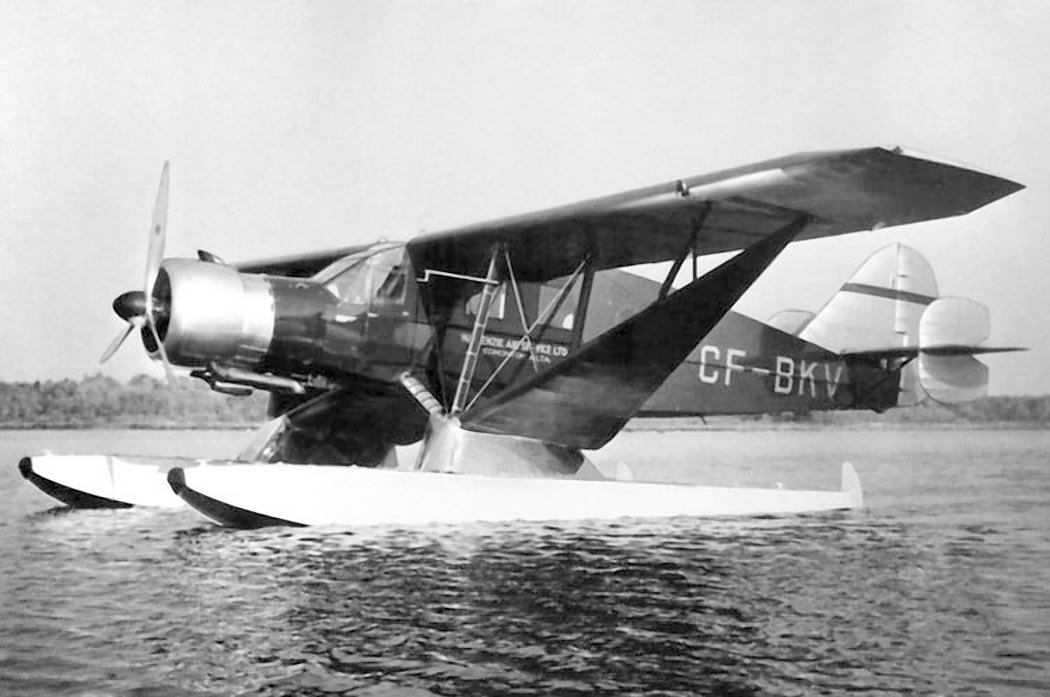
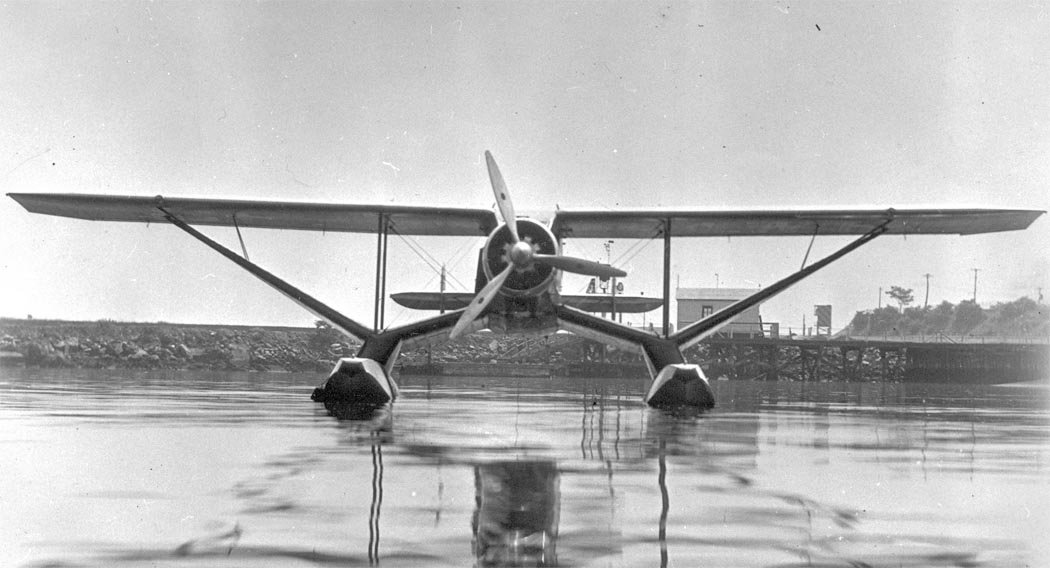
In 1927, Italian designer Giuseppe Bellanca, in cooperation with the American firm Wright, developed one of the most successful transport aircraft of the early 1930s. The Model 100, named “Airbus,” stood out from competitors with its clean aerodynamic forms, an enclosed pilot’s cockpit, and an unusual technical solution: the upper wing struts were used as lower lifting surfaces.
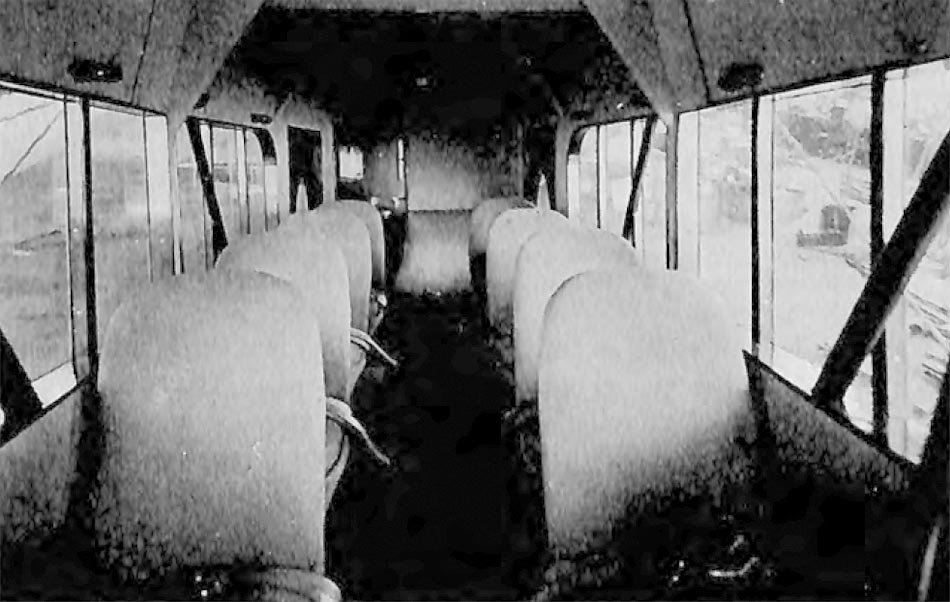
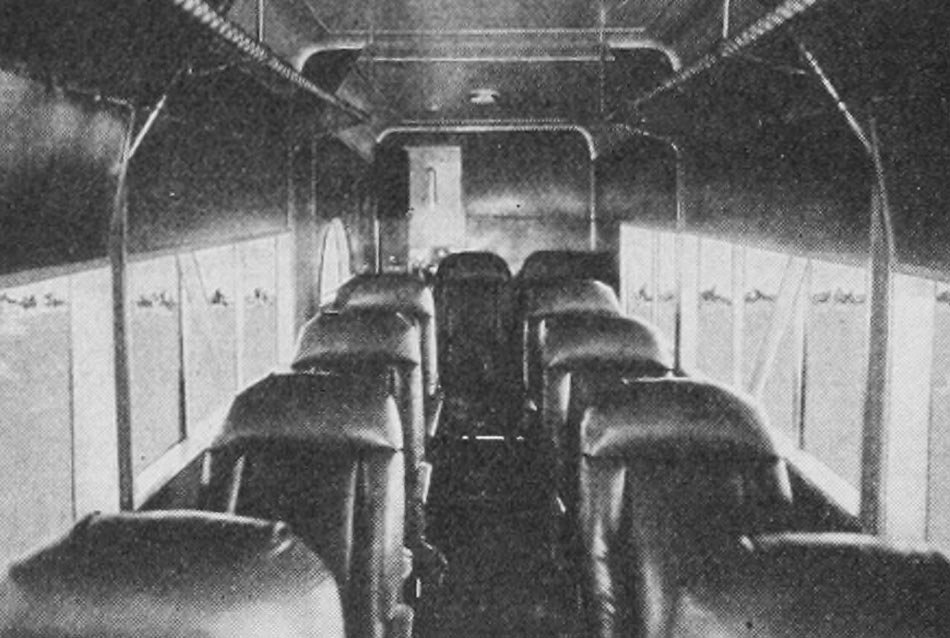
Thus, the Model 100 represented a compromise between monoplane and biplane designs. The aircraft’s cargo and passenger compartment was designed to carry 14 people or up to 500 kg of cargo.
Military Variants and Service
The first prototype of the Model 100 took to the air in 1930. The machine was equipped with a Curtiss “Conqueror” inline engine (600 hp), but production models featured a Pratt & Whitney S3D1-G radial engine (650 hp). Military personnel from the US Army Air Corps showed interest in the aircraft.
The first variant for the USAC was the pre-production Y1C-27 (four aircraft built, serial numbers 32-399 to 32-402), which entered service in 1932. It featured a 550 hp Wright R-1820-17 “Cyclone” engine, the possibility of installing one defensive machine gun, and minor improvements.
In 1933, serial production of the C-27A modification began, equipped with a 650 hp Wright R-1820-19 engine (ten aircraft built, serial numbers 33-18 to 33-27). Almost simultaneously, based on the C-27A design, one C-27B (equipped with a 675 hp Wright “Cyclone” F engine, serial number 33-19) and nine C-27C (with a 750 hp engine, serial numbers 33-18,-19,-20,-27) were built.
Limited Production and Legacy
A simpler variant, named Model 200 “Aircruiser,” was planned for civil aviation. However, much to the regret of the Bellanca company, aircraft production had to be limited due to the ongoing Great Depression.
In total, 23 examples of the military C-27s and civilian “Aircruisers” were built, some of which continued to operate until the early 1940s.
Technical Specifications
| Modification | C-27A |
| Wingspan, m | 19. 81 |
| Length, m | 13.03 |
| Height, m | 3.52 |
| Wing area, m2 | 60.57 |
| Empty weight | 2450 |
| Maximum takeoff weight | 4613 |
| Engine type | 1 Piston engine Wright R-1820-19 |
| Power, hp | 1 x 550 |
| Maximum speed, km/h | 2 59 |
| Cruising speed, km/h | 212 |
| Practical range, km | 1050 |
| Service ceiling, m | 4900 |
| Crew, crew members | 2 |
| Payload: | 11-12 passengers |
| Armament (optional): | one 7.7-mm Lewis machine gun |
Image and diagram gallery of the Bellanca C-27 Transport Aircraft
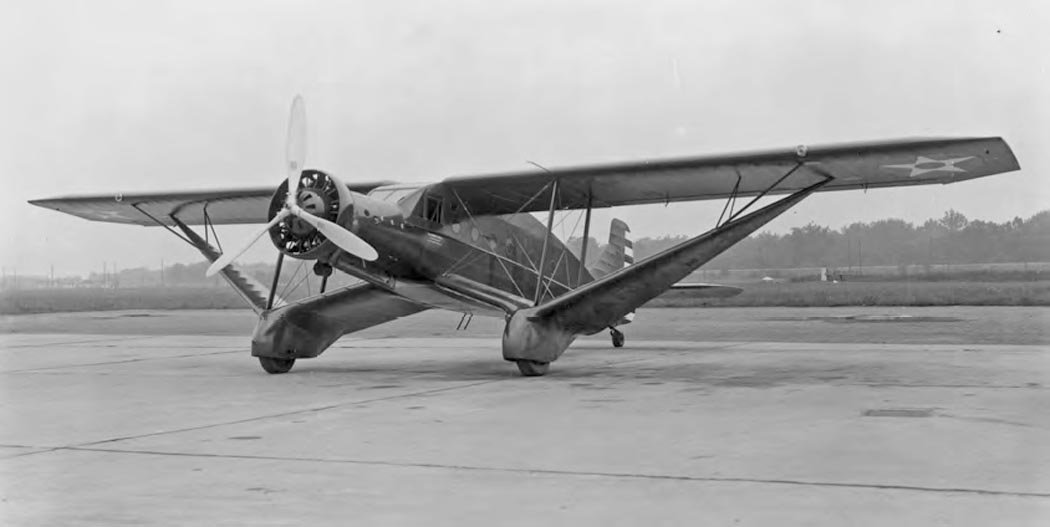 C-27 |
 C-27 |
 C-27 |
 C-27 |
 C-27 |
 C-27 |
 C-27 |
 C-27 |
 C-27 |
 C-27 |
 C-27 |
 C-27 |
 C-27 |
 C-27 |
 C-27 |
 C-27 |
 C-27 |
 C-27 |
 C-27 |
 C-27 |
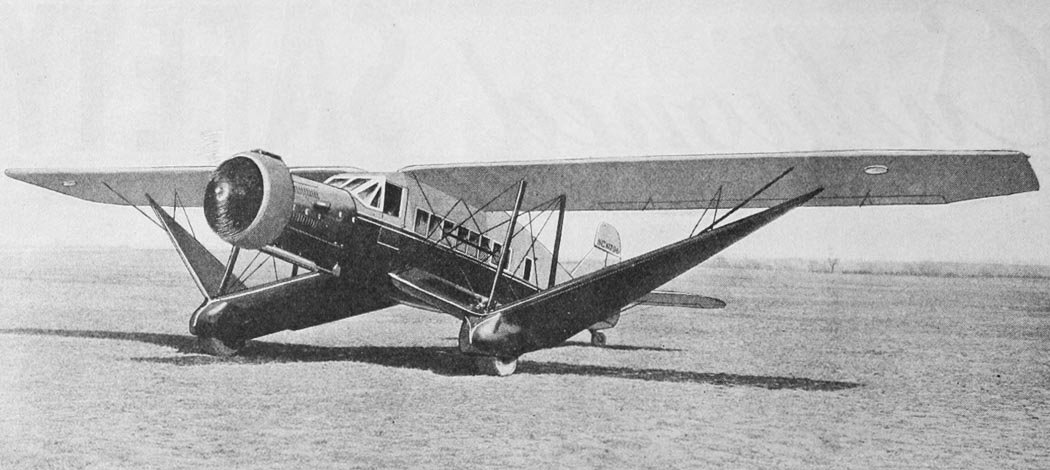 C-27 |
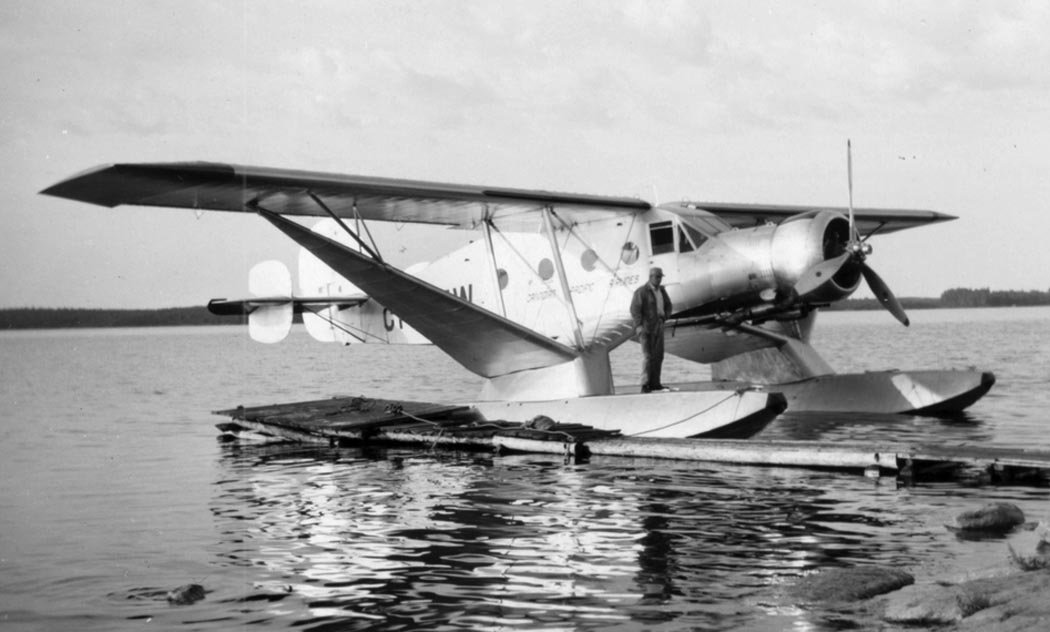 C-27 |
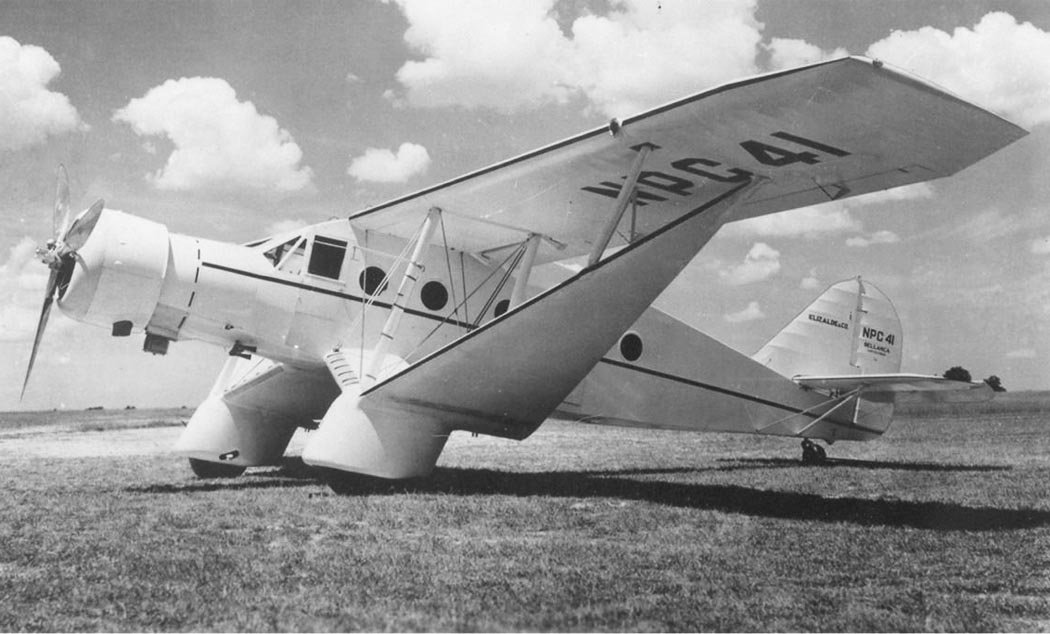 C-27 |
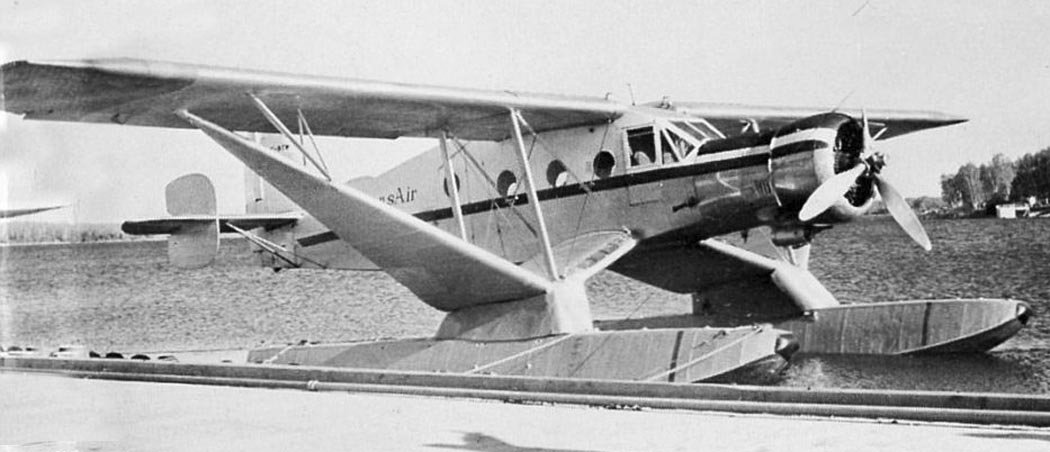 C-27 |
 C-27 |
 C-27 |
 C-27 |
 C-27 |
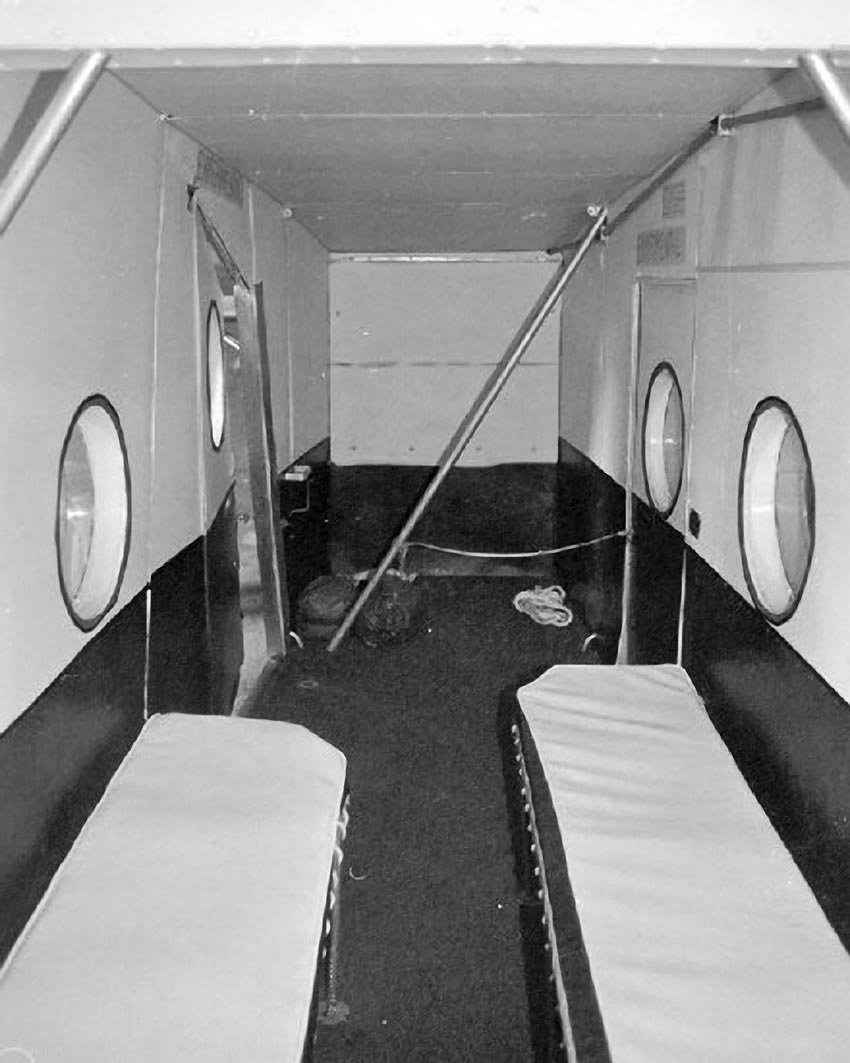 C-27 |
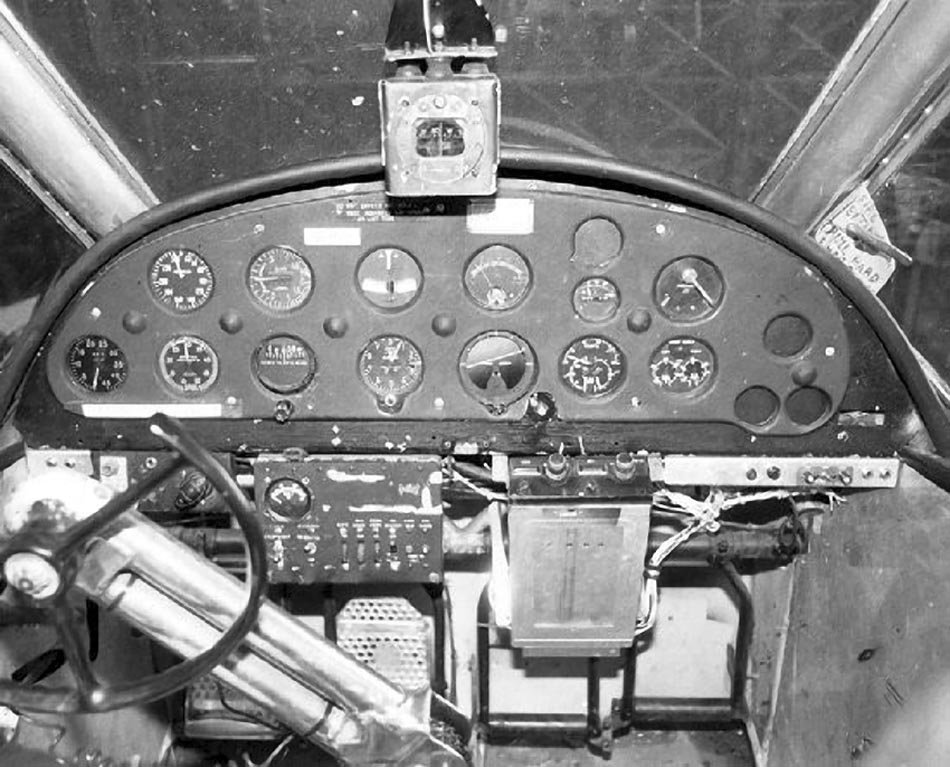 C-27 |
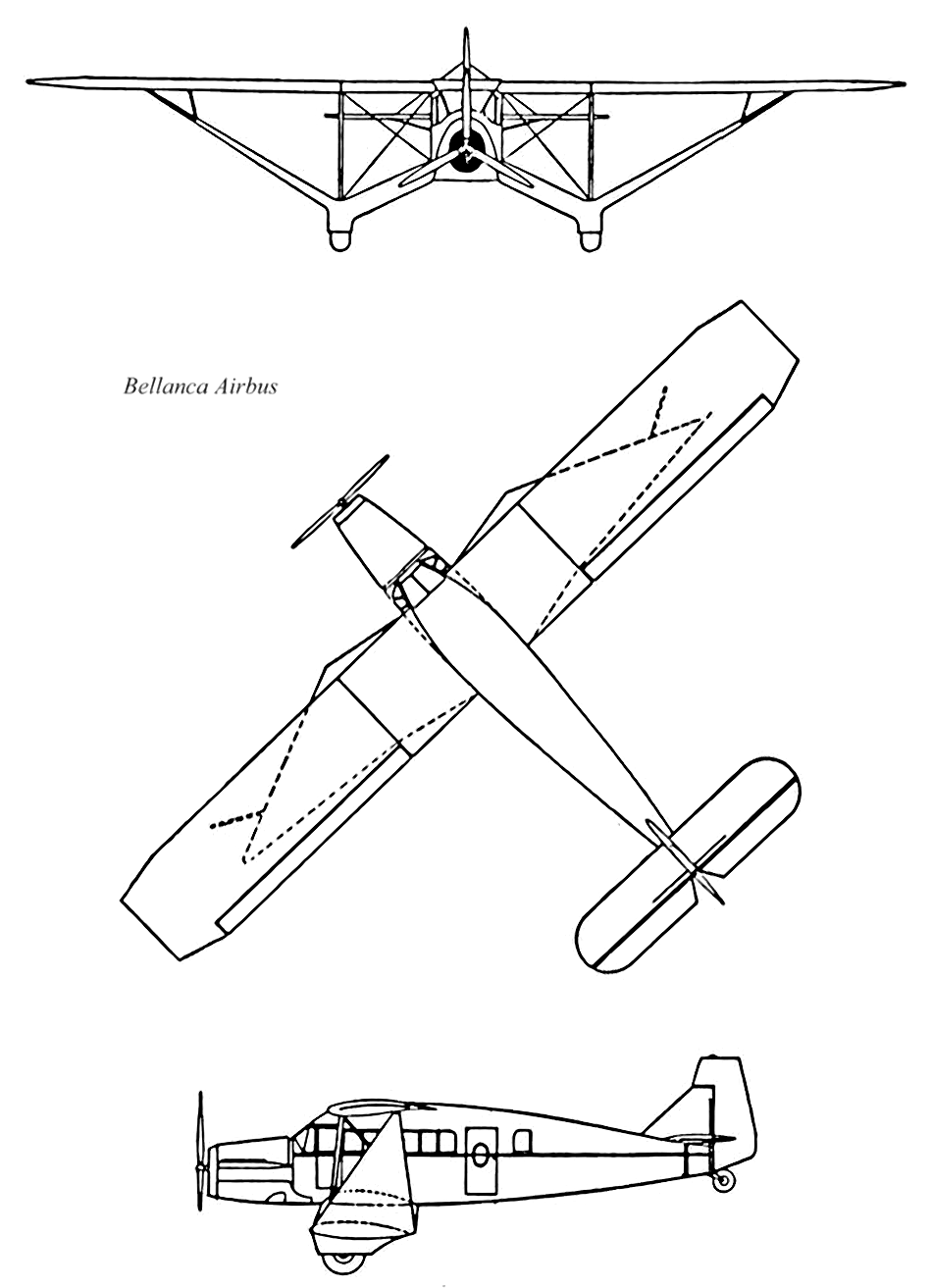 C-27 |
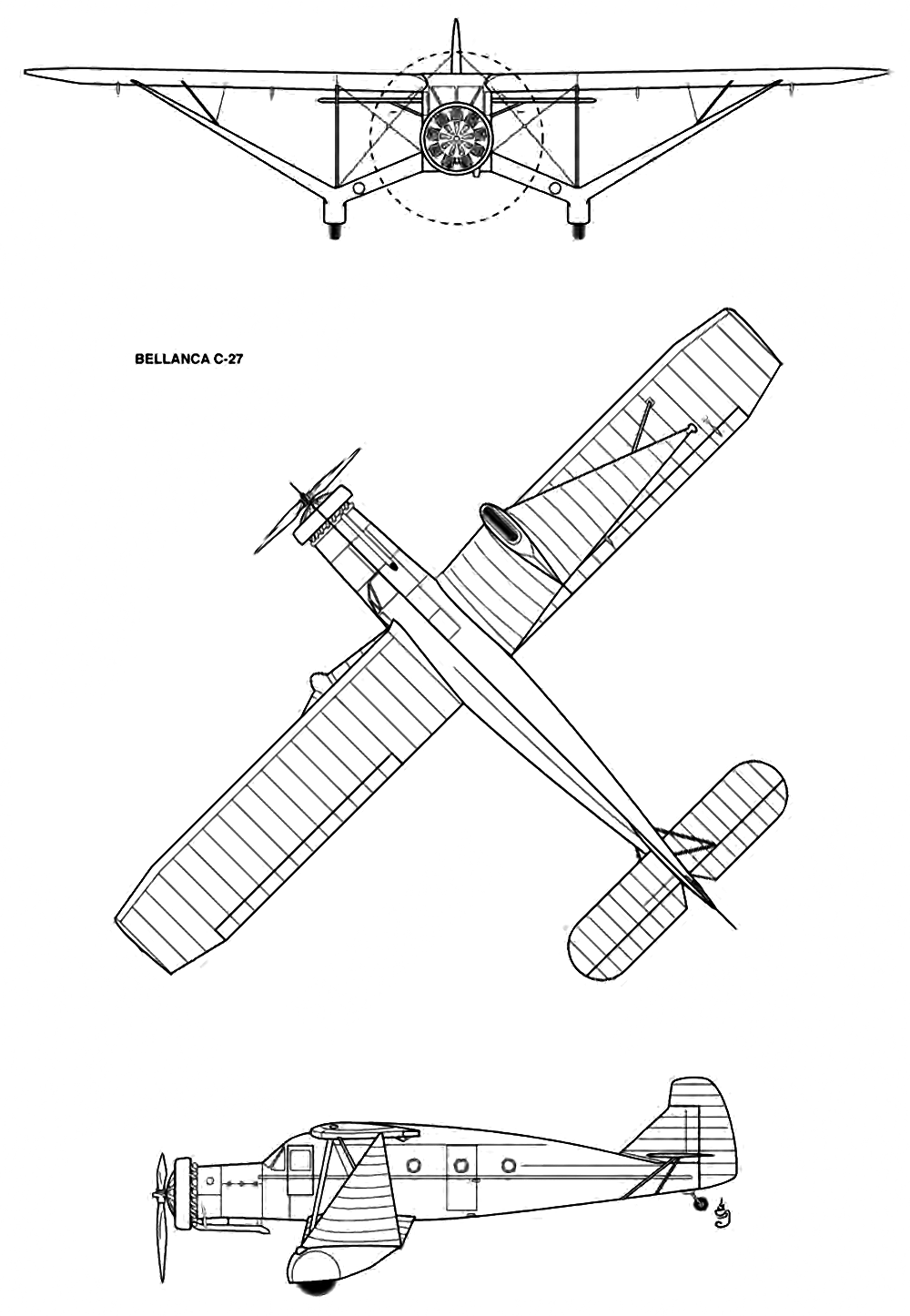 C-27 |
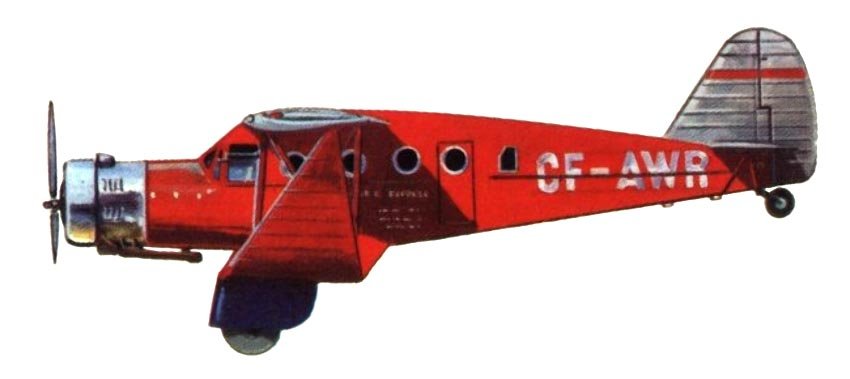 C-27 |