
The Model 6 flying boat was the first civilian aircraft developed by Boeing, hence the designation B-1, or Boeing No.1, intended for potential buyers. The aircraft was built using the same design as the Curtiss HS-2L flying boat, a single-engine biplane with a pusher propeller, produced by the company during World War I. Its structure was entirely wooden, and the hull was made of plywood; it could carry two passengers or a small amount of cargo.
Early Development and Market Challenges
The prototype (serial No. 86) first took to the air on December 27, 1919. Although the aircraft demonstrated good flight characteristics, it did not achieve commercial success. At the time, the market was flooded with inexpensive military aircraft decommissioned due to obsolescence, giving expensive new aircraft little chance of success.
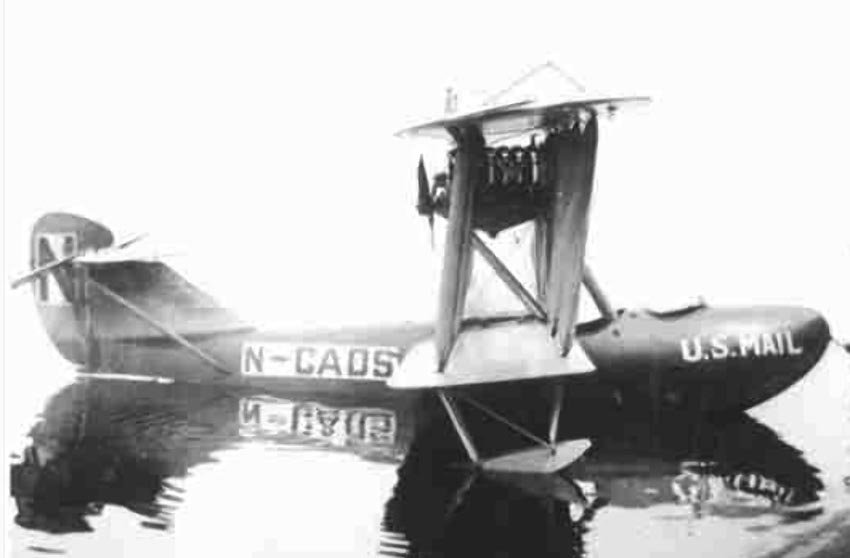
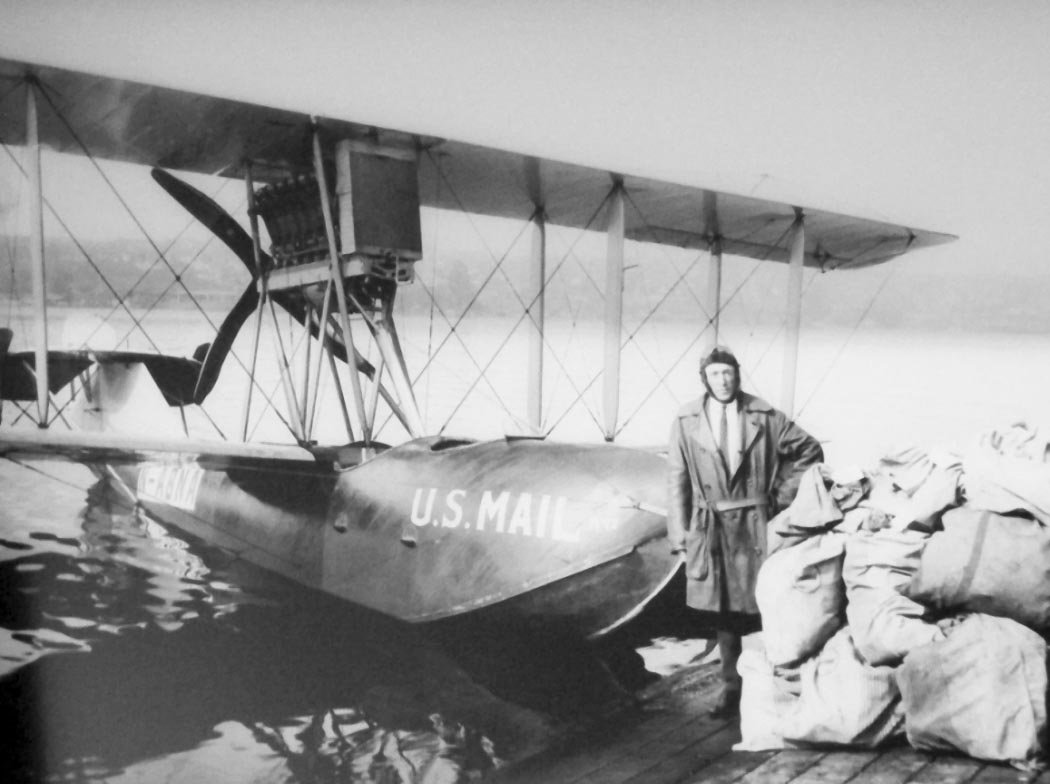
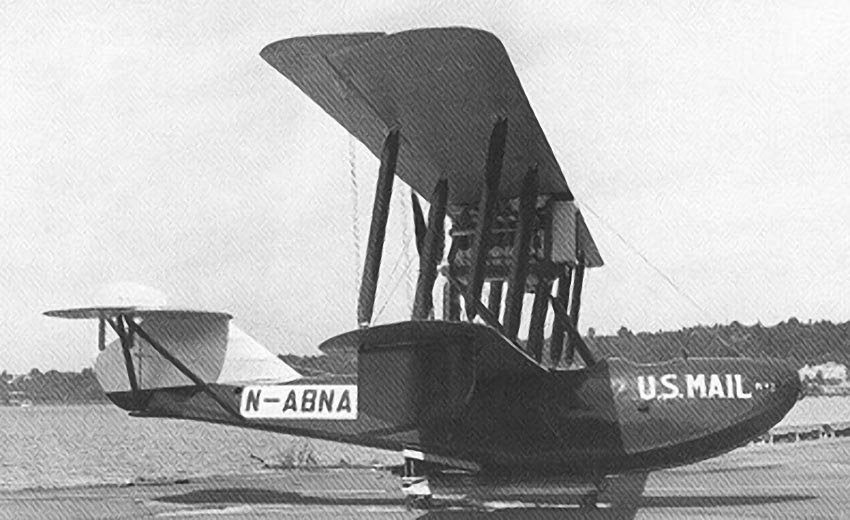
In 1920, the sole aircraft built was purchased by test pilot Eddie Hubbard. He used it for mail flights between Seattle, Washington, and Victoria, British Columbia, Canada. Initially, the aircraft held British registration G-CADS, followed by N-ABNA, which was an unusual registration for the US during that period.
Technical Upgrades and Registrations
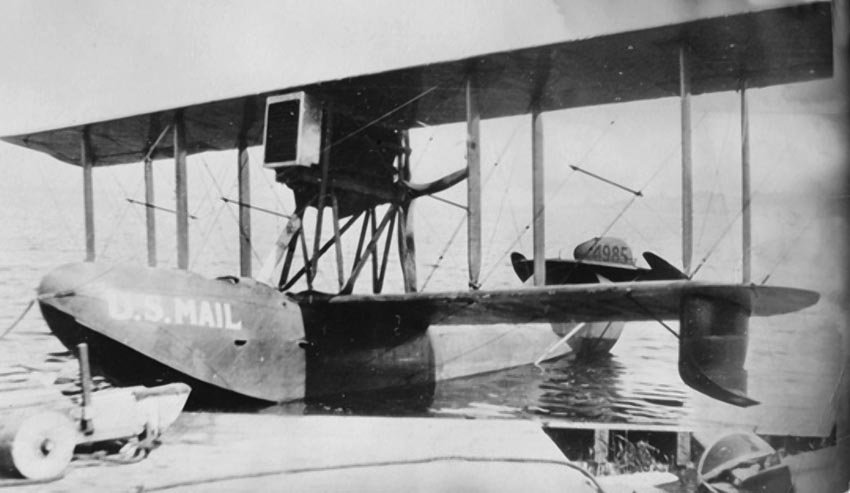
Over time, the aircraft underwent significant modifications and improvements. The original six-cylinder Hall-Scott L-6 engine producing 200 hp, with a two-bladed propeller, was replaced by a standard V-12 Liberty engine generating 400 hp, featuring a four-bladed propeller. Additionally, the wingtip floats were enlarged to enhance performance.
When American registration was finally adopted in 1927, the aircraft received the number 4985, then 1974 (later NC-1974). The letter “C” in the registration indicated that the aircraft possessed a standard airworthiness certificate and was approved for commercial operation.
Preservation and Historical Significance
In 1934, the B-1 was acquired by the Seattle Historical Society and put on display at King County Airfield, famously known as Boeing Field. This site served as the testing ground for all Boeing aircraft, as the company lacked a dedicated factory airfield at the time. However, being exposed to the elements, it suffered considerable damage from weather and curious visitors.
Due to its deterioration, the aircraft was disassembled and preserved before World War II. In 1951, it was restored to its pre-1927 configuration and, in 1957, transferred to the Museum of History and Industry in Seattle. The B-1 served as the foundation for two production modifications, the B-1D and B-1E, which were much later designs.
Technical Specifications
| Modification | Model 6 |
| Wingspan, m | 15.32 |
| Length, m | 9.53 |
| Height, m | 4.06 |
| Wing area, m2 | 45. 70 |
| Empty weight | 1089 |
| Maximum takeoff weight | 1746 |
| Engine type | 1 Piston engine Hall-Scott L-6 |
| Power, hp | 1 x 200 |
| Maximum speed, km/h | 145 |
| Cruising speed, km/h | 129 |
| Practical range, km | 640 |
| Practical ceiling, m | 4050 |
| Crew, crew members | 1 crew member |
| Payload: | 2 passengers |
Image and diagram gallery of the Boeing Model 6 (B-1)
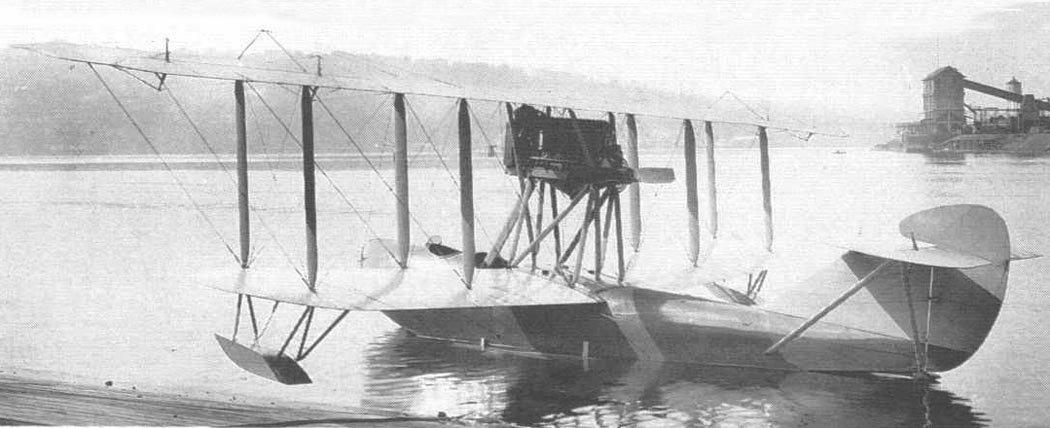 Boeing Model 6 (B-1) |
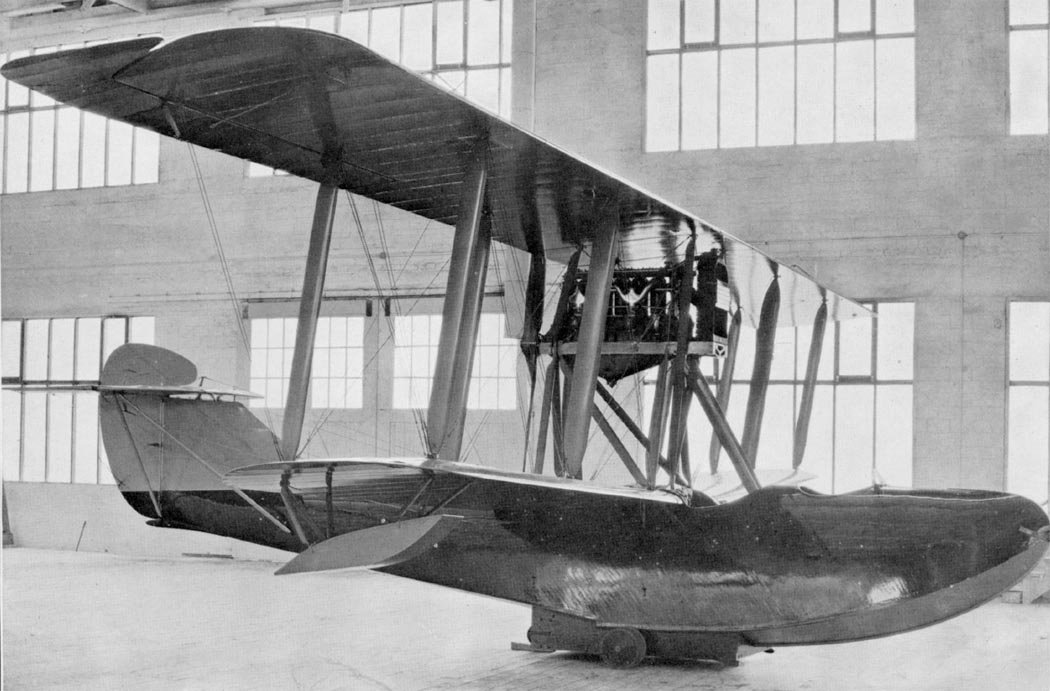 Boeing Model 6 (B-1) |
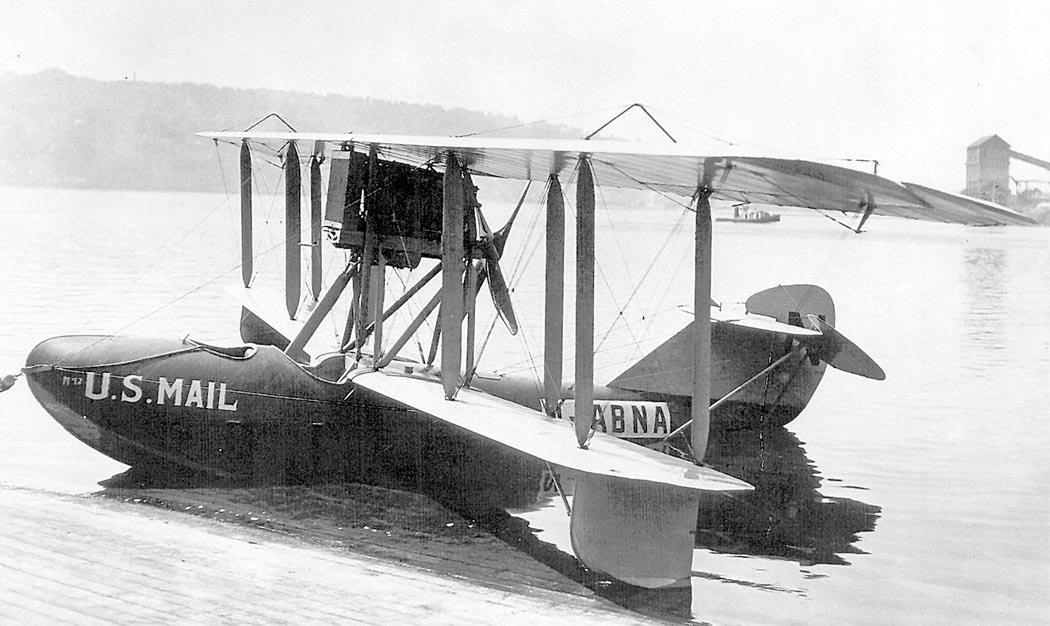 Boeing Model 6 (B-1) |
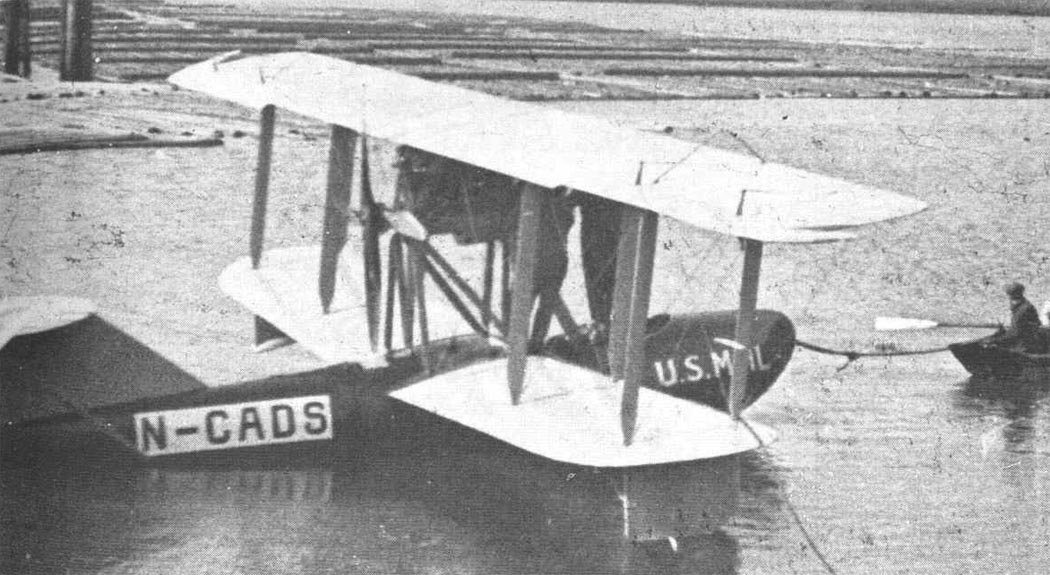 Boeing Model 6 (B-1) |
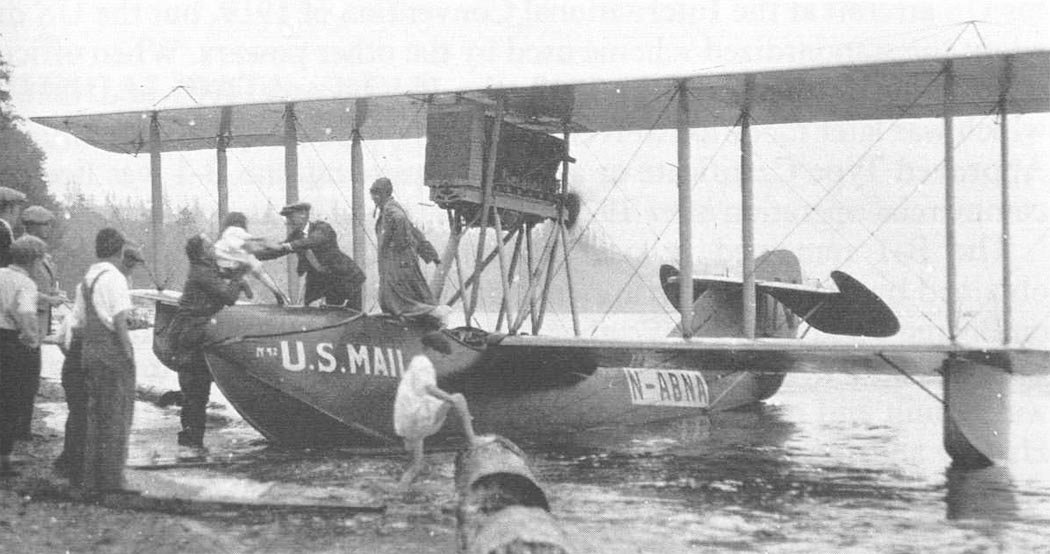 Boeing Model 6 (B-1) |
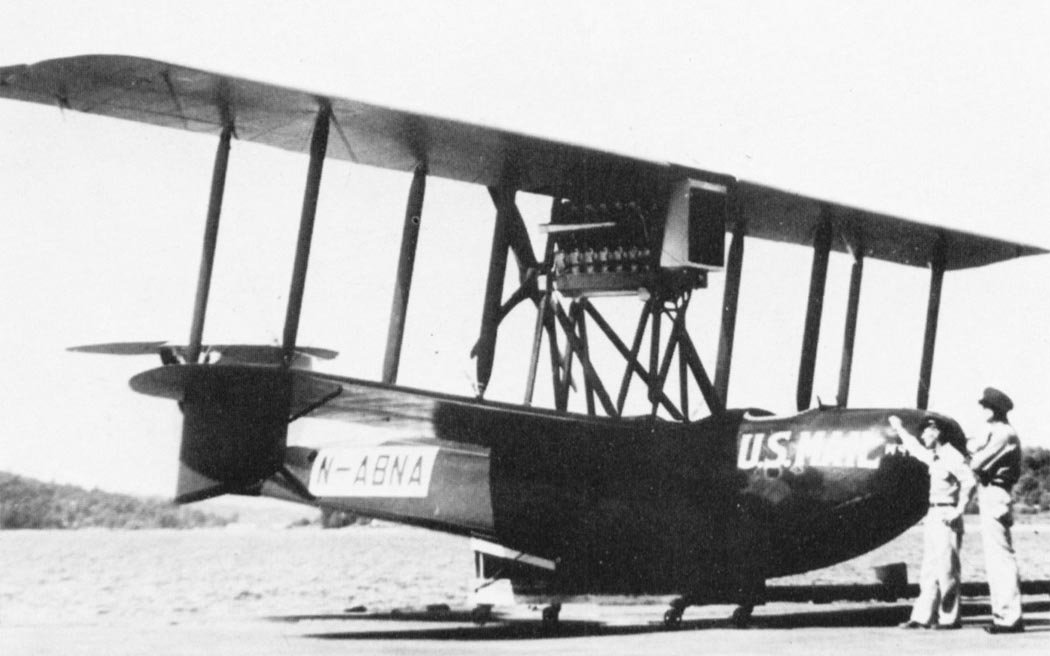 Boeing Model 6 (B-1) |
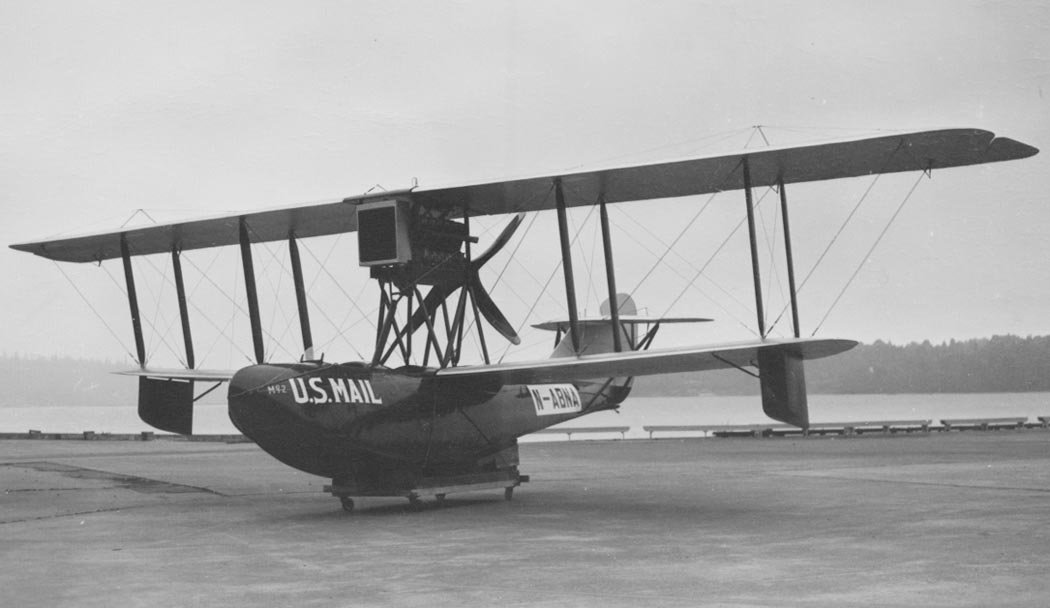 Boeing Model 6 (B-1) |
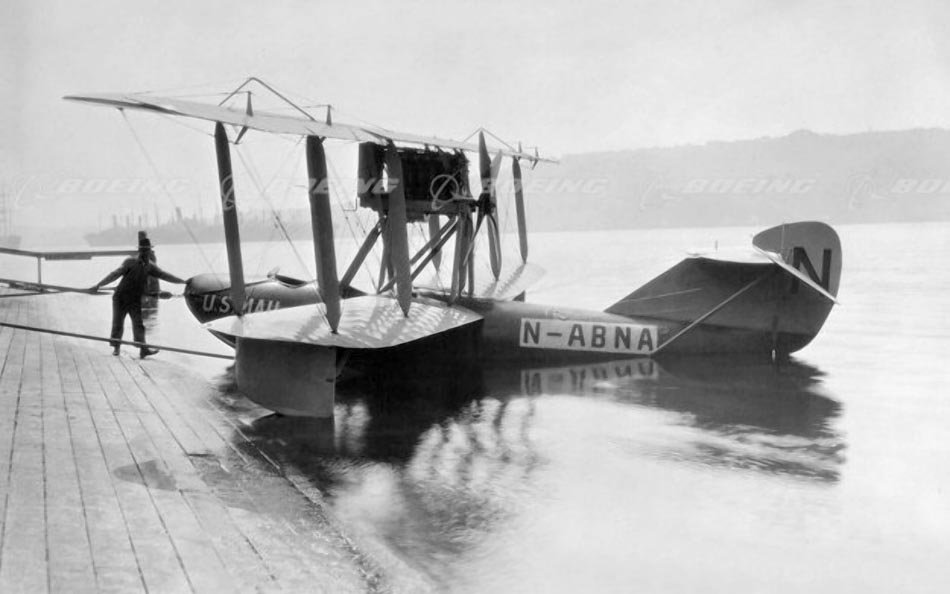 Boeing Model 6 (B-1) |
 Boeing Model 6 (B-1) |
 Boeing Model 6 (B-1) |
 Boeing Model 6 (B-1) |
 Boeing Model 6 (B-1) |
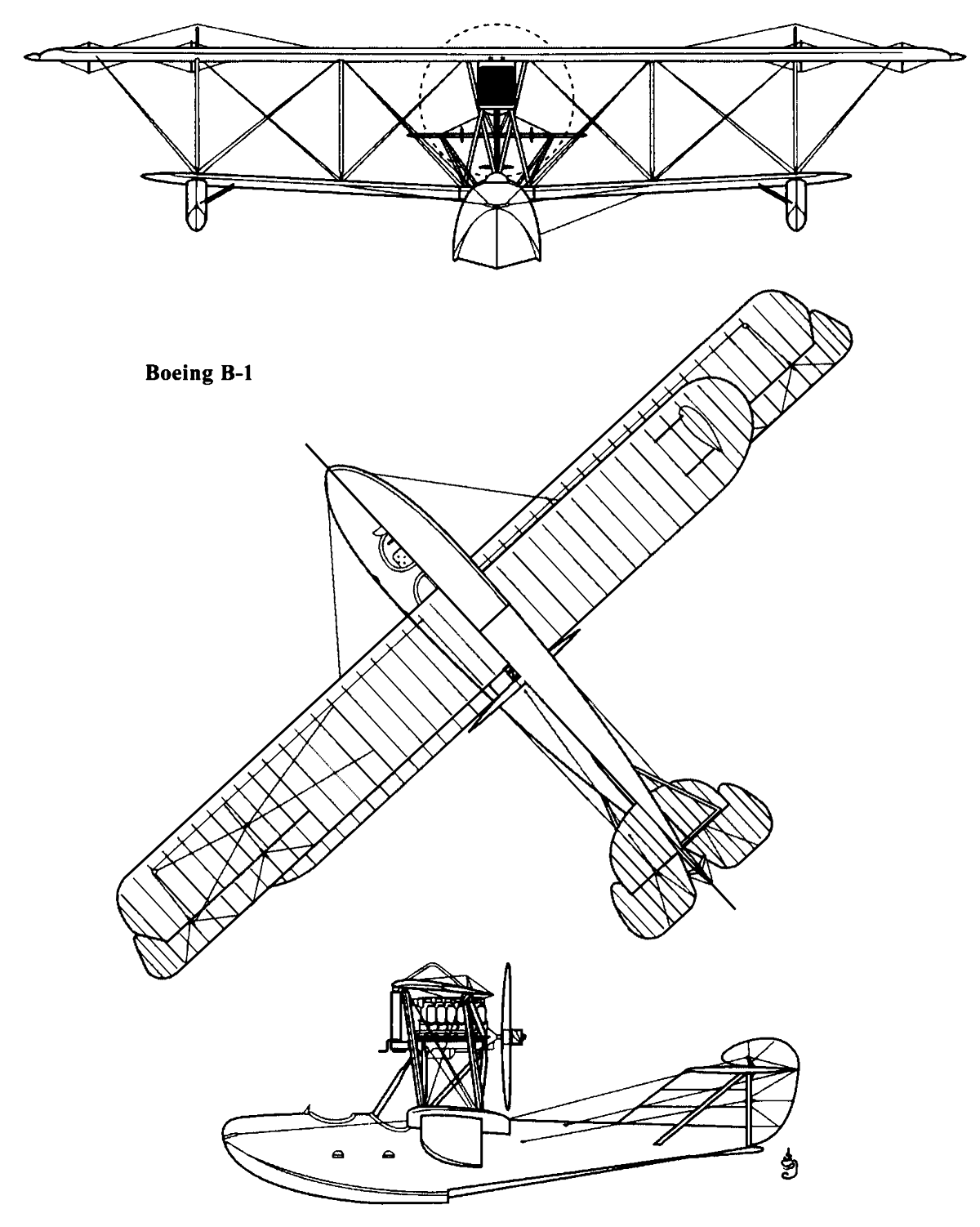 Boeing Model 6 (B-1) |