
Following the commencement of flight trials for the long-range Ha.139 seaplane in 1937, Hamburger Flugzeugbau began work on its land-based variant. The goal was to maximize the use of components from its predecessor.
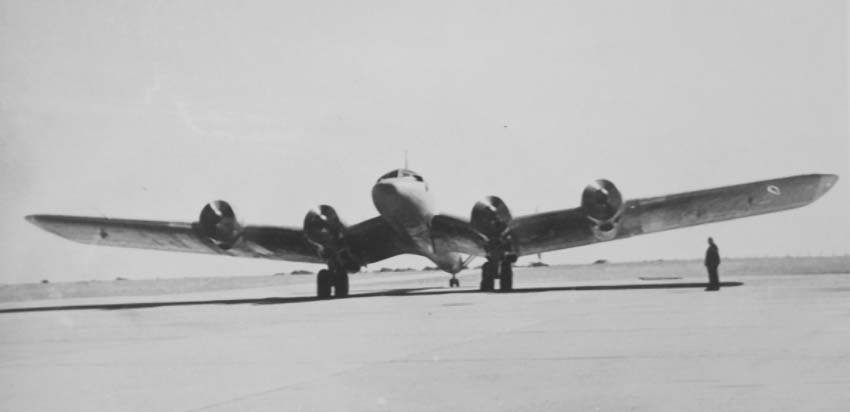
This aircraft was developed as a mail plane with a range of up to 4375 km, designated as the Ha.142. Its construction was all-metal, featuring the same monocoque fuselage and inverted gull wing as the Ha.139. The fuselage consisted of truss frames and longitudinal stringers, to which the skin was riveted, and main bulkheads of a rigid box-like structure.
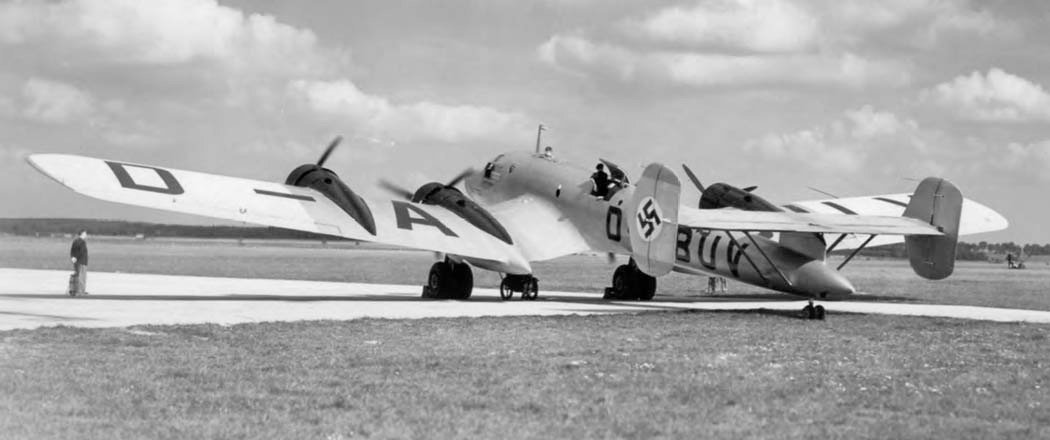
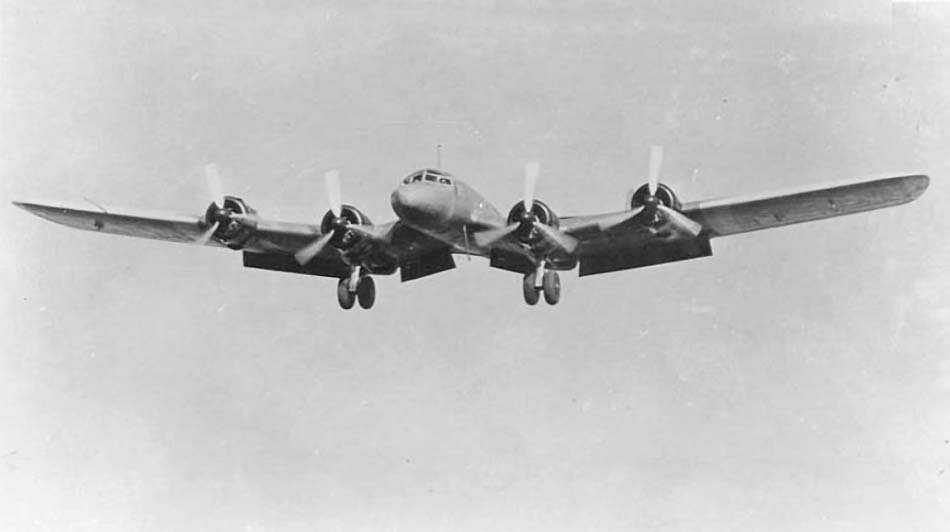
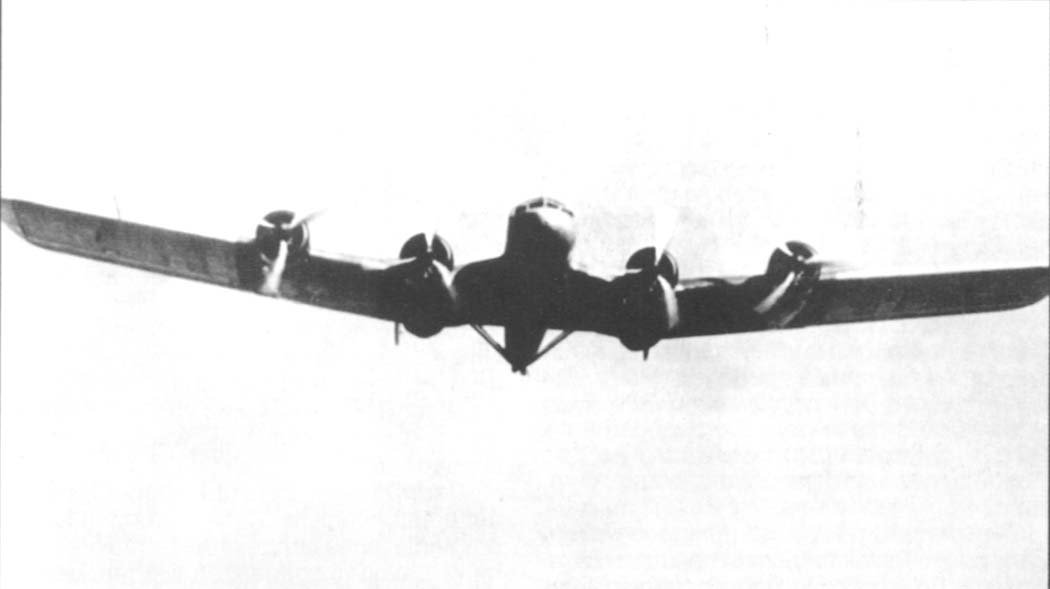
The wing, rectangular in planform, had a larger span than the Ha.139-V3 and the same tubular spar. Its center section housed 6350 liters of fuel in five tanks, with riveted metal skin and four hydraulically operated flap sections. The outer wing sections had fabric covering. The crew comprised two pilots, a navigator, and a radio operator, and the cockpit was separated from the cargo compartment by the main spar. The Ha.139’s floats were replaced by hydraulically retractable landing gear with twin wheels and a twin tail wheel.
Early Flights and Postal Service
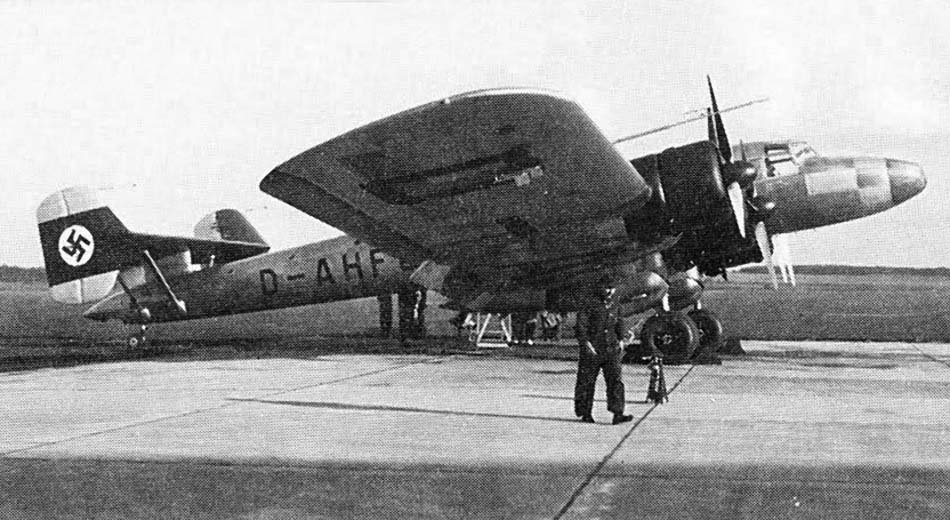
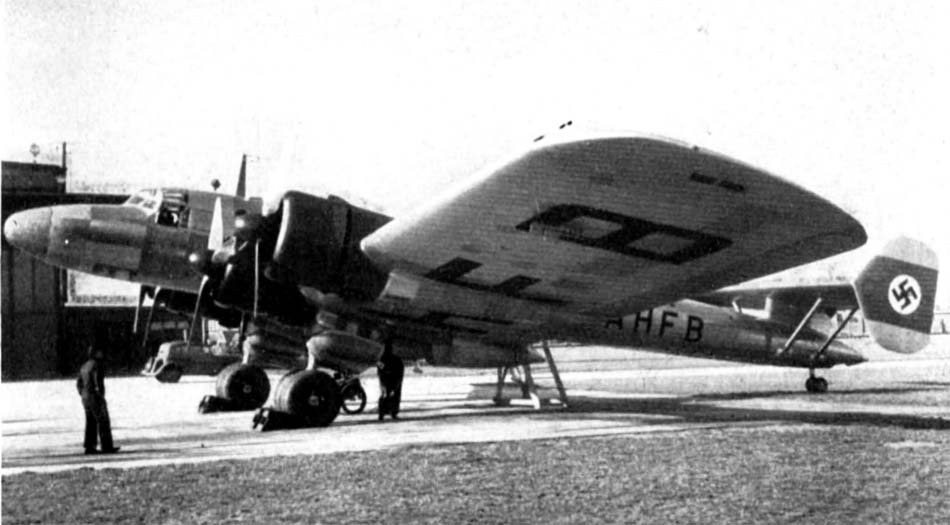
The first prototype, the Ha.142-V1 (D-AHFB), flew on October 11, 1938. Several weeks later, by the time of the firm’s name change, the second BV.142-V2 followed. Two more aircraft joined the test program in the spring and summer of 1939.
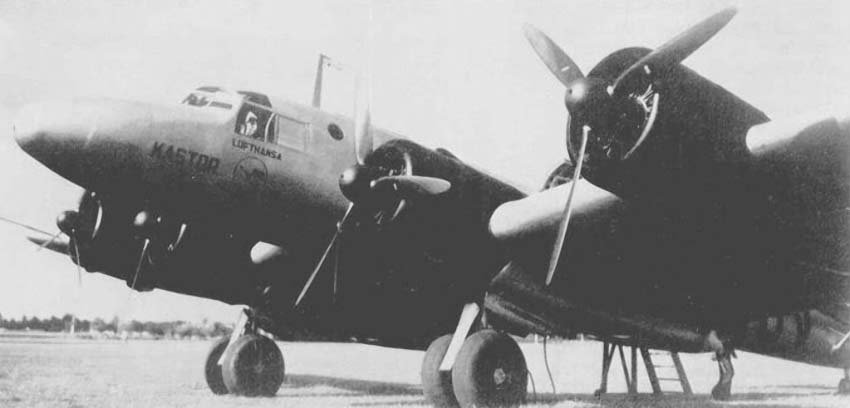
These aircraft were intended for Lufthansa’s transatlantic mail line. After installing an additional air intake under the engine and replacing the single-section landing gear door with a three-section one, the Ha.142-V1, named “Castor,” was handed over to Lufthansa. However, after several flights with Lufthansa, it was returned to the company as plans for the aircraft’s commercial use were postponed.
Conversion to Maritime Reconnaissance
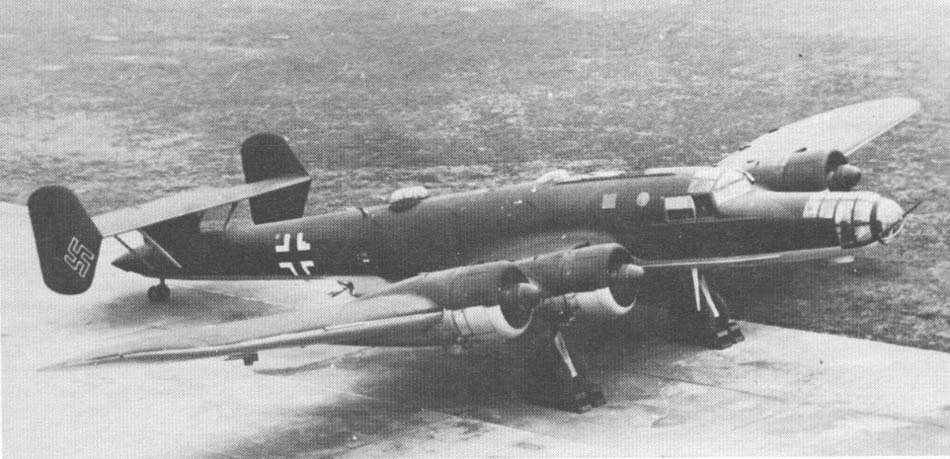
Following the outbreak of World War II, the idea arose to convert the BV.142 into a long-range maritime reconnaissance aircraft. The second prototype was selected for this conversion. Since the BV.142 was intended to operate beyond fighter cover, defensive armament was installed on the aircraft.
The fuselage nose section was lengthened and glazed, housing a bombardier with an MG-15 machine gun. An electrically operated upper turret also contained an MG-15. Similar machine guns were placed behind the wing fairings and in a lower mounting similar to the He.111h-6. The cargo compartment was reconfigured for bomb suspension, and a special crawlway was made to access the gunner positions since there was no access from the cockpit to the rear fuselage. The crew was increased to six, with the navigator also performing the role of bombardier, and two gunners added. The bomb bay could carry only a very small load of eight 50-kg or four 100-kg bombs. Various radio and navigation equipment were installed.
Deployment and Withdrawal
The first converted aircraft, the BV.142-V2/U1 (PC+BC), was completed in the spring of 1940. In autumn, it was assigned to 2./Aufkl.St.Ob.d.L. — directly under the command of the 3rd Air Fleet headquarters. The first aircraft (V1) was similarly modernized and became known as the BV.142-V1/U1 (PC+BB). There were plans to convert other machines.
Meanwhile, a shortage of transport aircraft forced the use of BV.142s during the invasion of Norway and Denmark. V3 and V4 operated jointly with Ju.89, Ju.90, and Fw.200b from K.Gr.z.b.V.105 in the 10th Air Corps, and their further fate is unknown. The converted BV.142s were used for a short period due to their vulnerability, low flight characteristics, and small combat load. In 1942, the aircraft were withdrawn from service. There were plans to use the BV.142 for testing the Blohm & Voss GT-1200C guided torpedo, but it is unknown if these plans were realized.
Technical Specifications
| Modification | ВV.142-V2/U1 |
| Wingspan, m | 29.50 |
| Length, m | 20.45 |
| Height, m | 4.40 |
| Wing area, m2 | 126.00 |
| Empty weight | 11090 |
| Normal takeoff weight | 16575 |
| Engine type | 4 Piston engines ВМW-132h-1 |
| Power, hp | 4 x 880 |
| Maximum speed, km/h | 371 |
| Cruising speed, km/h | 323 |
| Practical range, km | 3872 |
| Practical ceiling, m | 9000 |
| Crew | 6 crew |
| Armament | 7.9-mm MG-15 machine guns, one in the nose, one in the upper turret, two in the lower turrets, and one in the electrically controlled upper turret. |
Image and diagram gallery of the BV.142
 BV.142 |
 BV.142 |
 BV.142 |
 BV.142 |
 BV.142 |
 BV.142 |
 BV.142 |
 BV.142 |
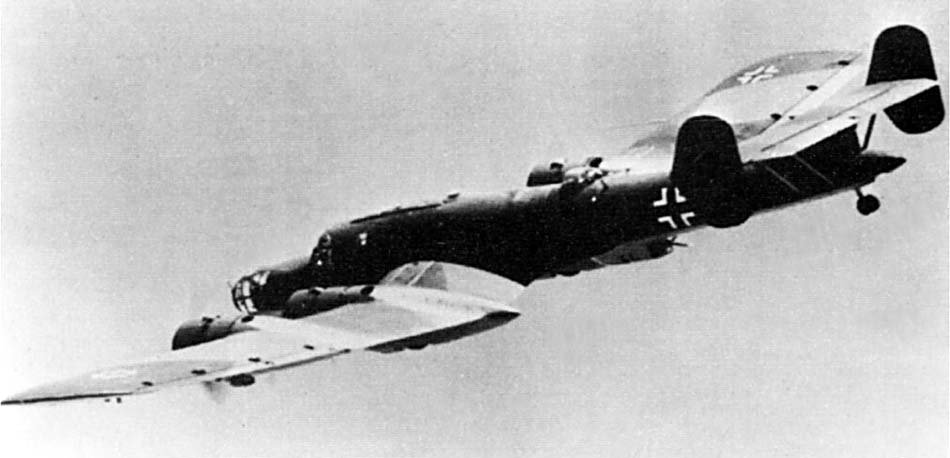 BV.142 |
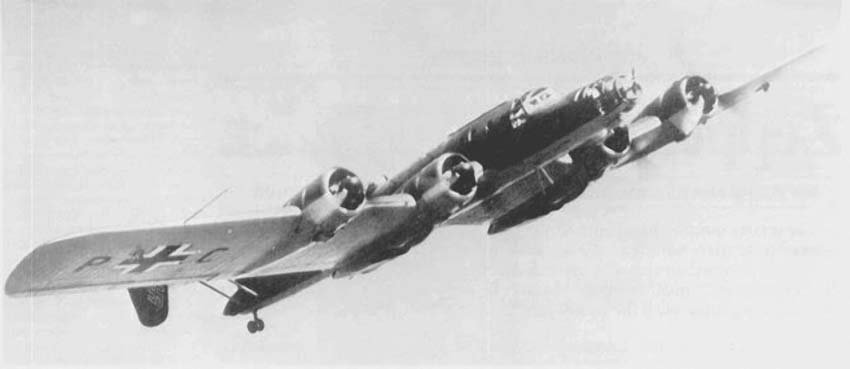 BV.142 |
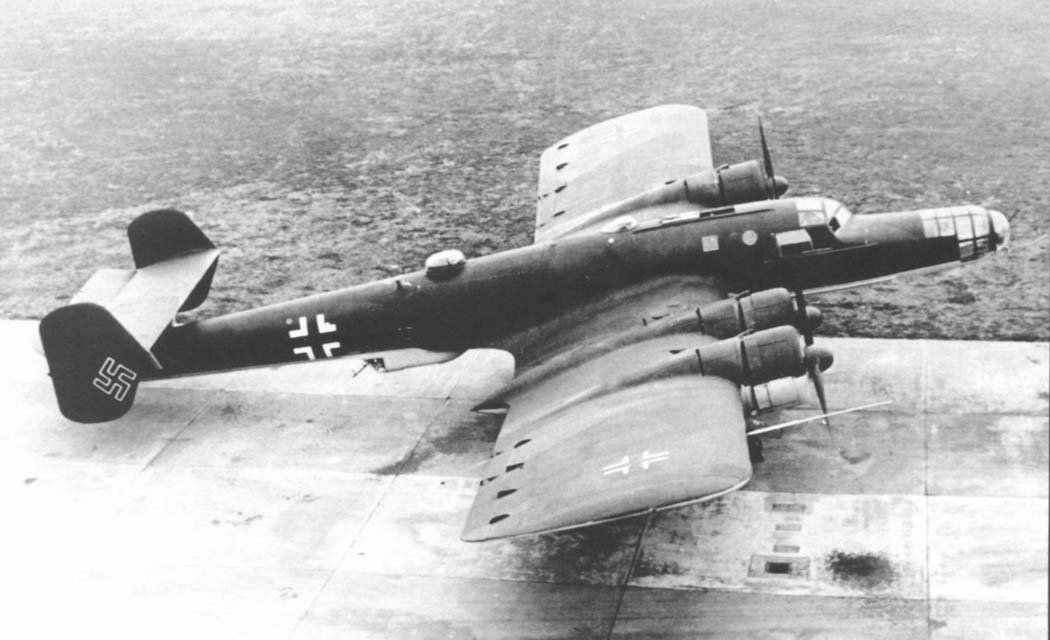 BV.142 |
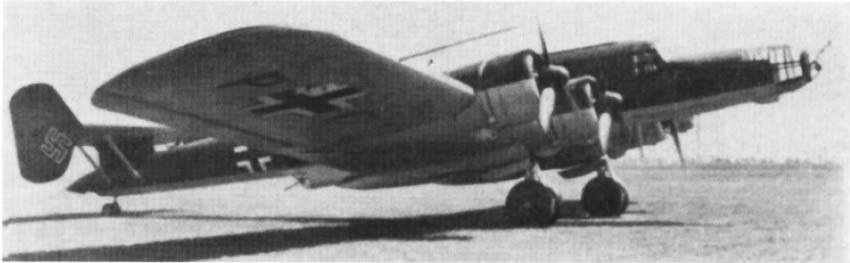 BV.142 |
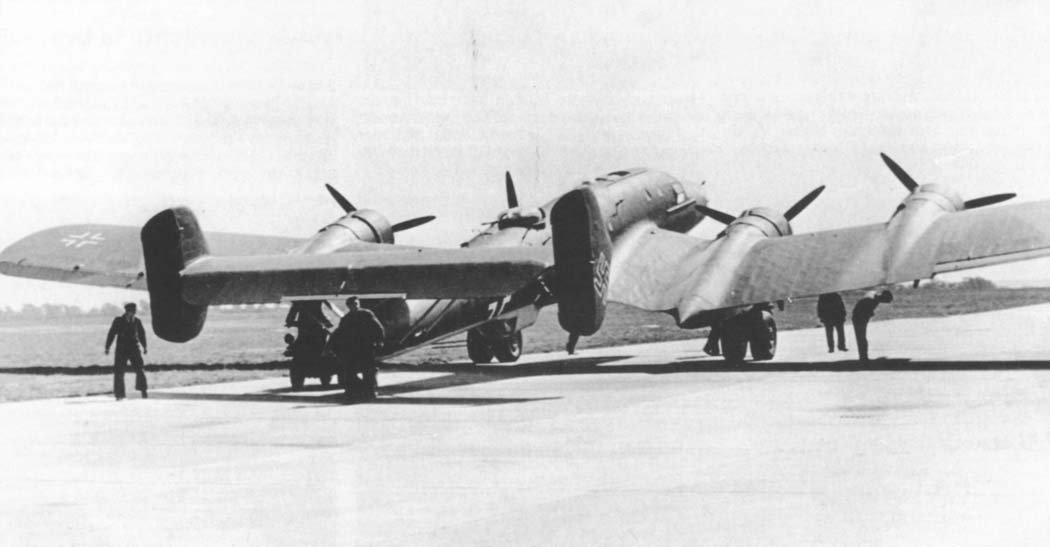 BV.142 |
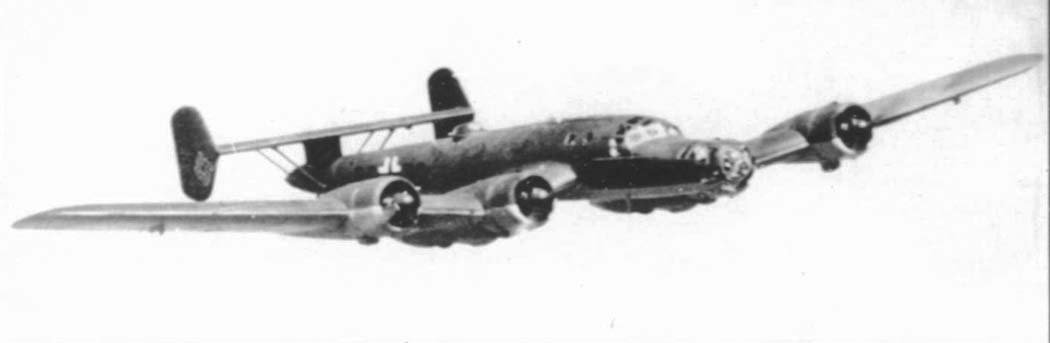 BV.142 |
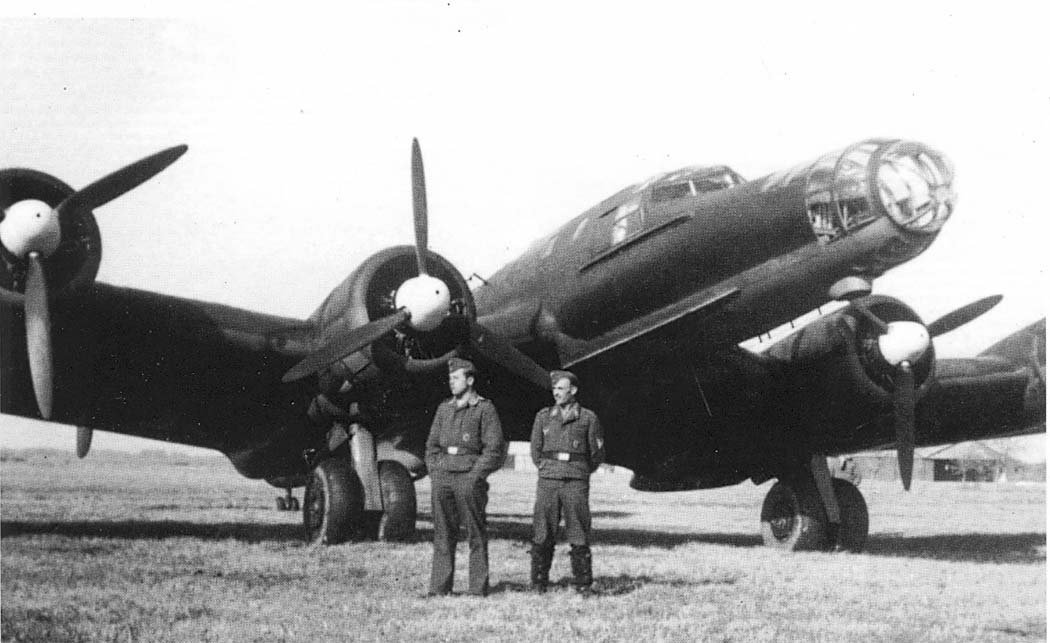 BV.142 |
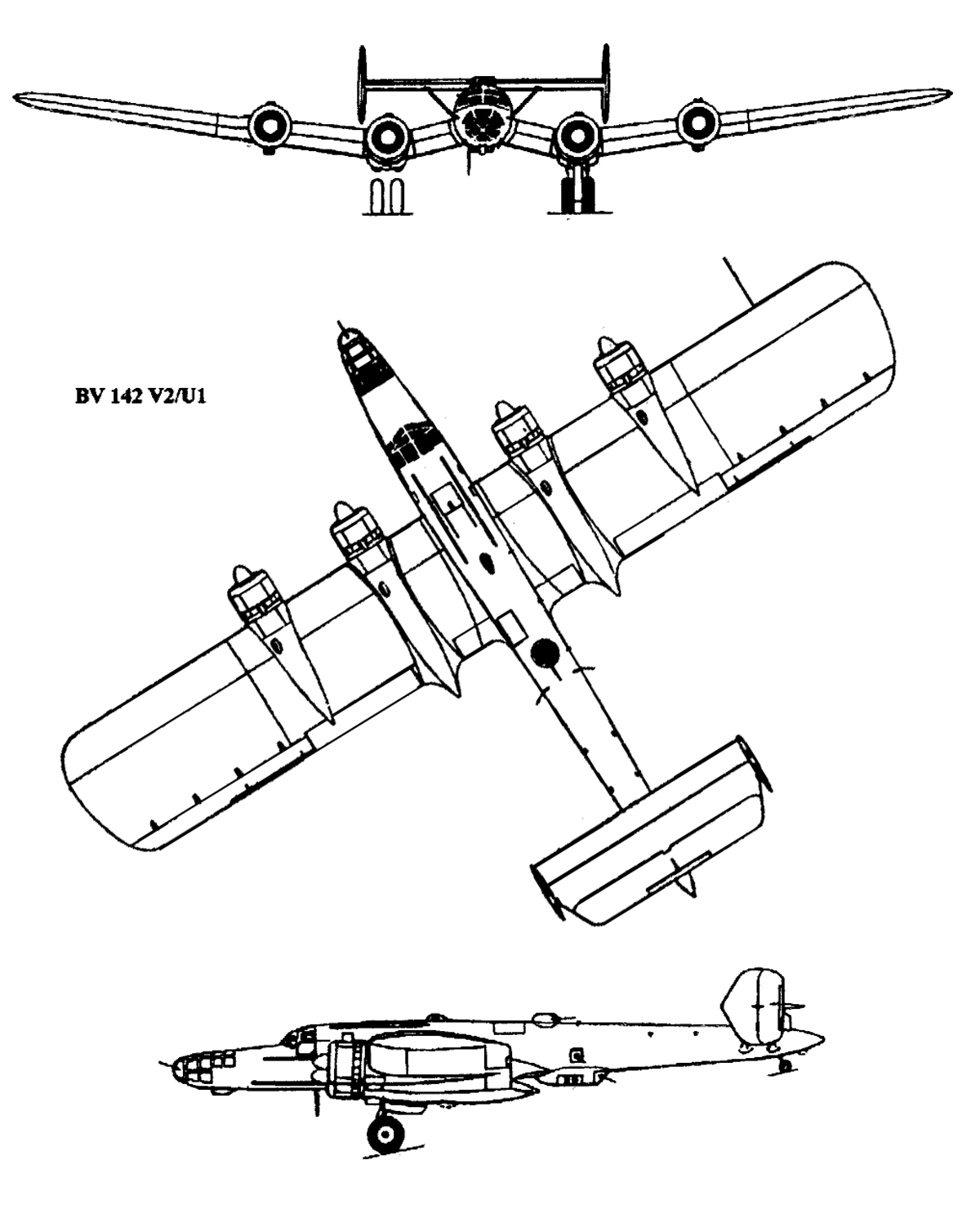 BV.142 |