
The Caproni Ca.2: An Early Biplane
After the crash of his first aircraft, Italian aircraft designer Giovanni Battista Gianni Caproni embarked on building his second biplane, named Ca.2. This machine largely resembled its predecessor, with its main difference being the powerplant.
Instead of the unreliable 25-horsepower Miller engine, the new aircraft was fitted with a four-cylinder, 50-horsepower Rebus engine, which proved not much more reliable.
First Flight and Unexpected Crash
Construction of the Ca.2 was completed in the summer of 1910. On August 12, Ugo Tabacchi took it to the sky for the first time. The aircraft ascended to 50 meters and covered a considerable distance.
However, the pilot’s lack of experience once again proved detrimental. An unsuccessful landing resulted in serious damage to the machine.
Legacy of the Ca.2 and Pilot Tabacchi
Tabacchi, once again, escaped with only a scare. However, this second accident was not without consequences, effectively ending his flying career. The Ca.2 represented an early step in Caproni’s illustrious career, despite its initial setbacks and challenges with engine reliability and pilot experience.
Technical Specifications
| Modification | Ca.2 |
| Upper wingspan, m | 10.50 |
| Aircraft length, m | 9.86 |
| Wing area, m2 | 38.00 |
| Maximum takeoff weight | 305 |
| Engine type | 1 Piston engine Rebus |
| Power, hp | 1 x 50 |
| Crew, crew members | 1 |
Image and diagram gallery of the Ca.2 (1910)
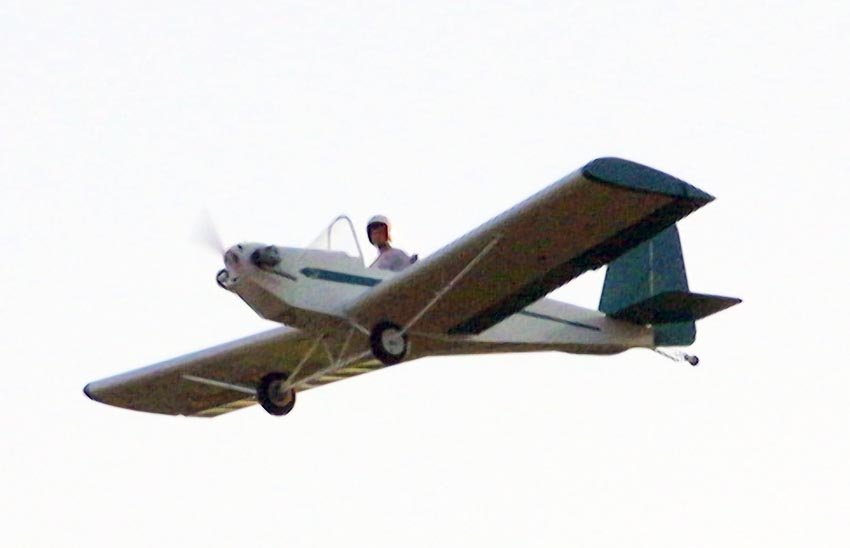 Ca.2 (1910) |
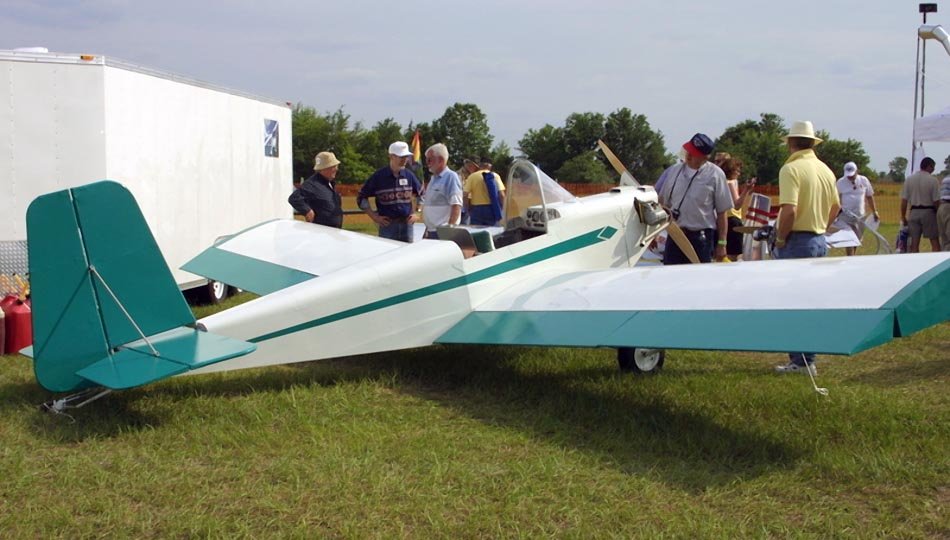 Ca.2 (1910) |
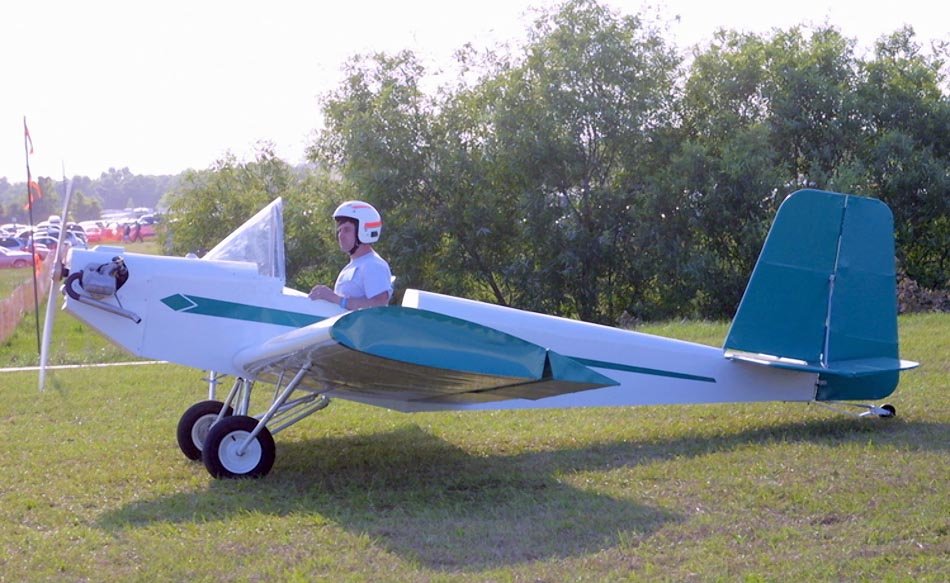 Ca.2 (1910) |
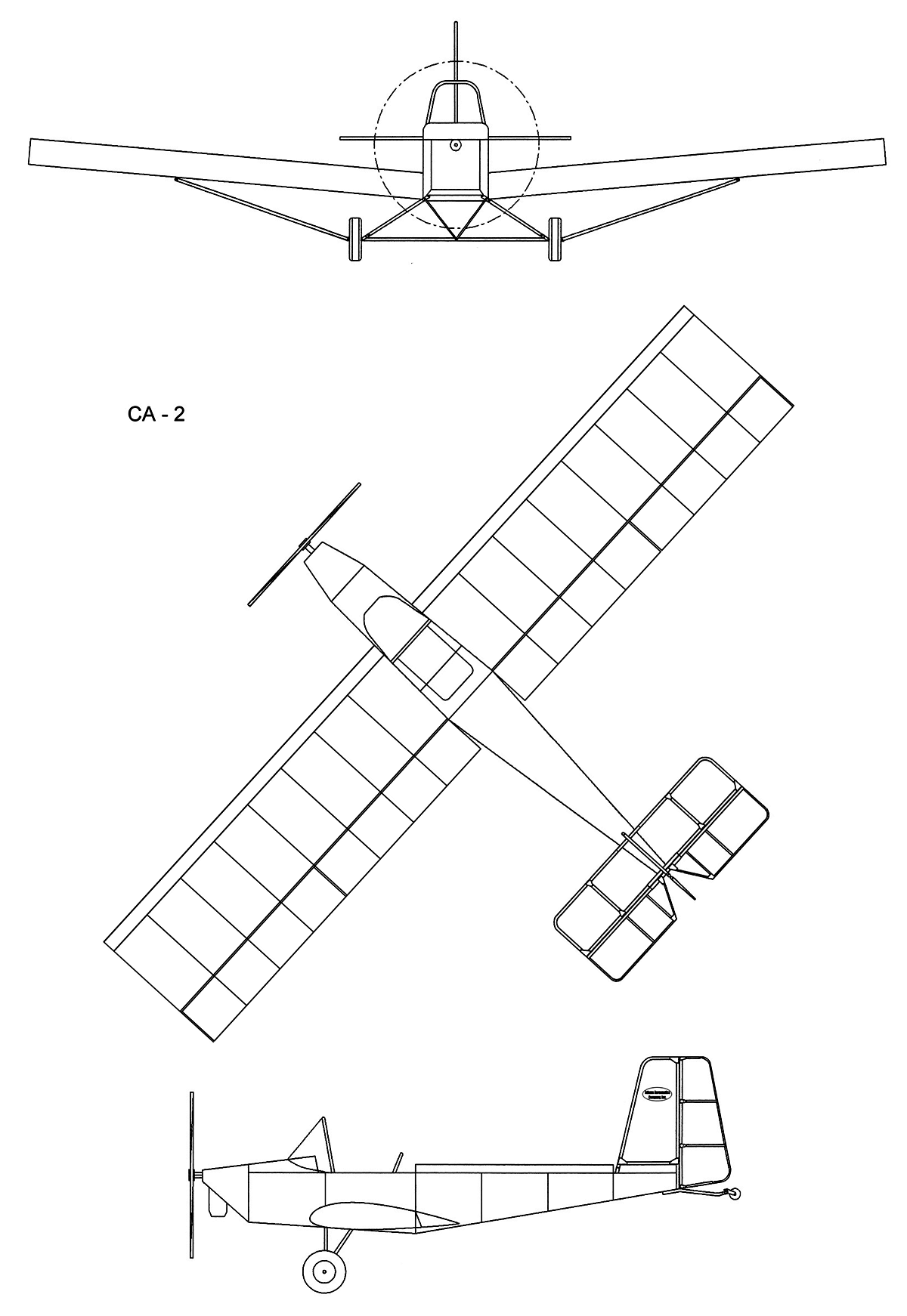 Ca.2 (1910) |