Braemar
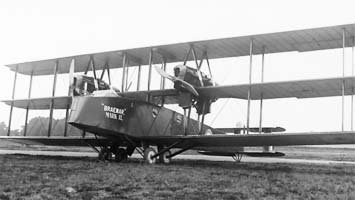
The Bristol Braemar was a WWI British heavy triplane bomber. Designed for long-range attacks, it featured innovative design and faced unique production challenges.

History of the first large twin-engine and triplane bombers of the First World War.
The Bristol Braemar was a WWI British heavy triplane bomber. Designed for long-range attacks, it featured innovative design and faced unique production challenges.
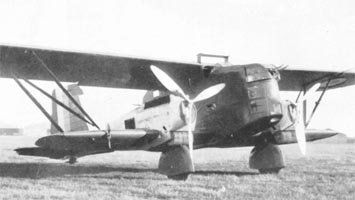
Explore the Breguet Br.413, a 1933 French bomber-reconnaissance aircraft by Louis Breguet. A re-engined Br.410 variant, only four units were produced.
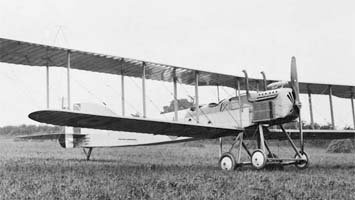
Uncover the Short Bomber, Britain’s pioneering purpose-built WWI bomber. Learn about its design, combat contributions, and legacy on the Western Front.
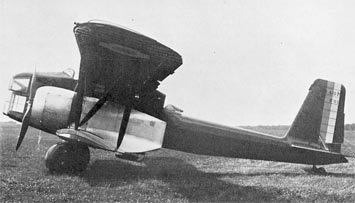
Discover the Breguet Br.420, a French bomber-reconnaissance aircraft from 1936. Learn about its innovative design, first flight, and military rejection.
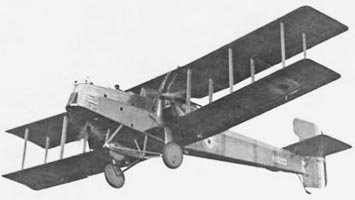
Explore the Boulton-Paul P.15 Bolton, an innovative all-metal medium bomber from the 1920s. Learn about its design, specifications, and early flight testing history.

Discover the story of the Breda A.14, the 1928 Italian night bomber that, despite its innovations, failed to meet military demands or attract civil market interest.

Discover the Boeing TB-1/Model 63, a pioneering 1920s US Navy torpedo-bomber biplane. Learn its design, limited service, and legacy leading to the T2D.
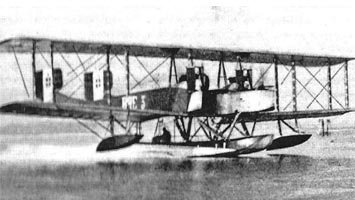
Explore the history of the Italian Bresciani Bre.1 (Series) long-range bomber seaplane, designed for the Regia Marina during WWI, but never adopted.
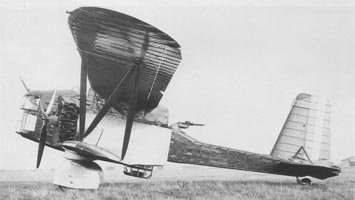
The French Breguet Br.414 bomber-reconnaissance aircraft competed in a Ministry of Aviation contest. Despite upgrades, it failed to impress, leading to program cancellation.
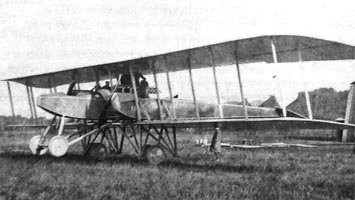
In 1915, Enea Bossi proposed the Alceo bomber to the Regia Marina. With an Isotta Fraschini engine, the project was canceled after a crash due to insufficient power.